Get in Touch with Saiweiglass




Quick Specs — AG Glass Manufacturing
| Primary Methods | Chemical etching, spray coating, magnetron sputtering |
| Typical Substrate | Soda-lime glass, borosilicate, 0.5–6 mm |
| Surface Roughness (Ra) | 0.5–2.5 μm (adjustable) |
| Light Transmittance | ≥89% (etched), ≥90% (spray coated) |
| Haze Value | 1–25% (application-dependent) |
| Gloss Range | 15–130 GU (measured at 60°) |
| Common Thicknesses | 0.7, 1.1, 2.0, 3.0 mm |
| Standards | ASTM D1003 (haze), ISO 13468 (transmittance) |
Every display we use—your car dashboard, the grocery store self checkout kiosk, the hospital patient monitor—has the exact same physics problem: reflected skyglow reflecting off the glass and blanketing the image behind it. The answer that AG glass manufacturing provides is to modify the glass surface on the subwavelength scale, rendering what would be direct specular reflections into diffuse, downward scatter that your eyes and brain can’t really tell the difference. So how do you make Anti-glare glass?
This tutorial covers the three main glass manufacturing approaches, the production process from raw substrate to finished panel, quality testing and the real-world specifications that count when sourcing anti-glare glass, for your product.
What Is AG Glass and Why Does It Matter for Display Manufacturing?

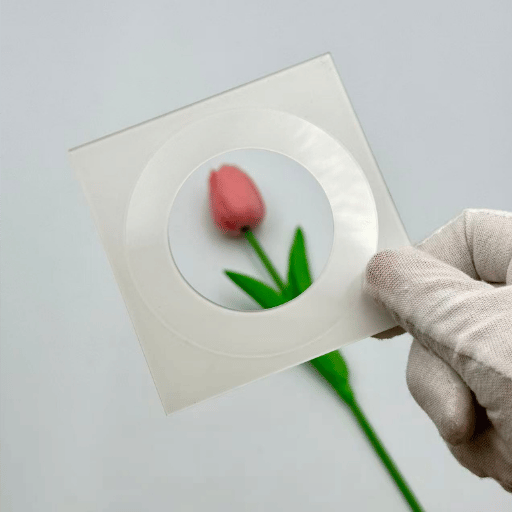
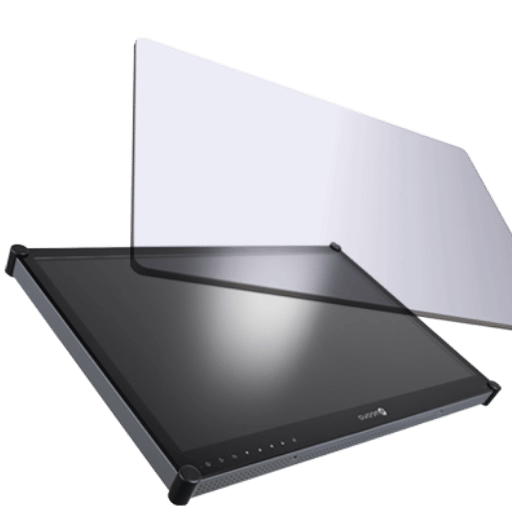
AG glass (anti-glare glass) refers to a glass that has had its surface mechanically or chemically deformed to produce a surface macro-texture, equalising the specular reflection along a large number of angles and directions producing a diffuse reflection rather than a concentrated mirror reflection, resulting in reduced glare and is transmittance of more than 89% as given by ISO 13468. The light scattered by the screen is directed to the eye of the observer at many more angles than the concentrated mirror reflection of the light source, which results in improved display visibility, even in bright ambient light conditions.
The work is simple. A polished reflective surface gives rise reflectance like a big mirror – the light reflected from it at exactly the same angle as the incident light. with the glare battling the image from the screens behind. manufacturers cleverly abrasive his plane with beam-blurring grit (Ra’s from 0.5 to 2.5 M), dispersing the reflected beam into numerous feeble rays, each headed in a different direction.1 Then the glare is a sharp midnight cry of filaments, but the display image can still shine through.2
This contrasts sharply with frosted glass which works as a decorative finish purposely blocking your line of sight. Anti-glare glass is designed for the other objective—to prevent glare, yet leaving the display visible. Transmittance remains above 89% for etched ag glass and above 90% for spray-coated types—metrics that meet the optical criteria for touch panels, automotive dashboards, LCD monitors and industrial control panels.
There are applications for all the industries that have a screen in front of a user. Even the least rugged application in consumer electronics such as cell phones, tablets, and laptops all use this technology. It is used in automotive as well for everything from the entertainment center on the center stack to instrument clusters.
It is used in many medical applications for patient monitors and screens for diagnostics. For industrial uses it is used in HMI panels, PO S terminals, and keyboards or kiosks.
Three Manufacturing Methods for Anti-Glare Glass

These types of glass are manufactured by three main methods that result in different optical and mechanical properties. Method selection is based on the desired haze, roughness, transmittance of the final product and available budget.
Chemical Etching
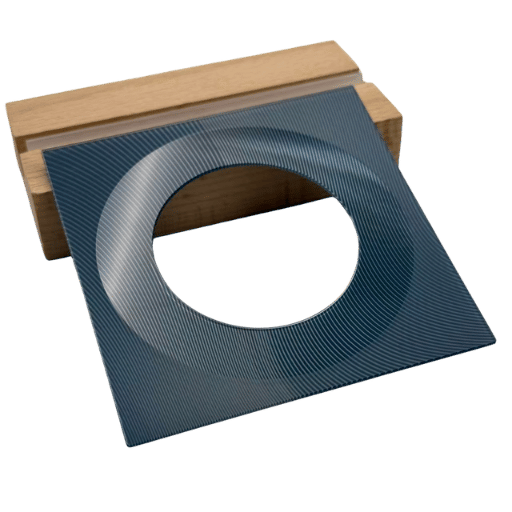
The most common form of manufacturing for industrial AG glass is Chemical etching. This involves chemically removing pits in an 0.05-0.07 mm deep with solutions using hydrofluoric acid (HF) (normally HF/HCl solutions at the ratio of about 10:1) to etch away the glass surface. This produces a textured matte finish, scattering reflected light.
Acid bath process parameters are tightly controlled. Passivation temperature, immersion duration, and ambient humidity all influence the resulting surface roughness. A published heating study on ceramify crosslinking showed that a HF-based AG frosting is controlled by non-linear HF concentration dependencies to etch rate and bath temperature (Science Direct, 2021). Following etching, the glass goes through a multiple stage post-process: neutralization, cascading DI water rinse, infrared oven, ultrasonic particle removal, and finally the panel is ready for packaging.
Etch specifications for chemical used coatings: transmittance >89%, adjustable hazes 2-25% and wide roughness as a function of Ra variation. Etch texture sticks in because the design texture is physically gouged into the glass and will not peel, delaminate, or wear away in the end product lifetime. This permanence makes the etch choice for chemical-etched AG glass panels in extreme-use applications.
Spray Coating
Spray coating atomizes a sol-gel material with air directly from a gun and deposits it evenly onto the glass surface. Coating depth and uniformity is controlled by transport air pressure, atomizing air pressure, and spit movement rate, which are investigated by research published through the National Institutes of Health (PMC6427158, 2019).
Spray coating AG glass achieves haze around 1-5%, transmittance of 90% and a remarkably finer roughness range of 1-20 nm. Reduced cost and bit lower durability efficiency make it suitable for large-scale signage panels. One disadvantage: it requires an additional UV or PA oven to dry, and the coating is sitting on top of the glass rather than etched into it, so it is more susceptible to scratching.
Magnetron Sputtering (PVD)
Physical vapor deposition (PVD) uses magnetic field responsive target ions to deposit ultra-thin films using a magnetron sputtering process in an ultra-high vacuum chamber onto the glass substrate. Resulting coating gives minimal roughness and thickness variation (roughness range 5-50 nm, 92% transmittance) than other methods. PVD precision and representational quality makes PVD ideal for the highest quality consumer electronics such as high definition monitors, smartphones, and instrumentation. While this method has the highest panel cost-to- achieve-ideal specs,
| Parameter | Chemical Etching | Spray Coating | Sputtering (PVD) |
|---|---|---|---|
| Haze Range | 2–25% | 1–5% | 0.5–3% |
| Transmittance | >89% | ≥90% | ≥92% |
| Roughness (Ra) | 0.5–2.5 μm | 1–20 nm | 5–50 nm |
| Durability | Permanent (etched into glass) | Moderate (coating can wear) | Good (thin-film adhesion) |
| Cost | $15–40 per m² | $8–20 per m² | $40–80 per m² |
| Best For | Industrial displays, kiosks | Large panels, signage | Premium consumer electronics |
Step-by-Step: How AG Glass Is Made in a Factory

The conventional AG glass production workflow runs in sequential order from left to right with a strict set of steps on every panel in accordance with the surface treatment method as follows:
- Substrates – Incoming soda-lime or borosilicate glass panels are filtered for quality assurance, including a 0.5-6mm thickness bar check and a visual chips, scratches and impurities screening. A technician rejects any defective panels that are smaller than specification, deeper than acceptable, or have minor or major visual defects.
- Ultrasonic cleaning – glass substrates are entered into DI water bath with ultrasonic transducers, which produce cavitation effects to blow away any extraneous debris, oils, fingerprints, or other film contaminants.
- Surface Treatment- the actual fabrication step of ag glass. Depending on the specific end use: chemical etching ( via HF acid bath defined time/temperature condition), spray coating( sol-gel application via auto air gun) or magnetron sputtering (PVD end deposit in vacuum chamber). Each technology produces a distinctly different micro-texturised glass surface.
- Post-Treatment Rinse- For etch glass: multi-step neutralization to stop the acid reaction, cascading DI water rinse stages, high speed air knife dry stage. For spray coated glass: thermo curing of sol-gel spray layer, inspection for film adhesion.
- Quality Inspection- Automated instruments used to measure five qualities: gloss (60 5 points approach), haze (spectrophotometer ASTM D1003), transmittance (spectrophotometer 380-700nm ISO 13468), roughness (contact profliometer), sparkle (colorimeter). Reject any single point measurement which is over two percent away from the specifications target.
- Tempering/Strengthening- the optional step in the case of touch panel. Chemical (ion exchange) or thermal tempering improves impact and surface hardness. Tempered glass or laminated glass is recommended for most passive matrix or capacitive touch screen enabled usage, especially in the case where glass is also a protective overlay.
- Final Cleaning and Packaging- Clean-room wipe-down, removes any residual of particles. Protecting film is laminated to both side of glass. glass finish products are packed in anti-static form in foam separators preventing transit damage.
📐 Engineering Note
Surface roughness Ra for chemical etching is measured using a contact profilometer per NIST SP 960-9 and ASME B46.1. Typical measurement length: 4 mm, cutoff wavelength: 0.8 mm. Verify Ra against the purchase order specification — for example, 0.5–1.5 μm is standard for industrial HMI glass panels. A common defect is uneven etch depth causing haze hotspots, which is caught during the 5-point QC inspection.
Surface roughness Ra for chemical etching is measured using a contact profilometer per NIST SP 960-9 and ASME B46.1. Typical measurement length: 4 mm, cutoff wavelength: 0.8 mm. Verify Ra against the purchase order specification — for example, 0.5–1.5 μm is standard for industrial HMI glass panels. A common defect is uneven etch depth causing haze hotspots, which is caught during the 5-point QC inspection.
AG Glass vs AR Glass — Manufacturing and Performance Differences

AG and AR glass can greatly reduce unwanted light behavior by glass yet they work in distinctly different physical mechanism and manufacturing process. Knowing the difference is key to selecting proper glass for your display application.
AG glass works by diffusion. Its rough surface scatters parallel incident light into many diffuse paths, decreasing the strength of the reflected image. AR glass works by destructive interference. Multiple thin layers (metal oxides sputtered vacuum coating) cause reflected beam’s wave interference to cancel each other out, bringing surface reflectance down to below 0.5%. For the detailed show-down, Anders Electronics published a detailed thesis comparing the two technologies.
| Parameter | AG Glass (Anti-Glare) | AR Glass (Anti-Reflective) |
|---|---|---|
| Mechanism | Surface texture scatters light (diffuse reflection) | Thin-film multilayer coating (destructive interference) |
| Transmittance | >89% | >99% |
| Surface Reflectance | Reduced (scattered, not eliminated) | <0.5% (near elimination) |
| Haze | 1–25% (intentional) | <0.5% (minimal) |
| Appearance | Matte finish | Crystal-clear finish |
| Durability | Permanent — etched into glass, cannot peel | Coating may degrade or peel in harsh conditions |
| Cost per m² | $15–40 (etched) | $30–80 (multi-layer coating) |
| Best Application | Bright environments: outdoor kiosks, industrial HMI, automotive | Clarity-critical: smartphones, optical instruments, high-res displays |
The fundamental procurement difference: AG etching goes into the glass- permanent, never peel, never delaminate, never wear off. AR coating goes on the glass- degrade over time especially in the outdoor environment or the high-touch application. If your end product will be exposed to direct sunlight, frequent cleaning or handling, durable ag glass will more than likely bring you savings and longevity.
✔ AG Glass Advantages
- Permanent treatment — no peeling or delamination
- Lower cost per m² ($15–40 vs $30–80 for AR)
- Performs well under direct ambient light
- Easy to clean; matte finish hides fingerprints
- Wide haze range (1–25%) for application tuning
⚠️ AG Glass Limitations
- Slightly lower transmittance than AR (>89% vs >99%)
- Matte texture can reduce perceived sharpness on high-PPI displays
- Haze introduces minor image softening
- Not ideal for optical instruments requiring maximum clarity
For complete specification and to learn about AG glass specifications, please refer to the saiweiglass specification page.
Quality Testing and Surface Specifications for AG Glass

Every message glass leaving manufacturing floor must verify to a host of Optical/Surface measurements. These tests verify manufactured panel is within customer despatchion order specification. Listed below are key parameters, tools and guideline standards.
| Test Parameter | Instrument | Standard | Typical Spec Range |
|---|---|---|---|
| Gloss | 60° gloss meter (5-point avg) | ASTM D523 | 15–130 GU |
| Haze | Spectrophotometer / hazemeter | ASTM D1003 | 1–25% |
| Transmittance | Spectrophotometer (380–700 nm) | ISO 13468 | ≥89% |
| Surface Roughness (Ra) | Contact profilometer / AFM | ASME B46.1 | 0.5–2.5 μm |
| Sparkle | Sparkle measurement system | — | Application-dependent |
Specifications for roughness vary per industry. Below are Ra ranges for quality glass providers:
0.5–1.0 μm
Medical Equipment
Medical Equipment
0.5–1.5 μm
Industrial Control Displays
Industrial Control Displays
1.0–2.0 μm
Financial / Privacy Devices
Financial / Privacy Devices
1.0–2.5 μm
Outdoor Advertising
Outdoor Advertising
📐 Engineering Note
ASTM D1003 defines haze as the percentage of transmitted light that deviates more than 2.5° from the incident beam direction. For AG glass acceptance testing, measure at 5 points across the panel surface and reject if any single point deviates more than ±2% from the specification target. This 5-point protocol is standard across most high-quality AG glass manufacturers.
ASTM D1003 defines haze as the percentage of transmitted light that deviates more than 2.5° from the incident beam direction. For AG glass acceptance testing, measure at 5 points across the panel surface and reject if any single point deviates more than ±2% from the specification target. This 5-point protocol is standard across most high-quality AG glass manufacturers.
Where AG Glass Is Used — Applications by Industry

Ag glass appears every place where the display meets ambient light. Below shows the application segments where the technology is deployed, and the market trends behind its rising adoption.
Consumer Electronics
Smartphones, tablets, laptops, and desktop monitors are the best-selling AG glass for displays application. Anti-glare treatment reduces reflections on a monitor when viewed on office lighting and outside sunlight, improving user experience without sacrificing the ability for a capacitive touch screen to sense. Its micro-meter scale surface texture leaves the electrical field for a touch panel unaffected.
Automotive
Automotive dashboard panels, center stack displays, and HUD component screens are a major market for automotive-grade AG glass. Dashboard panels typically require gloss above 90 GU, for glare suppression and clarity for the driver. Automotive display market had a valuation of $27.95 billion in 2025 and is expected to reach $44.15 billion by 2030, at a CAGR of 9.57% (Mordor Intelligence). Automotive touch systems is 80.41% dominated by capacitive touch, fueling automotive AG cover glass demand.
Industrial HMI
Control panels, self-service kiosks, POS terminals, factory floor displays, need industrial anti-glare glass panels with roughness specs of 0.5-1.5 m Ra. Industrial display market stood at a valuation of $5.95 billion in 2024 (GM Insights). Wider touch screen display market was $3.2 billion in 2024 and is projected to reach $6.0 billion by 2033, with a CAGR of 7.2% (OpenPR). Harsh environments on factory floors or external kiosks wears on screens when used 24/7 and frequently cleaned.
Medical
Patient monitors, diagnostic imaging screens, bedside terminals require even more stringent surface specs: Ra of 0.5-1.0 m. Medical-grade ag glass must also resist frequent alcohol and disinfectant wipes, without surface degradation. A matte surface has the added benefit of fingerprint-resistant, remaining readable until the next wipe.
Architectural and Commercial
Whiteboards, digital signage, interactive kiosks and display frame assemblies in a retail environment all benefit from ag glass to keep displays legible given available ambient overhead light. As large panel sizes and uniformly scattering haze are key to these type installations, spray coating or chemical etching are the industry norms.
How to Choose an AG Glass Manufacturer

A reliable ag glass supplier is more than just pricing. A manufacturer with expertise in anti-glare surface treatment will understand your application needs after the first walk-through. Below is a list of factors that client engineers and OEM procurement teams should examine before selecting a supplier.
✔ AG Glass Manufacturer Evaluation Checklist
- List your parameters 1st: gloss (GU), haze (%), transmittance (%), roughness (Ra m), thickness (mm)
- Ascertain the manufacturer’s method capability – can they do etching and coating or only?
- Become familiar with certifications: ISO 9001 (quality management) ISO 14001 (environmental management)
- Present test panel samples to the supplier with test reports showing 5 point measurement data
- Wholesale MOQ and lead time levels to fit your production schedules
- Investigate the customization range of glass solutions offered – CNC cutting, hole drilling, edge polishing, silk-screen printing, tempering
- Request material certificates documenting substrate grade and coating composition
- Ensure proper packaging standards – anti-static packaging, protected film.
💡 Pro Tip
Always request a sample batch (5–10 panels) before placing a production order. Measure the samples yourself using your own instruments to confirm that the manufacturer’s test report numbers match your independent readings. A ±1 GU gloss variance and ±0.5% haze variance between the manufacturer’s data and yours is acceptable; anything larger warrants discussion.
Need high-quality AG glass panels with custom specifications?
About This Manufacturing Guide
This document was written by saiweiglass a manufacturer manufacturing and selling ag glass panels through chemical etching and coating processes for industrial, automotive and consumer electronic use. The data, process, technical spec and test standards use in this document are based on saiweiglass production alone and data taken from publicly available, global industry sources. optical and surface measurements referenced are based on the use of standard test procedures (ASTM D1003, ISO 13468, ASME B46.1).
Frequently Asked Questions
What is AG glass?
View Answer
AG glass is anti-glare glass with a micro-roughened surface that scatters reflected light, reducing visible glare on display screens while maintaining transmittance above 89%.
What makes AG glass different from regular glass?
View Answer
Regular glass has a smooth surface that reflects light at a single angle, creating mirror-like glare. AG glass has a controlled micro-texture (Ra 0.5–2.5 μm) created by etching or coating that disperses reflected light into many directions, reducing glare intensity while keeping the panel transparent enough for display readability.
What’s the difference between AG glass and AR glass?
View Answer
AG glass uses a roughened surface texture to scatter reflected light (diffuse reflection), producing a matte finish with transmittance above 89% and intentional haze of 1–25%. AR glass uses thin-film multilayer coatings that cause destructive interference, nearly eliminating surface reflectance (below 0.5%) with transmittance above 99% and a crystal-clear finish. AG treatments are permanent because the texture is etched into the glass itself, while AR coatings can degrade or peel in harsh conditions. AG glass costs $15–40 per m²; AR glass runs $30–80 per m².
Is AG glass compatible with touchscreens?
View Answer
Yes. AG glass is fully compatible with capacitive touch screens. Its surface micro-texture operates at the micrometer scale, which does not interfere with the electrical field detection used by capacitive touch sensors. Most modern smartphones, tablets, automotive displays, and industrial kiosks with touch functionality use AG-treated cover glass.
How does AG glass impact display durability?
View Answer
Chemical-etched AG glass is permanent — the texture is carved into the glass and cannot peel, wear, or delaminate. Combined with optional ion-exchange or thermal tempering, AG glass panels meet the durability requirements for 24/7 industrial and outdoor installations.
What types of AG glass are there?
View Answer
AG glass is categorized by manufacturing method and by haze level. By method: chemical-etched (permanent, haze 2–25%, most common for industrial use), spray-coated (lower cost, haze 1–5%, suited for large panels), and sputtered (premium, haze 0.5–3%, used in consumer electronics). By haze level: low-haze (1–5%, preserves image sharpness for high-resolution screens), medium-haze (5–15%, balanced for general display applications), and high-haze (15–25%, maximum glare reduction for bright-environment installations like outdoor kiosks and signage).
References & Sources
- NIST SP 960-9 — Surface Engineering Measurement Standards — nvlpubs.nist.gov
- PMC — Experimental design of process parameters on the anti-glare spray coating (2019) — pmc.ncbi.nlm.nih.gov
- ASTM D1003 — Standard Test Method for Haze and Luminous Transmittance — store.astm.org
- Mordor Intelligence — Automotive Display Market Size Report — mordorintelligence.com
- GM Insights — Industrial Display Market Analysis — gminsights.com
- ScienceDirect — Kinetic Study on AG Frosted Glass by Acid Etching — sciencedirect.com
- Anders Electronics — Anti-Glare vs Anti-Reflective Guide — andersdx.com
Related Articles