Get in Touch with Saiweiglass


★★★★★
Verified Manufacturer
Antibacterial Glass
Manufacturer & Antimicrobial Glass Supplier from China
Our Chinese factory specializes in manufacturing antibacterial glass products which we customize through our OEM and ODM services to create antimicrobial glass panels that use silver ion technology for use in hospitals, medical devices, touchscreens, kiosks, and architectural design. The product achieves over 99.9% antibacterial effectiveness. The product delivers rapid sampling results within a 7-day period.
TRUSTED BY INDUSTRY LEADERS
Get Instant Quote
SGS
TUV
INTERTEK
ISO:9001

99.9%
Antibacterial Efficacy
(R ≥ 2, JIS Z 2801)
(R ≥ 2, JIS Z 2801)
15+ Years
Glass Manufacturing
Experience
Experience
7 Days
Fast Sample
Lead Time
Lead Time
50+
Countries
Exported
Exported
About Our Antimicrobial Glass
What Is an Antibacterial Glass?
Antibacterial glass, also called antimicrobial glass, is a special type of glass that suppresses the growth of bacteria, viruses, and other microorganisms on its surface. This advanced material provides continuous protection against contamination, thanks to an innovative silver ionic technology.
We use silver and copper in the ion form on the surface of the glass as a professional antibacterial glass manufacturer in China. The antibacterial properties are permanent at the life of the glass and do not deteriorate due to other routine environmental factors like sunlight, cleaning, or wear.
Our glass antimicrobial solutions are designed for B2B applications where cleanliness and infection control are indispensable: hospitals, medical equipment, food processing devices, commercial buildings, and consumer electronics.
- Silver Ion Antibacterial Technology
- Permanent Antimicrobial Effect
- Custom OEM Manufacture
- Wholesale Factory Price
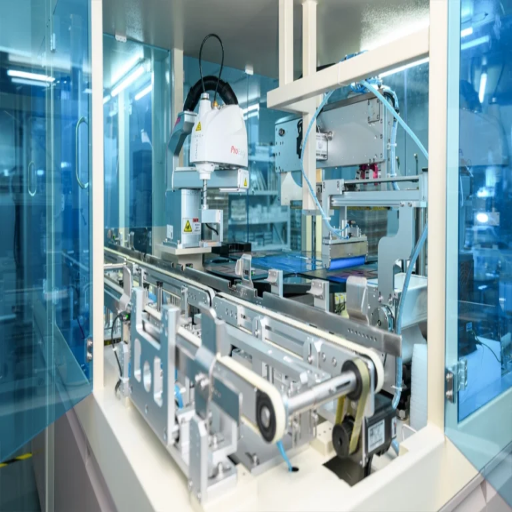
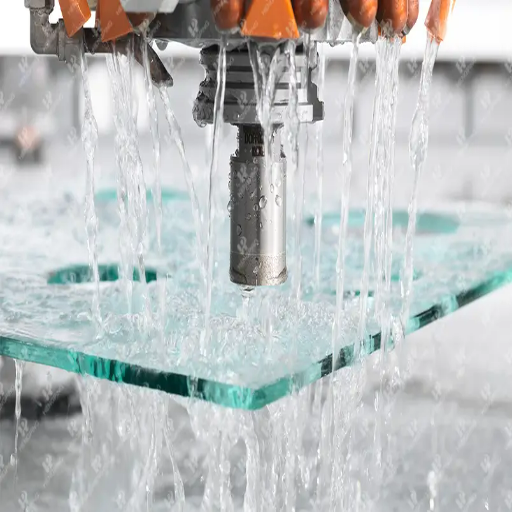
Glass-Manufacturing Plant for Antibacterial Production.
Technology
Antimicrobial Coating For Glass Technology from China Manufacturer
Advanced antimicrobial glass solutions based on silver ion, copper ion, and photocatalytic technologies offer superior hygiene protection.
Silver Ion Antibacterial Glass
Our primary antibacterial glass coating technology, which integrates the silver ion (Ag+) through an ion-exchange process. Through continuous releases of silver ions onto the surface, bacterial cell membrane breaks fail to give the antimicrobial effect.
- ✓ 99.9% bacteria reduction (E.coli, S.aureus)
- ✓ Antimicrobial protection for a lifetime
- ✓ EPA participants, FDA compliant
- ✓ We believe that UV light is not necessary for activation
TiO₂ Photocatalytic Coating
Titanium dioxide photocatalytic coating, activated by UV or visible light, brings about the action of ROS to destroy bacterial, viral, and organic contaminants.
- ✓ Self-cleaning properties
- ✓ UV/Visible light activation
- ✓ Degrades organic contaminants
- ✓ Best for architectural glass
| Technology | Mechanism | Activation | Durability | Best Applications |
|---|---|---|---|---|
| Silver Ion Glass | Disrupts bacterial cell membranes | Always active | Lifetime (ion-embedded) | Medical devices, touchscreens |
| Copper Ion Glass | Damages bacterial DNA & metabolism | Always active | 5-10 years | Healthcare, hospitals |
| TiO₂ Photocatalytic | Generates reactive oxygen species | UV/visible light | 3-5 years | Architecture, outdoor |
China Antibacterial Glass Manufacturer with Comprehensive Processing Capabilities
Our company functions as an antimicrobial glass manufacturing facility which provides complete OEM and ODM services through our advanced coating technology and complete glass processing capabilities.
CNC Precision Cutting
Chemical Tempering
Physical Tempering
AG Anti-Glare Etching
AR Anti-Reflective Coating
AF Anti-Fingerprint Coating
ITO Conductive Coating
Silk Screen Printing
Step Glass Processing
Edge Polishing/Beveling
Hole Drilling/Routing
Optical Bonding
Applications
Antibacterial Glass Applications: Healthcare, Electronics & Architecture
To managing different industries where hygiene and infection control is important, our antimicrobial glass solutions are useful.
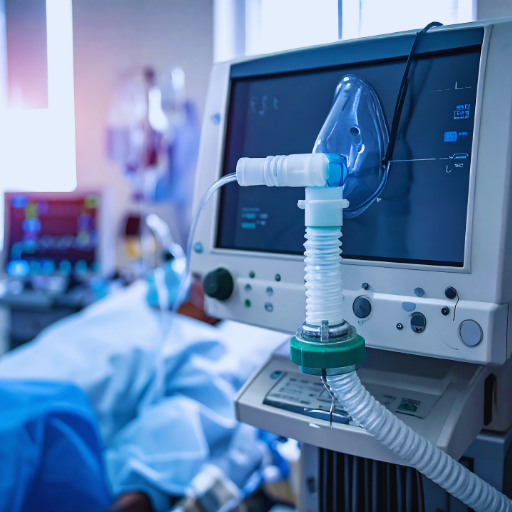
Medical Devices & Healthcare
Antimicrobial Glass products for patient monitors, ventilators, ultrasound equipment, laboratory analyzers, and hospital touch displays. FDA and CE compliant.

Consumer Electronics
For smartphones, tablets, laptops, and wearables; antibacterial touch screen glass; anti-fingerprint+antimicrobial coating combination.
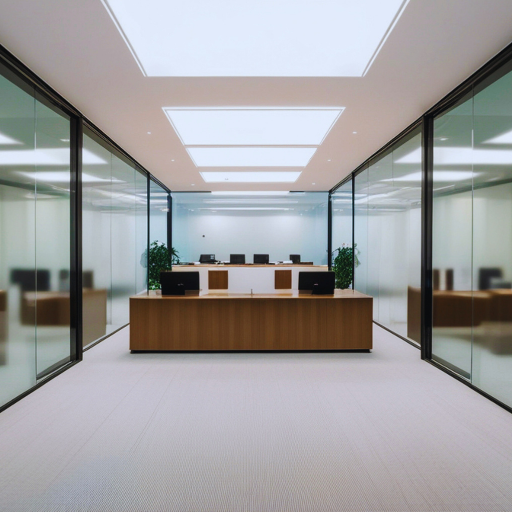
Architecture & Interiors
For hospitals, hotels, offices, and public spaces, antimicrobial glass partitions, door panels, elevator panels, and wall cladding.

Kiosk & POS Systems
Antibacterial glass for self-services kiosks, ATMS, retail POS terminals, ticketing machines, and public interactive displays.
Food & Beverage
Antibacterial glasses for food-processing appliances, food processing equipment, refrigeration equipment, and food processing equipment manufacturing.

Public Transit
Antibacterial glass is used in buses, subways, and trains for ticket machines, tickets, and travel information displays.
Product Line
Custom Antibacterial Glass Product Series for All Applications
Our China factory is a full-service manufacturer of antibacterial products. The facility manufactures the following product lines but can design and customize them even further by giving silver ion treatment, multiple-layer coatings, and using the latest CMC technological processes.
Best Selling Item
Antibacterial Toughened Glass
Either chemically or physically toughened glass with silver ions infused into it. Ideal for touchscreens that undergo a high volume of use, medical equipment, and commercial kiosks demanding an impact-resistant layer beside antibiotic protection.
0.55mm-12mm · Mohs > 7+ · R ≥ 2
Antimicrobial Glass Backsheet
Ultra-thin and antimicrobial coated glas panels with various thicknesses are engineered for medical device displays, patient monitors, and diagnostic instruments. Available with anti-glare, anti-reflective, and anti-fingerprint coating options.
0.55mm-2.0mm · AG/AR/AF · FDA Compliant
Antibacterial Laminated Glass
Interlayer with antibacterial properties inside laminated hot safety glassed partitioning in construction works, surgical sterilizing environments and food handing portholes. This pertains to the international requirements set up for safety glazing and antibacterial performance.
6mm–24mm · PVB/SGP · EN 12543
Antimicrobial Display Panels
Precision-cut antimicrobial glass for consumer electronics, POS terminals, vending machines, and ATM screens. Capacitive touch-supported ITO component claims zero sensitivity loss after silver ion treatment.
0.7mm–3.0mm · ITO Compatible · 91%+ LT
Antibacterial Glass vs Standard Glass & Antimicrobial Film: Performance Comparison
How does our silver ion antibacterial glass compare to untreated glass, antimicrobial films, and spray-on coatings? The comparative analysis establishes permanent ion-exchange technology as the most effective choice for B2B purposes.
| Performance Parameter | Our Antibacterial Glass (Silver Ion Exchange) Best Choice | Antimicrobial Film / Surface Coating | Standard Glass (Untreated) |
|---|---|---|---|
| Antibacterial Efficacy | 99.9% (R ≥ 2.5) | 90-99% (degrades) | 0% — None |
| Durability / Lifespan | Permanent (lifetime of glass) | 6-18 months (peels/wears) | N/A |
| Scratch Resistance | Mohs 7+ (embedded in glass) | Mohs 2-3 (surface layer) | Mohs 5-6 |
| Chemical Cleaning Resistance | Hospital-grade cleaners OK | Damaged by strong cleaners | Full resistance |
| Optical Clarity (LT%) | ≥ 91% | 85-90% (haze risk) | ≥ 91% |
| Touch Sensitivity Impact | Zero impact | Slight degradation | Zero impact |
| UV Stability | Fully UV stable | Yellows / degrades under UV | Fully UV stable |
| Replacement Cost (5-yr) | Zero — one-time install | 3-5× reapplication cost | N/A |
| FDA / Food Contact Safe | Varies by product | ||
| Antifungal Protection | Limited | ||
| Custom Shapes / CNC | Full CNC capability | Pre-cut sheets only | Full CNC capability |
| Total Cost of Ownership | Lowest (5-year TCO) | Highest (repeat purchase) | Low but no protection |
Cost Analysis Tool
Antibacterial Glass ROI Calculator
Compare the 5-year total cost of ownership between silver ion antibacterial glass, antimicrobial surface film, and standard glass with routine cleaning.
Project Parameters
Application Scenario Select use case
Total Glass Area m²
Glass Thickness mm
Analysis Period Years
Daily Cleaning Frequency Per surface
Cleaning Cost per m² USD / clean
Configure Your Project Parameters
Adjust inputs and click “Calculate” to see a detailed cost comparison.
* Pricing based on wholesale factory rates for silver ion antibacterial glass (FOB China). Cleaning cost estimates derived from ISSA Cleaning Industry Research. Antimicrobial film replacement cycle: 12–18 months. All figures are estimates for budgeting purposes — request a formal quotation for exact pricing.
Challenges & Solutions
Challenges of Sourcing Antibacterial Glass from China for B2B Buyers
We understand the real challenges facing OEM buyers, hospital facility managers, and integrators in sourcing antibacterial glass. Here’s how we solve each one.
Challenge
Inconsistent Coating Quality
Inconsistent quality of antimicrobial coatings across different suppliers resulting in unreliable product performance.
↓
Our Solution
ISO 9001 Certified Process Controls
Antimicrobial properties consistently due to process controls, batch-level testing, and ISO 9001 certified manufacturing.
Challenge
Fragmented Supply Chain
Finding suppliers who provide both antibacterial coatings and precision glass processing.
↓
Our Solution
One-Stop Manufacturing
Antimicrobial coating plus CNC cutting, glass tempering, silk screening, AR, plus AF/AG coatings all from one manufacturer.
Challenge
Lead Time & MOQ Misalignment
Lead times and minimum order quantities remain unaligned with customers’ project timelines and budget.
↓
Our Solution
Flexible MOQ & Fast Delivery
Increased production capacity with three bases at 1M+ permits flexible MOQs and faster delivery with optimized scheduling.
Challenge
Missing Medical Documentation
Lack of medical documentation and certs that allows the device to be used in the healthcare field.
↓
Our Solution
Complete Compliance Package
We provide testing docs, EN 12150 certs, and medical device biocompatibility reports.
Challenge
Coating Durability Issues
Loss of coating after cleaning with commercial disinfectants or from normal wear.
↓
Our Solution
Chemical & Abrasion Resistant
Proven adherence of coatings, plus resistance to the chemicals and abrasion for our coatings.
Challenge
Poor Communication & Support
Lack of overseas glass suppliers of communication, remote technical support, and slow lead times.
↓
Our Solution
English Support & Fortune 500 Experience
Technical support that speaks English, and seamless communication, with 10+ years of experience with Fortune 500 clients.
Why SW Glass
Why Choose Antimicrobial Glass Factory China?
Our company operates as a complete antimicrobial glass manufacturing business which provides B2B customers across the globe with high-quality products that deliver dependable performance and affordable solutions.
01
80,000m² Production Base
The company operates three production facilities which span 80,000 square meters throughout Dongguan and Henan in China with more than 100 automated production systems.
02
ISO 9001 & Medical Certified
The organization holds ISO 9001 certification and possesses medical device biocompatibility reports which demonstrate compliance with EN 12150 standards.
03
Full OEM/ODM Capabilities
Our company provides complete manufacturing services which begin at research development and proceed until we achieve exact manufacturing results.


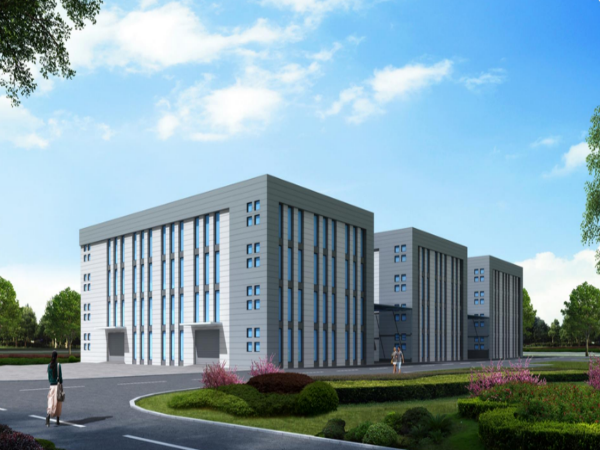
Advanced Manufacturing & Global Logistics
04
Fortune 500 Trusted Supplier
Our company serves as a reliable supplier which Fortune 500 companies including Siemens, ABB, Honeywell and SpaceX use to acquire products.
05
1M+ Units & Factory-Direct Pricing
Our production system achieves an annual capacity of more than 1 million units. We provide antimicrobial glass at wholesale prices directly from our facility with flexible MOQ.
06
Complete QC & Global Export
The company operates a complete quality control system with BM-7 colorimeter, stress testing and reliability assessment tools. Specialized export packaging with 10+ years in global trade.
Antimicrobial Glass Testing & Industry Standards Compliance
The testing process uses strict protocols to confirm that materials can protect against microbial threats while sustaining their physical characteristics and operational functions during actual glass usage.
Microbial Efficacy Testing
Performance ValidationResearch tests the effectiveness of protective coatings by applying them to surfaces which scientists then expose to specific microbial organisms under controlled settings.
- The study measured log reduction at designated time points which occurred during the study period
- The research used precise protocols to control both humidity and temperature conditions
- The research investigated multiple bacteria and virus species
- The study recorded all conditions which allowed light to penetrate
Durability & Aging Tests
Long-term ReliabilityThe testing process evaluates all aspects of durability to confirm that antimicrobial properties remain intact after multiple cleaning procedures and exposure to different environmental conditions.
- The research used ASTM standards to conduct abrasion resistance testing
- The study simulated chemical cleaning processes through its testing methods
- The research included testing procedures to evaluate both UV aging effects and weathering impacts
- The study conducted salt spray testing to assess corrosion resistance
Optical & Surface Quality
Visual PerformanceThe quality inspection process verifies that the coating maintains both optical clarity and surface properties which display applications require.
- The study conducted transmittance measurement through the usage of a spectrophotometer
- The study used haze and gloss testing methods to evaluate surface properties
- The study used BM-7 to conduct color difference analysis
- The process involved inspecting surfaces to detect any existing defects
Antibacterial Glass Market Growth: Wholesale Demand Is Experiencing Global Expansion
The global antibacterial glass market is experiencing strong growth which researchers attribute to increasing post-pandemic hygiene standards and new healthcare regulations and the growing use of antibacterial glass in electronic devices and construction materials.
Market Size 2024
USD 289-312M
Projected 2033
USD 467-526M
CAGR
6.17-7.5%
Compound Annual Growth
Fastest Growth
Asia Pacific
7.5% CAGR
Market Growth Projection (2024–2033)
Market Share Distribution
41.3%
Share
Largest Region
Europe
45.4%
Share
Top Application
Hospitals & Healthcare
90.4%
Share
Dominant Tech
Silver-based Glass
7.7%
CAGR
Fastest Segment
Military Sector
The major factors which drive market growth include increased spending on hospital-acquired infection prevention and the implementation of more stringent hygiene regulations for hospitals and food processing plants.
Silver-based antibacterial glass leads the market with a 90.4 percent market share while the hospital/healthcare segment accounts for 45.4 percent of total demand.
Our company produces antibacterial glass in China which we sell to wholesalers. Our customers receive high-quality antimicrobial glass products at lower prices than competitors.
Sustainable Antibacterial Glass: Our Commitment to Green Production
Our Chinese antibacterial glass manufacturing company adopts environmentally sustainable practices throughout our entire operation which includes our energy-efficient manufacturing methods and our ability to recycle packaging materials. Our company practices green manufacturing as an integral element of our production processes.
100% Recyclable Glass Material
Glass can undergo infinite recycling processes without any reduction in its original quality. Our antibacterial glass products which include silver ion treated items can be completely recycled after they reach their end-of-life period. The recycling process shows no environmental impact from the silver ion concentration which measures parts per million. We actively encourage our OEM customers to start take-back programs.
Energy-Efficient Production Lines
Our factory uses high-efficiency electric tempering furnaces which decrease energy usage by 30% when compared to older equipment. The system captures waste thermal energy from the ion exchange process through heat recovery systems. Our solar panels located on the facility roof generate 15% of our total energy needs which supports our goal of achieving 30% renewable energy by 2027.
Zero Liquid Discharge Water System
Our ultrasonic cleaning and coating lines function with a closed-loop water recycling system which achieves zero liquid discharge (ZLD). Deionized water undergoes a filtration and treatment process before it returns to the system for continuous reuse. The ion exchange process generates chemical waste which we send to licensed environmental disposal contractors for neutralization and disposal.
Eco-Friendly Packaging
We use FSC-certified wood for export crates, recycled cardboard for inner packaging, and biodegradable PE film for glass protection. Our packaging design uses fewer materials to achieve complete protection for glass products during transit. All wooden packaging meets ISPM 15 heat treatment requirements — no chemical fumigation used.
RoHS & REACH Compliant Materials
Our antibacterial glass production uses raw materials and coatings and processing chemicals which meet European Union RoHS and REACH standards. Our products have no restricted heavy metals because they do not contain lead or cadmium or mercury or hexavalent chromium. Safety data sheets (SDS) are available for every product upon request.
Carbon Footprint Tracking
We track and report our carbon footprint per unit of antibacterial glass produced. The current emissions intensity measures 12.4 kg CO₂e per m² which falls 20% below the industry benchmark. We support OEM customers who require Scope 3 emissions data for their own sustainability reporting and ESG disclosures.
Customer Success Stories
Saiwei Glass Excels in All Fabricated Cover Glass Applications
Even the most difficult ones, including medical devices and industrial automation!
Medical Equipment
Medical Glass Display For Surgical Navigation Systems
Customer Condition
One of the biggest European manufacturers of medical devices needed medical glass displays for their surgical navigation systems. These displays must have high biocompatibility and must be resistant to degrading, even after multiple sterilization cycles. In addition, the glass must provide excellent optical clarity and be able to withstand all imaging procedures. The supplier was unable to provide glass that met the European safety standard EN 12150.
Our Explanation
With the help of Corning gorilla glass and chemical strengthening (CS > 450MPa, DOL > 8μm), Saiwei glass was able to provide a customized solution. We engineered a proprietary double AR (Anti Reflective) coating, which achieved 99.8% glass light transmitance, which was needed for imaging procedures. We created an anti smear coating and a water contact angle > 105. The glass was so easy to clean, which made it easier to use in surgical procedures.
Technical Specifications
Material: Corning Gorilla Glass Aluminosilicate
Thickness: 1.1mm chemically strengthened
Double-sided AR coating: >98% transmittance
AF coating: Water contact angle >105°
EN 12150 safety certification compliant
Medical Device Biocompatibility Report provided
Results Delivered
98.2%
Light Transmittance
0.15%
Defect Rate (Industry: 2%)
500+
Sterilization Cycles Tested
6 Weeks
Prototype to Production
Industrial Automation
Anti-Glare Touch Screen Glass for Factory HMI Panels
Client Challenge
A Fortune 500 industrial automation company required the development of industrial automation touch screen glass for human machine interfaces (HMI) panels that they deploy globally in manufacturing plants. Existing displays face severe glare in factory high intensity lighting, causing operator eye strain and making input errors. They need touch screen glass that provides perfect touch sensitivity without any glass reflections.
Our Solution
For the provided requirements, we created a custom anti-glare (AG) glass solution using our advanced engineering of etching to the desired gloss and haze levels for industrial environments. The glass was 2.0mm chemically strengthened and AG etched single sided, and additionally incorporated silk screen printing with high-temperature ceramic ink for branding and interface markings that are indelibly resistant to industrial environments.
Technical Specifications
Custom Gloss/Haze with Single-Sided AG Etching
Chemical strengthened for added impact resistance
Screen printed with high-temp ceramic ink
Precision edging via CNC
Results Delivered
87%
Glare Reduction
50,000+
Units Annually
40%
Fewer Operator Errors
10+ Yrs
Partnership
Architectural Lighting
Commercial LED Wall Washers with IK07 Impact Resistant Glass
Client Challenge
An architectural lighting manufacturer wanted IK07 impact resistant glass for their LED wall washers and in-ground lights for outdoor use. The glass had to endure harsh weather conditions (-40°C to +85°C), be vandal resistant, and offer unclouded visibility for consistent light distribution. Prior glass providers could not comply with thermal shock and mechanical strength.
Our Solution
Saiwei Glass provided a solution of physically tempered ultra clear glass with remarkable thermal shock resistance. We employed low iron (ultra clear) glass for improved light transmission, coupled with our proprietary tempering technique to achieve IK07 impact protection. Precise custom CNC machining provided cutouts for cables and our edge sealing made it waterproof to achieve IP67.
Technical Specifications
Materials: Ultra-clear glass with low iron content
Thickness: 4mm tempered glass
Certified IK07 impact resistance
Thermal range: -40°C to +85°C
Light transmittance: 91%+
CNC detailed cutouts for fixtures
Results Delivered
0%
Field Failures (2 Years)
91.5%
Light Transmittance
200K+
Global Installations
15%
Cost Reduction
Smart Home & IoT
Integrated Black Cover Glass for Premium Smart Appliance Interface
Client Challenge
A global home appliance brand (authorized by SEB Group) was looking for a premium custom solution for the cover glass of their flagship smart oven’s touch control panel. They needed an integrated blend look, with the display invisible when turned off, and clear visibility when the display was activated. The glass needed to endure high temperatures at the oven’s surface and resist fingerprints.
Our Solution
We created their bespoke order for the Integrated Black (一体黑) cover glass. It included the customized transmittance variant of the Integrated Black (一体黑) cover glass to match the target display brightness, high-temperature silk screen printing with a coated finish and precision color matching (Delta E < 0.25) and an anti-fingerprint (AF) coating. The perfect balanced solution was the 0.7mm chemically strengthened aluminosilicate glass.
Technical Specifications
Integrated Black design with personalized transmittance
0.7mm high-aluminum silicate glass
CS: Chemical strengthening > 450MPa
AF Coating: water contact angle > 105°
Color accuracy: Delta E < 0.25
High temp ceramic ink (fade proof)
Results Delivered
99.7%
First-Pass Quality
<0.25
Delta E Consistency
300K
Annual Volume
4 Wks
Lead Time (vs 8)
Commercial Kiosk
Self-Service Kiosks Outdoor Optical Bonding Glass
Client Challenge
Commercial self-service kiosk providers deploying units in airports and transit stations. The optical bonding glass must work without a hitch in direct sunlight and withstand vandalism. The kiosks have displays that cannot be seen in bright, direct sunlight, and the unbonded airspace between the glass and LCD screen creates distracting reflections. The kiosks also require consistent touch performance, even in extreme temperatures.
Our Solution
Saiwei Glass Optical Bonding Glass Solutions combines several advanced technologies. Double-sided AR coating (>98% transmittance), single-sided AG etching, and ITO conductive coating (10-15Ω) for capacitive touch are all on the outer surface. The glass, which is 3mm chemically strengthened, has been prepared for optical bonding to remove air gaps completely.
Technical Specifications
Double-sided AR: transmittance over 98%
Single-sided AG: Custom gloss/haze
ITO coating: 10-15Ω sheet resistance
3mm chemically strengthened glass
Optical bonding ready surface treatment
Operating temp: -30 to +70°C
Results Delivered
95%
Sunlight Readability
100%
Touch Accuracy
5,000+
Kiosks Deployed
3 Yrs
Extended Warranty
Ready to Solve Your Glass Challenge?
Over a decade of OEM experience | 1M+ annual capacity | Calculate weight & shipping costs before ordering.
Frequently Asked Questions (FAQs)
Learn more about antibacterial glass solutions for commercial and residential applications
Antibacterial glass refers to glass that has been treated to lower the amount of bacteria on the glass surfaces. This can be done by adding certain antimicrobial agents like silver ions, applying photocatalytic coatings, like titanium dioxide, or using glass surface treatment processes that change the surface energy to prevent the adhesion of bacteria. These processes lead to diminished bacterial transfer and survival on surfaces that people touch in spaces such as restrooms, commercial spaces, and other antiseptically clean environments.
Yes, it is possible to use antibacterial glass in high-performance glazing systems in commercial buildings. Various treatments and coatings can be added in the glass manufacturing process or laminated into insulated glazing units to achieve both thermal and antimicrobial performance. This type of glazing creates less contaminated façades and interior partitions while providing energy efficiency and other eco-friendly features.
Antibacterial glass mainly focuses on the elimination of bacteria, although some technologies, and especially photocatalytic glass’s UV light-activated coatings, can kill some viruses and lower microbial levels. Manufacturers provide some lab data showing microbial reduction, but some of the factors are material, coating chemistry, UV exposure time, and environmental factors. For sensitive sterile environments, antibacterial glass offers a minimal and limited layer of protection and must be incorporated into other infection control measures.
Photocatalytic glass surfaces become activated via light and work on a passive, continuous basis whenever the glass surface receives UV light or visible light. Chemical disinfecting cleaners provide harsh targeted disinfection on an immediate basis, but can be damaging to the environment and often require multiple applications. In photocatalytic glass-coated surfaces, a combination in routine use of cleaners can minimize chemical use, but some cleaners are still needed in highly contaminated areas such as restrooms.
Facility managers should understand how antimicrobial agents are incorporated into glass. Are they integrated into the glass and fused during the manufacturing process, or are they added as surface coatings? Also, it is important to understand whether the coatings are durable enough to withstand the cleansing procedures. In terms of attributes, glass must withstand organic matter residuals, commercial-grade cleaning agents, and ultraviolet exposure, particularly in the presence of cleaning agents. To comply with the requirements of highly sanitized and congested areas, glass should be claimed durable in terms of scratches, absence of leachable antimicrobial agents, and overall longevity. Regulatory requirements for antibacterial glass should be respected.
The safety and environmental impact of coatings and cleaners rely on their constituent chemicals. Some modern coatings have been designed to be low-toxicity and free from persistent toxic compounds. However, some antimicrobial treatments are based on ion metals, or biocidal chemistries and thus require scrutiny. Look for environmentally friendly and biodegradable products with a simple, safe disposal guide. In environmentally focused projects, prioritize non-toxic surface treatments and cleaning agents with low environmental impact.
Durability is inconsistent: Some antimicrobial materials incorporated into glass may last the lifetime of the glass, while coatings may be permanent and require touch-ups. Photocatalytic coatings are triggered by UV and certain light wavelengths, and are abrasion-resistant, but chemically aggressive cleaning products can ruin the coating. Normal cleaning practices can improve the durability of these coatings in commercial and industrial high-use environments.
Yes, antibacterial glass can be used in bathrooms and organic-rich environments, but careful attention must be paid to biofilm and prolonged exposure to cleaning products and moisture. Some coatings can be used in wet situations to minimize the increase of microbes. To optimize the glass, pairing it with low organic and high microbial surface coatings, and providing periodic cleaning to control the organic build-up and remain in requisite sterile conditions.