Get in Touch with Saiweiglass


Aluminosilicate Glass
Aluminosilicate Glass: Properties & Applications
On high strength aluminosilicate glass designed for chemical strengthening, thermal shock durability and optical window, from sensitive touch cover glass to aerospace information display. OEM processing in custom-made with over ten years deep-processing skill glass.
450+
MPa Compressive Stress
600°C
Operating Temperature
1M+
Annual Capacity
0.4–4.0
mm Thickness Range
What Is Aluminosilicate Glass?
Aluminosilicate glassesare a m ximum {x} high performance glasses. What sets them apart is the alumina content which normally falls within the range 16 to 25% by weight. In combination with 52 to 65% by weight silicon dioxide along with alkali oxides (Na 0, 0) and alkaline earth oxides (Mg 0, Ca 0) aluminosilicate glass produces...
Aluminum oxide in this glass composition serves a structural function that is largely overlooked by most engineers—until they have to put the glass into their hands. Every aluminum replaces the surface of a silicon in a tetrahedra of the silica network, additional links that congest the whole glass network. This results in a higher density, reduced processing temperature to 800-900C (if soda lime is only about 550-600C), and a higher hardness.
Key Performance Metrics
Vickers Hardness
600–700 kgf/mm²Exceptional surface hardness, providing superior scratch and daily wear resistance.
Compressive Stress (CS)
> 800 MPaAchieved via deep ion exchange, dramatically enhancing drop and impact survival rates.
Light Transmittance
> 91%High optical clarity, ensuring uncompromised display brightness and color accuracy.
Softening Point
~ 850 °CHigh thermal stability makes it ideal for advanced 3D hot bending and molding processes.
That expensive process needed to melt this glass is a key factor in its higher cost in comparison to soda-lime, but there is no real replacement of this material, if the requirements of thermal stability, chemical durability and strength are needed.
In the natural universe, aluminosilicate minerals (feldspars, zeolites and several clay minerals) are easily among the most common substances in the earth's crust. However, aluminosilicate glass (used for display covers, industrial panels and laboratory equipment) are completely artificially manufactured substances, constructed to have properties that cannot be found in nature in sheet form.
Aluminosilicate Glass Properties: Thermal, Mechanical & Chemical Performance
What makes aluminosilicate glass different from regular glass is not one property - it is the coexistence of thermal shock resistance, mechanical toughness, chemical durability and transparency in the same material. All of these properties can be solely attributed to the amount of aluminum oxide in the system.
Thermal
Measured coefficient of thermal expansion (CTE) of aluminosilicate glass is generally in the range of 4.0-5.5 10 / C - which is approximately half that of soda-lime glass (roughly 10 / C), and should be noted as being considerably lower.
That is, the 0.3-0.5 x10 C allowed by aluminosilicate before glass flowerable and devitrification occurs (what the "thermal shock") is sufficient to endure thermal excursions of 200C or more without deterioration. Operating temperature to 600C for long term use and greatly exceeds that for short term tolerance. For that reason, aluminosilicate glass is most generally employed for high temperature appli cations e.g. halogen lamp envelopes, lab sight glass, and industrial gauge glass.
Mechanical
For example, aluminosilicate glass gives Vickers hardness of 600-700 HV, much higher than standard soda-lime glass (500 - 550 HV). Flexural strength prior to any strengthening treatment will normally be about 150 - 200 MPa.
Chemical strengthening process by ion exchange produces a surface compressive stress so that the overall strength exceeds 450 MPa, six to eight times stiffer than float glass of a similar thickness.
And there is an observable difference. That same touch panel for the consumer portable device with a 1.1 mm alumino-silicate chemically strengthened faceplate can absorb multiple 1 meter drops onto concrete—catastrophic failure occurred on the same specimens with standard soda lime. This is the reason why all of the major mobile phone manufacturer have selected alumino-silicate as the cover glass.
Chemical
By design, the alumino-silicate network structure itself provides natural resistance to both acid and alkaline attack.
Alumino-silicate is resistant to hydrochloric acid, sulfuric acid and the majority of organic solvents at concentrations which would suddenly etch soda lime glass. Hydrolytic resistance or attack by water is also very good—a major issue for laboratory and surgical artifacts that require repeated sterilizing procedures.
Optical
Light transmission through alumino-silicate continues to be greater than 91% in the visible range (400-700 nm wavelength) for a 1 mm thickness.
Alumino-silicate is an excellent optical grade glass without the greenish hue associated with a standard soda lime composition. With AR coating edge to edge the Tvis is greater than 94% and with AR coat front and back of each exhibit to be above 98%—a requirement for every luxury display display market.
Key Technical Specifications
| Property | Value | Standard |
|---|---|---|
| Density | 2.5–2.8 g/cm³ | ASTM C693 |
| Vickers Hardness | 600–700 HV | ASTM E384 |
| Flexural Strength | 150–200 MPa | ASTM C158 |
| CS (Ion Exchange) | >450 MPa | ASTM C1422 |
| DOL (Ion Exchange) | >8 μm | ASTM C1422 |
| CTE (20–300°C) | 4.0–5.5 × 10⁻⁶/°C | ASTM E228 |
| Max Operating Temp | 600°C | — |
| Thermal Shock | >200°C ΔT | — |
| Transmittance | >91% | ASTM D1003 |
| Refractive Index | 1.50–1.53 | ASTM C1648 |
| Thickness Range | 0.4–4.0 mm | — |
| Water Contact Angle | 105° ± 5° | — |
Aluminosilicate Glass: Chemical strengthening
Chemical strengthening by means of a glass to glass ionic exchange—more specifically involving a layer of sodium alumino-silicate transformed into a layer of potassium alumino-silicate—turns aluminosilicate from a strong structure to an incredibly strong one. While the standard thermal tempering process leads to a distortion in appearance, the chemical strengthening process can be adapted to ultra thin glass of 0.4mm and upwards and leaves the glass free of distortion.
The Ion Exchange Mechanism
During this process, glass is both inserted into and bathed in a salt medium of potassium nitrate (KNO) heated to more or less 400-450C. Bath temperature becomes critical, as below the bonding process is unsuccessful, while above the temperatures become far too aggressive to allow the process to run efficiently. It is understood that at these temperatures the potassium ions in the bath are mobile enough to diffuse through the salt bath and fill the space left vacant by the sodium ions.
01
TEMPERATURE
400-450°C
One critical element whereby a good ion exchange compares and contrasts with an inferior one is that potassium ions are 30% larger in diameter than sodium ions. When the large potassium ions begin to move into a site previously filled by a much smaller sodium ion, the potassium is forced into a position that creates and sustains the maximum compressive stress in the glass surface—somewhat analogous to “crowding" the surface layer with larger particles. This surface compression forms an armor of sorts that any external impact must first violate before it can propagate through the glass.
02
ION SIZE
+30% Diameter
Most experienced glass processors use 410C for 4-8 hours for standard strengthened applications. A longer process goes deeper into the DOL aspect but at some point the maximum compression value drops off so there is an optimum window that an experienced processor will target.
03
PROCESS TIME
4-8 Hours
Comparison Data
| Parameter | Chemical Strengthening | Thermal Tempering |
|---|---|---|
| Minimum Thickness | 0.4 mm | 3.0 mm |
| Strength Increase | 6–8× float | 3–5× float |
| Optical Distortion | None | Visible waves |
| Surface Compression | 450-800 MPa | 80-150 MPa |
Aluminosilicate Glass vs Soda-Lime Glass: A Data-Driven Comparison
In the glass industry, soda-lime continues to enjoy a comfortable global share of c. 90% of all glass produced. It is cheap, extremely moldable and perfectly functional in windows, bottles and simple packaging. But in the world of demanding heat, mechanical or chemical uses it is the aluminosilicate in the debate that wins out.
| Property | Aluminosilicate Glass | Soda-Lime Glass |
|---|---|---|
| Composition (Al₂O₃) | 16–25% | <2% |
| Vickers Hardness | 600–700 HV | 500–550 HV |
| CTE | 4.0–5.5 × 10⁻⁶/°C | 8.5–9.5 × 10⁻⁶/°C |
| Thermal Shock Resistance | >200°C ΔT | 80–100°C ΔT |
| CS after Ion Exchange | >450 MPa, DOL >8 μm | ~200 MPa, DOL ~5 μm |
| Acid Resistance | Excellent | Moderate |
| Alkali Resistance | Good | Poor |
| Max Operating Temp | 600°C | ~250°C |
| Transmittance (1 mm) | >91% | >89% |
| Raw Material Cost | 2–3× higher | Lowest cost glass |
Source materials: British Glass Society - Alkali Aluminosilicate versus Soda-Lime comparison; MakeItFrom.com material datasheet; SW Glass internal testing.
Procurement Implications
In simple terms the message for procurement managers is this. Standard soda-lime science applications are cheap and forgiving of benign environments. In the presence of drop impacts, scratches, temperature variation, cavitation or chemical adversity or where a finer gesture is required in something less than 2mm thick Aluminosilicate will always provide a greater response. Aluminosilicate cover glass has effectively overtaken soda-lime in all premium consumer display market segments.
Comparison with Borosilicate
In contrast to just borosilicate glass- another primary specialty glass segment - aluminosilicate offers a higher performance scratch resistance, better ion exchange readiness, if required lower coating reflectivity and similar maximum thermal strength. Borosilicate has the edge in maximum oven stability.
Aluminosilicate Cover Glass Applications: From Touchscreens to Aerospace
GlobalAluminosilicate glass market valued at USD 1.2 billion in 2023 with forecast CAGR of 9.1% through 2032 driven by customer growing needs in consumer electronics, industry automation, medical & optic technology and electric mobility applications; Cover glass including alkali-aluminosilicate material was alone forecast USD 8.99 Billion in 2025.
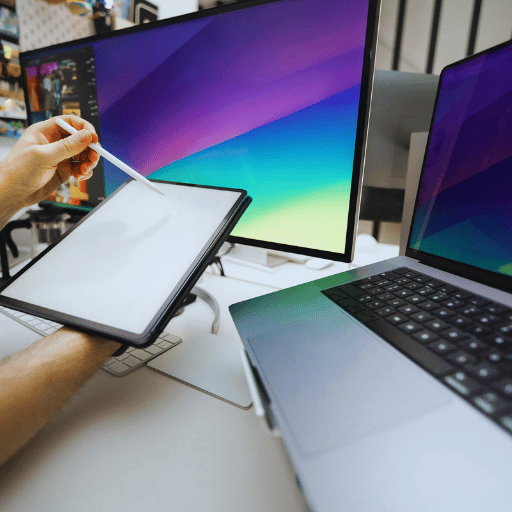
Consumer Electronics & Display Cover Glass
Mobiles smart device screens, tablet panels, creeper covers, portable computer touch panels. Chemically strengthened aluminosilicate (Coatings: Corning Gorilla 2000 and 6000 et al.) had become the de-facto norm as a combination of sacrifice thinness (0.4-0.7mm), scratch resilience and additional drop performance are required. SW Glass supplies OEM cover glasses in a range of non-250x350mm2 dimensions.
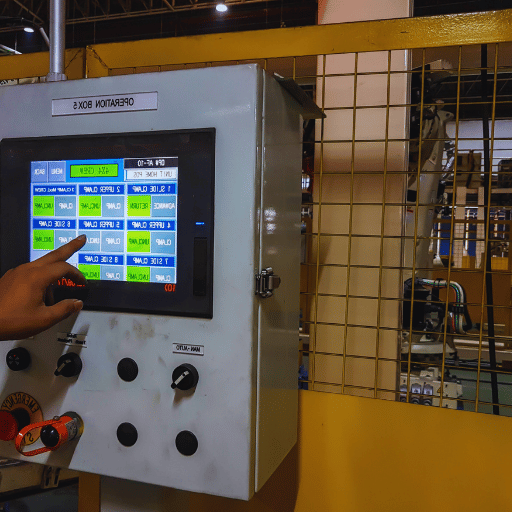
Industrial Touchscreens & HMI Panels
Industry Factory automation – PLC GIS, CNC machines. Environment with demanding 1.1-2.0mm thick, AG surface treatment for anti-glare and readability and chemical (chem) resistivity performance of coolant and cleaning wastes.
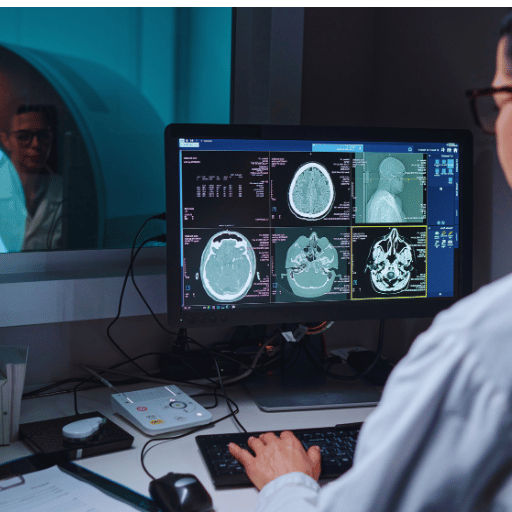
Medical Device Displays
Medical MRI scanning & hi-res video with sensor & surgical viewing ones. Critical environment requirements are biocompatibility, autopad sterilizes resistance, and AF surface coating for cleanliness. SW Glass: have a Medical devices biocompatibility report.
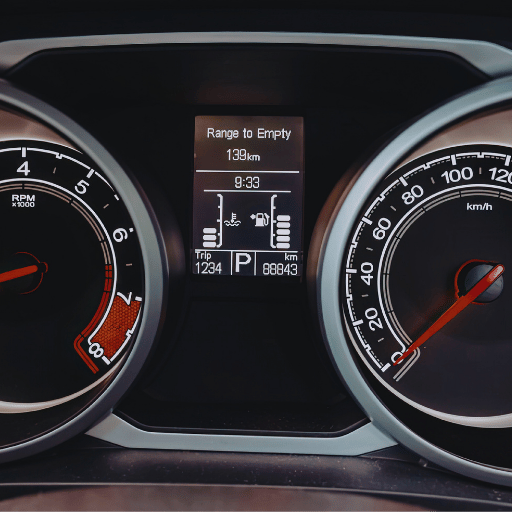
Automotive Instrument Clusters
Automative dashboard, infotainment screens, rear camera lenses, electric hatch controls. Automotive glazing need to perform in a 2-way range of: - 40C to 85C cabin temperature, both UV and non UV illumination, and undertake constantly either propeller or electromagnetic vibration. Aluminosilicate clearly performance advances; chemical strengthening eliminates core distortion over a thermal tempering process in curved instrument panels.
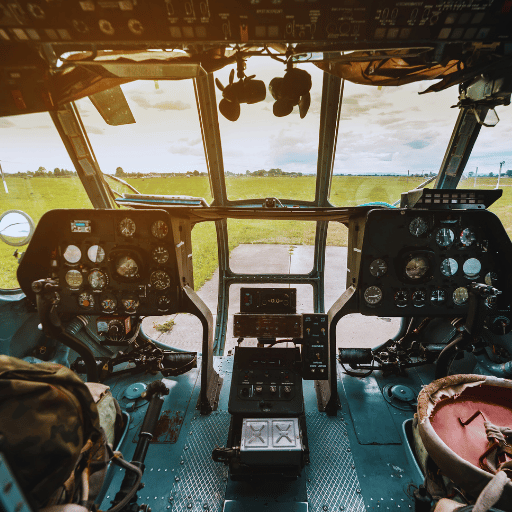
Aerospace & Defense
Cockpit display covers, cabin entertainment panels, drone camera windows, and interfaces for military hardware. aerospace applications stretch aluminosilicate glass to its limits—in the high-altitude pressure differentials, the extensive temperature cycling, and the vibration loads that aircraft see during every flight. Its high mechanical strength, low weight combination makes thin aluminosilicate glass a highly desirable part in the next-generation of avionics.
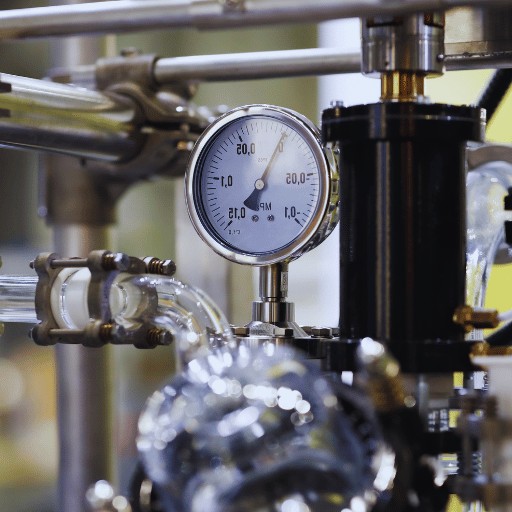
Laboratory & Industrial Gauge Glass
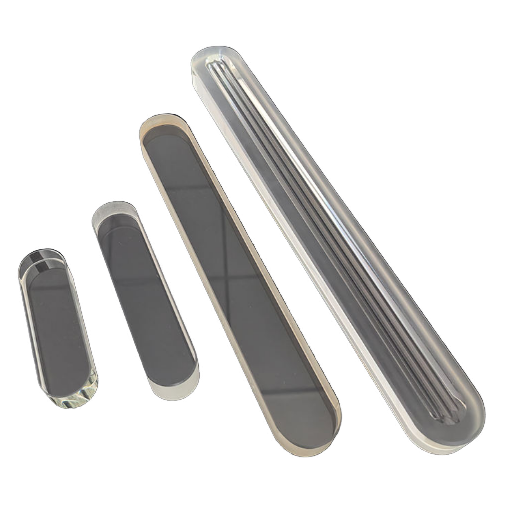
Level gauge sight glass, high-pressure boiler sight glass, thermometer enclosures, and observation windows for chemical reactors. Aluminosilicate glass provides the thermal stability (600C continuous) and chemical durability that laboratory and industrial process equipment demands. These applications are some of aluminosilicate glasses oldest and most established.
Technical Specifications & Glass Selection Guide
Choosing the right aluminosilicate glass configuration is largely driven by the environment it faces, the desired thickness of glass, and the surface treatments needed. Here is some real-world guidance based upon common project needs:
| Thickness (mm) | Typical Applications | Strengthening | Surface Treatment |
|---|---|---|---|
| 0.4–0.55 | Smartphone covers, wearable displays | Chemical (CS >600 MPa) | AF, AR optional |
| 0.7–1.1 | Tablet covers, POS terminals, medical devices | Chemical (CS >450 MPa) | AG, AR, AF available |
| 1.1–2.0 | Industrial HMI, automotive displays, marine | Chemical (CS >450 MPa) | AG etching recommended |
| 2.0–3.0 | Appliance panels, lighting fixtures, signage | Chemical or thermal | Silk screen printing |
| 3.0–4.0 | Gauge glass, high-pressure sight glass | Thermal tempered | Clear or AR coated |
| Treatment | Code | Key Benefit | Specification |
|---|---|---|---|
| Anti-Glare | AG | Reduces reflections in bright environments | Gloss 50–110, Haze 4–20, Ra 0.08–0.15 |
| Anti-Reflective | AR | Maximizes light transmission | Single side >94% T, Double side >98% T |
| Anti-Fingerprint | AF | Oleophobic coating for easy cleaning | Water contact angle 105° ± 5° |
| Silk Screen Printing | SP | Bezels, logos, icons, graduated scales | Black, white, multi-color, high-temp ink |
| ITO Conductive Coating | ITO | Enables capacitive touch sensing | 3–800 Ω/sq, custom patterns |
SW Glass: Your Aluminosilicate Glass Manufacturing Partner
Dongguan Saiwei Glass Co., Ltd (SW Glass) has over 10 years of dedicated experience in aluminosilicate glass processing for the electronic, industrial, medical, and automotive sectors. We operate three manufacturing plants with an end-to-end processing chain, controlling every stage from rawmaterial cutting, through final inspection and packaging.
Manufacturing Capabilities
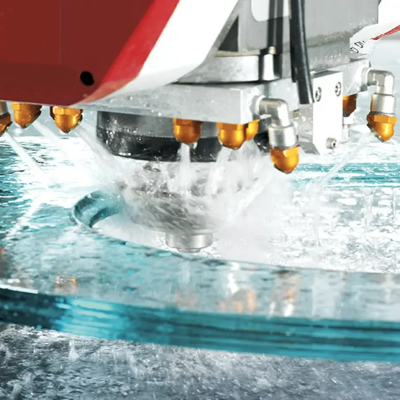
CNC Precision Cutting & Edging
Multi-axis CNC machining centers perform notch, shape, hole, and other step-glass profile manufacturing. Tolerance: 0.05 mm on critical dimensions.
Chemical Strengthening
KNO salt bath lines dedicated for high CS (>450 MPa) or deep DOL (>8m). Adjustable process settings for each application: increased CS for drop resistance, deeper DOL for scratch resistance.
Surface Treatment Suite
In-house, AG etching (single/double side), AR vacuum coating, AF plasma etching, ITO sputtering. All surface treatments performed on the same aluminosilicate glass precursor.
Silk Screen Printing
High temperature ceramic ink printing can survive chemical strengthening processes. Multi-color capability with accurate registration to 0.1mm.


Alkali-Aluminosilicate Glass Production Case Studies
Medical Device Display — Patient Monitor Cover Glass
A European OEM of medical devices required aluminosilicate cover glass for a bedside monitoring screen that could be easily read without glare under surgical lights, withstand repeated alcohol-hydrated wipe cleaning, and be biocompatibly certified near skin-contact environments.
Result:
Delivered AG-etched aluminosilicate glass with CS >450 MPa, Gloss 70±10, Haze 4.7, passing all biocompatibility requirements. Production volume: 5,000 units/month.
"The AG finish eliminated the glare issue our nurses reported on the previous generation. We have standardized on SW Glass for all new monitor platforms." — Product Development Manager, Medical Device OEM
Marine Navigation Display — Harsh Environment Cover Glass
An OEM of marine navigation devices needed aluminosilicate cover glass that could survive harsh chloride-laden sea air sprays, endure standard wide-temperature cycling (-20C to +70 C), and accept an multi-color silica screen print on a navigation instrument display. Prior day-glass had been delaminating along the print layer after 6 months in operation at high-sea level.
Result:
High-temp ceramic ink silk screen printing (4 colors: black, white, red, green) applied before chemical strengthening. Salt spray test passed 500+ hours per ASTM B117. Zero field failures after 18 months.
Industrial Crane Display — Heavy Equipment HMI Panel
An industrial manufacturing plant in need of cabin-mounted control panel touch screen aluminosilicate cover glass subjected to high vibration, dust and temperature variations, occasional tooling impact, and regular cleaning with alcohol wipes. Consumer-grade cover glass parts failed at 3 months after field deployment.
Result:
Chemical strengthened glass (CS >450 MPa) with vacuum packaging for transport protection. Panel survival rate increased from 72% to 99.6% at 12-month field check. Transmittance >89% maintained throughout service life.
Interactive Engineering Tools
Access our suite of advanced calculation and selection utilities specifically designed for aluminosilicate glass engineering.
Glass Thickness & Application Selector
Get a tailored recommendation for your aluminosilicate glass specification.
Open Tool
Chemical Strengthening Parameter Guide
Visualize how ion-exchange parameters affect compressive stress and depth of layer.
Open Tool
Glass Weight Calculator
Calculate weight for your glass specification with instant soda-lime comparison.
Open Tool
Frequently Asked Questions
What is the difference between aluminosilicate glass and soda-lime glass?
The main atributes are chemical composition, strength and thermal performance. Soda lime (most common glass, 90% glass production) contains about 72% SiO, 14% NaO and 10% CaO. Aluminosilicate replaces much of the sodium and calcium with about 16-25% aluminum oxide (AlO) structural modification. That gives you more than 3-5 times the scratch resistance, phenomenal thermal shock resistance (with stand rapid changes in temperature up to 200C), higher chemical durability (towards acids and alkali's) and a much more efficient chemical strengthening process.
Can aluminosilicate glass be customized for specific applications?
Sure. OEM manufacturers like SW Glass offer CNC cutting to any shape, thickness from 0.4-4.0 mm, AG/AR/AF coatings, multi-color silk screening, hole drilling, and chemical strengthening. Minimum orders are typically 100-500 pieces.
Is aluminosilicate glass scratch resistant?
Yes, it scores 6.5-7 on the Mohs hardness scale before strengthening. After chemical strengthening and optional coatings, scratch hardness above 8H pencil hardness can be achieved.
How does the ion exchange chemical strengthening process work?
In ion exchange strengthening, the glass is floated in a salt bath of molten KNO heated to around 400-450C. At this temperature, larger potassium ions from the salt bath diffuse into the glass surface and replace the smaller sodium ions already present within the glass network structure. Because potassium ions are roughly 30% larger in diameter, they physically crowd into the space previously occupied by sodium, generating a compressive stress layer across the entire glass surface. This compression layer serves as glass armor, as any crack must successively battle this initial potassium shell before it can continue its journey inward. Processing time typically ranges from 4 to 8 hours depending on the target depth of layer and compressive stress values required for each specific application.
What is the typical lead time for custom aluminosilicate glass orders?
For standard specifications (common thickness, rectangular profiles, single-color printing), typical lead times of 7-15 business days after design approval is common. Custom specifications (irregular shapes, multi-color printing, AR + AG + AF coatings, dosing tolerances) may demand 15-25 or more business days. Prototype and sample orders can often ship within 5-7 days. SW Glass can keep inventory of the most popular aluminosilicate stock glasses ready to ship.
Are aluminosilicates natural or synthetic?
Aluminosilicates naturally occur as mineral deposits in the world even in the naturally occurring proportions (sodium is also abundant). Examples are feldspar, zeolution, and clay minerals. The aluminosilicate glass used in display cover production and industrial form is all manufactured synthetically by the industrial melting of controlled proportions of silicon dioxide, alumina, alkaline and alkaline earth oxides (sodium, potassium, magnesium, calcium) and other dopants (borates, phosphates, etc.) at around 1500C into a controlled sheet or shape of glass.