Get in Touch with Saiweiglass


Industrial HMI Glass Solutions
Industrial HMI Glass for Rugged Touch Displays and Custom Cover Lenses
If your panel PC, PLC terminal, charging interface, machine control, or SCADA screen fails in oil, glare, vibration, impact, or aggressive cleaning cycles, the issue is often not the LCD. It is the cover glass stack-up. Saiwei Glass manufactures custom industrial touch screen glass and HMI cover lens components for programs that need a tougher front surface, cleaner optical performance, and production-ready processing.
We focus on the part that engineers keep revising late in the project: the glass panel itself. Our scope covers outline cutting, CNC profiling, drilling, silk-screen printing, tempering, surface treatment, and the project details that make a rugged display glass assembly easier to integrate into real equipment.
Request an HMI Glass Quote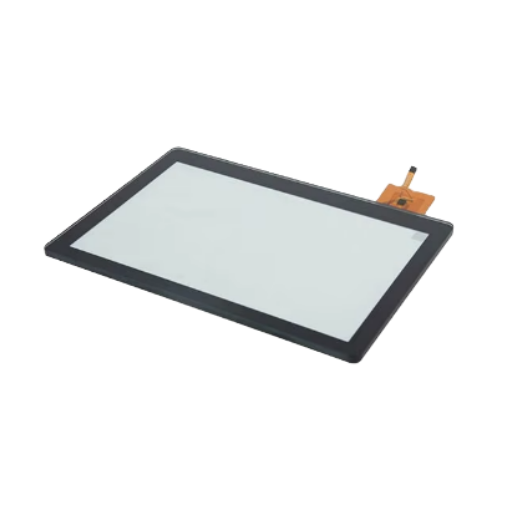
0
Established
0+
Technicians
0+
Equipment Sets
0M+
Annual Capacity
What Industrial HMI Glass Needs to Do in Real Factory Environments
A consumer touchscreen can look fine on a bench and still fail quickly on a plant floor. Industrial applications ask much more from the glass panel in front of the display.
Environment
Harsh environment exposure
Industrial HMI projects often run in dust, splash, oil mist, detergent wipe-down routines, direct sunlight, glove use, and wide temperature changes. In practice, the glass design has to protect the display without making the touch screen harder to read or operate.
- Need readable performance under bright ambient light
- Need stable touch behavior with gloves or wet fingers, depending on the stack-up
- Need reliable ink windows, border hides, and edge finish quality for assembly
Integration
More than just a sheet of glass
An HMI cover lens usually serves as both a structural and visual interface part. It has to match the industrial display, fit the panel mount opening, preserve optical clarity, and work with downstream touch sensor or bonding processes.
- Mechanical fit: outline, hole position, notch geometry, thickness consistency
- Visual fit: black border, icon printing, logo, sensor windows, camera windows
- Functional fit: anti-glare, anti-reflective, anti-fingerprint, or conductive layers
Custom HMI Cover Lens Options for Industrial Displays
Saiwei Glass positions itself as a custom manufacturer, so the page should make it easy for buyers to understand which variables are flexible and which ones require up-front confirmation. At its core, the offer is custom industrial touch screen glass and custom cover glass processing rather than a fixed catalog SKU.
Surface
AG / AR / AF treatments
Anti-glare glass helps scatter surface reflections. Anti-reflective treatments reduce reflected ambient light. Anti-fingerprint layers help touch surfaces stay cleaner in use. For industrial monitors in sunlight or overhead factory lighting, readability is often the deciding factor between a usable interface and a bad one.
Structure
Holes, cutouts, & edge processing
Industrial HMI cover lens parts often require CNC shaping, drilling, profiling, corner control, and precise cosmetic edge quality. It matters when the panel sits next to gaskets, metal bezels, membrane keys, cameras, or indicator windows.
Appearance
Printing and hidden areas
Silk-screen printing turns plain glass into a finished interface part. Border masks, logos, icons, dead-front windows, and instruction marks can all be integrated into the glass panel so the front of the HMI looks consistent across the whole product line.
Material
Tempered or chemically strengthened
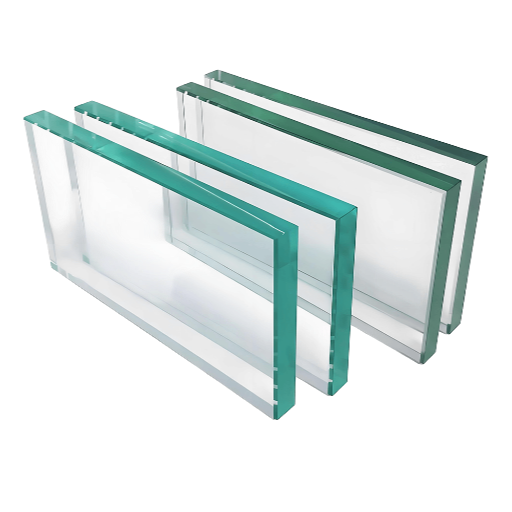
The right route depends on thickness, shape, impact target, edge detail, and downstream assembly. For ruggedized programs, engineers usually compare impact behavior, process limits, and how the glass will be mounted before choosing a strengthening path.
Touch
PCAP and bond compatibility
When a project uses a capacitive touchscreen stack, the cover glass cannot be treated as an isolated cosmetic part. Thickness, ink layout, conductive layers, and flatness can all affect the final integration. Put simply, the glass has to fit the display system, not just the drawing.
Electrical
ITO & special functional layers
Saiwei’s company presentation also highlights ITO coating glass. That keeps the page relevant to customers evaluating EMI-related requirements, smart control panels, and specialized industrial display applications where glass needs more than decorative value.
Rugged Display Glass, IK Ratings, and What IK10 Really Means
IK10 glass is a great keyword, but its also one of the easiest way to oversimplify a project. IEC 62262 specifies the IK code for protection against outside mechanical impact. In reality, the final IK rate belongs to the configuration « enclosure or assembled equipment » that has been tested, not all bare glass panel sold as a part.
This distinction matters. Rugged display glass can fail or pass depending on the glass thickness, edge condition, backing support, adhesive system, gasket compression, bezel geometry, impact point, and the way the LCD or touch screen sits behind the cover glass.
Design Variable
Why It Matters for Impact Performance
What Buyers Should Confirm
Glass thickness
Changes stiffness, break pattern, and overall rugged behavior
Nominal thickness, tolerance, and whether optical requirements limit changes
Strengthening route
Tempered and chemically strengthened glass behave differently in processing and use
Preferred process, shape constraints, and end-use test target
Edge and corner finish
Edge quality strongly affects crack initiation under impact
Chamfer, radius, polished edge, and hole-to-edge distance
Mounting method
Unsupported spans and rigid clamp points can shift failure behavior
Panel mount structure, gasket, tape, or frame support details
Display stack-up
Touch sensor, air gap, or bond layer can change load transfer
Cross-section or layered drawing before sampling
For that reason, a responsible supplier should not promise an IK10 result with no stack-up review. In practice, the better approach is to support a project toward a target impact level, then align the glass panel design with the enclosure and verification plan. For many industrial applications, that is far more useful than dropping “IK10” into a catalog line with no engineering context.
When rugged really matters
Outdoor HMI, mobile equipment, factory terminals, and interfaces exposed to tools or carts usually need a more serious impact review.
When optics matter more
Some indoor industrial monitors may prioritize anti-glare, anti-reflective performance, or a cleaner display appearance before maximum impact target.
Typical Industrial HMI Applications We Support
Industrial applications do not all need the same cover glass. A CNC machine interface, a washdown operator panel, and an outdoor charging control screen can all require different solutions for the glass, display, touch screen, and appearance layer.

Automation
Machine control HMIs
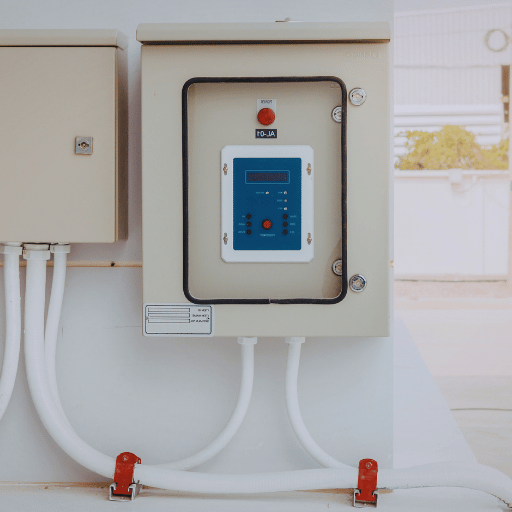
Panel mount interfaces for automation equipment usually need durable cover glass, high-contrast printed borders, and good readability near overhead lighting and metal surroundings.

Factory
Panel PCs and industrial monitors
These projects often combine capacitive touchscreen requirements with mechanical mounting, operator glove use, and enclosure reliability. Flatness and dimensional control become especially important here.
Outdoor
Charging and interface terminals
Outdoor or semi-outdoor systems typically care more about sunlight readability, anti-glare performance, and impact exposure. Here is where rugged display glass discussions become practical rather than cosmetic.

Medical
Clean front panels
Saiwei’s materials show experience in medical display-related applications. Those projects often require careful printing quality, easy-clean surfaces, and stable cosmetic appearance.

Smart Control
IoT and building controls
Smaller HMI glass panel programs often need branding, icons, touch windows, and decorative finishes that still keep a professional-grade look in service.
Custom
Project-specific cover lens development
Some buyers do not need a finished monitor. They need a manufacturer that can produce the glass component to match an existing housing, LCD, or capacitive touchscreen architecture.
HMI Glass RFQ Checklist: What to Confirm Before Sampling
Teams usually get faster samples when they provide fewer marketing adjectives and more real inputs. If the target is a custom industrial touch screen glass part, these are the details worth confirming early.
01
Application
Final use case: indoor industrial monitor, outdoor HMI, medical front panel, or another application
02
Dimensions
Display size and active window dimensions
03
Panel Specs
Overall glass panel outline, thickness, and tolerance priorities
04
Cutouts
Hole, slot, notch, or camera or sensor window details
05
Touch Tech
Touch architecture: capacitive touchscreen, resistive, or glass only
06
Surface
Surface request: anti-glare, anti-reflective, anti-fingerprint, easy-clean, or no treatment
07
Durability
Impact target: basic rugged use, project-level IK requirement, or no impact target yet
08
Mounting
Mounting method: frame clamp, tape, gasket, adhesive, or other panel mount structure
09
Printing
Printing layers: border, icons, logo, hidden windows, transparent windows
10
Timeline
Expected build stage: concept sample, pilot run, or volume manufacturing
One practical rule:
if a buyer can share a cross-section drawing or at least a stack sketch, the supplier can usually give a much better recommendation on cover glass, bond compatibility, and impact risk. Sharing a section view saves more time than debating whether to call the part “cover glass” or “cover lens”.
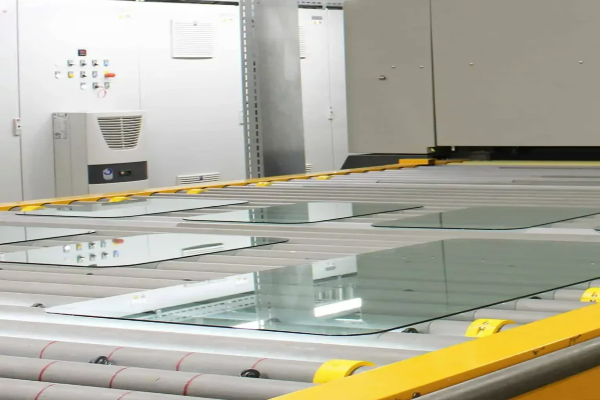
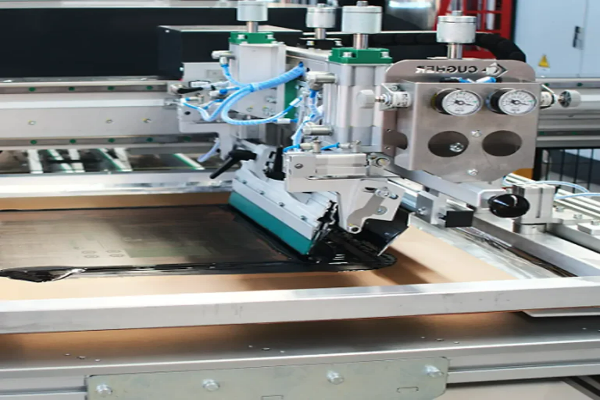
Inside Our Manufacturing Facility
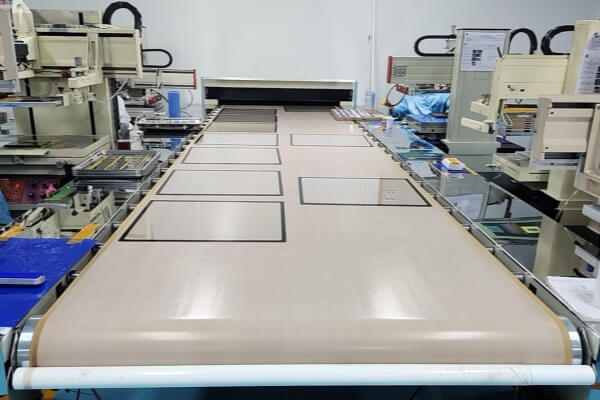
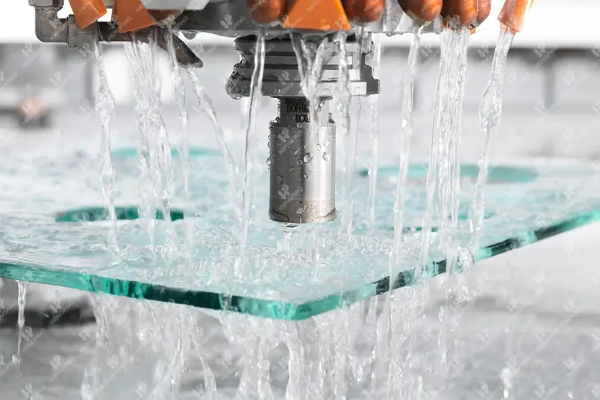
Precision HMI Glass Production & Quality Control



Why Saiwei Glass Fits Display Cover Glass Programs
Industrial manufacturing orientation
The company presentation is built around industrial touch, medical, automotive, smart access, and appliance glass applications. For industrial HMI buyers, that matters because they usually want a supplier already familiar with display-facing parts, not a general decorative glass processor.
Process breadth under one roof
Cutting, CNC processing, printing, tempering, coating, and inspection appear as core capabilities in Saiwei’s materials. Those capabilities support custom glass programs where lead time slips happen if the supply chain is fragmented.
Quality signals buyers can verify
ISO9001, EN12150, and listed quality control practices are more meaningful than vague quality claims. They give engineering and procurement teams a clearer path for supplier evaluation.
Useful fit for project-based inquiry
This page is strongest when it converts drawing-led inquiries. If your team already knows the screen size, housing opening, or touch stack, Saiwei can evaluate the manufacturing route much faster than a catalog-only seller.
In rugged HMI work, the winning supplier is usually not the one who says “yes” fastest. It is the one who asks the right questions before the first sample. Projects avoid broken corners, bad window alignment, glare complaints, and late-stage enclosure rework when those questions are handled early.
Send drawing-ready inquiries
Need a Custom HMI Cover Lens or Rugged Display Glass Part?
If you already have a panel size, housing opening, or stack-up drawing, we can review the glass panel route before sampling. Usually, this is the fastest way to move from concept to a manufacturable industrial touch screen glass part.
HMI Engineering & Specification Tools
Simplify your custom cover glass technical verification
HMI Glass Stack-Up Selector
Use this quick selector to frame the most likely custom cover glass direction before sending a drawing.
IK Risk Checker for Rugged Display Glass
This tool does not certify a rating. It helps you decide whether your project needs a deeper impact review before sampling.
Industrial Display Coating Selector
Match the surface treatment discussion to the real operating condition instead of defaulting to a generic spec sheet.
Frequently Asked Questions
Normal display cover glass may be enough for indoor light-duty use, while industrial touch screen glass is usually selected around environment, mounting, cleaning, impact risk, and integration with the touch screen or display stack. At first glance, the part itself may look similar, but the project requirements are usually far stricter.
Yes. The page is built around custom cover glass and cover lens supply, not complete monitor sales. Many OEM buyers already have their LCD, touch sensor, or controller strategy and only need the front glass component.
Not necessarily. IK ratings are tied to the tested equipment or enclosure configuration. Bare glass parts, the bezel, the adhesive method, and the support structure all affect the result. Suppliers can support a project toward an IK target, but the final rating should follow the applicable assembled test method.
Common requests include anti-glare, anti-reflective, anti-fingerprint, easy-clean surfaces, strengthening, and project-specific printing. Selection depends on whether the priority is sunlight readability, touch feel, appearance, cleanability, or impact performance.
Yes, but the glass thickness, printing area, stack-up, and final bond path need to be reviewed together. PCAP projects are usually easiest when the buyer shares a section view or at least the sensor and display concept early in the discussion.
Fast RFQ packages usually include overall dimensions, thickness target, active window size, hole or slot drawings, printing requirement, application environment, and whether there is any IK, readability, or touch sensitivity target.
Company materials show experience with multiple cover glass workflows and a 7-inch to 42-inch cover glass manufacturing flow. Actual workable range still depends on geometry, process route, and project details, so quote review is the right next step.
Because many industrial monitors operate under bright overhead light or in semi-outdoor conditions. If the glass behaves like a mirror, the display becomes harder to read. Anti-glare and anti-reflective strategies are often the simplest way to improve usability without changing the whole display system.