Get in Touch with Saiweiglass


Touch Screen Glass
Touch Screen Glass Engineered for Performance — Custom Solutions from China
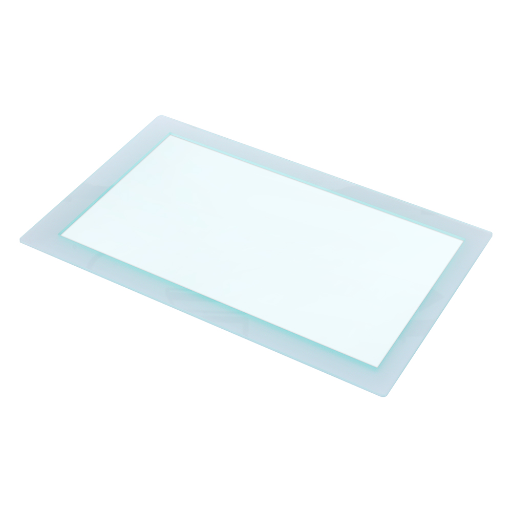
High clarity and extremely durable touch screen glass that is customized to your specifications. At our factory, we combine ITO conductive coatings, chemical tempering, and fine optical bonding for capacitive and resistive touch panels in kiosks, HMI systems, medical monitors, and consumer devices. The products are offered at factory-direct wholesale prices, minimizing costs and time required for prototyping.
- ISO 9001 Certified
- RoHS & REACH
- MOQ 1 Piece
- 3-Day Sampling
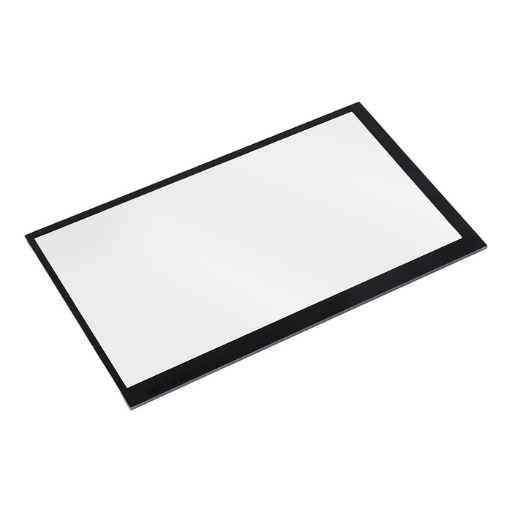
What Is Touch Screen Glass and How Does It Function in an LCD Display Panel?
Touch screen glass is the transparent material that covers an LCD screen and records the user's swipe, tap, and multi-touch gestures without compromising display quality and optical clarity. In most LCD display panel assemblies, the touch glass functions as the both a mechanical protector and electrical interface, and when conductive coatings like indium tin oxide (ITO) are added, these layer ITOs create electrodes that respond to changes in capacitance (or resistance) when a finger or stylus touches the surface.
In touch screen glass, the ideal combination of materials and designs provide the optimal balance of touch responsiveness, clarity and the electrical functions of either a resistive or capacitive touch screen technology to ensure users receive consistent responsive touch screen interactions in consumer electronics, tablets, displays and industrial touch screen displays.
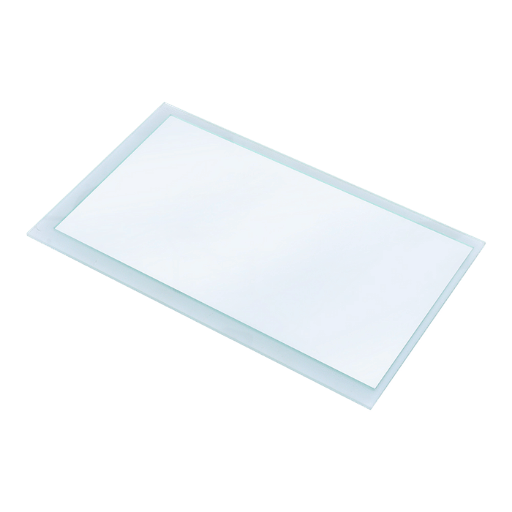
Key Functions of Industrial Touch Screen Glass
Mechanical Attributes
Protects the above LCD from scratches, impacts, and debris while also providing efficient optical clarity through the surface.
Electrical Attributes
Touch screen devices use ITO (Indium Tin Oxide) coatings to allow touch sensitivity (both capacitive and resistive) through the glass.
Optical Attributes
Glass Anti-Reflection (AR) coatings combined with low iron glass and properly designed glass thickness help to achieve very high (greater than 92%) light transmission.
Experience
Improved tactile response and reduced screen smudging due to Anti-Fingerprint (AF) and oleophobic coatings on interactive touch screens of tablets, kiosks and monitors.
Sensor Customizations
Integrated ITO (Indium Tin Oxide) patterning and ITO routing for touch screen devices that use capacitive, resistive and multi-touch detection technologies.
Durable Materials
Enhanced chemicals, Tempered glass and protective coatings for specific devices to prevent damage from heat, moisture, and UV light.
Touch Screen Glass Coatings & Optical Filters : AG, AR, AF & ITO Solutions
Touch screen glass coatings and filters offer a varied selection of anti glare, anti reflective, anti-fingerprint, anti-smudge, UV protection, and touch screen privacy filters that will suit the ecosystem and the end user needs. Choosing the right mix of coatings and filters will augment user experience and safeguard the LCD display behind the touch screen glass.
| Coating Type | Technology | Key Performance | Best Applications |
|---|---|---|---|
| AG Anti-Glare | Chemical etching process | 25–65 GU gloss reduced diffuse reflection | Industrial HMI, outdoor kiosks, medical monitors |
| AR Anti-Reflective | Multi-layer vacuum deposition | >98% transmittance <0.5% residual reflection | Automotive displays, consumer electronics, tablets |
| AF Anti-Fingerprint | Oleophobic nano-coating | >110° water contact angle easy-clean surface | Smartphones, retail kiosks, medical touchscreens |
| ITO Conductive | Magnetron sputtering | 10–300 Ω/sq transparent conductive film | Capacitive touch sensors, PCAP panels |
| UV Filter | Optical filter integration | UV400 blocking blue light reduction | Medical displays, prolonged-use monitors |
| Privacy Film | Micro-louver technology | 60° viewing angle restriction | ATMs, POS terminals, banking applications |
| Hard Coat | Sol-gel / PVD coating | 9H pencil hardness surface protection | High-traffic kiosks, industrial panels |
Advanced Technology In Touch Screen Glass: ITO, Conductive Films & Thin Film Innovation
Touch screen glass panels are manufactured using advanced low iron glass, ITO conductive coatings, laminated adhesives, optical filters, and innovative advanced coating chemistries to ensure excellent transparency, durability, and touch responsiveness while being eco-friendly.
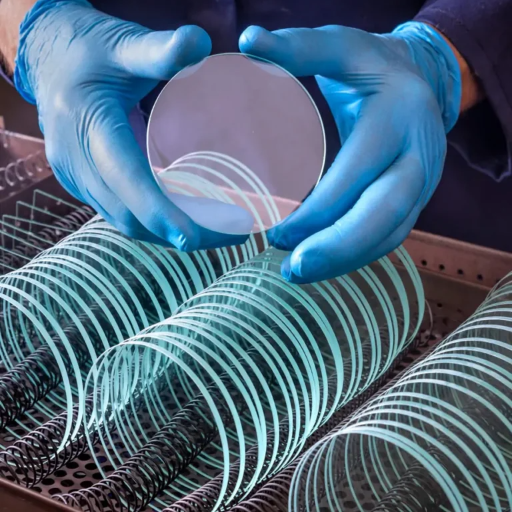
ITO Sputtering & Conductive Films
First-class vacuum precision deposition for conductive films, sheet resistance from 10 to 300 Ω/sq, specialized large-format and flexible applications using silver nanowire and metal mesh alternatives.
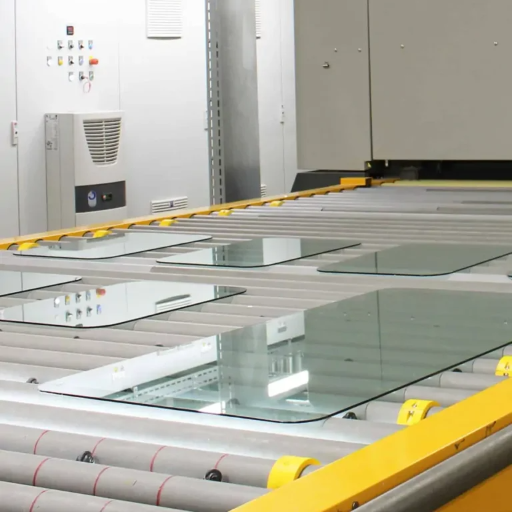
CNC Precision Cutting
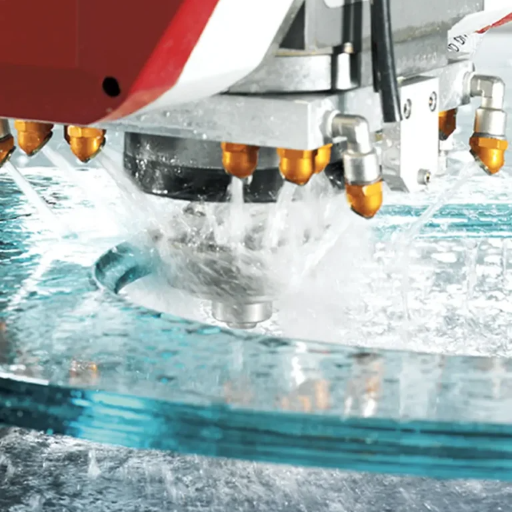
Complex shapes, cutouts, and chamfers with custom edge profiles, tolerances of ± 0.05 mm. Waterjet and laser cut heat-sensitive substrates and glass < 0.7 mm.
Chemical Strengthening
Ion exchange using molten KNO₃ salt and KNO₃ at 380 to 420°C producing a compressive stressed layer of 500 to 900 MPa, depth of 20 to 100 um for impact and scratch resistant surfaces.
Optical Bonding
Structural rigidity and air gap elimination for improved contrast and reduced reflection from OCA and LOCA lamination, essential for outdoor and automotive displays.
Multi-Color Silk Printing
Silk UV/IR printing in 6 colors with Pantone matching, gradients, logos, icons. Meets ASTM D3359 5B standards for adhesion.
FPC & ACF Bonding
Integration of flexible printed circuits through anisotropic conductive film (ACF) bonding. Provision of fully assembled touch modules inclusive of controller ICs and signal routing.
Solutions For Touch Screen Glass Durability: Hardness, Impact Resistance, Scratch Protection
The durability of touch screen glass is achieved through modifications to the chemistry of the glass, the process of glass tempering, and various glass coatings that improve the glass's hardness, impact resistance and scratch resistance for challenging consumer, industrial and automotive applications.
Chemical Strengthening
The processes of chemical tempering and ion-exchange create harder surfaces (7+ on Mohs) and great compressive stresses. This prolongs the life of touch panels in cellular phones, tablets, and rugged monitors.
Tempered Glass
Chemical and thermal tempering of glass increases the surface compression to resist scratches and impacts. Glass that is EN 12150 compliant can endure and survive the mechanical and thermal cycles present in an industrial setting.
Laminated Glass
The use of vinyl butyral (PVB) or clear adhesive in the laminate layer of the glass prevents glass from shattering and retains glass fragments for interactive kiosks, outdoor displays, and vehicle dashboards.
Protective Coatings
Protective films, hard coatings, oleophobic and anti-finger print coatings, and other surface treatments help protect the coating from UV, and oil exposure while ensuring that the touch panel surface remains clear and functional.
OEM Touch Screen Glass Sourcing Pain Points & How Our China Manufacturer Solves Them
Custom touch screen glass sourcing overseas is challenging for procurement managers and R&D engineers. Here is a direct manufacturing capability solution for each challenge.
01
Selection Touch Technology Confusion
Not sure if your application requires capacitive, resistive, or hybrid touch technology? The material selection adds complexity, such as Gorilla Glass vs. soda lime.
✅ Glass, ITO specs, and sensor architecture optimized for your specific application are recommended in a free DFM consultation with comparison data
02
Rigid Wholesale Suppliers With High MOQs
Most wholesale touch glass suppliers require 500+ piece minimums. This is a huge barrier for prototyping and small-batch R&D validation efforts.
✅ Prototypes with stock substrates have MOQs of 1. Custom production is available for as few as 50 pieces.
03
Long and Unpredictable Lead Times
Working with overseas glass manufacturers causes slow prototyping and missed deadlines, derailing product launches.
✅ 3-day stock sample delivery. 7–10 days for custom prototypes. Real-time production and logistics tracking, with a personal PM.
04
Batches Quality Inconsistency
Assembly failures and field reliability issues are caused by variations in the uniformity of ITO coatings, glass flatness, and coating adhesion.
✅ ISO 9001 QMS alongside 4-stage inspection (IQC→IPQC→FQC→OQC) with batch traceability and automated optical inspection.
05
Compliance and Certification Documentation Issues
Medical, automotive, and EU clients require RoHS, REACH, UL, or IEC 60601 compliance which numerous vendors are unable to offer.
✅ With each order, complete compliance documentation. UL, IEC 60601, IATF 16949, FCC support available on request.
06
No Engineering or Customization Support
Need custom cutouts, camera holes, silk screen printing, bespoke ITO patterning — but your current supplier only provides catalog items.
✅ Full in-house services: CNC cutting, laser engraving, silk screen printing, optical bonding, FPC integration, in any shape.
07
Shipping Glass Breakage
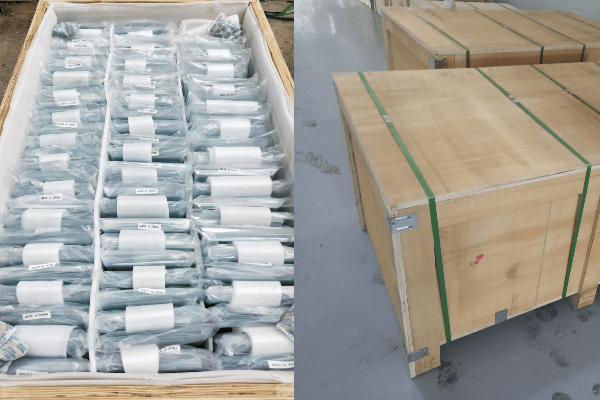
Touch screen glass panels arrive damaged because of careless manufacturers' poor packaging.
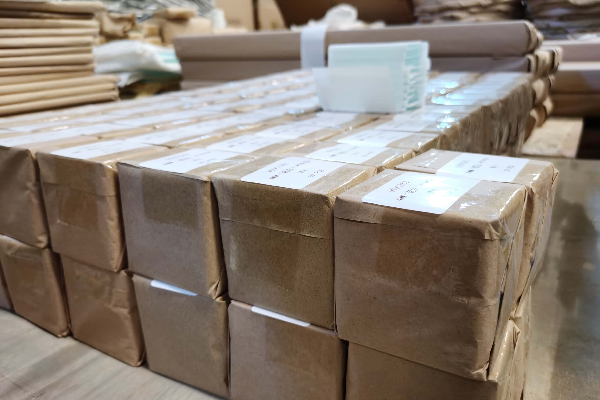
✅ Custom foam-cavity packaging, protective film on every piece, and edge protection. Insured shipping with a 99.8% safe arrival rate.
08
No Warranty or After-Sales Support
Some manufacturers disappear after payment. No RMA, replacement, or integration technical support.
✅ Full warranty on manufacturing defects, RMA, technical support, and firmware/hardware change retesting.
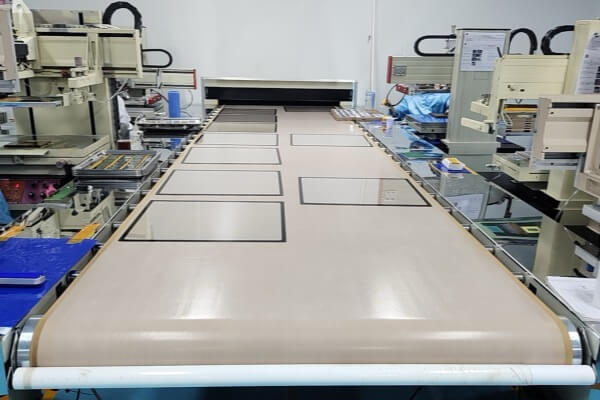
Smart Manufacturing: A Deep Dive into the Touch Screen Glass Factory
×
![Enlarged View]()
Why Choose Saiwei as Your Touch Panel Glass Supplier?
Integrating technology, production, and customer service. Our custom touch screen glass offerings deliver value and innovation.
80,000 m² Capacity
Massive factory space in Heyuan and Henan with Clean Rooms for precision Coating.
In-House Production
One-stop shop: AG/AR/AF Coating, CNC Cutting, Chemical Strengthening.
Expert Engineering
English-speaking engineers assist with DFM and integration from day one.
Strict Quality Control
ISO 9001 Certified. 100% Inspection with full lot traceability.
Rapid Prototyping
Prototypes in 3-5 days. Flexible MOQ from 5 units to 100k+ mass production.
Global Logistics
Serving 500+ B2B clients in NA, EU, and Asia with reliable shipping.
Interactive Selection Tool
Touch Screen Glass Selection Advisor
Answer 4 quick questions about your project. We'll recommend the optimal glass material, coating, and specifications.
1/4
1
What Is Your Application Industry?
Select the primary industry for your touch screen glass.
Next Step
2
What Is the Operating Environment?
Select the primary environment where the glass will be used.
Back
Next Step
3
What Is Your Top Performance Priority?
Choose the most important characteristic for your application.
Back
Next Step
4
What Is Your Expected Order Volume?
This helps us recommend the most cost-effective material.
Back
Get Recommendation
Recommendation Complete
Detailed Specifications
| Parameter | Specification | Notes |
|---|
Request a Quote
Start Over
Touch Screen Glass Tools & Resources
Calculator Tool
Glass Thickness & Weight Calculator
Quickly calculate the weight and optimal thickness for your touch screen glass based on dimensions and material type.
Use Calculator
Comparison Guide
AG vs AR vs AF vs ITO Coating Comparison
Compare anti-glare, anti-reflective, anti-fingerprint, and ITO coatings side by side to find the best match for your application.
View Comparison
Custom Touch Screen Glass Manufacturing: Customer Success Case Studies
Case Study 1: Biocompatible Touch Screen Glass for Medical Devices for a US OEM
IndustryMedical Devices - Surgical & Patient Monitoring
Client ProfileFDA-registered medical devices manufacturer in the USA for surgical navigation and bedside patient monitoring devices
Products ProvidedBiocompatible cover glass with anti-fingerprint coating (AF coating), chemical strengthening and custom edging
Core KeywordsMedical device touch screen glass, biocompatible glass, cover glass for medical devices, AF coating glass, chemically strengthened glass
The Problem
The client, who was working on the FDA 510(k) for a new surgical navigation display, needed a cover glass manufacturer for the cytotoxicity and irritation and sensitization (iso 10993-5 and iso 10993-10) compliant glass, as he/she was about to submit the FDA 510(k) application. The previous cover glass that was obtained from a domestic distributor, was lacking biocompatibility documentation, which had become a regulatory bottleneck, and was about to delay the product launch by 4 to 6 months.
In addition to regulatory compliance, the clinical environment added additional technical specifications. For example, the need to provide a glass screen with reliable capacitive touch response, even when the surgeon’s gloves are on. The screen must be able to be cleaned multiple times using a hospital grade disinfectant (quaternary ammonium compounds, enzymatic cleaners, hydrogen peroxide wipes, etc.) without the screen smudging or glazing from the disinfection wipes by the clinical staff. The previous screen provided by the client exhibited micro-scratches and coating failures at 500 touches, well below the quality team’s 5000 touch minimum requirement.
The customer additionally required custom chamfered edges so there would be no risk of gloves being torn, which their previous vendor would not meet without a significant increase to the per unit cost.
Our Answer
1
The Certification and the Documentation for the Biocompatibility
For this, we received the ISO 10993-5 and 10993-10 reports for the glass substrates and AF coating from Saiwei Glass’s standard. Saiwei Glass’s reports were from accepted third parties, thus removing the regulatory block within 5 days. In addition, the quality team created and provided a complete material traceability package to the client as well, for the purposes of the FDA submission.
2
Engineering of Anti-Fingerprint Coating
We implemented our vacuum deposited anti-fingerprint and oleophobic coating, which provides a water contact angle of over 110°, even after 5,000+ abrasions per steel wool (0000 grade) rubbing test. The coating diminishes the visibility of fingerprints and greatly simplifies the cleaning process, which is a crucial feature of the coating in surgical environments, where screens need to be cleaned in between procedures. Additionally, we tuned the coating parameters to improve touch sensitivity for operations with nitrile gloves. We also collaborated with the client’s firmware team to ensure that capacitive touch controllers were able to recognize touches through the coated glass.
3
Finishing of Glass Panel Edges
All glass panels received chamfered edges on all four sides with a chamfer of 0.3mm x 45°, and all were polished to ensure that there were no micro-burrs that could snag surgical gloves. This was done on the edges after chemical strengthening to ensure that the compressive stress layer on the edges of the glass remained intact, which is a process that is overlooked by many manufacturers leading to loss of edge strength and chips.
Results & Impact
Due to our guidance, the client was able to submit their FDA 510(k) within the designated timeframe, and our biocompatibility paperwork was accepted with no questions. Slip + C engagement, the surgical navigation display was cleared and deployed clinically at 3 major US hospital systems within 8 months. The AF coating surpassed their expectations, with field reports stating display clarity was excellent even after 12 months of daily surgical use.
“Saiwei Glass provided us with biocompatibility documentation that was more extensive than other vendors we have evaluated in the past. Their AF coating is truly surgical-grade, our clinical users rave about how easy the displays are to clean in between cases. Saiwei is our exclusive vendor for patient-facing display glass.”
Technical Specifications Supplied
| Glass Material | Aluminosilicate glass, 0.7 mm thickness |
| Chemical Strengthening | Ion exchange: CS 750 MPa, DOL 45 μm |
| AF Coating | Vacuum deposited oleophobic, water contact angle > 110°, 5,000+ cycle durability |
| Edge Finishing | CNC chamfer 0.3 mm × 45°, polished, all edges |
| Biocompatibility | ISO 10993-5 (cytotoxicity) and ISO 10993-10 (irritation/sensitization) certified |
| Size | 12.3″ (273.4 × 169.5 mm), with custom cutouts for sensor integration |
| Tolerances | Dimensional: ±0.05 mm; Thickness: ±0.03 mm |
| Monthly Volume | 3,500 pieces |
Case Study 2: High-Volume Touch Screen Cover Glass for a Global Smart Home Panel OEM
IndustrySmart Home & IoT — Home Automation Control Panels
Client ProfileA leading Chinese smart home technology firm engaged in the mass production and export of wall-mounted control panels to North America, Europe, and Asia (500,000+ units/year)
Products DeliveredTouch screen cover glass ultra-thin with AF coating, precision silk screen, and high-volume production
Core Keywordssmart home control panel glass, touch screen cover glass, custom touch screen glass OEM, cover glass panel supplier
The Challenge
The client has some of the fastest growing demand for smart home wall panels worldwide, leading to production scaling of 120,000 units per year to a target of 500,000+ units per year. The client was also having significant quality control issues within their supply chain which was set up with three different small-scale glass processors. The client was suffering a 4.5% defect rate within their supplier base from screen printing misalignment defects, AF coating inconsistencies, and dimensional variation from supplier to supplier which caused the assembly line to stop.
The client needed their product design to achieve a sleek aesthetic by including a glass cover as thin as 0.55 mm. Other design elements required the cover glass to come in glossy black and matte white configurations therefore their supply chain team needed a single fully qualified vendor who could manage the entire annual volume at a consistent 3 week lead time.
Our Answer
1
Production Line Dedication & Capacity Planning
To meet this client’s needs, we committed a production line to this glass at our Henan facility. This means no changeover delays and all tooling, printing screens, and coating parameters are dedicated to our client’s specifications. Additionally, our production planner created a model that forecasts the next 12 weeks and is designed to match the client’s assembly line. This means accurate and on time deliveries to glass that allows our client to reduce glass inventory costs by over 30%.
2
Processing Ultra-Thin Glass
Glass measuring 0.55 mm is quite difficult to handle during processing. Breakage is significantly more common when cutting, grinding, and coating glass compared to handling 1.1 mm or 2.0 mm substrates. Our process engineering team created vacuum-assisted handling fixtures, and we fine-tuned several CNC cutting parameters specifically for ultra-thin substrates, decreasing within process breakage from 8% to 1.2% in less than a month. In addition to these adjustments, we were able to modify our chemical strengthening recipe for the thinner glass to achieve a surface compressive stress (CS) of 500 MPa and a depth of layer (DOL) of 25 μm. This is more than adequate for the mechanical challenges of wall-mounted applications, and helps to avoid excessive warping in ultra-thin glass that stronger chemical strengthening can cause.
3
Dual-Finish Silk-Screen Printing
For the glossy black and matte white SKUs, we created two unique setups for silk-screen printing. The black finish demanded a two-pass printing technique (one for primer and the other for topcoat) to meet the client’s design team specifications for opacity. There shouldn’t be any light bleed issues, and the design team would recommend backlight testing to be sure. For the matte white finish, we used a specific ink filled with ceramic that the client’s brand team had Pantone matched to a value of ΔE < 1.5. Both finishes underwent cross-cut tape adhesion testing and 1,000 hours of UV exposure, with no yellowing or chalking.
Results & Impact
Due to the consolidation of Saiwei Glass as the client’s sole cover glass supplier, the defect rate improved from 4.5% to 0.5%—an improvement of 9 times that eliminated 22,500 defects per year from their assembly line. Dimensional consistency of ±0.05 mm reduced assembly-line downtime. The 22% reduction in unit cost was obtained through a combination of volume pricing, elimination of quality control inspection labor, and removal of the stock inventory buffer that had been used to makeup for supplier variability.
“Switching to Saiwei Glass as our sole supplier for cover glass was a milestone in our production process. Our assembly yield increased significantly, and we also appreciated the reliability of their silk screen printing. They managed to process over 500K pieces a year with no delays in deliveries.”
Case Study 3: Defensive Avionics Integrator Road Grade Aerospace Touch Screen Glass
IndustryAerospace & Defense - Avionics & Display Cockpits
Customer ProfileA US defense contractor who focuses on developing next-generation multi-function displays (MFDs) for upgrades on military rotorcraft.
Cover Glass DeliveredChemically strengthened cover glass with NVIS-compatible AR coating and EMI-shielding ITO.
Core Keywordsaerospace touch screen glass, ruggedized cover glass IK10 rated, ITO coated glass for industrial HMI, chemically strengthened glass
The Challenge
The client sought a cover glass solution for a 6.5-inch multi-function cockpit display for military helicopters that operate in extreme conditions (high vibration, extreme cold and warm temperatures, -55°C to +70°C). In addition to extreme cold and warm temperatures, glass experienced physically violent events from turbulence or hard landing. In addition to mechanical glass ruggedization, environmental stipulations of MIL-STD-810H for glass NVIS compatibility and the anti-reflective (AR) coating must not be in the spectral range that gets picked up by the pilot's night vision goggles.
Another requirement was electromagnetic interference (EMI) shielding as the backlight of the cockpit display could emit electromagnetic waves that disrupt sensitive avionics equipment. The client required the integration of an ITO (indium tin oxide) conductive layer at the cover glass stack to provide EMI shielding with surface resistivity less than 15 ohms per square and optical transmittance above 85%.
Having IK10 impact resistance, NVIS-compatible AR coating, and EMI-shielding ITO layer all within one cover glass assembly is an engineering dilemma for multi-constraints that the previous supplier could not resolve and would have exceeded the 3.0 mm display housing design thickness.
Our Answer
1
Engineering of Glass Assembly
Our engineering team created a glass assembly of 2.5 mm total thickness using 2.0 mm chemically strengthened aluminosilicate glass as the structural substrate. An ITO conductive layer (target: 12 ohms/square) was sputter-deposited on the rear surface, and then AR coating was applied. Sequencing ITO, then AR, was necessary as the refractive index matching of the AR coating was ITO layer dependent. We used thin layer film simulation software to model the full optical stack to optimize layer thickness for both NVIS (no visible emissions within the 600‐930 nm range) and broadband transmissivity around the range.
2
Imapact and environmental testing
The chemically strengthened substrate was tested for CS of 800 MPa, and the DOL of 50 μm yielded IK10 level impact resistance (5‐joule, 20 cm impact per IEC 62262). We completed MIL-STD-810H Method 516.8 (shock) and Method 514.8 (vibration) testing using the client’s display housing on glass samples mounted to confirm there were no coating delaminations or fractures throughout testing. Temperature cycling testing in Method 501.7/502.7 was to validate the -55°C to +70°C operational range.
3
NVIS AR Coating & ITO Integration
The NVIS-compatible AR coating has been designed as a 7-layer dielectric stack with less than 0.5% reflectance across the visible spectrum (400-700 nm) and specific spectral control in the near-infrared to satisfy NVIS-A (Class A) per MIL-STD-3009. The ITO coating demonstrated a surface resistivity of 11.8 ohms/square with 88% optical transmittance at 550 nm, sufficient to surpass both the EMI shielding and optical performance requirements.
Results & Impact
The client met the requirements for their critical design review (CDR) as the cover glass assembly complied with all MIL-STD requirements. The display system moved to low-rate initial production (LRIP) for the rotorcraft upgrade program, with Saiwei Glass listed as the only cover glass provider on the program's qualified parts list (QPL). The total thickness of 2.5 mm achieved, as opposed to a 3.0 mm maximum, provided the client's mechanical design team additional margin for display housing lightweighting.
"To stack 2.5 mm, ITO, NVIS-compatible AR coating, and IK10-level chemical strengthening was a great engineering achievement. During the development, Saiwei’s team consulted with our optical and EMI engineers, and the product achieved MIL-STD qualification testing on the first try."
Frequently Asked Questions (FAQs)
A: By using thin-film technology layers on touch screen glass, it improves the touch experience on mobile devices by increasing sensitivity and conductivity. Thin-film technology layers enable touch screens to be thinner without compromising quality, and can be used for a variety of systems ranging from smartphones to industrial screens.
A: Touch screen glass needs to have high levels of transparency, be scratch resistant, and have a reliable touch sensitivity, and it needs to have a good proper levels of mechanical strength. Other important considerations include thickness, screen alignment adhesives, and the intended use, which can be a medical or outdoor application.
A: A major impact of the transparency of the glass is on the clarity and accuracy of colors on the screen. This also affects how people are able to use or touch the screen. Transparency allows the backlights and OLED emissions to be present, which is important for good touch accuracy. These considerations apply to touch screens used in consumer devices and industrial equipment.
A: Yes, the use of strengthened substrates and improved coatings from modern manufacturing allows for the production of thinner glass that is also scratch resistant. Chemically strengthened glass and thin film hard coatings can be used to provide scratch resistant surfaces while keeping the glass thinner and sleeker. This does not sacrifice the quality feel and durability of the glass.
A: Screen protectors, like tempered glass protectors, or plastic films provide an additional protective layer that can prevent the original touch screen glass from getting scratched or damaged from impacts. A screen protector that is compatible with the touch screen glass can provide touch sensitivity and clarity to ensure that the touch experience is smooth, even with a protective layer, across different applications.
A: When considering consumer phones, automotive displays, kiosks, or industrial controls, hardness, thickness, presence of an anti-reflective coating, chemical resistance, and touch sensitivity, may be varied. Such changes ensure the glass meets operational lifespan and the required touch performance across a variety of environments and applications.
A: The touch screen glass manufacturers maintain the glass purity and handle their glass with precision. Assurance tests are done to check the quality of touch screen glass devices to measure the glass conductivity, touch screen responsiveness, scratch resistance, and the optical clarity of the glass. The responsive touch and scratch resistance quality of the glass is especially important for the mobile devices and the professional displays as these are the most competitive products.
A: Yes, some of the sustainable methods include using glass substrates that can be recycled, creating thinner glass which will lead to the reduction of the materials used, and using scratch resistant and durable coatings which will sustain a longer lifecycle. These approaches aim to reduce material use and extend service life across consumer electronics and industrial applications.