Get in Touch with Saiweiglass
AR Glass
Anti-Reflective Glass | Custom AR Glass & AR Coated Glass from China Manufacturer
We produce custom AR glass with multilayer AR coating glass for the perfect clarity of optics: a transmittance above 98% and reflectance below 0.5%. Our AR glass finds its applications for displays, medical applications, museum glazing, and industrial HMI panels worldwide. We offer factory-direct wholesale pricing, with an MOQ of 100 pieces; samples are free.
Multi-Layer AR Coating
Magnetron sputtering vacuum deposition
Durability Tested
Salt spray, humidity, UV aging passed
ISO 9001 Factory
Full QC on every batch
Global Shipping
50+ countries, DHL/FedEx/Sea
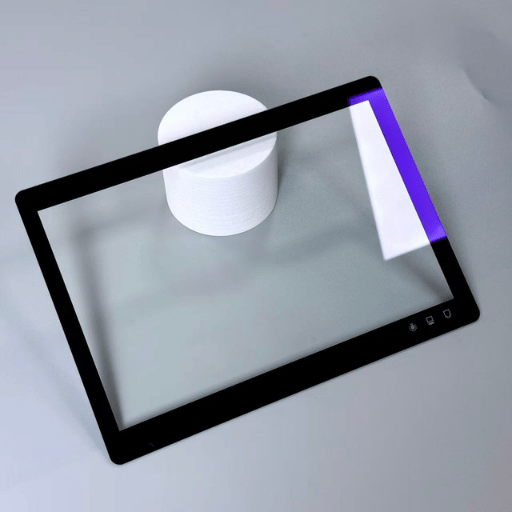
What Is Anti-Reflective Glass And How Does Its Optical Coating Work?
AR Glass which is synonymous with Anti-Reflective Glass, Non-Reflective Glass, and Low Reflection Glass is a kind of optical glass where special coatings are applied onto the glass substrates to increase the transmission of light while decreasing the reflection of light. Unlike standard, clear glass which reflects about 4% light on each of its surfaces, our AR coated glass reflects light on the surface to the extent of less than 1%. Without any additional costs, our premium multi-layered products reflect light to the extent of less than 0.5%.
Whether for your display cover panels, screens of medical devices, museum glass, or industrial HMIs, our coating technology provides the non-glare, crystal clear viewing experience that surpasses uncoated and other coated glasses. Our anti-reflective glazing solutions also combine optional UV protection, anti-fingerprint (AF) treatment, and chemical strengthening for complete performance in demanding environments.
How AR Coating Reduces Reflection On Glass
✓
Thin-film layers cause optical interference that cancels light waves being reflected.
✓
Visible reflection is decreased from around 8% (on both sides) to below 1%.
✓
Light transmission is increased to over 98% providing crystal clear optical clarity.
✓
Durable, scratch-resistant coating thanks to vacuum sputtering.
✓
Applicable to soda-lime, borosilicate, and aluminosilicate substrates.
✓
Can be combined with AG, AF, and UV protective coatings.
AR Glass Manufacturing: Magnetron Sputtering Process
1
Preparation of the Glass Substrate
2
Loading of the Vacuum Chamber
3
Deposition of Multi-Layers of AR Coatings
4
Inspection of Quality
Defect inspection is performed on the substrate, and then they are put through the ultrasonic cleaning to eliminate any contaminants.
After coating, the glass is placed inside the high vacuum sputtering chamber (with pressure lower than 10⁻³ Pa).
Using magnetron sputtering, layers of differing refractive indices, SiO₂, TiO₂, and Nb₂O₅, are deposited which are of nanometer level thickness.
The measurement of reflection and transmittance is done using a spectrophotometer, and then adhesion and durability are batch tested.
At Saiwei Glass, we create AR coated glass using magnetron sputtering vacuum deposition. This technique is the most sophisticated and long-lasting coating method to apply anti-reflective glass coatings. Contrary to the sol-gel, or liquid spray, coating methods, which create coatings that are much softer and less durable, magnetron sputtering creates dense and hard dielectric layers which permanently bond to the glass substrate.
Anti-Reflective Coating Glass Technical Specifications & Optical Performance Data
Comprehensive technical specifications will be given based on our AR coated glass products. Go ahead and view the one with detailed transmittance curves and specific wavelength data.
| Parameter | Single-Layer AR | Multi-Layer AR | Double-Side AR+AF |
|---|---|---|---|
| Light Transmittance | 95 – 97% | >98% BEST | >97% |
| Visible Reflection (per surface) | <2% | <0.5% BEST | <0.7% |
| Coating Method | Vacuum Sputtering | Magnetron Sputtering | Magnetron Sputtering + Dip Coating |
| Coating Sides | One Side | Both Sides | Both Sides (AR + AF) |
| Hardness | ≥5H | ≥7H | ≥7H |
| Thickness Range | 0.7 – 10mm | 0.5 – 12mm | 0.5 – 8mm |
| Max Size | 1500 × 1000mm | 2000 × 1500mm | 1500 × 1000mm |
| Substrate Options | Soda-lime, Ultra-clear | Soda-lime, Borosilicate, Aluminosilicate | Soda-lime, Gorilla, Dragontrail |
| Salt Spray Test | 48 hrs passed | 96 hrs passed | 96 hrs passed |
| UV Protection (optional) | Available | Up to 99% UV blocking | Up to 99% UV blocking |
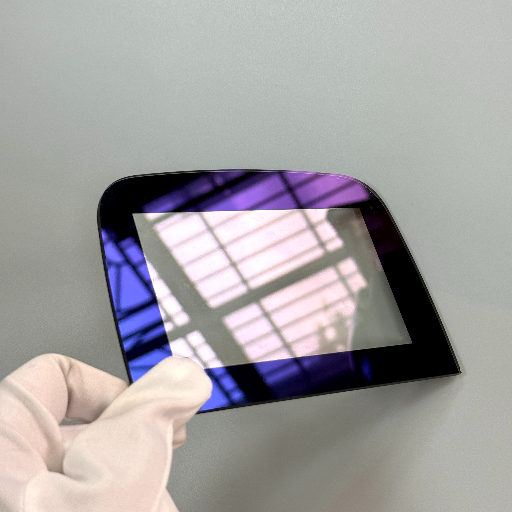
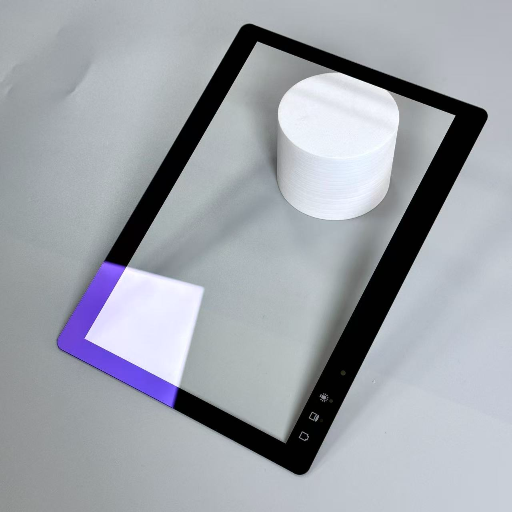
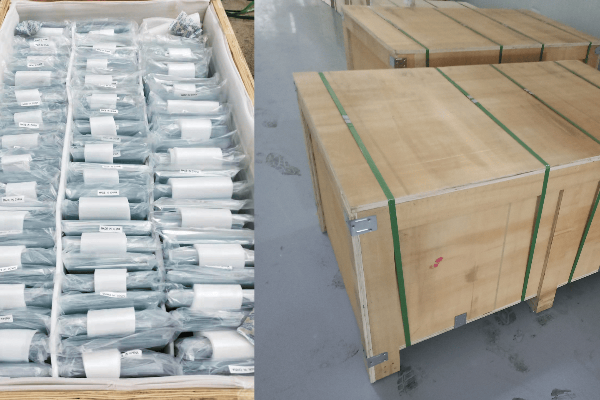
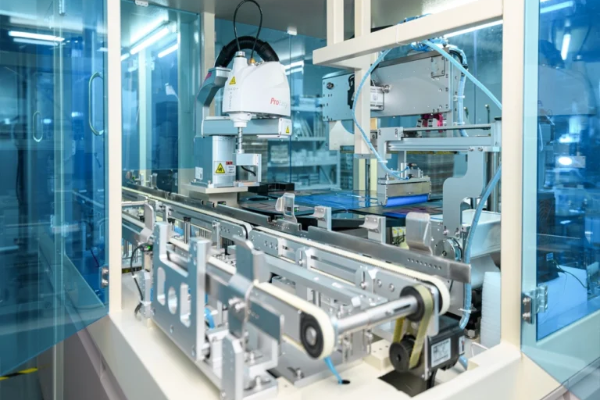
AR Glass Factory Gallery
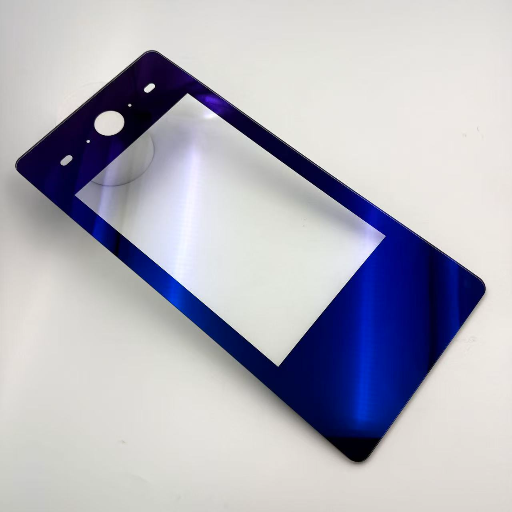
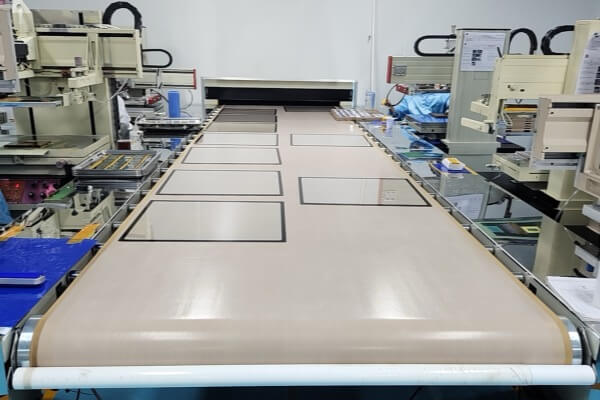
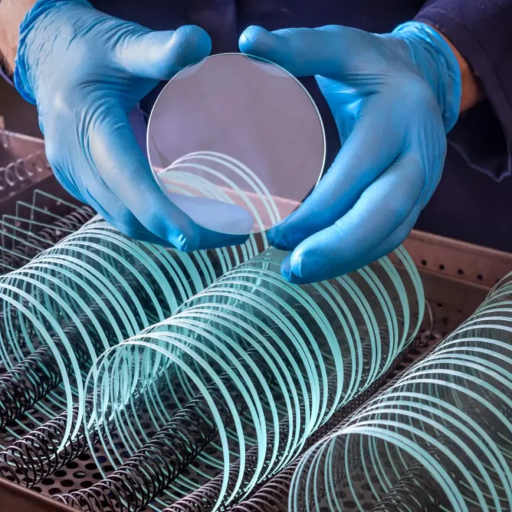
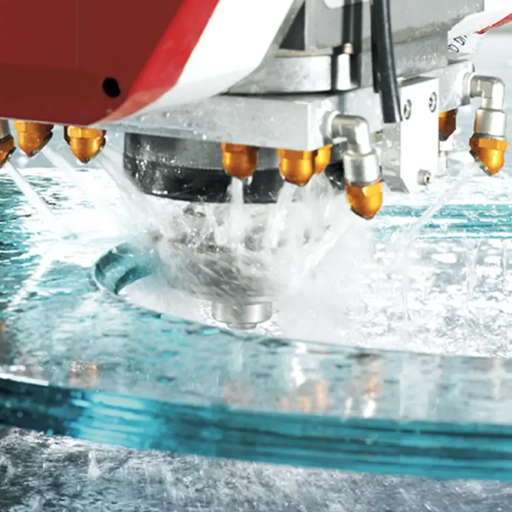
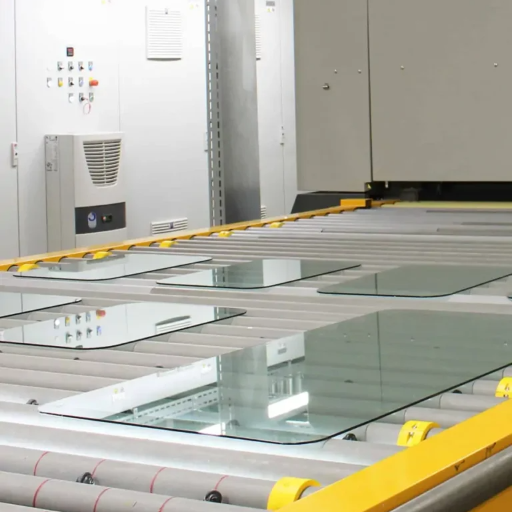
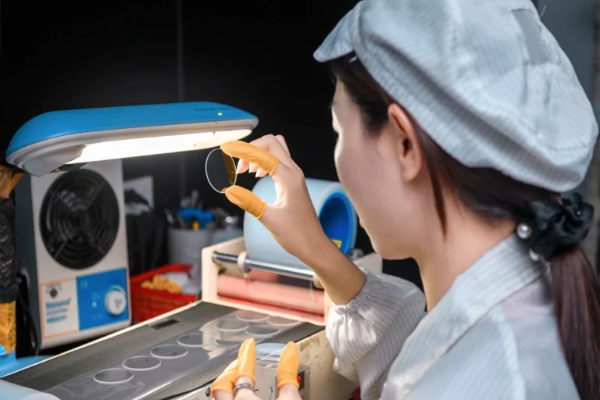
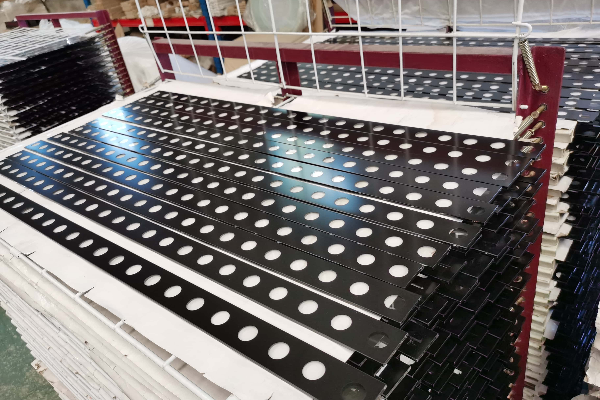
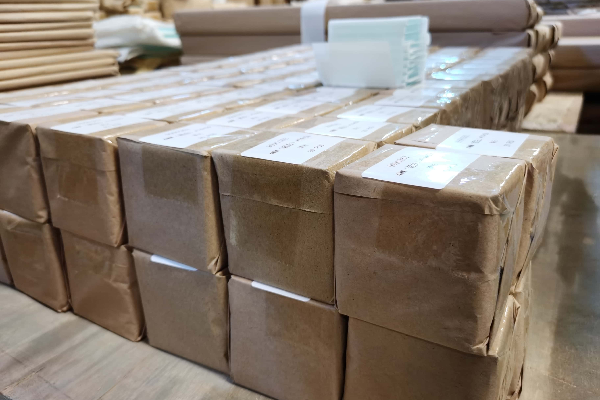
Visit the cutting-edge AR glass manufacturing facility, including precision cutting and coating operations, quality inspection facilities, and packaging departments.


AR Coated Glass Substrate Materials: Which Base Glass Is Right for Your Application?
Base glass determines the mechanical, thermal, and chemical properties of the finished AR glass product. Anti-reflective coating is put onto all major glass types. Choose based on your application requirements.
Soda-Lime Float Glass
Most common and most cost effective for AR glass substrates. Float glass is suitable for most display covers, lighting glass, picture frames, and general purpose. It is available in standard and ultra clear (low-iron) versions. Ultra clear glass gives higher transmittance which improves the optical clarity after the anti-reflective coating is added.
Borosilicate Glass (Schott, Etc.)
Borosilicate glass is also used for final AR glass for high-temperature, laboratory instruments, lighting fixtures, and scientific optical equipment. It is excellent for thermal shock. It is ideal when AR coated glass needs to have extreme operating conditions.
Aluminosilicate Glass (Gorilla, Dragontrail)
Aluminosilicate glass is used for the final AR glasses for mobile devices, portable electronics, rugged displays, and applications that need maximum scratch and impact resistance. Corning Gorilla Glass and AGC Dragontrail is the top aluminosilicate glass for premium AR coated glass.
Ultra-Clear Low-Iron Glass
Ultra-clear glass is low in iron and eliminates greenish hues that are usually present in standard float glass. It offers premium light transmission and is ideal for premium AR glass applications that require exceptional color fidelity and transparency. This includes applications such as museum glass and medical displays.
Quartz / Fused Silica Glass
Ultra high purity quartz substrates for AR glass in UV optical systems, semiconductor tools, laser technology, and scientific instruments. Fused silica glass provides excellent UV transmission and thermal stability. We offer customized AR coatings for specific wavelength ranges on quartz substrates.
Specialty Optical Glass
From Schott, Ohara, CDGM and others, we customize AR coatings on specialty optical glass and provide them for high precision optical components, camera lens covers, sensor windows, and instrumentation. We provide optimized anti-reflection performance for the substrates you specify.
Challenges when Buying AR Glass from Suppliers in China — and How We Address Them
B2B buyers face challenges when sourcing anti-reflective glass. Below, Saiwei Glass details challenges and how we address them as an AR glass manufacturer and supplier.
Quality of AR Coating Varies from Batch to Batch
Suppliers of coated glass often provide an inconsistent optical performance from batch to batch. Reflections and light transmission may vary from glass to glass, compromising displays.
OUR FIX
Every batch undergoes spectrophotometer testing. Transmittance and reflection data are included in every shipment’s Quality Report. Batch-to-batch variation is held to ±0.3%.
High MOQ Makes AR Glass Prototyping Expensive
Prototyping anti-reflective glass is expensive when suppliers are demanding minimum order quantities (MOQs) of 500 pieces to more than 1000 pieces.
OUR FIX
Qualified buyers receive free samples (2–3 pcs), and we have an MOQ of 100 pieces. You can start small and increase quantities after validation.
AR Coating Fails Environmental Durability Tests
Certain anti-reflective coatings can degrade, haze, or peel under a variety of environmental testing, and are particularly vulnerable under inferior sol-gel methods.
OUR FIX
Sputter coating (not sol-gel) goes through full environmental testing and passes salt spray, 85°C/85%RH 1000 hours of humidity, and 500 hours of UV aging. Test reports are available.
Communication Gaps with China AR Glass Factories
Production specifications are often misunderstood due to language differences, time-zone gaps, and the varying details requested in anti-reflective glass order specifications.
OUR FIX
Project engineers fluent in English. Specs confirmed with drawings before production. Email replies within 24-hours. WhatsApp support.
Unclear Pricing for Custom AR Glass
Buyers at the wholesale level do not receive pricing transparency, as numerous suppliers provide quotes that vary based on the type of coating, substrate, and processing.
OUR FIX
A detailed quote is provided within 24 hours and includes substrate, coating, and processing with no remaining fees. Also, volume discounts are explicitly stated.
Long Lead Times for AR Glass Orders
Manufacturers of anti-reflective glass expect to receive 4 to 6 week lead time quotes, which extend the timelines for product development and marketing.
OUR FIX
Production on a standard basis will be 7 to 15 days. For ruse orders, it is 5 to 7 days. Repeat customers will have dedicated production slots, and samples will be available in 3 to 5 days.
AR Coating Scratched During Shipping
Anti-reflective coated glass surfaces have scratches upon arrival due to insufficient packing that results in glass panes touching each other during the transit process.
OUR FIX
Panes of AR glass are packaged with interleaving paper and PE film on every uncoated surface. Sea freight wooden crates are custom and shipping is insured with damage claims support.
Cannot Get Combined AR + AF + UV in One Product
Glass suppliers restriction coating applications result in customers having to deal with multiple suppliers to achieve the desired functionality.
OUR FIX
All in one manufacturing: AR + AF + UV + tempering + silk-screen printing + CNC cutting in one place. Eliminate the hassle of multiple suppliers.
Anti-Reflective Glass Applications: From Displays To Museum Glazing
Anti-reflective glass improves visibility for a range of applications: industrial display panels, medical devices, retail storefronts, and museum glass. Wherever fit light reflections obstruct viewing quality, our AR coated glass provides clear glass solution.
Display & Touch Screen Panels
AR coated glass for display covers LCD, LED, OLED, and touch screen monitors. It improves readability and color accuracy for reflections and glare on digital signage, interactive panels, and other commercial display.
Medical Device Displays
Non reflective glass for monitors and diagnostics equipment, and surgical displays for patients. Optically clear glass is essential for medical imaging and is for ambient light reflection that could obstruct clinical decisions.
Industrial HMI & Automation
Robust anti-reflective glass for screens of HMI panel interfaces, PLCs, and factory automation displays. Coated glass is light reflective for better visibility, even for oil and chemical resistant screens.
POS Terminals & Self-Service Kiosks
Anti reflective glass for payment terminals, ATM screens, and vending machines. Low reflection glass is combined with an anti fingerprint coating to provide glove a surface that is easy to clean and touch devoid of reflections.
Automotive Dashboard Displays
Coated automotive glass for navigation screens, instrument clusters, HUD cover glass, and infotainment panels for EVs. Anti-reflective coating minimizes distracting reflections in varying ambient light conditions.
Museum Glass & Art Display Glazing
Museum glass for framing art, artglass, photographs, and precious prints. Glazing with no reflection and UV protection is offered. Our anti-reflective glass is comparable to premium brands like TRU Vue without the premium cost.
Why Work With Saiwei As Your AR Coating Glass Supplier in China?
We are a dedicated anti-reflective glass manufacturer. With over 10 years of OEM experience, we are able to offer a unique combination of factory-direct pricing, full customization, and a quality assurance system trusted by numerous global brands.
01
Complete Custom AR Glass OEM
Full in-house control over all OEM processes. CNC cutting, bespoke AR-coating, silk screen printing, edge polishing, drilling, and tempering.
02
10 + Years Of OEM Experience
ABB, Siemens, Schneider, Huawei, and 200+ global brands trust us. We export to 50+ countries and ship over 1 million AR glass panes each year.
03
ISO 9001 Compliant Processes
Every batch of AR coated glass is supplied with a reliability and adhesion test and spectrophotometer analysis. Full quality documentation accompanies every shipment.
04
Transparent Factory Pricing
No middlemen, no trading companies, and no markups. AR glass wholesale and bulk orders are quoted with volume pricing and discounts.
05
Fast Delivery Of AR Glass
Standard production time is 7-15 days with a 5-7 days rush option. We ship free sample glasses in 3-5 days. We offer priority scheduling to repeat OEM clients.
06
Full Range Of Glass Processing
We provide other coatings like AG Etching, AF treatment, ITO conductive coating, along with thermal/chemical tempering, and laminated glass silk printing. We are your one-stop glass manufacturer.
// OEM Customization
Custom AR Coated Glass: Processing, Coating, Shape, and Size Options
Being an anti-reflective glass manufacturer, we provide customization with every aspect. Following is what we offer customization with:
Shape and Size
CNC cutting to every dimension and shape (10 × 10 mm to 2000 × 1500 mm. (i.e. rectangle, round, oval, d-shape, irregular contours). Any sample or engineering drawing as well as thickness (0.5 mm to 12 mm) is accepted.
2000mm
Max Width
Specification of AR Coatings
Use of various coatings (anti-fog (AF), ultraviolet (UV), ITO, and other coatings); one or two sided, and other coatings, mixed, accompanied by, or countered to AR (anti-reflective), etc. Transmittance, reflectance, and wavelength.
AF·UV·ITO
Coating Types
Options of Tempering
Thermal tempering (EN12150 certified) or chemical (ion-exchange) strengthening to augment impact and scratch resistance. Before or after AR coating, as per your specifications.
EN12150
Certified
Silk-Screening
Custom graphics printing on AR coated glass with 4+ colors, including borders, logos, sensor windows, and functional or decorative patterns. Ink printing, ceramics, and tempering + 300°C.
4+Color
Print Spec
Processing of Edges
Flat polishing, bevel (C cut), pencil round, seamed (arrised) edges, and profiled (CNC) edges, critical. Safety and aesthetic quality. Visible installations with augmented reality glass.
CNC
Profile Cut
Drilling and Cutouts
Exact measurements for mounting holes, speaker holes, camera lens openings, sensor cutouts, and connector openings. CNC-routed slots and notches for hardware integration on custom AR glass panels.
CNC
Routed
Interactive Tool
Glass Coating Type Selector
Answer a few questions about your application, and we’ll recommend the optimal coating type with detailed specifications.
1
2
3
4
Where Will the Glass Be Used?
Select the primary operating environment for your product.
What Is Your Top Optical Priority?
Choose the performance trait that matters most for your application.
What Type of Product Is This For?
Select the application category that best matches your project.
Does the Surface Require Touch Interaction?
This affects whether anti-fingerprint (AF) coating is recommended.
AR Glass Configuration & Analysis Tools
Utilize our precision tools to define specifications and analyze optical performance metrics.
Customer Success Stories: Real-World Applications of Anti-Reflective Glass Solutions
High-Transmittance Anti-Reflective Glass for Patient Monitor Displays
How Saiwei Glass Helped a Leading European Medical Device OEM Achieve Over 98% Light Transmittance with Fully Certified AR Coated Cover Glass
Client: A Fortune 500 European medical device manufacturer (under NDA)
Industry: Medical Devices - Patient Monitoring Systems
Product Supplied: Multi-layer AR coated glass, chemically strengthened, custom sizes
Core Keywords: anti-reflective glass, AR coated glass, glass for medical devices
Project Duration: 8 weeks from initial inquiry to first mass production shipment
Order Volume: 15,000 pcs/month ongoing
The Challenge
The client was developing a next-generation 15.6-inch patient monitor for ICU environments. Their existing cover glass supplier was delivering panels with only 91-92% visible light transmittance and noticeable surface reflections under overhead surgical lighting. Nursing staff and medical doctors reported challenges when attempting to read vital signs on the display during operations and in ICU’s with bright lighting, posing a risk to patient safety.
The client’s engineering team needed cover glasses with more than 98% visible spectrum (400-700nm) transmittance, resistance to daily cleaning with medical grade disinfectants (isopropyl alcohol, chlorhexidine), and passing biocompatibility testing. Furthermore, the lie needed to have chemically tempered glass to resist accidental impacts in fast-paced clinical settings. Their prior supplier could not combine anti-reflective coating and chemical strengthening on the same substrate without delamination problems.
Our Solution
Saiwei Glass designed a solution based on our unique multi-layer magnetron sputtering AR coating technology and placed the suited glass AR coating in our Class 1000 cleanroom, where we and the engineering team designed a 4 layer AR coating. We recommended substituting the client’s soda-lime glass with 1.1 mm Schott Borofloat 33 borosilicate glass to achieve greater chemical resistance and optical clarity.
Chemical Strengthening: Each panel was coated and subjected to potassium ion-exchange chemical strengthening at 420°C for 6 hours, resulting in over 700 MPa of surface compressive stress. A unique process was developed where AR coating is applied prior to strengthening, allowing us to avoid delamination associated with coating on pre-strengthened glass.
Custom Fabrication: CNC cutting to tailored dimensions (388.5mm × 222.3mm) with edge polishing, and precision drilling for two M3 mounting holes. Transmittance specifications were verified for each panel using a Konica Minolta CM-5 spectrophotometer.
Measurable Results
METRIC
RESULT
Transmittance
98.5% average across 400-700nm (improved from 91% previously)
Reflectance
<0.5% per surface (improved from 4% previously)
Surface Strength
>700 MPa compressive stress, passed 1m steel ball drop test
Chemical Resistance
Pras 10,000-cycle IPA wipe test, no coating degradation
Lead Time
First samples in 10 working days; mass production in 8 weeks
Defect Rate
<0.3% in first 6 months of production
Cost Savings
18% lower than previous EU-based supplier
"Saiwei Glass accomplished what our prior two suppliers could not by integrating high-performance AR coating with chemical strengthening and not having to sacrifice either. The 98.5% transmittance has quite visibly improved readability for our clinical users. Exceptional also was the responsiveness and willingness of their engineering team to iterate on the coating stack."
Anti-Reflective Glass for Automotive Instrument Cluster Displays
Developing Automotive-Grade AR Glass Meeting AEC-Q200 Equivalent Standards for a Chinese EV Manufacturer's Dashboard Display
Client: A top-10 Chinese electric vehicle manufacturer (under NDA)
Industry: Automotive — EV Dashboard & Instrument Cluster Displays
Product Supplied: Double-side AR coated glass, chemically strengthened, silk-screen printed black border
Core Keywords: Anti-reflective glass, automotive display glass, AR glass for display
Project Duration: 20 weeks from RFQ to PPAP approval
Order Volume: 50,000 pcs/month across 2 vehicle platforms
The Challenge
The client was launching two new EV models featuring a 12.3-inch digital instrument cluster and a 15.4-inch center console display. They needed cover glass that eliminated reflections from windshield light ingress while maintaining optical clarity in both daytime driving and nighttime conditions.
Automotive applications impose requirements far beyond standard industrial glass: the cover glass must withstand temperature extremes from - 40 degrees to + 105 degrees without coating delamination, survive 1,000 hours of Xenon Arc weathering ( simulating 5 years of UV exposure), and resist a precisely defined chemical environment including sunscreen, hand lotion, and coffee.There was additional intricacy involved with the black silk-screen printed border bordering the display aperture. The client requested the AR coating to be applied over the printed border, resulting in a seamless visual transition between the glass edge and the display area. Other suppliers had attempts done that lead to visible differences of coating mismatches in color between the printed area and the clear area.
Lastly, the client’s automotive PPAP (Production Part Approval Process) involved a great deal of paperwork that included a DFMEA, PFMEA, control plans, and capability (Cpk > 1.67) and measurement system analysis in its entirety.
Our Solution
Saiwei Glass put together a specialized automotive project team consisting of 6 engineers to tackle all issues one by one.
Double-Side AR Coating: 4-layer coating was applied to both sides of the 0.7mm Corning Gorilla Glass to provide a combined transmittance of 97.8% (uncoated glass provides 92%). The double-side coating was crucial due to the fact that automotive displays receive light from the front (ambient light) and from the back (display backlight).
Silk-Screen and AR Integration: The engineering team designed a two-step procedure: initially, a black ceramic frit border was screen printed and then fired at 680°C. Subsequently, an AR coating was applied to the entire surface, including the printed area. We modified the design of the AR coating stack in the border area in order to offset the differences in refractive index caused by the printed surface to remove the visible color mismatch.
Automotive Environmental Testing: We cross validated all materials within both our in-house and third party (SGS Suzhou) testing program. This included 1000 hrs of xenon arc weathering per ISO 4892-2, 1000 hrs of damp heat (85°C/85%RH), 10 cycles of thermal shock (-40°C to +105°C 30 sec transitions), and chemical resistance testing per SAE J2412.
Chemical Strengthening: After coating, each panel was subjected to chemical strengthening to induce surface compressive stress of 500 MPa, which is sufficient to comply with the automotive standard for a 100g steel ball drop from 500mm.
PPAP Documentation: A complete PPAP Level 3 package was submitted which included DFMEA, PFMEA, process flow diagram, control plan, MSA (GR&R < 10%), process capability study (Cpk = 1.89 for transmittance and Cpk = 2.12 for thickness), and an initial sample inspection report with dimensional results for 30 consecutive production panels.
Quantifiable Achievements
METRIC
RESULT
Transmittance
97.8% (AR coating on both surfaces)
Reflectance
<0.8% (combined both surfaces)
Thermal Cycling
Passed -40°C to +105°C, 500 cycles, no delamination
Xenon Arc Weathering
Passed 1,000 hours, ΔE < 0.5 (no visible color change)
Border Integration
No visible color mismatch between printed and unprinted areas
PPAP Status
Approved Level 3, Cpk > 1.67 on all critical dimensions
Production Volume
50,000 units/month, rejection rate < 0.5%
"Saiwei Glass is among a handful of Chinese glass processors that have a genuine understanding of the automotive qualification requirements. They did not only provide samples, but also provided a full PPAP that cleared our quality gate review on the first attempt. The integrated silk-screen border AR coating was a great technical solution to a problem we had been working on for over a year."
Anti-Reflective Glass for Industrial Human-Machine Interface Panels in Factories
Engineering Anti-Chemical and Oil AR Glass for Touchscreens of a Global Leader in Industrial Automation
Client: A Global Industrial Automation Company in Fortune Global 500
Sector: Industrial Automation — HMI Operator Panels
Provided Products: AR coated and AF coated glass, chemically strengthened glass, custom printed bezels
Main Topics: anti-reflective glass, HMI panel glass, industrial display cover glass
Project Timeline: 14 weeks from qualification to delivery of first mass production
Monthly Order Quantity: 25,000 pcs across 4 sizes of HMI panel
The Obstacle
The client produces and distributes HMI (Human Machine Interface) Touchscreens for factories around the world, controlling CNC machines, packaging lines, and even equipment for the pharmaceutical production. Their latest generation HMI platform required a cover glass that solved three recurring field complaints from end users.
To begin with, factory floor lighting (high-intensity LED ceiling panels and fluorescent tubes) created severe reflections on the existing uncoated cover glass, causing eye fatigue to operators during 8 to 12 hour shifts. Secondly, in the metalworking and food processing environments, the glass became coated with oil, coolant, and grease which was difficult to remvoe and which reduced touch sensitivity over time. Third, operators in chemical plants reported that cleaning solvents (acetone, MEK, toluene) were degrading the existing screen protectors.
The client required one glass solution that worked across all four sizes of HMI panels (7 inch, 10.1 inch, 12.1 inch, 15.6 inch), was resistant to direct contact with industrial chemicals, maintained touch sensitivity when cutting oil contaminated, and was anti-reflective to reduce eye strain, all while meeting the IEC 62368-1 safety certification requirements.
Our Solution
Saiwei Glass created an integrated multi-functional solution.
AR + AF Dual Coating Stack: We designed a five-layer coating stack: four layers of AR coating (SiO2/Nb2O5 alternating) and a top layer of fluorocarbon which is anti-fingerprint (AF) for the top coating. The four AR layers reduce reflection to a value lower than 1% and the topAF coat contributes a hydrophobic and oleophobic surface with a water contact angle over 115°.
Industrial Chemical Resistance: The AF coating was developed for industrial settings, which include exposure to cutting oil (Castrol Alusol SL 61), hydraulic fluid (Shell Tellus S2 M 46), acetone, MEK, isopropyl alcohol, and 10% NaOH solution. Evidence of compliance with ISO 2812-1 is established for 24-hour immersion cycles.
Four Size Production Platform: We designed a unified CNC programming platform for all four sizes of the panel, facilitating seamless changeover on a single production line. Each size maintains consistent coating and tempering parameters, streamlining the qualification process to a single material qualification for all four sizes.
Chemical Strengthening: Following the IEC 62368-1 standards for IT equipment, 0.7mm Corning Gorilla Glass was chemically strengthened to meet impact requirements by achieving surface compressive stress over 600 MPa.
Oil-Contaminated Touch Testing: We coordinated with the client’s firmware team to assess touch performance with a thin film of cutting oil on the glass surface. Our AG surface texture (low haze 3%) provided sufficient micro-roughness to support reliable finger tracking, even in the presence of oil — an environment that many metalworking factories encounter.
Measurable Results
METRIC
RESULT
Reflectance
<1.0% (single side), Operators enjoyed reduced eye strain.
Chemical Resistance
Acetone, MEK, cutting- oil, and NaOH immersion tests passed for 24-hour durations.
Water Contact Angle
>115° (Self-cleaning surface)
Touch in Oil
10 reliable touch points on surface film oil cutting
Impact Resistance
Successfully passed the impact tests for the IEC 62368-1 standards and for the surface stress greater than 600 MPa.
Production Efficiency
One qualification applies to all 4 panel sizes.
Field Complaints
After deployment, complaints about the readability of the displays reduced by 87%
"Saiwei Glass provided a cover glass solution that works in all the harsh industrial environments where we deploy our HMI panels. From steelworks in India to pharmaceutical cleanrooms in Switzerland, we have it all. No other glass supplier has been able to match the combination of anti-reflective coating, chemical resistance, and touch performance in oil contaminated environments."
Frequently Asked Questions (FAQs)
Q: In What Manner Does Anti Reflective Glass Enhance Visibility?
A: Anti-reflective glass enhances visibility through glass because its optical coating layers reduce surface reflections. Therefore, light hitting the glass and traveling through it will be less likely to be absorbed and will be reflected more. Anti reflective glass provides better visibility than low-iron glass.
Q: Is Anti-Reflective Glass the Same as Museum Glass or Does It Get Called Museum Glass?
A: When it comes to anti reflective products, several different manufacturers will refer to them as museum glass or true vue/truvue because they are designed with a coating that eliminates reflection and provides UV protection. However, products may have differing specs and when comparing products it is important to look for double sided low reflection coatings with UV protection.
Q: Is There Better Visibility When Anti Reflective Coatings Are Applied to the Glass in Jewelry Stores?
A: Jewelry stores use anti-reflective and low-iron glass, which give a true color and near invisibility to the glass display case and provides excellent viewing and minimal glare.
Q: What Are the Differences Between Low Iron and Standard Glass With Anti-Reflective Treatment?
A: When standard glass is treated with anti-reflective coating, it has color and clarity improvements. Low-iron glass has even more benefits due to the absence of the standard glass's green color, and with anti-reflective coating, it has color improvements. Additional benefits of low iron glass include clarity benefits with anti-reflective treatment. Therefore, low iron glass is more beneficial for use in architecture, displays, and recording studios.
Q: Do Anti-Reflective Coatings Work on Both Sides? Is Double-Sided Coating Necessary?
A: No, double sided coatings are not necessary, but they do improve functionality. Anti-reflective double sided coatings eliminate reflections from both sides of the coating, creating a more effective coating. For critical applications in museums, galleries, and high-end retail, low-reflective glass with double sided anti-reflective coatings is the best option to provide a seamless view without any reflections.
Q: What Are the Differences Between Etched Surfaces and Anti-Reflective Optical Coatings in Glare Reduction?
A: Etched surfaces can decrease sharpness and contrast of images, but they do diffuse light. Anti-reflective optical coatings improve clarity and transparency by eliminating reflections, and in applications where transparency is needed, anti-reflective glass with optical coating is better than etched surfaces.
Q: Is It True That Anti-Reflective Glass Can Be Easily Cleaned and That It Can Block Dangerous UV Rays?
A: Certain anti-reflective products have attenuation layers that block the transmission of harmful UV radiations and mitigate the damage of UV radiations on artworks and other valuables. Besides that, many covered surfaces are easy to clean, but it is advisable to observe the manufacturer’s instructions to avoid damaging the optical coating.
Q: Is It Possible to Use Anti-Reflective Glass in Building Construction and in Recording Studio?
A: Certainly. Low-reflection and anti-reflective glass are widely used in building construction for transparent facades and internal partitions. Also, in recording studios, it is used for control room windows, where it is very important for the glass to have no reflection and for the end-user to see through the glass without the color being altered.
Q: What Should I Pay Attention to in Terms of Angle of View Regarding Anti-Reflective Glass Performance?
A: Some coatings reflect and shift color depending on viewing angle, so to avoid that, select TruVue or other similarly situated products of better quality that is optically coated, and is proven to perform well in wide viewing angles. Also, look for specifications with low reflectance percentages to ensure clear visibility from various angles.