Get in Touch with Saiweiglass



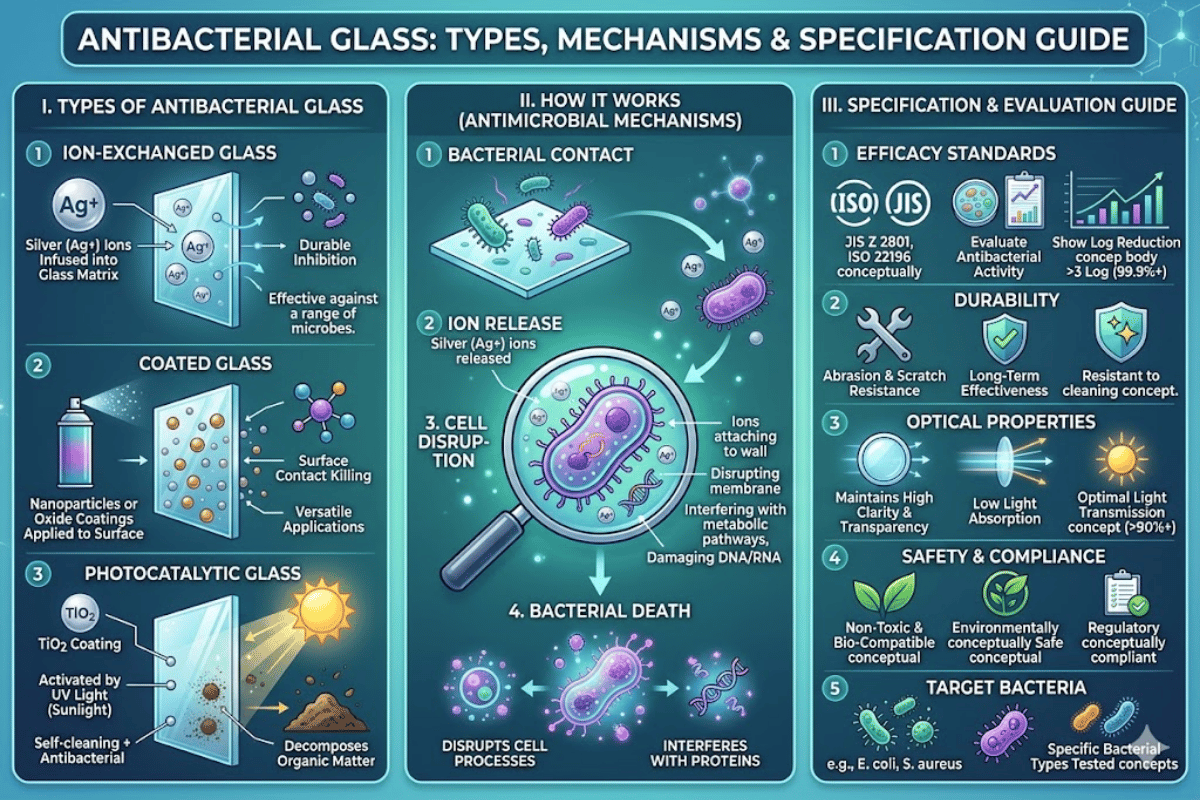
Antibacterial Glass Explained: Silver Ion Technology, Types Compared, and How to Specify
Published April 2026 | Updated for 2026 market data
Antibacterial glass is no longer a specialist healthcare product but is becoming incorporated into the standard specifications for multiple application categories including medical devices, public kiosks and into commercial architecture. Thanks to a global market for antibacterial glass estimated to reach $581.1 million by 2033 with a CAGR of 7.75 %, this offers practical solutions in the real world: bacterial life persists for hours to days on untreated glass.
This platform provides an explanation of exactly how silver ion antibacterial technology functions on a molecular level, compares the four main technology types and includes relevant key performance parameters as well as a handy specification checklist for OEM buyers and facilities managers sourcing antibacterial glass for their next developments.
Quick Specs: Antibacterial Glass
| Antibacterial Efficacy | ≥99.9% (R ≥ 2, JIS Z 2801) |
| Dominant Technology | Silver ion exchange (Ag+) — 90.4% market share |
| Durability | Permanent (ions embedded in glass matrix) |
| Optical Clarity | ≥91% light transmittance |
| Common Thickness Range | 0.55 mm – 12 mm |
| Key Testing Standards | JIS Z 2801, ISO 22196, EPA registration |
| Global Market Size (2023→2033) | $275.6M → $581.1M (CAGR 7.75%) |
What Is Antibacterial Glass — and Why Demand Is Surging

Antibacterial glass is glass that has been created and coated to actively repel and kill bacteria, fungi and other microorganisms on its surface. Standard glass is a smooth, non-porous surface to which is easy to clean but provides zero protection against microbes, bacteria and fungi – antibacterial glass instills an active and ongoing microbial action
Why does this matter? Bacteria will attach and survive at least hours to weeks on unprocessed glass surfaces, again depending on species, humidity and organic soil loading. In a healthcare setting this is statistically significant risk: within any given day 1 in 31 hospital patients will have has at least 1 healthcare associated infection (based on the CDC’s HAI Hospital Prevalence Survey)
Can Bacteria Survive on Glass?
Yes, standard untreated glass does not kill bacteria. In normal indoor environments, bacteria survive on glass for between 1 and 3 days. Glass has been consistently shown to support living bacterial cultures for 24 to 72 hours.
During this time Staphylococcus aureus – one of the most prevalent hospital bacteria – will survive on dry glass for days. Therefore, patients in hospitals, as well as kiosks and subways, where surfaces around them are constantly touched, are getting bacteria from every glass surface they contact.
Three converging forces are accelerating demand for antimicrobial glass solutions:
- Hospital-acquired infection prevention: HAIs affect millions of patients annually and cost the U.S. healthcare system over $4.6 billion per year in treatment costs for antimicrobial-resistant infections alone.
- The antimicrobial resistance crisis: With antibiotic resistance rising globally, surface-level infection prevention — reducing bacterial transfer before it reaches patients — is becoming a critical complement to pharmaceutical interventions.
- Post-pandemic hygiene standards: Commercial and institutional buyers now specify antimicrobial properties for touchscreen glass, elevator panels, and public kiosk surfaces as standard rather than premium.
$581M
Projected Market 2033
7.75%
Annual Growth Rate
1 in 31
Hospital Patients with HAI
How Silver Ion Antibacterial Technology Works

Commercial antibacterial glass relies on silver ion (Ag+) exchange as its dominant mechanism of action — a process where sodium ions (Na+) in the glass matrix are replaced by silver ions during a controlled chemical bath. Once embedded, these ionic silver particles continuously migrate to the glass surface and interact with bacterial cells through three pathways:
- Cell membrane disruption: Silver ions bind to sulfhydryl groups (-SH) on bacterial cell membrane proteins, compromising membrane integrity and causing cell contents to leak.
- DNA replication inhibit ion: The Ag+ molecules diffuse into the cell and irreversibly bind to the bacterial DNA, preventing replication and killing off the population of colony growth.
- Enzyme blocking: Silver molecules inhibit respiratory enzymes, preventing energy generation within the bacterial cell.
A study in the Journal of Biomedical Materials Research revealed phosphate-based glasses that deposit Ag+ ions at a rate of 0.42–1.22 μg·mm⁻²·h⁻¹ displayed time-dependent post-deposition control of sustained antibacterial effects against S. aureus biofilms.
Another important factor that many consumers overlook: silver ion exchange provides an intrinsic antimicrobial surface, versus a surface coating that degrades and wears away through usage. This important aspect of the technology presents a fundamental difference between antimicrobials and the surface-deposited agents they employ.
📐 Engineering Note: JIS Z 2801 Testing Protocol
The ISO 22196 test (the international range comparable to JIS Z 2801) makes the application of bacterial cultures (typically E. coli or S. aureus in the 10⁵–10⁶ CFU/mL range) to a glass test surface, then incubates samples at 35C for 24 hours:The R-value (Resistance to growth rate) is given as the ratio of log (viable count on untreated) log (viable count on treated). R 2 tests display a 99% bacterial kill rate. R 3 translates to a 99.9% kill rate. Some products are also tested against Candida albicans to make antifungal claims.
“However not all antimicrobial activity tests are the same. Products that cannot achieve the requirements for EPA public health claims will often use ISO 22196/JIS Z 2801 when comparing antimicrobial activity-but EPA testing more accurately reflects true contamination through the applications’ interact ion with organic soiling, making it a better standard. ”
— EOScu Technical Review on Antimicrobial Testing Standards
Types of Antibacterial Glass Technology Compared
There are four principal silver coating and treatment options for common applications of glass, each of them meeting different set of needs and requirements. The consumer should choose appropriate technology according to application process, cost, expected durability, and period of exposure to UV and aggressive cleaning substances.
| Technology | Mechanism | Activation | Efficacy | Durability | Best For |
|---|---|---|---|---|---|
| Silver Ion (Ag+) | Disrupts cell membrane + DNA | Always active | ≥99.9% (R ≥ 2.5) | Permanent (lifetime of glass) | Medical devices, touchscreens, kiosks |
| Copper Ion (Cu²+) | Damages DNA + metabolic pathways | Always active | ≥99.9% (proven against 4 species) | 5–10 years | Healthcare, architectural panels |
| TiO₂ Photocatalytic | Generates reactive oxygen species (ROS) | UV/visible light required | 90–99% (light-dependent) | 3–5 years | Architecture, outdoor, self-cleaning |
| Zinc Oxide (ZnO) | Nanoparticle disruption + ROS generation | Always active | 85–99% (concentration-dependent) | Emerging (limited field data) | Research, glass ceramics, packaging |
A study in Nature Communications shows latex paint infused with the copper-based glass ceramic powders inhibited 99.9% of colony forming units of S. aureus, P. aeruginosa, K. aerogenes, and E. coli, further confirming that copper or zinc additives are an alternative to silver in certain circumstances.
For cover glass surfaces, perhaps the best-known silver-ion commercial application remains “Antimicrobial Gorilla Glass” by Corning – the first EPA registered antimicrobial cover glass, with silver ions combined with chemical strengthening. However, the company makes no direct or suggested claim: “Corning makes no direct or implied claims to protecting users.” The antimicrobial properties do not protect the user, but only the surface.
What’s the Difference Between Antimicrobial and Antibacterial Glass?
Antimicrobial glass applications suppress a wider spectrum of organisms – not only bacteria, but virus, mold, fungi (including Candida), and fungus. Bacterial-only antimicrobial glass generally employs silver ion technology, like antimicrobial glass, that can also confirm antifungal properties – so the functional distinction is minimal. The difference is largely a matter of marketing terminology: “antimicrobial” requires additional testing data.
Bioactive Glass vs. Surface Antibacterial Glass — An Important Distinction
Bioactive glass (for example 45S5 Bioglass developed by Larry Hench in 1969) is a silica based biomaterial manufactured for implant uses – it induces blood-bone interface by generating a biologically equivalent apatite layer in simulated body fluid (and releasing ions that provide osteostimulation). It is an entirely different range of products from commercially available antibacterial glass used in touchscreens, architectural panels and touch screen glass. Mix ups here lead to specification problems – the bioactive glass is not ideal for display purposes, and the surface antibacterial glass is not biocompatible.
⚠️ Common Mistake
By stating ‘bioactive glass’ when your display needs surface antibacterial protection for your kiosk or demo. Glass of 45S5/S53P4 is a phosphate glass-ionomer, biomaterial for bone substitution-this is the wrong material,wrong price range with the wrong set of physical performances.
Where Antibacterial Glass Creates the Most Value — Applications by Industry
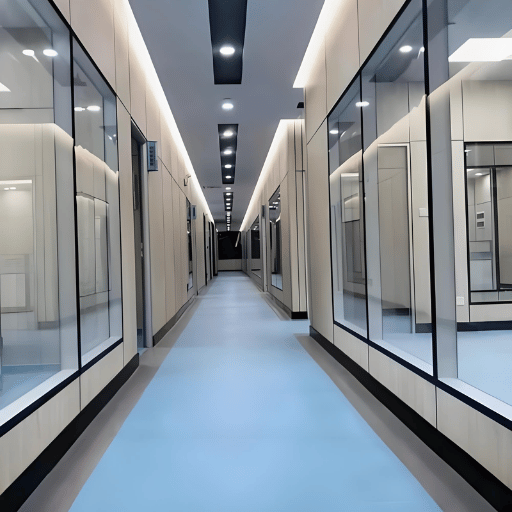
Where there is an intersection of high frequency of contact, sensitive users and regulatory cleaning standards then the antibacterial property of treated glass can provide quantifiable advantages. Glass specifications- thickness, strength class, coating stack, certification requirements may substantially change from sector to sector.
| Industry | Typical Applications | Glass Specification | Key Standards |
|---|---|---|---|
| Healthcare | Patient monitors, surgical displays, hospital partitions | Chemically strengthened 1.1 mm, AR+AF coating | IEC 60601, FDA biocompatibility |
| Consumer Electronics | Smartphone screens, tablets, wearable displays | Antimicrobial Gorilla Glass, 0.4–0.7 mm | EPA registration |
| Public Touchpoints | Self-service kiosks, POS terminals, ATMs | Tempered 3–5 mm, IK07+ impact rated | EN 12150, JIS Z 2801 |
| Architecture | Hospital lobbies, elevator panels, bathroom partitions | Laminated 6–12 mm, anti-glare (AG) glass option | EN 12150, local building codes |
| Food & Beverage | Processing equipment displays, refrigeration panels | Tempered 3–6 mm, anti-fingerprint (AF) glass | FDA GRAS (food contact safe) |
A facility manager specifying antibacterial glass for the hospital ICU requires very different characteristics to a leading electronics OEM buying the cover glass for a new tablet device. A hospital ICU environment requires Chemical resistances to extremely corrosive hospital wash down chemicals (quaternary ammoniums, bleach solutions); access to IEC 60601 medical device approval; extremely high optical qualities coupled with no discoloration for diagnostic imaging accuracy. A tablet device requires ultra low profile glass (0.4-0.7mm); scratch resistant surface (Mohs 7+); and capacitive touchscreen functionality – with antimicrobial qualities providing a key selling point in the demographically targeted consumer device.
For medical device cover glass applications, the antibacterial treatment must not deteriorate after multiple exposure to hospital level cleaners – a requirement which silver ion exchange technology fulfills as the antimicrobial agent is integral to the glass not simply on surface.
Antibacterial Glass vs. Antimicrobial Film — A 5-Year Cost Comparison
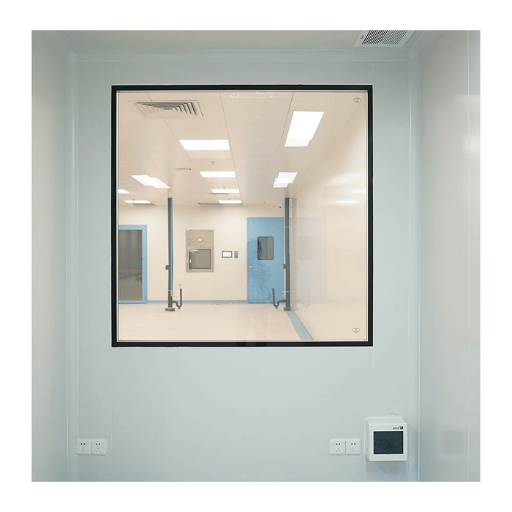
OEM procurement teams and facility planners are typically faced with two choices – install permanent antibacterial tempered glass (metal oxide or silver ions incorporated into the glass itself) or retrofit an antimicrobial film. The price differential for the upfront cost is a fact – but over a 5-year total cost of ownership period, the story changes:
| Parameter | Silver Ion Glass | Antimicrobial Film | Standard Glass + Cleaning |
|---|---|---|---|
| Antibacterial Efficacy | ≥99.9% (R ≥ 2.5) | 90–99% (degrades over time) | 0% passive protection |
| Durability | Permanent (lifetime) | 6–18 months per application | N/A |
| Scratch Resistance | Mohs 7+ (embedded in glass) | Mohs 2–3 (surface layer) | Mohs 5–6 |
| Optical Clarity (LT%) | ≥91% | 85–90% (haze risk over time) | ≥91% |
| Touch Sensitivity Impact | Zero | Slight degradation | Zero |
| Chemical Cleaning Resistance | Hospital-grade cleaners OK | Damaged by strong cleaners | Full resistance |
| 5-Year Replacement Cost | Zero (one-time install) | 3–5 reapplications | N/A |
How Long Does an Antimicrobial Coating Last?
It really is totally a function of technology. Surface applied antimicrobial films, for example, the type that are adhesively bonded on to existing glass— generally have a useful life of 6–18 months before abrasion, cleaning chemicals and UV degrade the glass to the point where it is no longer efficacious. Integrated silver ion glass, on the other hand, where the metal is incorporated into the glass as part of the ion exchange process— e.g., Corning’s Antimicrobial Gorilla Glass— can last for the useable lifetime of the glass.
The 5-Year TCO Rule — Which Solution Fits Your Scenario?
| Hospital ICU / OR displays | → Silver ion glass. Withstands aggressive disinfectants, zero replacement cycles, meets medical device biocompatibility requirements. |
| Retail kiosk (3+ year deployment) | → Silver ion glass. Upfront premium recovered by year 2 through eliminated film replacement and reduced cleaning frequency. |
| Temporary installation (<1 year) | → Antimicrobial film. Lower upfront cost justified when the glass will be removed or replaced within the film’s effective lifetime. |
| Outdoor / UV-exposed panels | → TiO₂ coated glass. UV activation provides self-cleaning bonus. Silver ion also works but adds unnecessary cost if self-cleaning is valued. |
For a fleet of 50 self-service kiosks in airport terminals (where each screen will be touched hundreds of times per day), the math is fairly straightforward. Antimicrobial film @ 15-25$/m, needing to be replaced every 12 months would incur ongoing procurement, labor and downtime during each replacement cycle. Silver ion glass @ 40-60$/m (OEM volume pricing FOB) would require no ongoing maintenance during an estimated 5 year deployment.
Roughly 18-24 months is the typical time to break-even.
How to Specify Antibacterial Glass — A 7-Point Buyer’s Checklist
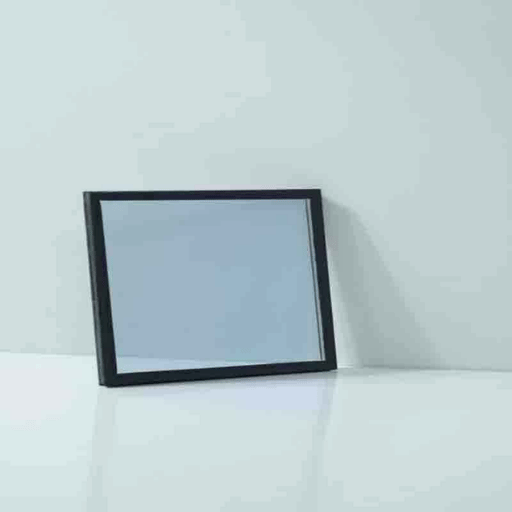
Whether you are an OEM starting the integration process of antibacterial glass for a medical device, or a hospital manager defining glass partitions for a renovation project, adherence to a typical specification process will help to avoid expensive mismatches of glass capabilities versus application needs.
- ✔
1. Define environment: Indoor/outdoor, traffic level (touches/day), cleaning frequency, cleaning agents used (neutral pH vs. hospital-grade quaternary ammonium/bleach) - ✔
2. Select base glass: Soda lime (cost-effective), aluminosilicate (impact strength), borosilicate glass (thermal shock resistance), or chemically strengthened (thin profile + high strength) - ✔
3. Choose antimicrobial technology: Silver ion exchange for most B2B applications; TiO₂ photocatalytic for outdoor/self-cleaning; copper ion for budget-sensitive healthcare - ✔
4. Specify coating stack: Verify compatibility of antimicrobial treatment with AR + AF coatings and anti-reflective glass layers — not all combinations are process-compatible - ✔
5. Confirm testing standards: JIS Z 2801 / ISO 22196 (antibacterial activity), EPA registration (U.S. public health claims), Food and Drug Administration GRAS status (food contact applications) - ✔
6. Set mechanical requirements: Thickness (0.55–12 mm), IK impact rating, Mohs surface hardness (≥7 for high-traffic), operating temperature range - ✔
7. Request sample + certification package: JIS Z 2801 test report with R-value data, material safety data sheet, biocompatibility report (medical applications), batch-level QC records
💡 Pro Tip
When asking for multifunctional glass stacks (antimicrobial + AG + AR + AF), ask for a sample with the full coating stack – not a single layer sample. The interactions between layers can influence eye-clarity, touch ability, and antimicrobial performance in ways that single layer samples do not.
Frequently Asked Questions
Q: What is antimicrobial glass?
View Answer
Antimicrobial glass refers to the glass surface that has been chemically treated with some agents – silver ions being the most common – which actively kills or inhibit bacteria, fungi and specific viruses on the surface of the glass. The antimicrobial properties can be contained within the glass itself, by ion-exchange into the glass structure, or be contained with a coating on the surface of the glass.
Q: Does glass have antibacterial properties?
View Answer
Glass by itself is not an antibacterial material. Standard untreated glass, due to its non-porous surface and smooth finish, is easy to clean but bacteria can remain on it for hours to days. It is only glass that has been treated with an antimicrobial component that can actively kill bacteria.
Q: What material can bacteria not grow on?
View Answer
Bacteria struggle to colonize certain materials, but no surface is completely immune. Copper and copper alloys (brass, bronze) demonstrate natural antimicrobial activity — the EPA has registered over 500 copper alloy surfaces as antimicrobial. Silver-ion-treated glass and copper-infused surfaces show the highest bacterial reduction rates among engineered materials, often exceeding 99.9% within 24 hours under JIS Z 2801 testing conditions.
Q: Can antimicrobial glass be customized with different shapes and sizes?
View Answer
Yes, antibacterial glass can be machined to large degrees of CNC precision and shape, including special custom machining and edge grinding, drilling, and notching. The addition of silver ions (antibacteria) can be done during or after normal shaping of the glass.
Q: Can antimicrobial glass have AR and AF coating at the same time?
View Answer
Yes, antimicrobial glass is also capable of having anti-reflective (AR) and anti fingerprint (AF) coatings applied in the same stack with no issue. You can have a glass with antimicrobial + AR ( minimizes glare, allows for better readability of screens ) + AF ( we can make water contact angles > 105, making the surface very easy to clean with water contact angles > 105. This is now becoming a typical combination of coatings for medical display glass or high end touch screen.
The important thing is to be sure your manufacturer can handle the AF coating process before you order. Read more about how AF coating works.
Q: What future trends are emerging in antibacterial glass?
View Answer
Three trends are reshaping the antibacterial glass industry through 2030. First, nano-enhanced antimicrobial coatings using silver and zinc oxide nanoparticles improve dispersion uniformity and extend effective lifespans beyond current benchmarks. Second, self-cleaning photocatalytic glass combining TiO₂ with antimicrobial properties is expanding into architectural and smart building applications. Third, multifunctional glass stacks — integrating antimicrobial, anti-glare, anti-reflective, and anti-fingerprint properties in a single cover glass — are becoming standard specifications for hospital and public transit display surfaces as OEM buyers consolidate their supplier relationships.
Q: What are the potential drawbacks of antibacterial glass?
View Answer
Main limitation is premium over standard glass (which could be 15-30% when treated to OEM volumes) for both silver ion treatment and, for areas exposed to UV light, any other form of photocatalytic treatment, such as TiO. Supplier stocks of high quality antibacterial glass with all necessary certification packages are more limited than standard tempered or chemically strengthened (including LCD grade) companies.
Ready to Specify Antibacterial Glass for Your Project?
Custom sizes, coating stacks, and certification packages. 7-day fast sample lead time.
About This Analysis
This guide synthesizes data from CDC surveillance reports, ISO/JIS testing standards, and peer-reviewed materials science research on silver ion antimicrobial mechanisms. Market projections are drawn from Spherical Insights, Grand View Research, and Fortune Business Insights — independent of any manufacturer. Technical specifications for silver ion glass, coating compatibility, and application-specific requirements reflect current industry capabilities as of early 2026. Readers specifying glass for regulated medical or food-contact applications should verify current certification requirements with their supplier and relevant regulatory authority.
References & Sources
- HAI Hospital Prevalence Survey Data — U.S. Centers for Disease Control and Prevention (CDC)
- Healthcare Cost of Antimicrobial-Resistant Infections — U.S. Centers for Disease Control and Prevention (CDC)
- ISO 22196:2011 — Measurement of Antibacterial Activity on Plastics and Other Non-Porous Surfaces — International Organization for Standardization
- Effect of Silver Content on Antibacterial Activity of Phosphate-Based Glasses — Journal of Biomedical Materials Research (PMC)
- Copper-Containing Glass Ceramic with High Antimicrobial Efficacy — Nature Communications
- Antibacterial Glass Market Size, Share, Growth, Trends, Forecast — Spherical Insights
- A Closer Look at Studies Using the ISO 22196:2011 Standard — PMC / Applied Sciences
Related Articles
- How SW GLASS Manufactures Antibacterial Glass at Scale — Production capabilities and quality control
- What Is AF Coating? Working Principle Explained — Anti-fingerprint coating technology deep dive
- Medical Device Cover Glass: Specifications and Standards — IEC 60601 compliance guide
- AG vs AR vs AF Coating: Which One Do You Need? — Coating comparison for touchscreen applications
- Complete Guide to Glass Coating Types — AR, AG, AF coating technology overview