Get in Touch with Saiweiglass


EV Charging Pile Glass Panel: Innovations and Insights for Electric Vehicle Infrastructure


The transportation industry undergoes a fundamental transformation through the fast introduction of electric vehicles (EVs), which creates an urgent requirement for dependable and easy-to-use charging systems. The EV charging pile glass panel functions as an invisible yet vital element that enables innovation to achieve both practical use and beautiful design. This article investigates the newest developments in glass panel technology by showing how these advancements improve efficiency and durability and user experience at EV charging stations. The study will reveal essential information about material advancements and design factors which will lead to sustainable development in e-mobility.
Understanding the EV Charging Pile
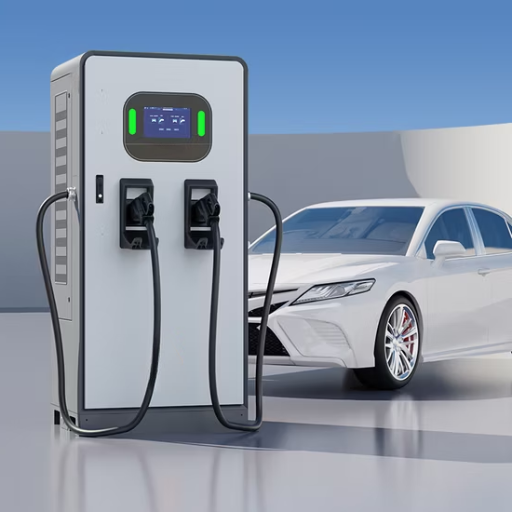
Level 1
Slow Charging
Level 2
Moderate Charging
DC Fast
Rapid Charging
What is an EV Charging Pile?
An EV charging pile, which people commonly call electric vehicle charging station, serves as a device that provides electrical power for recharging electric vehicle batteries. The stations function as essential facilities which support the expanding electric vehicle market by enabling environmentally friendly transportation methods. The current data shows that more than 3 million EV charging points exist worldwide in 2023, and the number of charging points is expected to increase substantially during the next several years.
Charging piles are distributed throughout several sites, which include residential areas and business locations and outdoor spaces and highway routes, to deliver charging solutions for electric vehicle operators. The devices use standardized connectors together with advanced communication systems to enable secure energy transfer, while their smart features include remote monitoring capabilities and mobile application support and dynamic pricing systems.
Components of an EV Charging Station
An EV charging station requires the following components to function properly.
- 01
Power Supply — This system supplies electrical energy which enables vehicle charging through its connection to either the power grid or renewable energy sources.
- 02
Charging Cable and Connector — The system transmits electrical power to the vehicle through standardized EV charging ports which the connector has been specifically designed to serve.
- 03
Charging Module — The system controls and manages electrical energy distribution to provide secure and effective battery recharging.
- 04
User Interface — The system offers users multiple interaction options through its display screens and buttons and card readers which enable users to make payments and track charging progress.
- 05
Communication System — The station uses this system to establish connections with mobile applications and payment systems and remote monitoring technologies.
- 06
Safety Mechanisms — The system employs protective elements which include circuit breakers and surge protectors to safeguard against electrical dangers and prevent overcharging.
The combination of these components creates an efficient and secure charging solution for electric vehicle drivers.
Importance of Glass Panels in Charging Solutions
The operational capacity and structural strength together with the customer interface experience of electric vehicle charging systems receive their main improvement through the usage of glass panels. The panels function as protective shields which safeguard delicate electronic elements against damage from environmental elements that include dust and water and extreme temperature conditions. The charging station maintains its operational performance through all outdoor weather conditions because of its protected mechanism which extends its operational lifespan.
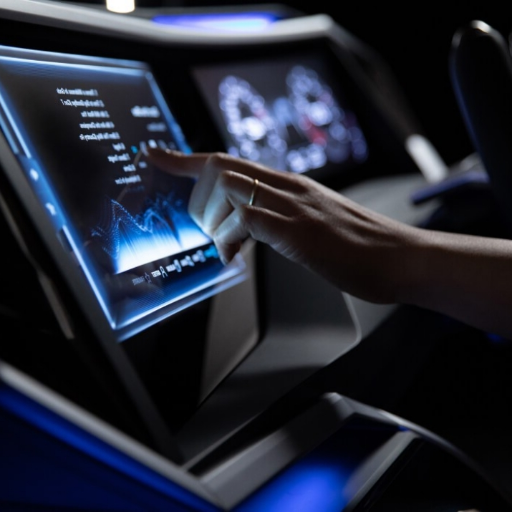
Glass panels serve their primary purpose through their capacity to back up user interface systems. The majority of contemporary charging stations use touchscreens and display screens to show vital information about the charging process and all pricing details and usage instructions. Glass panels not only protect these interfaces but also enable smooth, responsive interaction for users. The system achieves display protection through its ability to resist scratches and wear while maintaining full display visibility throughout its operational lifespan.
Glass serves as an environmentally sustainable option for electric vehicle charging stations because it can be recycled. The glass panels enhance the aesthetic appeal of the solutions through their modern design which integrates seamlessly with urban and commercial spaces. The usability and durability of electric vehicle charging systems advance through the essential role of glass panels which combine their practical functions with their visual design features.
Material Science Behind Glass Panels
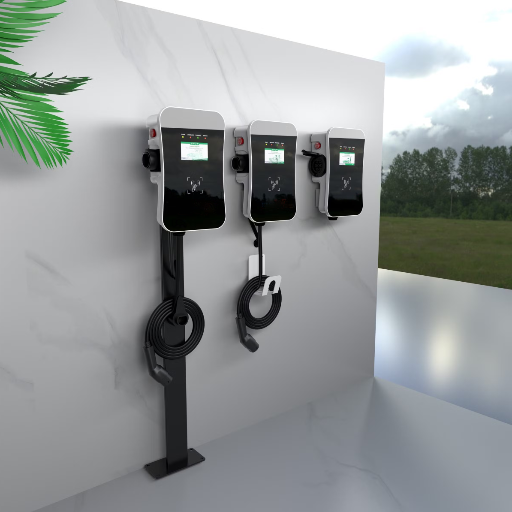
Types of Glass Used in EV Chargers
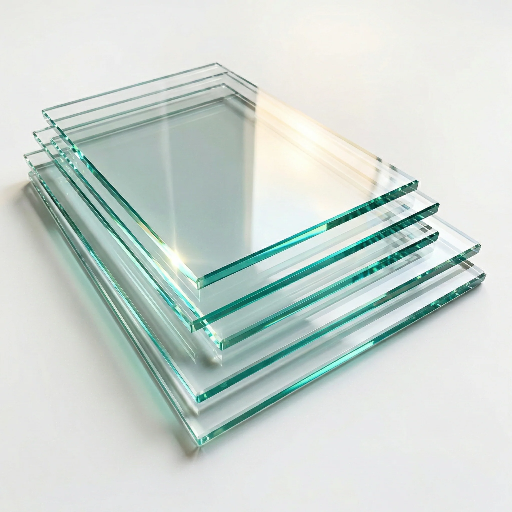
Tempered glass, laminated glass, and chemically strengthened glass are the primary types used in EV chargers.
| Type | Durability | Safety | Clarity | Cost | Usage |
|---|---|---|---|---|---|
| Tempered Glass | High | Shatters safely | Clear | Moderate | Screen covers |
| Laminated Glass | High | Impact-resistant | Very clear | Higher | Covers/protectors |
| Chemically Strengthened | Very high | Shatters safely | Superior | High | Face panels |
Durability and Functionality of Tempered Glass
The material properties of tempered glass make it an ideal choice for EV charging pile glass panels because it offers high durability and operational performance. The material achieves high strength through thermal or chemical treatment which enables it to withstand impact and scratches and normal usage damage, making it suitable for outdoor use. The main benefit of tempered glass results from its safety feature which causes the glass to break into small rounded particles that decrease the chances of physical harm. Tempered glass delivers outstanding optical performance which allows EV chargers to display information through their screens and touch panels that remain visible. The product delivers outstanding performance at an affordable price, which makes it attractive to customers because they can achieve their goals without experiencing high production costs. The various environmental conditions which affect EV charging equipment make tempered glass an ideal material to maintain equipment performance throughout its operational lifespan.
Coatings and Treatments for Enhanced Performance
To maximize the performance of glass panels used in EV charging stations, one must apply special coatings or treatments. The anti-reflective coating is beneficial for eliminating glare and enhancing visibility in different lighting conditions from a fundamental perspective since its goals involve promoting the clear accessibility of the information. This is of even more vital importance for settings wherein screens are needed to provide valuable information. Here, our users must be able to do this unperturbably amidst different light and background silhouettes.
Water-repelling coatings, on the other hand, that help in rescheduling, prevent the blocking of the glass surface due to rain or water. These layers ensure clarity of visibility through adverse weather caused by heavy rains and dew. Annoying points of egress are also thwarted from forming, which means fewer streaks, dirt accumulations, and the glass stays cleaner for extended periods.
An anticorrosive treatment was applied to the glass panels to protect their durability when they became less prone to environmental elements for wear and user handling. The chemicals used at the plant make the plant labile. Protection against scratching occurs from bulk debris and from user interference, and these elements make the panel perform and look like new. Extended life and increased performance will ensure the future use of these glass panels in EV charging stations is perfect for modern consumers.
Manufacturing Processes for Glass Panels
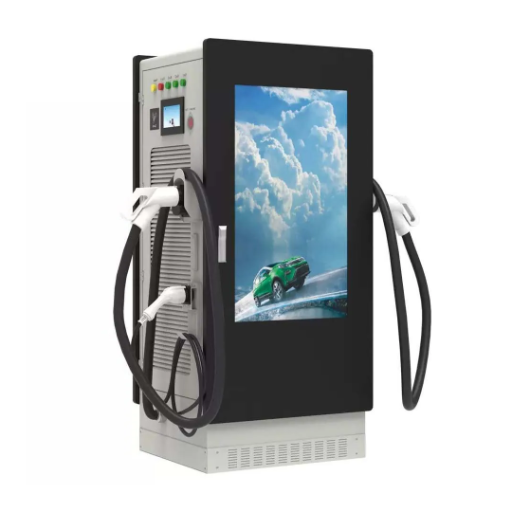
Precision Cutting Techniques
Laser Cutting · Waterjet · CNC · AI-Assisted
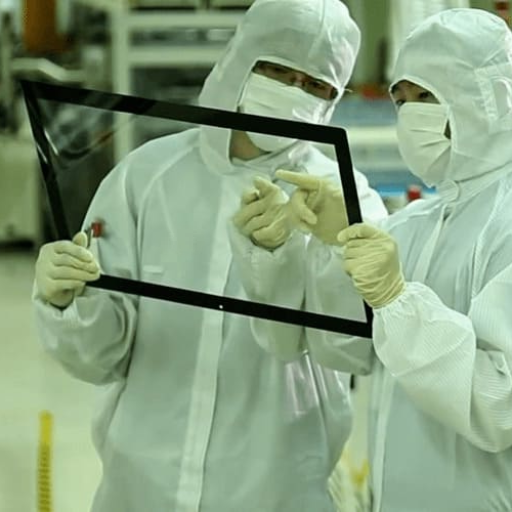
Modern precision cutting techniques for EV charging pile glass panels use advanced technologies to achieve their maximum level of precision and operational performance. Laser cutting serves as a common technique which employs high-powered lasers to produce exact and clean glass cuts which do not induce any stress or harm to the material. The technique enables organizations to achieve design requirements through its ability to maintain proper material usage while designing contemporary EV infrastructure components.
Waterjet cutting has become a popular choice because it enables users to cut glass materials while avoiding heat production which makes thermal stress fractures less likely to occur. The method employs a high-pressure water jet which contains abrasives to produce a continuous cutting stream that can cut through glass materials. The two methods demonstrate how automation and computer numerical control (CNC) systems function as essential components which enable manufacturers to produce identical products across large production runs.
Recent data demonstrates that AI and machine learning technologies enhance operational efficiency through their implementation in industrial processes. AI algorithms use data to create predictions about cutting patterns which help companies to maximize material efficiency while reducing production errors. Precision cutting has become essential for producing high-quality glass panels used in EV charging stations because it ensures their durability while supporting the industry’s demand for sustainable and high performance solutions.
Silk Screen Printing and Customization Options
Branding · Custom Finishes · UV Protection
Silk screen printing provides an adaptable and long-lasting technique which enables the creation of custom designs on EV charging pile glass panels. The process enables artists to precisely create patterns and logos and text which they will apply directly on the glass surface. The final result achieves both attractive visual effects and permanent resistance against color fading. Silk screen printing allows manufacturers to create custom panel designs which match their branding needs and design requirements through its extensive color and finish and texture options. The customization process allows clients to select between functional features which enhance the glass panels’ performance and durability in different settings through the addition of anti-glare coatings and UV protection.
Tempering Processes for Strength and Safety
Thermal Treatment · Safety Compliance · Extended Lifespan
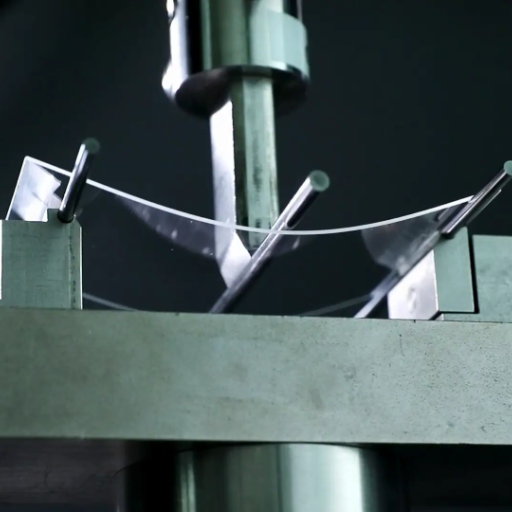
The glass panels that function as components for EV charging stations need tempering processes to improve their ability to withstand forceful impacts and maintain their structural integrity. The process of tempering glass involves heating the material through controlled methods before subjecting it to instant cooling which produces stronger glass that can withstand greater mechanical loads. The process results in tempered glass achieving multiple times the strength of standard annealed glass which protects against breakage under both regular and extreme pressure situations.
The safety features of tempered glass represent another major benefit which it provides. When breakage happens the glass breaks into small fragments which create less danger than sharp dangerous shards. The public safety requirements for EV charging pile panels make tempered glass the perfect material because it meets strict safety regulations. The design of tempered glass protects users from injuries which occur during unintentional collisions while meeting safety standards for various operational settings.
Tempered glass demonstrates greater resistance to environmental elements which lead to its extended lifespan. The material can endure temperature changes and endure severe weather conditions which involve extreme heat and powerful winds and rainfall. The panels benefit from these characteristics which increase their lifespan while maintaining dependable performance under outdoor conditions. The tempering process establishes an ideal combination of strength and safety and environmental protection which makes it the preferred material for contemporary EV charging pile applications.
The Role of Glass Panels in EV Chargers
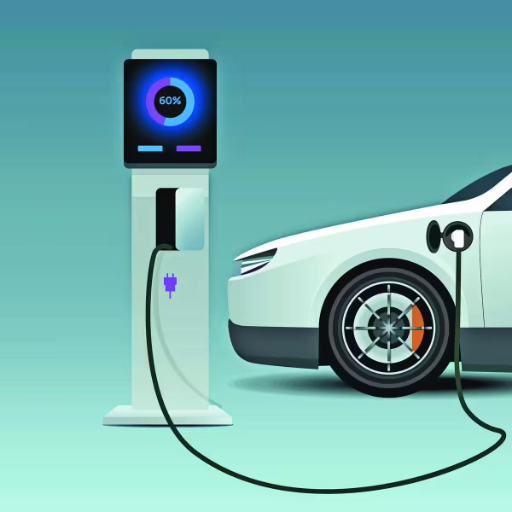
Benefits of Tempered Glass Panels
Waterproof Features in Charging Pile Enclosures
Delays in some charger bumper components are often applicable to achieving most without any glass panels in EV charging piles structural columns. The critical aspect is the use of high-quality tempered glass which provides a comprehensive waterproofing solution, locking out water from reaching the interior, and protecting the components from any moisture ingress. Most importantly for the chargers, which are installed outdoors, because the weather in those areas can change, for example, there might be excess rain or moisture. Besides, design limitations associated with water penetration are eliminated by incorporation of glass panels, thus preventing the structure from rusting and losing its purpose.
Glass panels also help in waterproofing by providing a non-porous and smooth surface that allows easy sealing of other components. Such designs incorporate IP rating sealing technology, making the devices dust and waterproof for a certain level as per the industry requirements. All these innovations help in preserving EV chargers as well as their efficiency and safety levels irrespective of the environment where they are used. As such, tempered glass panels are a central element in any EV Charging Pile Glass Panel as it contributes to the system’s functionality as well as durability.
Customizable Glass Panels for EV Chargers
EV chargers are also embedded in custom glass panels for practical and ornamental use. Such panels come in different sizes, in several colors and with a variety of finishes, which allows the designers of EV chargers to adapt their designs to the client’s requests – to the extent of their brand or user requirements. In the process of evolution from present-day panel systems to the incorporation of complex options such as anti-glare coating or high touch technology, not only do such panels simplify the system for the users but also preserve the system in optimal condition.
Additionally, since the research and interest regarding EV charging stations is accentually increasing in the world at large, the customers are more inclined towards the companies who provide the products that are sustainable or innovative or both in nature. In this sense, it is evident that developers of customizable glass panels with environmental materials and innovative technologies have grand prospects for future development in the EV market overcoming present challenges as they can provide all the required functions in an environmentally friendly manner.
Design Considerations for EV Charging Stations
Aesthetic Integration of Glass Panels
The elements of the glass panels in EV charging stations have great importance in the exterior appearance as well as in the integration of such stations into the landscape. Customers’ behavior is strongly oriented towards appealing charging stations, with an efficient modern design. Customization of the design of charging stations with decorative glass panels that have matte or bright color finishes, or, for example, use of dynamic furniture will allow improving the aesthetic image of the charging stations at the place of their installation. The approach stemmed from the increasing need to recognize the practical import of the aesthetically infused solutions that aim to enhance practicality, including the dictates that attempts are made to adequately produce an aesthetically pleasing aspect of an EV Charging Station as well.
User Interface and Display Features
Enhanced user interface and display features of the EV charging pile glass panels are essential for the improved comfort of use, better efficiency, and accessibility. Contemporary charging stations include high-definition touch screens covered with strong and weather proof glass panels so that they could be seen and used in any lighting condition. These user interfaces allow clients to check the progress, follow instructions on how to use the model or pricing meant to save the time of the user.
Moreover, several panels are equipped with multi-language settings to facilitate ease of use for various world populations. Additionally, relatively sophisticated ones allow for rotating electronic billboards on the station or any other functional panels as they are considered a piece of furniture. Compatibility with applications and near-field communication payment cards makes payment hassle-free, with glass displays having extra LEDs to instantly notify the current status of the ongoing activity. Such features help improve the charging efficiency process without sacrificing user friendliness, thus enhancing the creativity level of the design of the charging pile within reach of the users.
Waterproofing and Environmental Resilience
An EV Charging Pile Glass Panel cannot be subject to the damage from the elements without attempting to protect it against waterproofing and adverse conditions, such protections are crucial to ensuring the performance and lifespan of such installations. For example, glass panels sections of charging stations for electric vehicles are accessible in scalps that are second to none in terms of water resistance due to state of the art techniques of glass sealing such as silicone rubber edged with mastic strips. These applications consume a lot of silicone but with high IP ratings, which are often IP67 and above, regarding dust proofing and fluid repellency in connection with emersion.
Additionally, the glass panels are manufactured to be impervious to temperature differentials, damage from the sun and degradation caused by humid or polluted environments. Using a tempered glass or chemically reinforced glass facilitates further enhancement, so that the glass panels offer structural stability and clarity over a widespread period of usage. Annexing smart coatings like anti-smudge or anti-glare films also adds value to the design and lengthens its service life because any degree of durability occurs in harsh environmental conditions. Installing such protection aims to increase durability of such equipment, i.e., the EV Charging Pile Glass Panel.
Reference Sources
Frequently Asked Questions
What are the advantages of glass panel for charging pile on an electric vehicle charger station?
The electric vehicle (EV) charging unit uses glass panels that have several important advantages, including improved appearance, transparency, and LCD screen integration, providing easy surfaces for cleaning and maintenance, as well as durability and safety to a certain extent when made from tempered glass for use in EV applications. Glass panel design might also be customized by the manufacturer to meet specified designs for end chargers which may be pedestal-mounted or wall-mounted in either indoor or outdoor settings.
How can tempered glass improve safety glass and impact resistance for charger pile units or the same?
Glass will be heat-treated as a safety glass tempered glass or EV tempered frosting glass, meanwhile increasing its impact resistance and manufactured to endure constant usage and environmental tensions. Similarly, its safety glass diminishes the possibilities of sharp shards upon shattering, maintains and keeps itself subject to site quality control, supporting durability and safety for both 7kWh and 22kWh AC charger piles and AC charger pedestals placed in public charger stations.
What are the right specifications of glass panel for charging station and of charging station cover glass?
It should be thickness, grinding-edge finish, transparency level (clear or frosted), impact grade, temperature tolerance indoors and out, compatibility for 7kW and 22kW chargers, flange-hole patterns, and whether all regulations meet the highest, strict quality and safety glasses. Confirm that the glass cover and cover glass meet the charger station’s electrical and mechanical requirements.
How durable are glass panels for charging piles and do they support durability and safety in parking lots?
Glass panels built for charging piles would be really durable and long-lasting in basic use in parking lots and other outdoor settings especially as tempered or laminated glass. In pursuit of providing truly vandal-proof, weather-proof, and ultradurable glass with lasting safety, the glass system can take the biggest of hits. Its lightweight feature and glass smoothness make it easier to clean and maintain the glass for a longer time.
Are glass panels suitable for both AC charger and AC installations in indoor and outdoor charger stations?
Given the consideration that the proposed standard states that while applying the tempered glass indoor for EV environment and cooling locations for CE marking. Possible discussion points would lay down the actual standards utilized to admit mounted glass AC charger for an EV under this given condition.
What mounting and installation considerations are suggested for the glass panel pertaining to the charging pile, the installation of the charger station?
Mounting must comply with methods of secure attachment necessary for an appropriately ground and thick glass panel, bracketry that is compatible from the supplier for supplier and proper weather sealing; alignment is essential among the pedestal or charger pile enclosure. For cable routing, screen LCD visibility needs to be ensured and maintenance should be easily possible; poor connection and cable mounting mountings degrade the working lifetime; follow manufacturer specifications for protecting the integrity of the safety glass.