Get in Touch with Saiweiglass
3D Curved Glass
3D Curved & Bent Glass Manufacturing
Custom curved glass provides solutions for electronics, automotive and architectural applications – from prototyping to mass production.
What Is Curved & Bent Glass?
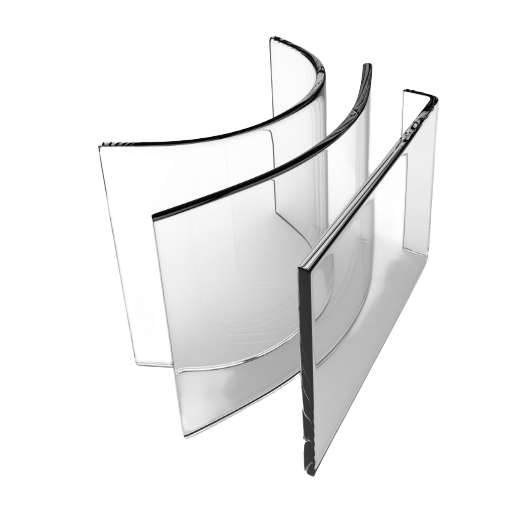
Curved glass is any flat glass that has been bent into a non-planar shape under controlled heating and forming. While flat glass can simply be a barrier or a window, curved glass adds depth, visual interest, and structural form to products and buildings. The glass industry recognizes three curved glass categories based on the complexity of the bend.
Single-axis bending
creates cylindrical curves — the glass bends along one axis while remaining straight along the other. This is the most common form used in architectural glazing, storefront displays, and railings. Single-axis bends produce a predictable, uniform curve over spans of several meters.
Read More +Compound or double-axis bending
produces spherical curves where the glass bends in two directions simultaneously. Dome skylights, observation decks, and some automobile windshield shapes use this geometry. Compound bends require more sophisticated mold engineering.
Read More +3D curved glass
is the most complex category, with variable radii across its surface. This type of glass is found in consumer electronics — curved-edge smartphone touch panels, wrap-around smartwatch faces, tablet display covers — and requires multi-zone heating and CNC-machined precision molds.
Read More +Annealed bent glass vs. curved tempered glass
may be significant to specifiers. Bent glass is formed by gravity or mold bending at 600–700°C, in which heat-softened flat glass takes the shape of the mold beneath it. The resulting piece is annealed (normal strength). Curved tempered glass is bent during the tempering process at 680–720°C, then cooled rapidly by air jets. This simultaneous bend-and-temper process produces a panel 4–5x stronger than annealed glass while holding its curved shape. We produce both at Saiwei using our dual-facility processing operation, which allows us to select the right process for each project.
Read More +Types of Precision Bent Glass Products
Under the Saiwei brand, four main categories of curved glass products are produced. These four distinct series satisfy the different performance specifications already outlined, from safety to thermal insulation and optical transparency to tactile.
Curved Tempered Glass
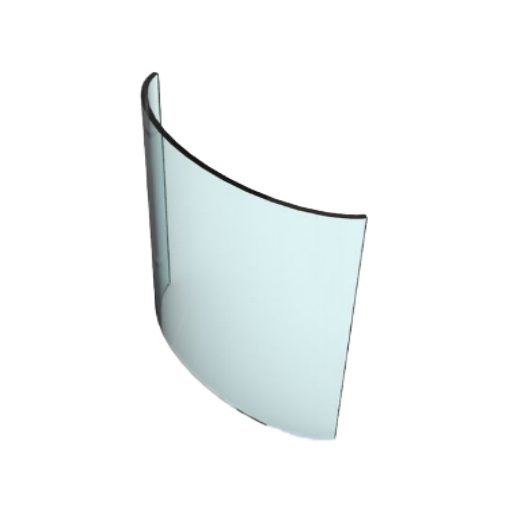
Bent during the tempering cycle, yielding 4–5x the strength of annealed glass. When broken, it fractures into small granular fragments instead of sharp shards, qualifying it as safety glass. We manufacture curved tempered panels for facades, balustrades, railings, shower enclosures, and structural glazing in commercial buildings. Thickness range: 3–19 mm. Maximum panel size for tempered curved glass: 2440 × 3660 mm.
Curved Laminated Glass
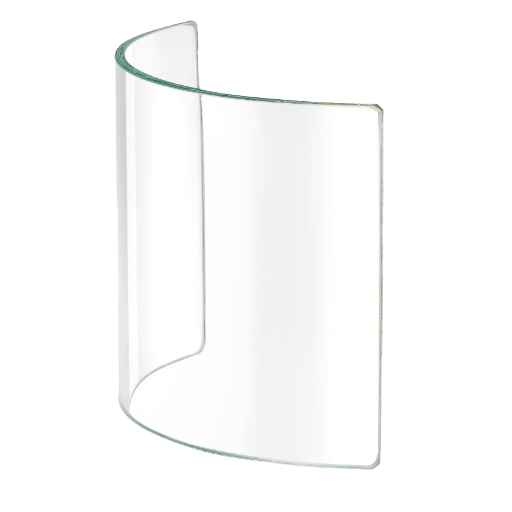
Two or more curved glass plies adhered together with PVB or SGP interlayer, applying heat and pressure. The interlayer maintains fragments of the curved glass in position post-impact, giving post-breakage safety and fall protection. Curved laminated glass is used for overhead glazing and skylight installations and automobile windscreens. We manufacture laminated assemblies with hot-bent or curved tempered plies in configurations from 3+3mm to 12+12mm.
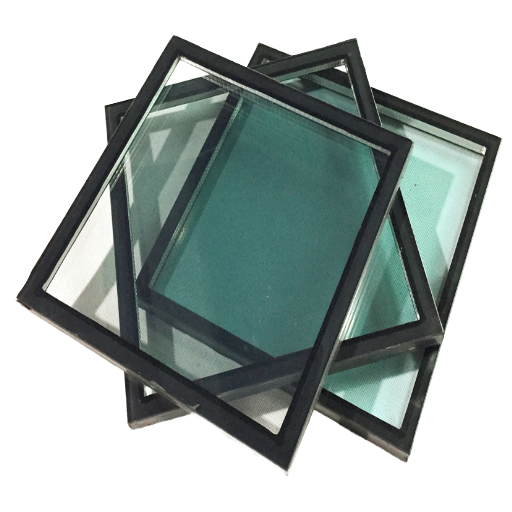
Curved Insulating Glass Units
Double- and triple-glazed curved IGUs with a sealed air/argon filled cavity between the glass panes. Insulating glass units for thermal-efficient building envelopes, such as curtain walls, atriums, and climate rooms. Our curved IGUs reach U-value of 1.1 W/mK with Low-E coating and argon fill on the IGUs, therefore complying with the most demanding energy regulation in Europe and North America.
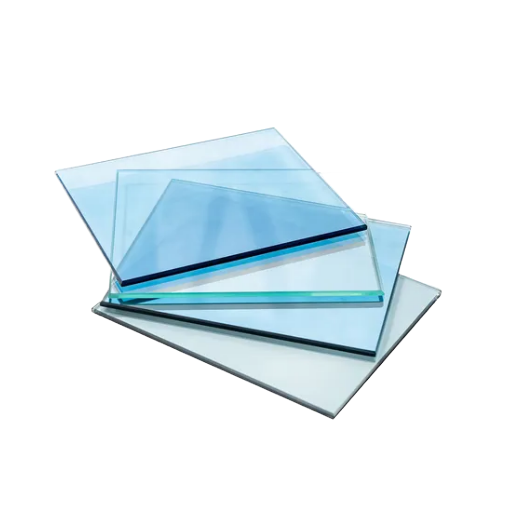
Coated Curved Glass
Curved glass panels with functional surface coatings: AR (anti-reflective) coating achieves >98% transmittance, AG (anti-glare) coating for diffused reading, AF (anti-fingerprint) coating for consumer products, and ITO (indium tin oxide) coating for transparent conductive touch panels. Coated glass products improve the visual clarity and touch response of display assemblies.
3D Curved Glass Methods: Hot Bending vs. Curved Tempering
Selecting a glass bending method that suits your application, required strength, and minimum bend radius comes down to a few key considerations. The two primary methods — hot bending (gravity/mold) and curved tempering — differ in capability and output, and the table below compares them.
| Parameter | Hot Bending (Gravity/Mold) | Curved Tempering |
|---|---|---|
| Temperature | 600–700°C | 680–720°C |
| Minimum Radius | 50mm (electronics) to 300mm (architectural) | Typically ≥500mm |
| Strength | Annealed (standard) | 4–5x stronger (tempered) |
| Thickness Range | 0.5–19mm | 3–19mm |
| Applications | Electronics, automotive displays, decorative panels | Facades, railings, partitions, safety glazing |
| Safety Behavior | Standard breakage (sharp shards) | Breaks into small, blunt cubes |
Hot bending offers the most freedom in shaping curved glass components. A longer heating cycle softens glass gradually, making it possible to form tighter radii and more complex shapes. Our tempering oven fleet supports larger architectural panels where strength matters more than curvature. Many projects use both processes – such as a hot-bent internal panel laminated to a curved tempered outer panel for a high strength, highly complex shape assembly.
Technical Specifications & Curvature Parameters
Below are the full specification ranges for curved glass that we manufacture at our facilities. All numerical values are derived from tested production capability and do not represent theoretical maximums. Engineers and procurement teams can use these values to verify feasibility before issuing a formal RFQ:
| Parameter | Range | Notes |
|---|---|---|
| Glass Thickness | 0.5–19 mm | Borosilicate: 0.5–4mm; Soda-lime: 2–19mm |
| Minimum Bend Radius | 2.5 mm (edge) / 50 mm (surface) | Electronics: 2.5–50mm; Architectural: 300mm+ |
| Maximum Panel Size | 3200 x 2400 mm | Hot bent; tempered curved up to 2440 x 3660mm |
| Tempering Standard | EN 12150 / ASTM C1048 | Fragmentation: ≥40 pcs per 50 x 50mm area |
| Surface Coatings | AR, AG, AF, ITO, Ceramic Frit | AR transmittance ≥98%; ITO: 3–800 Ω/sq |
| Chemical Strengthening | CS ≥ 700 MPa, DOL ≥ 30 μm | For cover glass ≤ 2mm thickness |
| Optical Quality | Distortion < 0.5 mrad | Measured per ISO 3537 (automotive grade) |
| Color Uniformity | ΔE < 1.0 | Silk screen printing, ceramic frit applications |
These parameters define the geometry and performance envelope in which we produce monolithic curved glass panels. Concave and convex configurations are both manufacturable Monolithic curved glass forms, though it is more common to find concave bends (which imply inward-curving glass) for display housing, where as more convex (outward-curving) forms are seen for architectural facade applications. In the event that your interface shapes exceed the above listed ranges, please contact us for a feasibility study appointment. Our mold engineering team reviews all non standard requests within two business days:
Curved Glass Cost Estimator
Get an instant ballpark estimate for your curved glass project
Your Estimated Cost Breakdown
Unit Price
—
Tooling Cost
—
one-time
Lead Time
—
estimated
Cost Component Breakdown (mid-range estimate)
Estimates are ballpark figures based on typical project parameters. Contact our engineering team for an exact quote tailored to your specifications.
Get a Detailed QuoteCurved Glass Applications: Electronics, Automotive & Architecture
3D curved glass and bent glass serve three major industries, each with its own specifications, standards, and design constraints. Saiwei supplies all three from two dedicated fabrication platforms.
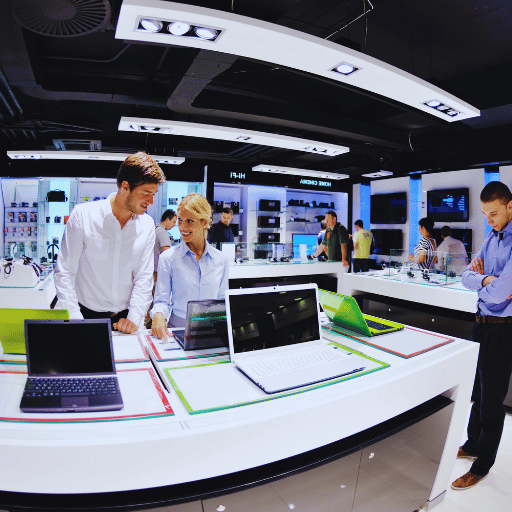
Consumer Electronics
3D curved glass is available for smartphones, smart wearables, tablets, and laptop displays. Our electronics glass line supports edge radii down to 2.5 mm for chemically strengthened cover glass (CS above 700 MPa, DOL above 30 μm). AG and AF coatings are available for fingerprint resistance and glare control. We process both soda-lime and aluminosilicate substrates from 0.5 mm to 2.0 mm thickness, so each glass product achieves the desired optical and tactile performance.

Automotive
Hot bent cover glass for HMI (Human-Machine Interface) displays, instrument clusters, infotainment screens, center consoles, and rearview mirrors. Automotive cover glass must show optical distortion below 0.5 mrad (measured per ISO 3537), ITO coating for capacitive touch, and pass SAE testing. We supply European and Asian Tier 1 automotive suppliers with annual volumes from 10,000 to 500,000 pieces per program.

Architecture
Curved glass for external use on facades, skylights, railings, partitions, revolving doors or interior decoration. curved glass materials for Architecture are typically large format panels; up to 3200 x 2400mm on hot bent glass, configured as single-axis or compound curvature. We fabricate Low-E coated, ceramic frit and insulated glass unit facades. Each architectural panel includes an EN 12150 certificate of safety glazing and all production runs undergo full panel fragmentation testing at our factory.
Custom Curved Glass Fabrication Process
All custom glass orders at Saiwei — whether flat or curved — are manufactured using a six-stage glass fabrication pipeline. These six process stages apply whether glass is produced on a small batch basis for electronics prototypes or on a high-volume production basis for architectural panels, with quality gates at every stage:

01
Design Review & Mold Engineering
Our engineering team reviews your DXF or DWG files, checks dimensional tolerances, and then produces a graphite or steel mold design matched to your glass geometry. Electronics cover glass specifies CNC-machined graphite molds with Ra ≤ 1 μm surface finish. Larger architectural panels may specify carbon-ceramic coated steel tooling to withstand multiple thermal cycles.
02
Precision Cutting & CNC Profiling
Flat glass blanks are scored and broken using diamond scoring knives into the required blank size on our automated cutting line. Edge grooves, notches, and precision cut-outs are then machined on CNC grinders before profiling into the shapes required for bending. Edge quality at this stage strongly influences the final mechanical strength and fracture resistance of the finished product.
03
Hot Bending / Curved Tempering
Glass is processed in multi-zone automated furnaces with computer-controlled temperature profiles. For hot bending, the glass softens at 600–700°C and settles into the mold shape by gravity. For curved tempering, the glass reaches 680–720°C while being simultaneously shaped and quenched. Zone-to-zone temperature variation is held within ±2°C for consistent results across high-volume production runs.
04
Surface Treatment & Coating
Post-bending treatments may include AR, AG, AF, and ITO coatings deposited using spraying, sputtering, or silk screening processes. Silk screen digital registration allows application of logos, icons, and border designs, while color matching stays within a Delta E threshold below 1.0. Chemical strengthening (ion exchange process) is available for thin cover glass when a CS of 700 MPa or greater and a DOL of 30 μm or more are required.
05
Quality Inspection
Every piece passes a series of quality tests including dimensional measurement on a coordinate metrology instrument, optical distortion scanning, adhesion tests (cross-cut testing with 3M 610 tape to verify adhesion reaches Grade 4B or better, with ≤5% peel), and visual inspection for surface defects. Each piece is photometrically graded, and pieces that fall below specification are rejected — we do not ship second-grade product.
06
Packaging & Global Shipping
Custom foam crating supports each piece throughout transport. For electronic cover glass, individual parts are packed in slot trays. Architectural panels are placed into A-frame crates with edge protection. Saiwei arranges sea freight, air freight, and express courier worldwide, with export documentation and customs clearance support for OEM customers in North America, Europe, and the Middle East.
3D Curved Glass Pricing Factors
Bent glass pricing depends heavily on project demands. In flat glass manufacturing, only material thickness and sheet size govern pricing, whereas in curved glass manufacturing, cost is a direct function of bending complexity, capital equipment amortization, and finishing processes. Below are the factors we discuss with customers when building a quote.
1
Glass Type & Thickness
— Soda-lime (most common and most cost sensitive), borosilicate (for thermal resistance), and aluminosilicate (for chemical strengthening) each have different raw material costs. Thicker substrates require greater temperature banks and larger toolsets.
2
Bend Complexity
— Single-axis bends are most energy-efficient and cost-effective. Compound or double-axis bends add 30–50% to fixture cost because of more complex tooling. Non-symmetrical geometry demands 3D CNC-machined dies and tighter process control.
3
Minimum Radius
— Smaller radii may double or triple bend cost due to the need for special tooling materials (graphite rather than steel), slower heating ramps, and higher rejection rates. Radii below 10 mm often require one-off tooling fixtures.
4
Surface Treatments
— Each layer of coating or dye (AR, AG, AF, ITO, frits) requires additional processing steps and capital investment to deposit. Multi-layer stacks accrue cost cumulatively. Generally a single coating adds 15-30% to the total unit price.
5
Order Batch
— Tooling costs for glass forming dies (usually between $500 and $5,000 based on complexity) are amortized across all pieces of a given product specification. Larger order volumes drive down the piece price as each tooling dollar is leveraged across more pieces, while the minimum feasible order is 100-500 pieces.
6
Quality Level
— Medical, aerospace, and automotive designs necessitate tighter tolerances and rigorous documentation with stricter process controls. These programs carry a larger inspection and monitoring burden than standard building fenestration projects.
7
Cost of Packaging
— Individually foam-tray packaged electronics glass costs more than a bulk A-Frame crating for an architectural panel. Packaging method impacts shipping volume as well as freight cost.
Our fully transparent pricing structure means no hidden charges. We display itemized quotes with glass material, bend, coating, inspection, tooling, and packaging as line items. This transparency enables your procurement team to determine where their budget constraints occur and prioritize the tradeoffs.
Request a Detailed Quote
Send us your drawings, specifications, and volume estimate. Our engineering team will respond with a complete cost break down and lead time within 48 hrs.
3D Curved Glass Global Case Studies
The following three projects demonstrate how Saiwei’s curved glass manufacturing expertise has delivered solutions to multiple markets, geographies and volume ranges:
Case Study 01 — Automotive
Automotive HMI Display Panel — European Tier 1 Supplier
Challenge
a European Tier 1 supplier in the automotive sector required 12.3-inch curved display cover glass with anti-glare coating and tight optical distortion specification for a car platform. It was designed as a compound curve, with surface distortion of no more than 0.5 mrad, measured in accordance with the standard ISO 3537.
Solution
1.1mm chemically strengthened aluminosilicate was selected, hot bent in a CNC-machined graphite mold, prior to applying a single AG coating. Chemical hardening provided a CS in excess of 750 MPa. Dedicated gauging equipment designed to measure to the customer’s specifications was produced.
Outcome
The panels proved compliant to SAE J3105 optical distortion testing the first time. Saiwei supplied 50,000 pieces in a 12 week run, with a yield of above 96% for the first pass. This project has since expanded to include a second display design.
Case Study 02 — Consumer Electronics / IoT
Smart Home Control Panel — US IoT Company
Challenge
a United States based smart home provider wanted a 7-inch concave face panel with a surround for water-resistant assembly, a concave feedback button area, and silk-screen icons for a wall-mounted home control. The component had to incorporate ITO for capacitive sensing and meet IP65 rating
Solution
3mm soda-lime glass was used, CNC cut profile with the conical button recess machined before the bend. Once the glass was hot, an ITO sputtered coating provided the conductive (150 ohm/sq sheet resistance) layer, followed by feedback icons silk screened. Colour consistency was held below a Delta E of 0.8 for the run.
Outcome
The completed assembly achieved IP65 water tight certification. Saiwei now participates in mass production over 200,000 panels annually for this program, with monthly shipments to the customer’s contract manufacturer in Shenzhen. This project showcases our ability to integrate glass bending, CNC profiling, ITO coating, and decorative printing into a single product.
Case Study 03 — Architecture
Commercial Building Facade — Middle East Architectural Project
Challenge
A commercial tower project in the Middle East called for large curved insulating glass units (2400 x 1500mm) for a dramatic sweeping facade. The desert environment dictated the use of a solar control specification with an extremely low or zero SHGC while still affording high visible light transmittance for daylighting. The craftsmanship of every panel was subject to the project architect’s exacting aesthetic specifications for reflection uniformity.
Solution
We fabricated high-performance Low-E coatings on Surface 2 of high bend radii soda lime tempered glass, then assembled the glass into double glazed IGUs with a 16mm argon fill. Each IGU was edge-sealed with structural silicone, to ensure long-term gas retention. Single-axis bending was performed on 1200mm diameter steel molds.
Result
Our IGUs achieved a U-value of 1.1 W/m K and SHGC of 0.25, satisfying the project’s energy requirements. Saiwei shipped 3,200 single-axis curved panels over 8 months, synchronized to the installation schedule of the facade. The curved glass chosen for the bent glass project proved its value when it passed the architectural mock-up test on the first iteration.
3D Curved Glass Engineering Tools
Frequently Asked Questions
Pricing for curved glass depends on numerous factors. Glass type, thickness, bend radius, surface coatings, and order volume all influence pricing. Simple single-axis architectural bends typically range from $30-80/sq ft for tempered curved glass. Complex 3D bends employed in electronics retail $2-15/pc depending on size and coating requirements. Mold tooling costs range from $500-5,000 depending on complexity. Contact our team to learn more.
Yes. There are two methods. First, glass can be tempered after bending — flat glass is heated, shaped in a mold, then rapidly cooled. This produces curved tempered glass with 4–5x the strength of annealed glass. Second, already-tempered flat glass cannot be re-bent because reheating would relax the temper. Always specify whether you need tempered curved glass at the design stage.
Hot bending involves heating flat glass to its softening point (600–700°C), then allowing gravity to pull it into a mold shape. The glass cools slowly (annealing) to relieve internal stress. This process allows tight radii and complex 3D contours that curved tempering cannot achieve. Saiwei uses multi-zone computer-controlled furnaces paired with graphite molds to produce high-precision shapes with ±0.3 mm tolerance on electronics-grade cover glass.
Minimum radii depend on glass type and thickness. For thin electronics-grade cover glass (0.5–1.1 mm), edge radii as small as 2.5 mm and surface radii of 50 mm are achievable through hot bending. Architectural curved tempered glass requires a minimum radius of 300–500 mm for standard thicknesses. Laminated glass follows similar technical limits but requires special interlayer processing for tight-radius bends.
Yes. AR, AG, AF, and ITO coatings can all be applied to curved glass. For hot bent glass, coatings go on after bending. For curved tempered glass, ceramic frit printing happens before tempering. Multi-layer stacks like AR+AF are available for touchscreen applications.
Lead times depend on volume and complexity. Prototype runs (1–10 pcs) require 2–3 weeks including mold making. Production runs (100–10,000 pcs) with existing molds require 2–4 weeks. Large architectural runs (1,000+ panels) are scheduled within a 6–12 week window. Saiwei’s dual-factory setup (Dongguan + Henan, 40,000 pcs/day combined capacity) supports parallel runs for time-critical schedules.
It all depends on the processing method. Hot bent glass that is only annealed has comparable strength to flat annealed glass — bending alone does not add strength. However, curved tempered glass is 4-5x stronger than flat annealed glass because compressive stress is induced at the surface during tempering. Curved laminated glass adds impact resistance through the PVB or SGP interlayer. For safety-critical applications like automobile glazing, facades, and balustrades, curved tempered or laminated safety glass is mandated by EN 12600 and ANSI Z97.1. The choice between tempered and laminated depends on whether the application requires post-breakage retention — laminated glass holds fragments in place while tempered glass fractures into small, relatively safe granules. Saiwei produces both types with full EN and ANSI test certification.