
Get in Touch with Saiweiglass


Smart Home
Aesthetic Glass Panels for Smart Home & IoT Devices
Custom tempered glass panels designed for smart switch blanks, home appliance interfaces and IoT control panels. Silk screen printed with ceramic frit ink that is permanently colored and anti-fingerprint sleek, durable finish that lasts the entire lifespan of your device.
Get Instant Quote
0
+
Years OEM Experience
0
M+
Panels / Year
0
+
Equipment Sets
0
Color Printing
What Is a Smart Home Glass Panel?
A smart home glass panel is the visible front surface of a connected device- the surface your finger hits each morning in order to turn on the lights, modify the thermostat or confirm the oven timer. Unlike the cheap plastic fascias of the past, today’s smart home products rely on tempered glass, for one simple reason: glass looks better and lasts much longer.
Structural Protection & Product Identity
These glass panels primarily serve as our structural protection for the electronic underneath while also defining our product identity. Colors, icon layout, surface finish (matte, glossy or anti-glare) – all of those are on the glass, so when a customer grabs his smart switch in a store, that’s what he sees and touches.
Precision Manufacturing Process
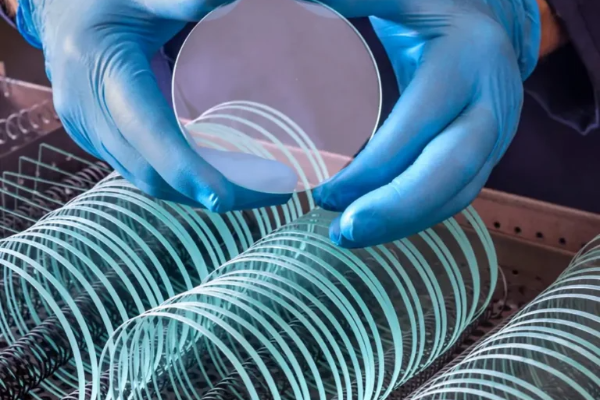
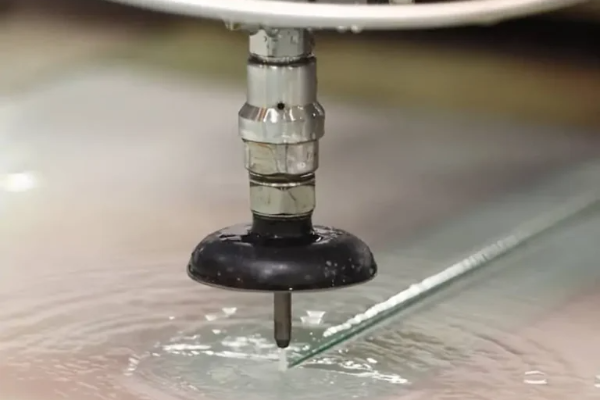
At manufacturing level, a glass panel for a smart home appliance runs through a few basic processes. Precision CNC cut to shape, grind edges, drill holes (for mounting and sensor windows), silk screen paint on graphics, surface coat (AF anti-fingerprint/ AFG anti-glare/ AR anti reflective) and final (set at about 680-720’c), tempering. Final temper is essential- it increases the panel strength 4-5x relative to annealed, and provides consumer electronics-grade safety break pattern per IEC 62368-1.
Long-Term Durability (10-15 Years)
A properly tempered glass panel when installed in a home environment does not prematurely wear out- it has no moving parts, no organic surfaces to deteriorate so the glass surface maintains its appearance and feel for the full lifespan of the appliance- about 10-15 years in the case of smart home hardware. That’s the real appeal for our product designers- these glass panels avoid a great deal of yellowing, scratching and surface deterioration seen by polymer-based substitutes after 2-3 years.

Types of Glass Panels for Smart Switches & Appliances
Not every smart home application requires the same type of glass. A wall-mountable capacitive touch switch panel that sees a typical indoor environment has different needs than an outdoor appliance control panel subjected to steam, heat, grease and water. Glass type, thickness and surface treatment should be suitable to operating conditions.
Most Common
Tempered Soda-Lime Glass
Commonly used glass for smart wall switches, socket arrays and indoor control panels. 2-4mm thick. Good light transmission characteristics. accepts silk screen graphics well, and lowest outright cost per piece. Used on most glass capacitive touch light switch panels around the world.
Premium
Chemically Strengthened Glass
Aluminosilicate glass treated in a potassium salt bath for higher surface compression. Thinner (0.7-2mm) but stronger. Used in very slim project interfaces and high end appliance display cover glass where panel thickness is critical.
Functional
ITO-Coated Glass
Indium tin oxide coating can turn the touch panel itself into the sensor so a separate capacitance sensor layer isn’t necessary. Used in integrated smart touch screen overlays in which panel level optimization accelerates assembly and reduces cost.
High-Heat
Ceramic Frit Printed Glass
Glass with fired-on ceramic ink that withstands sustained temperatures above 250°C. Necessary for oven doors, cooktop panels, heater fascias, and any appliance where standard organic inks would discolor or peel. The ceramic frit becomes part of the glass surface during tempering.
Display
Dead Front Glass
Panels printed with opaque layers that hide all graphics until backlit. When the device is off, the panel is a clean, uniform surface — sleek and uncluttered. Power it on, and icons, status indicators, or display windows appear through translucent zones. Popular in smart thermostats and premium appliance control panels.
Anti-Glare
AG / AF Treated Glass
Anti-glare (AG) etching diffuses reflected light for readability in bright environments. Anti-fingerprint (AF) nano-coating repels oils, keeping the glass surface clean between wipes. Most customers in the smart home segment request AF coating as a baseline — daily finger contact makes fingerprint resistance a practical necessity.
Silk Screen Printing & Ceramic Frit Technology for Glass Panels
Silk screen printing is the process that transforms a plain piece of glass into a branded, functional product interface. It uses a woven mesh screen — typically polyester or stainless steel at 200-400 mesh count — stretched over a frame. A photosensitive emulsion blocks certain mesh openings, defining the pattern while leaving design areas open. Ceramic frit ink is then pushed through the open mesh onto the glass surface using a squeegee.
What makes glass screen printing different from printing on paper or fabric is what happens next. The printed glass enters a tempering furnace at 680-720°C. At those temperatures, the inorganic ceramic ink fuses permanently into the glass surface. What comes out is a printed image that cannot be scratched off, washed away, or degraded by UV light. Print and glass become one material — which is why silk screen printed glass panels in buildings and appliances easily last 20+ years without visible fading.
Multi-Color Silk Screen Printing
Each color requires a separate screen and a separate print-fire pass. A two-color panel (black background + white icons) goes through the process twice. A six-color decorative glass panel runs six passes. Registration accuracy between passes must stay within ±0.1mm to prevent visible misalignment — especially critical for fine icon details on smart switch glass panels where the printed symbols are only 3-5mm wide.
At Saiweiglass, our high-precision screen printing equipment maintains this tolerance across production runs exceeding 50,000 pieces. We routinely produce panels with up to six colors for clients in the smart home sector who want brand-specific color palettes — a capability that many glass factories limit to two or three colors due to registration difficulty.
Dead Front Printing
Dead front effects require multiple ink layers with different opacity levels. The background is printed with fully opaque ceramic ink. The icon and display areas use a controlled-opacity layer — dense enough to appear uniform when unlit, but thin enough to transmit LED or LCD backlight when the device powers on. Getting that opacity balance right is largely a matter of ink formulation and squeegee pressure calibration during screen printing. We test each dead front batch under both ambient light and backlight conditions before approving production.
Silkscreen Glass for Decoration and Function
Silkscreen glass – whether called silk screen glass, screen glass or silkscreened glass – is a functional and aesthetic component of all smart home glass panels. For aesthetic-only designs on appliance fascias, the silkscreen print supplies the visual branding, decoration, and interface navigation. For functional panels – touch switches, hinges, displays, or other user drives – the silkscreen sets the locations of the touch zones. In both cases, the fired ceramic ink is extremely resistant to abrasion, cosmetics, solvents, and thermal cycling: it becomes molecularly bonded to the glass and cannot be removed without microfracture.
Ceramic Frit vs. Organic Ink
Some glass printers use inexpensive UV-cured organic inks as a cost-effective alternative to ceramic frit. While organic inks suffice on indoor decorative panels that see no touch contact, the level of wear and de-lamination in smart home glass panels from both daily hand-wash and cleaning chemical use permanently degrades the organic pattern within 18-24 months. Across more than 200 smart home OEM projects, ceramic frit remains the only sustainable printing technology that survives high-volume use without warranty claims for ink wear.
Compatibility with Laminated and Insulated Glass
Silk screen printed glass may be incorporated into laminated panels (two pieces of glass adhered with PVB or EVA film) or into insulating panels (two sheets of glass separated by a sealed air cavity). Laminated glass is specified where safety rules prevent the panel from coming apart after impact – common in public-use smart home frames and digital signage. Insulation is specialized less often in the smart home industry, favoring due to energy savings in smart window automation & interior smart appliances, occasionally incorporated into IoT panels on building exteriors for exterior energy savings. The silkscreen is fired prior to the lamination or insulating assembly.
Smart Home Appliance Glass Panel Applications: From Wall Switches to IoT Control Panels
Everyday uses of glass panels embedded in smart home are more many than you might think. When a product designer needs a surface that is premium-feeling, easy-to-clean, and capacitive Touch friendly, glass is the conduit of choice. The most prevalent designs we fabricate are:
Smart Wall Switches
1-4 gang capacitive touch switches with icons applied in silkscreening. 86mm or 120mm standard size. Glass thickness: 2-3mm. Compatible with WiFi, Zigbee, or RF433 protocols through OEM-supplied electronics.
Smart Dimmer Panels
Capacitive touch zones for lighting dimmer controls. Requires precise registration of the capacitive sensing area with the printed slider graphic on the glass surface.
Thermostat & HVAC Controls
Display panels with deadfront glass & display apertures—round, oval, rectangular, square. Typical diameter 80-100mm. AF coating standard for daily touch operation in home automation systems.
Kitchen Appliance Panels
Oven doors, cooktop controls, coffee machine interfaces, microwave panels. Ceramic frit printing rated for sustained heat. Glass thickness: 4-6mm. Must meet IEC 60335 requirements for household appliances.
Bathroom & Sanitary Controls
Smart toilet panels, heated towel rail switches, bathroom ventilation controls. Waterproof mounting design. Non-porous glass resists moisture and cleaning agents better than any polymer alternative.
Access Control & Door Locks
Fingerprint reader windows, keypad panels, and smart lock fascias. Chemically strengthened glass for vandal resistance. Clear visual zones for fingerprint sensors and NFC reader positioning.
Multi-Room Control Hubs
Larger glass touch screen panels (7-10 inch) for centralized smart home control. Supports full-color display cover glass with capacitive multi-touch and voice control modules.
Energy Management Panels
Solar inverter interfaces, EV charger displays, and energy saving monitoring panels. Outdoor-rated AG glass for sunlight readability. Tempered for IK07 impact resistance in garage or exterior mounting locations.
Smart Switch Glass Factory Showcase
Explore Our Premium Smart Home Switch Panels









×
❮
![Enlarged View]() ❯
❯
Custom Smart Switch Glass Panel Design & Color Options
Not all of the 30 smart home brands use the same glass panel. customization is the definition of the industry – and that is the point. every glass panel is the product image, and every customer wants its face to be unique.
Shape & Dimension Customization
We have CNC glass cutting equipment capable of cutting squares, rectangles, circles, rounded corners, and odd profiles. Edge treatments include straight grinding, beveling, and polished chamfering. Drilling covers mount holes, sensor windows, audio speaker grilles, and LED indicator ports. dimensional tolerances are kept within 0.15mm on cut edges, and within 0.1mm on drilled features – tight enough to snap-fit these into injection-molded frames without trimming.
Color & Finish
Silk-screen printing allows output of the entire pantone and ral range for glass panels. in-stock smart home colors – solid black (#000000), solid white (#FFFFFF), champagne gold, space gray – are held in the ink library. Customers may specify custom brand colors to be custom mixed with a one-time charge of a color composition, and the gloss level may be low, gloss, or matte by formulation.
Jet Black
Pure White
Champagne
Space Gray
Navy Blue
Bronze
Surface Treatments
In addition to printing, the actual surface of the glass may be modified for functional purposes. AF(anti-fingerprint) nano-coating is the most common finish requested in smart home – virtually every touch panel will benefit from reduced visible fingerprint marks. AG(anti-glare) etching is often used when panels are facing windows or under down-lights. AR(anti-reflective multi-layer coating) greatly improves readability of a display in glass panel with LCD or OLED display. These surface modifications are done post printing and before tempering so that their surface adhesion is permanent.
Customization Process
01
Design Review
Submit CAD file or sketch. Our engineers confirm feasibility, tolerances, and printing constraints within 24 hours.
02
Prototyping
First samples delivered in 7-10 working days. Includes printed color proof, dimensional check, and surface treatment verification.
03
Pilot Run
50-100 piece validation batch. Full quality control inspection per our IQC/IPQC/FQC three-stage protocol.
04
Mass Production
Lead time 15-25 working days depending on complexity. MOQ from 500 pieces for standard shapes, 1000 pieces for custom profiles.
05
Delivery
Individual protective film + foam partition packaging. Export carton with corner protection. FOB Dongguan or CIF to your port.
Technical Specifications & Quality Standards
Every glass panel we ship comes with a material certificate confirming these baseline properties. actual specifics vary by glass type, but the chart below covers the standard tempered soda-lime panels that constitute around 80% of smart home applications.
Core Performance Parameters
| Parameter | Specification | Standard / Source |
|---|---|---|
| Glass Type | Tempered soda-lime float glass | EN 572-1 |
| Thickness Range | 2mm, 3mm, 4mm, 5mm, 6mm | Saiweiglass catalog |
| Tempering Standard | Surface compression ≥95 MPa | EN 12150-1 |
| Dimensional Tolerance | ±0.15mm (cut edge), ±0.1mm (drilled holes) | Saiweiglass IQC spec |
| Print Registration | ±0.1mm between color passes | Saiweiglass IPQC spec |
| Ink Type | Inorganic ceramic frit (lead-free) | RoHS 2011/65/EU |
| Color Durability | No visible fading after 1000h UV exposure | ISO 11507 (Cycle A) |
| Scratch Resistance | ≥6H pencil hardness (printed surface) | ASTM D3363 |
| Impact Resistance | IK07 (2J, 500g steel ball from 400mm) | IEC 62262 |
| Thermal Shock | Withstands 200°C to 20°C rapid quench | EN 12150-1 |
| Light Transmission | ≥89% (clear areas, 3mm thickness) | ISO 9050 |
| AF Coating Contact Angle | ≥110° (water droplet) | Saiweiglass lab test |
| Safety Certification | IEC 62368-1, IEC 60335 (appliance panels) | Third-party lab |
| Environmental | RoHS, REACH compliant | EU Directive |
Critical Quality Focus: Registration Precision
One property worth mentioning, is registration precision. in a multi-colored smart switch panel, the outline of a symbol is printed in one pass, followed by the intrinsic fill color in another pass. If registration exceeds 0.15mm, you will see the outlines bleed against the fill; this is a visible defect one that the customer will see instantly in retail packaging. Our standard is 0.1mm in the smart home market since there is zero tolerance for eye-level cosmetics on a panel on the wall 24 hours per day.
Why Choose Saiweiglass for Smart Home Glass Panels
Guangdong Province alone has hundreds of glass panel factories. but here are the reasons why so many smart home OEMs buy from Saiweiglass:
Dedicated Smart Home Production Line
Our 80,000 m² facility is home to a bank of production lines designed to make 50-150mm glass panels with tight tolerances required of small-format precision glass panels – and then some. large-format architectural glass plants are oriented towards meter-sized targets and generally not capable of tolerances of 0.1mm.
Up to 6-Color Ceramic Printing
Most suppliers of clear glass restrict multi-color printing to 2-3 passes. Our manufacturing process delivers up to 6 color passes with inter-pass registration checked via optical alignment tooling. This is critical for brands that specify specific Pantone targets for their glass panel icons and logos.
10+ Years OEM Partnership Record
Since 2015 we have worked with smart home brands, appliance OEMs and industrial display OEMs across Europe, North America, Middle East and Southeast Asia. Repeat order ratio is greater than 75% – a percentage only great quality control and dependable delivery can sustain.
Quality Control System
A 3-level inspection protocol filters every panel: IQC (incoming material inspection), IPQC (in-line production control at printing and tempering), FQC (final outgoing inspection). We are ISO-certified (ISO 9001 standard) with full material batch traceability from raw to packed. Glare rate on our smart home production line is maintained below 0.3% – tracked monthly and available on request.
Fast Prototyping for Product Development
We deliver prototypes in 7-10 days – just send us your CAD. We ship finished sample glass panels with graphics, surface enhancements, dimensional precision. Engineering modifications are addressed in 3-5 days. Prototypes require no minimum order, so even one piece is welcome for fit checks.
Smart Switch Glass Technical Tools
Access our suite of engineering tools designed for architects, contractors, and procurement teams. Calculate exact specifications, compare glass parameters, and configure dimensions for your architectural smart glass projects.
Spec Calculator
Calculate power consumption (W/m²), light transmittance levels, and acoustic reduction (STC) based on your custom smart glass dimensions and project requirements.
Access Calculator
Glass Comparison
Run a side-by-side technical evaluation of PDLC films, laminated smart glass, and Insulating Glass Units (IGU) to determine the optimal thermal and visual solution.
Compare Specs
Order Configurator
Generate precise glass cutting sizes, determine optimal busbar/electrode placement diagrams, and prepare detailed schematics for large-scale manufacturing quotas.
Start Configuration
Frequently Asked Questions
A tempered glass cover fitted over smart switches, thermostats, or appliance interfaces. Silk screen printing adds icons before the glass is tempered.
Most smart switches use 2-4mm tempered soda-lime glass. Chemically strengthened aluminosilicate glass is an option for slim-profile designs under 1.5mm thick. Surface treatments include AF (anti-fingerprint) nano-coating and AG (anti-glare) etching. Premium models may add ITO conductive coating to integrate capacitive touch sensing directly into the glass, removing the need for a separate sensor PCB layer underneath.
A mesh screen deposits ceramic frit ink onto the glass. After printing, the panel enters a tempering furnace at 680-720°C. At that temperature, the ceramic ink fuses permanently into the glass surface, creating a bond that resists scratching, UV light, cleaning chemicals, and heat exposure far beyond what organic inks can handle. Each color requires a separate screen and a separate print-fire cycle.
An opaque printed layer hides all icons until the backlight turns on. The panel looks blank when off, then reveals its interface through translucent zones.
Yes. Tempered glass panels meet IEC 60335 safety requirements for household appliances. Tempering increases mechanical strength by 4-5 times compared to annealed glass, and if broken, the glass fractures into small, rounded fragments rather than sharp shards. Glass thickness is matched to the appliance’s thermal and mechanical loads — typically 3mm for wall switches and 4-6mm for oven doors or cooktop panels. EN 12150 governs the tempering process itself, requiring a minimum surface compressive stress of 69 MPa. Panels used in cooking appliances also need to withstand thermal shock cycling per EN 60335-2-6, which simulates rapid temperature swings that occur when a burner ignites directly below the glass surface.
Send a CAD file or sketch. MOQ is 500 pieces; prototypes ship in 7-10 days.
Ceramic frit glass is produced by applying inorganic ceramic enamel to a glass surface through screen printing, then firing it at tempering temperatures to fuse the coating permanently. In smart home applications, ceramic frit provides the colored backgrounds on switch panels, appliance fascias, and control interfaces. The coating is non-porous, scratch-resistant, and maintains color stability over 20+ years of UV exposure.
Most smart wall switches use 2-3mm tempered glass. This thickness provides adequate mechanical strength for daily touch operation while keeping panel weight low enough for wall-mount adhesive or screw-fixed frames. Thicker 4mm glass is used for larger panels like multi-gang switches or wall-mounted smart home control hubs where the unsupported span exceeds 120mm.