Get in Touch with Saiweiglass


Corning Gorilla Glass
Corning® Gorilla® Glass Fabrication Services — Custom OEM Cover Glass Processing
We produce accurate cover glass of corning® gorilla® glass substrates – Computer Numeric Control cut, chemically toughened, coated, and printed to your specifications. From 50-piece prototypes all the way up to million-piece production runs.
Request a Quote

>450 MPa
Compressive Stress
0.4–2.0 mm
Thickness Range
1M+
Annual Capacity
10+
Years OEM Experience
Quality & Certifications
ISO 9001:2015
EN 12150
SGS Tested
SEB Authorized
Medical Biocompatibility
RoHS Compliant
What Is Corning® Gorilla® Glass?
gorilla glass is an alkali-aluminosilicate glass material created by Corning Inc., a company specializing in high-performance glasses founded back in 1851, with over 170 years conducting glass science research. The original formula goes back to Project Muscle, a 1960s research project where Corning evaluated chemically toughened thin glasses for use as automotive windshields. This information laid dormant for decades until then-unnamed Steve Jobs approached Corning in 2006, needing a scratch-resistant cover glass thin enough for the first iPhone. Corning revived and significantly refined the formula with the manufacturing process thanks to its proprietary fusion draw technology and delivered its first commercial Gorilla Glass in just six months.
Proprietary Composition & Chemical Strengthening — What sets this glass material apart from ordinary soda-lime or borosilicate glass is the aluminosilicate composition combined with chemical strengthening. Fusion draw creates sheet glass with unbeatable surface quality - enough that grinding or polishing is unnecessary - which is critically important as surface imperfections are points where cracks originate. After fabrication, each sheet is subjected to a ion exchange treatment in a molten potassium salt bath, where larger potassium ions are swapped with smaller sodium. Such a swap produces a compression layer that energizes potassium ions, hence adding toughness that both counteracts scratches and absorbs the energy of impact before any fissure could propagation.
Global Devices & Industrial Application — Gorilla Glass is now incorporated into over 8 billion devices globally, an area that covers smartphones and tablets to industrial touchscreens, car dashboards, as well as instrument panels on aircraft. For OEM designers and procurement professionals, the unique attributes of the glass provide a specialized combination of the scratch resistance and optical clarity-of-transparency expected of consumer electronics, with the damage resistance needed for tough industrial and automotive cover glass applications.
How Gorilla Glass Is Made — The Chemical Strengthening Process
Once the reasons behind why Gorilla Glass exhibits performance far beyond what you would get from a normal float or tempered glass are understood, we can begin to realize how the ion exchange process occurs as the properties of the glass are created with great precision.
Step 1 — Fusion Draw
Pristine Surface
corning has its own proprietary fusion draw process. Molten glass is fluid fed on both sides of a wedge-shaped channel, converging at the bottom and fused. Surface appearances on both sides are fire-polished, avoiding mechanical grinding for perfect surface quality and the surface quality on which chemical strengthening depends—any surface imperfections would limit maximum compressive stress the glass can endure.
Step 2 — Ion Exchange
400°C KNO₃ Bath
Cut glass parts are dipped into a hot (around 400 C) salt bath made from molten potassium nitrate (KNO). potassium ions (ionic size 1.38 ) diffuses from the bath into the glass surface, replacing smaller sodium (ionic size 0.98 ). potassium ions are physically too large for the glass spaces but are physically squeezed into it, creating a deep compression stress layer on the surface. A crack cannot be initiated or propagate through this layer.
Step 3 — Stress Profile
CS >450 MPa
A compression layer with a compression layer depth (DOL) greater than 8 m and a surface compression of more than 450 MPa is created. Normal thermally tempered glass only reaches 80—150 MPa of compression on the surface; gorilla glass surpasses this by a factor of 3—5. All batches are tested on site with a FSM (Fundamental Stress Meter) to ensure that the specifications are met prior to leaving our dongguan factory.
~400°C
Bath Temperature
KNO₃
Salt Composition
>450 MPa
Compressive Stress
>8 μm
Depth of Layer
Na⁺ → K⁺
Ion Replaced
FSM/Batch
Verification
Our Gorilla Glass Fabrication Capabilities
It is from our raw materials obtained through authorized corning channels, that SW Glass fabricates the downstream process (from CNC cutting, chemical strengthening, surface treatment, printing, examination). All processes are performed within our own ISO 9001-approved facilities in Dongguan, Guangdong.
01
CNC Cutting
Precision profiling, ±0.05 mm tolerance, complex shapes
02
Edge Work
Grinding, polishing, chamfering, step glass
03
Hole Drilling
Through-holes, countersinks, slots
04
Chemical Strengthening
Ion exchange, CS >450 MPa, DOL >8 μm
05
Surface Coating
AG etching, AR coating, AF coating
06
Silk Screen Printing
Up to 6 colors, ±0.1 mm accuracy
Precision CNC Cutting & Profiling
Our CNC cutting lines handle gorilla glass at 0.4–2.0 mm thick with size tolerances of 0.05 mm. Rectangles, circles, rounded corners, notches, and complex freeform shapes for custom cover glass are all cut to order. All cutting programs are checked against customer CAD data prior to production.
Chemical Strengthening (CS >450 MPa)
Multiple ion exchange tanks operate under precise temperature control. Temperature, immersion time, salt type and composition are optimized to obtain the required compression profile for each glass type and thickness. FSM surface stresses are checked on each batch—no ship-without-test policies are in operation.
Surface Treatments — AG, AR & AF Coating
Agar, haze level may be controlled between 5-40%, for example for outdoor-readable industrial displays and medical device screens. Captures less than 1% surface reflectance for displays with high life and angle of view. Oleophobic layer can be incorporated as AF coating, keeping screentops clean with great amount of use. These coatings are applied after CNC cutting and can be used together or individually.
Silk Screen Printing & Custom Graphics
Silk-printed images, icons, logos, backgrounds and alignment marks with up to 6 colors are printed with high-temperature ceramic inks. Inks are cured during the chemical strengthening cycle, becoming part of the glass permanently.
Thickness Range
0.4–2.0 mm
Max Panel Size
42" diagonal
CNC Tolerance
±0.05 mm
AG Haze Range
5%–40%
AR Reflectance
<1%
Print Colors
Up to 6
Need Custom Gorilla Glass Cover Panels?
Please send us your drawing and get a quotation for choice of glass types, surface treatment options and typical leadtime in less than 24 hours.
Get a Custom QuoteGorilla Glass Applications Across Industries
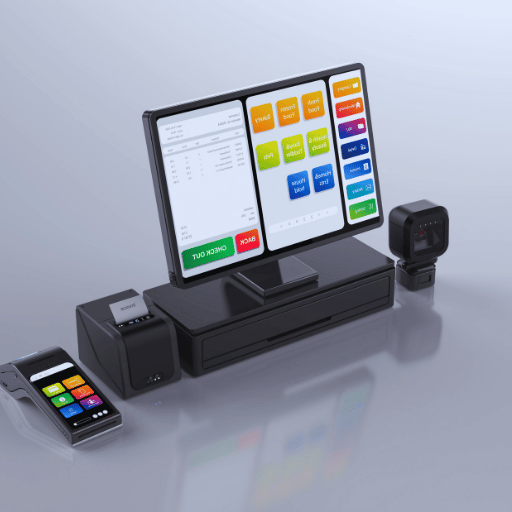
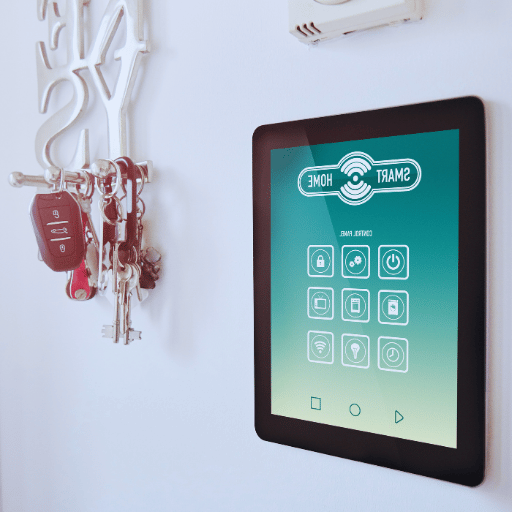
Gorilla glass cover glass and components serve multiple markets, each with their own specifications for cover glass thickness, coating, the optical profile, and chemical strengthening values.




Gorilla Glass vs Tempered Glass — Which Is Right for Your Project?
While both are strengthened glass, the actual manufacturing process and the resulting performance characteristics are sufficiently different to be significant in your particular use case. This side-by-side analysis focuses on the parameters that product-marketers and materials buyers care about when choosing between the two.
| Property | Gorilla Glass (Chem. Strengthened) | Tempered Soda-Lime Glass |
|---|---|---|
| Strengthening Method | Ion exchange (chemical) | Thermal quenching |
| Compressive Stress (CS) | >450 MPa | 80–150 MPa |
| Thickness Range | 0.4–2.0 mm | 3–19 mm |
| Scratch Resistance | Excellent (Mohs ~6.5+) | Moderate (Mohs ~5.5) |
| Post-Strengthening Cut | Yes — cut-then-strengthen | No — shatters if cut |
| Break Pattern | Large fragments (repairable shapes) | Small cubes (safety glass) |
| Optical Clarity | >92% transmittance | ~89% transmittance |
| Weight (at same area) | Significantly lighter (thinner) | Heavier (thicker minimum) |
| Substrate Cost | Higher | Lower |
| Best Application | Cover glass for electronic devices, precision displays, thin panels | Architectural glazing, shower doors, large-format panels |
This choice is typically based on the thickness required and the tolerance levels needed. If your design is calling for cover glass thinner than 3 mm with tight CNC tolerances, gorilla glass is your only viable option - tempered soda-lime glass cannot be manufactured below 3 mm and cannot be cut afterwards. If your project is too large for individual panels and cost-per-square-meter is the driving factor, tempered glass is the most economical route. If you require both thin profiles and top-tier scratch resistance - common in industrial HMI screens, medical displays, and consumer electronics - chemically-strengthened Gorilla Glass would be the best choice.
Corning Gorilla Glass Production Facility & Workshop


Corning Gorilla Glass Pricing & OEM Order Guide
Pricing for gorilla glass involves multiple factors that influence each other; rather than issuing a static price sheet, here is a complete transparency of the costs involved in your custom Gorilla Glass job.
Price Factors
| Factor | Impact on Price | Notes |
|---|---|---|
| Glass Generation | GG3 lowest → Victus 2 highest | Substrate cost varies 2–3× between generations |
| Thickness | Thinner = higher per-piece cost | 0.4 mm requires more careful handling than 1.1 mm |
| Surface Treatments | Each coating adds to unit cost | AG etching < AR coating < AR+AF combined |
| Printing Complexity | More colors = more passes = higher cost | 1–2 colors vs 4–6 colors can differ 30–50% |
| Shape Complexity | Notches, holes, curves add CNC time | Simple rectangle is baseline; complex profile adds 20–40% |
| Order Volume | Higher volume = lower unit cost | Significant price breaks at 1K, 5K, 10K, 50K pieces |
Typical Price Ranges: For standard rectangular cover glass (GG3, 0.7 mm, single-color print, AG coating) at production volumes over 1,000 pieces typical prices range from 1.50-8.00 USD based on size. Small custom shapes with Victus 2 substrate, multi-layer coatings, and multi-color printing can reach 15-25 USD per piece at lower volumes. Prototype runs of 50-100 pieces are available at a premium.
Order Process
01
RFQ
Send drawing + specs
02
Quote
24h turnaround
03
Sample
7–10 days
04
Approval
Dimension + optical check
05
Production
15–25 working days
06
Delivery
Individual vacuum packaging
MOQ starting at 500 pieces for standard sizes. Prototype runs of 50-100 pieces can be delivered at projection adjusted price for product development and qualification testing. Rush orders with accelerated lead times carry a surcharge-please contact us early if your schedule is tight.
Ready to Start Your Gorilla Glass Project?
Send us your shape, glass generation, surface treatment, and volume. We will respond with a complete quotation within 24 hours.
Request a QuoteCorning Gorilla Glass in Action: Project Case Studies
Industrial Crane Operator Display — Gorilla Glass 3 Cover Panel
An OEM heavy equipment manufacturer required cover glass for overhead crane cab mounted touch displays in steel mills. Specification: 162130 mm panels, 1.1 mm GG3, AG etch (20% haze) so that displays are readable under overhead sodium vapor lighting, as well as chemical strengthening tuned for high dimensional stability (-CS >500 MPa).
Previous supplier used tempered soda-lime at 4 mm - too thick for the display module enclosure redesign, and the glass was scratching within weeks from operators' gloves and tools. Transitioning to gorilla glass 3 reduced the weight by 65% and eliminated scratches.
Result:
Zero scratch-related field returns over 12 months of deployment. Surface stress maintained above 480 MPa after thermal cycling (-30°C to +70°C, 500 cycles). Client expanded order to include all crane model variants.
Medical Patient Monitor — Gorilla Glass with AG + AF Coating
A medical device integrator was looking for cover glass for bedside patient monitors have to withstand daily chemical disinfection with hospital-grade cleaning agents like quaternary ammonium and peracetic acid. The soda-lime covers used on the previous design were developing surface haze after 3 months of cleaning cycles degrading touch sensitivity and display readability.
SW Glass provided 2.0 mm gorilla glass panels with AG etching and AF (anti-fingerprint) coating. The chemically strengthened glass surface resists the action of the cleaning agents that were eroding the soda-lime covers. optical transmittance remained above 91% after 6-month simulated cleaning cycle testing.
Result:
Surface haze held below 0.5% after 6 months of clinical use. Product passed IEC 60601-1 electrical safety testing. Client now specifies Gorilla Glass for all new monitor product lines.
Marine Navigation Display — Gorilla Glass Victus Cover Glass
A marine electronics manufacturer was seeking cover glass for navigation displays used on commercial fishing vessels. The operating environment included salt spray, direct sunlight, temperature swings from -20C to +60C, and physical impact from deck operations. Standard cover glass was failing salt spray testing within 48 hours.
Production used gorilla glass Victus panels (0.7 mm) with multi-layer AR coating for sunlight readability and upgraded AF coating for salt and oil resistance. chemical strengthening was tuned to provide maximum depth of layer to withstand the continuous vibration environment aboard working vessels.
Result:
Passed 96-hour salt spray testing per ASTM B117 with no coating degradation. Optical transmittance maintained at 93.5% after 3,000-hour accelerated UV aging test. Pilot batch approved; series production underway.
Frequently Asked Questions
Standard MOQ for a regular shape and size is 500 pcs. The MOQ for complex CNC profiles with several cutouts may be higher, amortizing the tooling- and programingcosts. However, we have the option to also offer prototype runs of 50-100 pieces at an adjusted price for product development, design verification testing and qualification programs. This allows for sample validation of the glass spec before scaling up to production.
For minimal thin precision cover glass - yes. gorilla glass achieves compressive stress exceeding 450 MPa vs 80-150MPa for tempered glass, with far superior scratch resistance. It can be made as thin as 0.4mm, whereas tempered glass cannot reliably be fabricated below 3mm. However, tempered glass is more economical for large-format panels where the thickness is not constrained- architectural glazing, shower enclosures, or storefront windows. The selection is governed by your application.
Yes. Our CNC cutting lines can handle rectangles, circles, rounded corners, D-shapes, notches, slots, and complex freeform profiles. Cutting is done before chemical strengthening (contrasting tempered glass, which shatters if cut after treatment). Dimensional tolerance is 0.05mm. We accept your CAD files (DXF, DWG, PDF, or STEP files) and will double check each program before it goes into production.
Three major surface treatments: AG (anti-glare) etching for outdoor-readable displays with variable haze from 5-40%; AR (anti-reflective) coating that reduces surface reflectivity below 1% for high-clarity applications; and AF (anti-fingerprint) oleophobic coating that prevents fingerprint smudges. These can be used singly, or combined. We also provide ITO (indium tin oxide) sputtering for capacitive touch projects on select items.
gorilla glass tests about 6.5, etc on the Mohs hardness scale, than about 5.5 for modern soda-lime. Thanks to the thick compressive stress layer created by the ion exchange process, even when a scratch occurs, it is less likely to propagate into a fracture. In corning's tests, Gorilla Glass Victus 2 survived drops onto rough surfaces from up to 2 meters- a practical indicator for real-world scratch and impact performance out in the field.
consumer electronics (smartphones, laptops, tablets, PC screens), industrial touchscreens and HMI panels, medical device displays, automotive instrument clusters and infotainment screens, marine navigation displays, smart home IoT control panels, aerospace instrumentation, wearable devices. Each niche has unique metrics- medical needs chemical scrub-infection resistance, automotive needs thermal cycling endurance, and industrial needs AG etching for glove-touch readability.
Pricing ranges according to generation (GG3 is least costly, Victus 2 is most costly), thickness, surface treatments, printing features, shape intricacy, and order volume. For standard rectangular cover glass (GG3, 0.7mm, AG coating, single-color print) at >1,000 pieces, typical pricing is $1.50-$8.00 each depending on dimension. Complex custom shapes with multi-layer coatings can reach $15-$25 each at lower quantity. Provide specifications for a quote within 24 hours.
Yes. AG etching, AR coating, and AF coating are accessible on all gorilla glass generations we process (GG3, GG5, GG6, Victus, Victus 2). Coatings are applied after CNC machining. The optical qualities of each coating are equivalent across generations- AG haze range 5-40%, AR reflectance below 1%, AF water contact angle above 110. We verify coating adhesion and durability to MIL-PRF-13830B on each batch.
ISO 9001:2015 quality management qualification, EN 12150 safety glass qualification, SGS tests and Certified for product conformity, and Medical Device Class Ⅲ Biocompatibility for healthcare use. We are SEB Group approved for the processing of glass for consumer products. All production runs carry SGS, RoHS and REACH conformity reports.
No. SW Glass(Dongguan Saiwei Glass Co., Ltd) is an autonomous OEM glass processor—you are not doing business with corning Inc. We purchase raw raw gorilla glass sheet glass from Corning distribution channels and then apply all downstream fabrication: CNC cutting, chemical strengthening, surface coating, silk screen printing and quality inspection. Corning fabricates the raw glass material; we add value as a specialty glass processor/fabricator that converts these sheets into completed cover glass products to your design.