Get in Touch with Saiweiglass



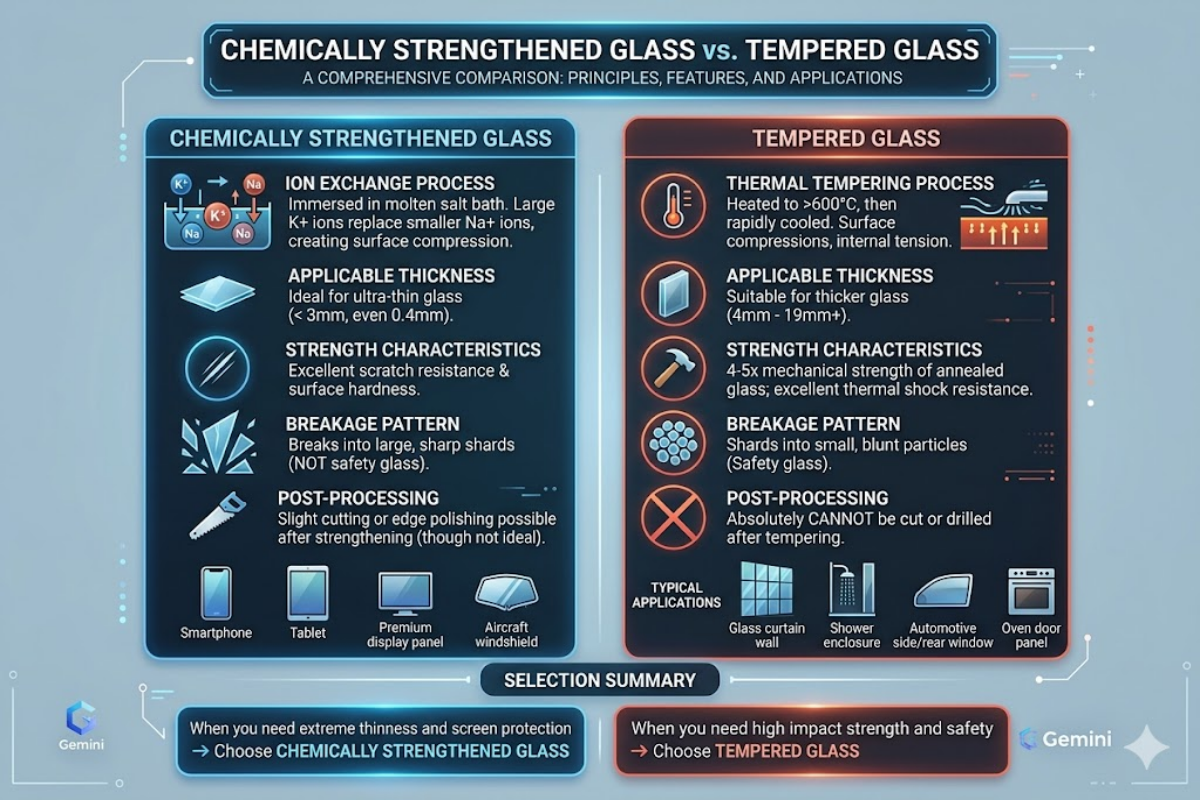
Two main processes are used to strengthen glass for industrial HMI cover lenses – chemical strengthening (via ion exchange) and thermal tempering (via rapid cooling). Each process produces a different stress profile on the surface and interior of the glass, and therefore produces different performance characteristics in strength, optical quality, post-processing options, and cost. Chemically strengthened glass is generally used for thin panels while tempered glass is made for thicker applications — this guide compares both options across all four dimensions – specifically written for engineers looking to select a cover glass for industrial touch displays.
At a Glance — Chemically Strengthened Glass vs Tempered Glass
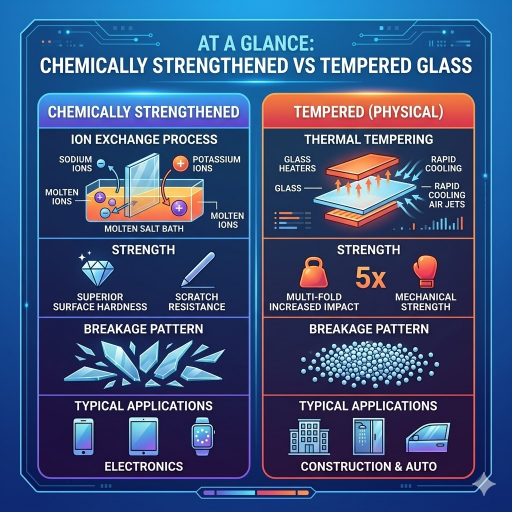
Here is a direct face-off on the key differences between chemically and tempered glass. Choosing the best glass for your panel involves tradeoffs in panel thickness, impact requirements, optical tolerance and post-processing requirements. Both types of glass are appropriate for industrial applications, but without consideration of their tradeoffs.
| Property | Chemical Strengthening | Thermal Tempering |
|---|---|---|
| Method | Ion exchange in molten KNO₃ salt bath | Heating to ~620 °C + rapid air cooling |
| Applicable Thickness | 0.1–6 mm | ≥3 mm (practical minimum) |
| Strength vs Annealed | 6–8× times stronger | 4–5× times stronger |
| Surface Compression (CS) | Up to 690 MPa (soda-lime); >1,000 MPa (aluminosilicate) | 80–150 MPa typical |
| Break Pattern | Large fragments (not classified as safety glass) | Breaks into small granular pieces (safety glass per EN 12150) |
| Optical Distortion | Negligible — no bow, warp, or quench marks | Measurable — roller wave and quench patterns possible |
| Post-Processing | Can be cut, drilled, edge-polished after strengthening | Must be fabricated to final shape before tempering |
| Cost per Piece | Higher (longer cycle time, salt bath consumables) | Lower (fast cycle, high throughput) |
| Best For | Thin cover glass (<3 mm), PCAP touch panels, high optical spec | Thicker panels (≥3 mm), safety-rated enclosures, budget projects |
Tip: Use chemically strengthened glass on thin HMI panels that need zero distortion and post-process flexibility. Use thermally tempered glasses on thick, cost-sensitive applications where safety-glass certification matters.
How Chemical Strengthening Works — Ion Exchange in a Salt Bath
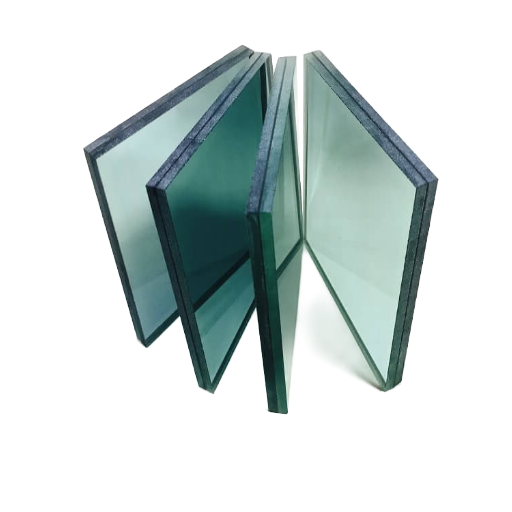
Chemical strengthening (also referred to as chemical tempering, or ion exchange strengthening) is achieved by submersion of the glass in a molten bath of potassium nitrate (KNO) at a temperature of 380-450 C for a duration of 4-16 hours. Over this period, smaller lower radius sodium ions (Na, radius ~0.95 ) in the glass bed out and are replaced by larger higher radius potassium ions (K, radius ~1.33 ) which pack in next to them. By occupying the spaces left by the sodium ions, the potassium ions create a surface layer of compression on the glass surface. (The chromatic effects of a potassium aluminosilicate composition is responsible for the substantial green tint commonly seen in soda lime clear glass).
Surface compression of up to 690 MPa can be achieved on soda-lime silicate glasses and surfaces of up to 1,000 MPa are possible on aluminosilicate compositions, according to the American Ceramic Society (ACerS). Depth of layer of the compression zone is typically 15-50 m depending on soak time, temperature, and composition.
SW Glass Production Spec
CS >450 MPa | DOL >8 µm
Verified on every batch with a surface stress meter
Our line of chemically strengthened glass uses KNO baths at precisely controlled temperatures to produce CS grades exceeding 450 MPa and a depth of layer greater than 8 m – measurements that are monitored on every production run with a surface stress meter. Precise control of these parameters ensures reliable performance as a cover glass.
Discover our capabilities in industrial touch screen glass manufacturing.
How Thermal Tempering Works — Heat and Rapid Cooling
Thermal tempering (also called physical tempering) heats a piece of annealed glass until it reaches approximately 620 C, above the glass transition temperature (~564 C), before rapidly cooling it using a blast of high pressure air. The rapid cooling rate causes the outside surfaces of the glass to lock into a compressive state, while the interior cools relatively slowly, facilitating a tensile stress state. The interplay between the surface compression and interior tension imparts increased strength to fully tempered glass.
After quench, the glass is 4-5 times stronger than conventional annealed glass of the same thickness. In fracture, tempered glass is broken into small, (roughly) cubical pieces rather than large, sharp shards. Glass with this type of fragmentation pattern is known as safety glass in EN 12150 and ASTM C1048. Small pieces like these are generally safe for human-contact uses.
The heating and cooling process generates some measurable optical distortion. Roller wave marks from furnace rollers and the quench pattern of uneven air circulation may be unacceptable for high-end display uses where the content of the display is viewed through the cover glass at a close distance.
Note: A minimum glass thickness of around 3 mm is required for thermal tempering. Thin glass (below about 3 mm) cannot form the temperature gradient needed during cool-down to effect meaningful strengthening. For this reason, chemical strengthening is the only option for thin glass panels below 3 mm.
Our fully tempered flat glass for industrial and architectural use is EN 12150 certified, using our high quality thermal tempering line.
Strength, Impact Resistance, and Break Pattern
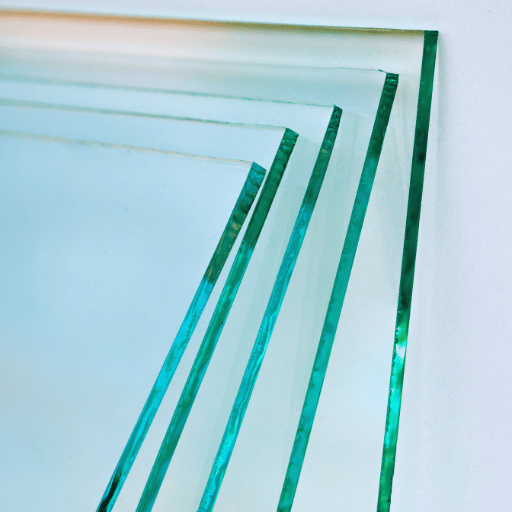
Strength and fracture characteristics are what engineers normally compare when selecting chemically hardened glass and tempered glass for industrial human-machine interface uses. These figures are based on real production line processing of our glass, not just maximum theoretical values.
| Property | Chemically Strengthened | Tempered |
|---|---|---|
| Strength vs Annealed | 6–8× | 4–5× |
| Surface CS | 450–1,000+ MPa | 80–150 MPa |
| Impact Resistance (per mm thickness) | Higher | Lower |
| Break Pattern | Large fragments — glass may stay together | Small granular cubes — safety glass |
| Safety Glass Certification | No (does not meet EN 12150 fragmentation) | Yes (EN 12150, ASTM C1048) |
Please note: impact protection ratings (such as IK10 per IEC 62262) are tests of a complete enclosure, not just a piece of glass. A chemically hardened glass panel may be able to withstand higher point impacts than a tempered panel of the same thickness. Full impact protection testing, however, depends on the entire assembly: glass, gasket, frame, and mounting. Please read our article on how IK ratings apply to HMI cover glass assemblies.
Note: chemically hardened glass offers a higher strength per millimeter of thickness, but it does not gain safety-glass approval by virtue of the low optical distortion of its controlled break pattern (as tempered glass does). For less than 3 mm thick industrial HMI covers, chemically strengthening is the only feasible option.
Optical Quality and Distortion
Your optical distortion is practically zero in chemically strengthened glass. Because the ion exchange takes place at a temperature below the softening point of the glass, your panel is dimensionally stable. It has no bow, no warp, no evidence of a quench pattern. This is hugely significant for a cover glass that is viewed directly through, as in a display.
Tempered glass is thermally processed close to the softening point of the glass, by design. Any rapid heating and cooling cycle can induce roller wave and quench mark undulation visible through polarized lighting. For display applications, this optical distortion compromises readability, which operators may have to view for hours at a time.
All of our chemically strengthened cover glass batches are tested for transmitted wavefront distortion, to ensure it is below the critical level at which human operators find it distracting while reading display content. Wavefront measurement is a routine quality control step applied to all orders for HMI cover panels.
Thickness, Weight, and Design Flexibility
Glass thickness is one of the most important criteria for selecting the HMI cover glass material. See below why the chemical strengthening process dominates the thin glass segment.
Why chemical strengthening dominates thin glass below
| Factor | Chemical Strengthening | Thermal Tempering |
|---|---|---|
| Minimum Thickness | 0.1 mm | ~3 mm |
| Maximum Thickness | ~6 mm | No practical upper limit |
| Typical HMI Range | 0.55–2.1 mm | 3–6 mm |
| Post-Process Cutting | Yes — can be cut after strengthening | No — must be cut to size first |
| Post-Process Drilling | Yes | No — will shatter |
| Weight (relative) | Lighter (thinner glass possible) | Heavier (thicker glass required) |
Chemically tempered glass dominates where the cover glass should be thin – PCAP touch panels, medical equipment, wearable displays and flat HMI modules. A 0.7mm or 1.1mm chemically strengthened cover lens would be too difficult for thermal tempering to manufacture successfully.
Glass for both process begins with float glass however aluminosilicate compositions (for example those from Corning or Schott) ultimately produce higher CS values after the ion exchange process. The amount of surface compression possible by each composition depends on their individual alkali content and structure.
For any HMI product applications that require a thickness of less than 3mm chemical strengthening is not only preferable, it is the only available strengthening process.
Which Should You Choose for Your HMI Cover Glass?
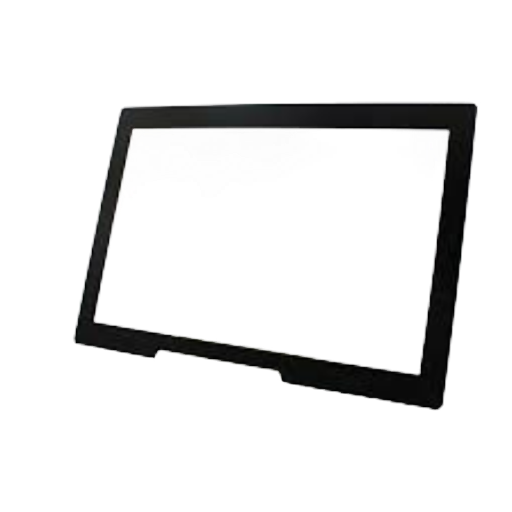
Your application will determine the decision, which boils down to thickness, optical mechanical considerations and certification requirements. Use this simple decision diagram for guidance.
Use Chemical Strengthening when:
✔ Your cover glass is thinner than 3 mm
✔ You need zero optical distortion for display readability
✔ Post-process cutting or drilling is needed
Your PCAP touch sensor must have flat, stress-free bonding surfaces
✔ Weight reduction matters (thinner = lighter)
Use Thermal Tempering when:
✔ Your glass is 3 mm or thicker
✔ Safety-glass certification is required (EN 12150)
Your unit costs must be kept low for high volume production
Optical distortion tolerance can be more relaxed (enclosure glass, not display facing)
In many industrial HMI solutions both process are used in tandem – chemically strengthened cover glass overlaying the display screen, with the more rugged tempered glass (sometimes called toughened glass) for protective outer enclosure panels.
Explore our entire cover glass capabilities for HMI panels to find the process that works best for your project.
About This Comparison
SW Glass has both a KNO Ion Exchange process line (CS>450 MPa) and a certified EN 12150 quality tempered glass processing kiln available in our Dongguan Taiwan factory. Our team of engineers have experience with both processes on a daily basis, so their hands-on knowledge helps us give you the best advice. These recommendations above are based on processing over a million cover glass panels for clients on OEM projects in automotive, medical, and industrial LCD display applications over the last 10+ years.
Frequently Asked Questions
References & Sources
- American Ceramic Society (ACerS) — “Introduction to Chemically Strengthened Glasses” — ceramics.org
- Corning — “The Secret of Tough Glass: Ion Exchange” — corning.com
- Wikipedia — “Chemically Strengthened Glass” — en.wikipedia.org
- Wikipedia — “Tempered Glass” (EN 12150, ASTM C1048 reference) — en.wikipedia.org
- ASTM — “C1048 Standard Specification for Heat-Strengthened and Fully Tempered Flat Glass” — astm.org
- IEC — “IEC 62262:2002 Degrees of Protection by Enclosures for Electrical Equipment Against External Mechanical Impacts (IK Code)” — webstore.iec.ch