Get in Touch with Saiweiglass


Top 15 Anti-Glare Glass Manufacturers to Watch in 2026: Updated List

Even though anti-glare and anti-reflective glass are as important for vision, color fidelity, and protection in almost all commercial sectors, some of the best processes yet for ar glass, AR coating systems, and advanced glazing have been developed, wherein transparency, light transmission, and durability can be best balanced by the consumers. The technology against reflection is introduced here with basic principles for maximum effect in reducing considering reflection and glare. It will also show cases of anti-glare, nonreflective, and awe-manipulating glazing techniques for picture frames, storefronts, museums, digital signage, etc.
Introduction to Anti-Glare Glass

Antireflection glass is a type of nonreflective glass or antiphotopic glass, which can reduce glare from its surface and control the amount of light reflected from the glass surface. Through surface modification techniques such as etching processes or deposition of multi-layer AR coatings, the glass allows increased visibility and transparency while maintaining the true colors: by light—when provided with the appropriate glass solution, it will diffuse the brightness, manage gloss and improve clarity under different lighting conditions. Today, antireflective glass is used to minimize reflection and difficulty from architectural installs, display environments, and custom frames for artwork and photographic displays.
What is Anti-Glare Glass?
Anti-reflection glass refers to either the glass that is chemically coated or has some kind of surface treatment which diminishes reflection of light by handling light interactions to remain not reflective. The two major variants of AR technology are micro-etching that scatters light and multiple layers that introduce interference from the coating itself. Under the genre of antireflective technology there can be found laminated glass, coated low-iron glass, or acrylic, the latter being strict on weight. The augmented use of AR with viewing glass now channels more light through it in the whole form of detailed imaging, or will steer glare away from the viewer largely boosting the general visibility.
Importance of Anti-Reflection in Various Applications
Anti-reflective coatings are important anywhere glare reduces vision quality or safety. The following sectors benefit most from AR glass technology:
Museums & Galleries
Anti-reflective glasses diminish hindrances to accentuate artworks with superior color and contrast.
Storefronts & Facades
AR glass increases transparency to make displays readily visible even in extreme brightness.
Digital Signage
Non-reflective glass allows reading of text conspicuously across changes in wavelength and wide viewing angles.
Custom Framing
The proper glass and frame combination minimizes glare, giving a wonderful viewing experience without position adjustment.
Overview of Glazing Technologies
Antireflective coating glazing offers performances in penetration resistant applications where selective reflection is essential. The AR coating and non-glare etching technology come together to support control of glossy surface reflections. Laminated glazings also offer options for UV filtering and safety and may be laminated with AR layers where the glazing is needed for structural needs. Manufacturers market AR coatings on both glass and acrylic for architectural glazings, digital signage, and showcases application. The high-quality and well-optimized glazing slightly lessens reflections and glare at the cost of slightly altering overall glazing appearance while preserving fidelity, thus combining longer lifetime with good clarity.
Top 15 Manufacturers of Anti-Glare Glass

A comprehensive ranking of industry leaders in anti-reflective glass solutions
Quick Reference: All 15 Manufacturers at a Glance
| # | Company | Founded | Key Products |
|---|---|---|---|
| 1 | Saiweiglass | 1998 | Anti-glare glass, display glass, touchscreen cover |
| 2 | Shenxun Glass | 2003 | High-clarity AR glass, custom glass shapes |
| 3 | Saint-Gobain Glass | 1665 | Architectural, automotive, industrial glass |
| 4 | AGC (Asahi Glass Co.) | 1907 | AR glass, display glass, automotive glass |
| 5 | JNS Glass & Coatings | 1995 | Anti-glare, chemically strengthened, heat-tempered |
| 6 | Abrisa Technologies | 1948 | Non-glare glass, AR coated glass, display materials |
| 7 | S.I. Howard Glass Co. | 1948 | Anti-glare flat glass, technical instrument glass |
| 8 | Cat-i Glass Manufacturing | 1965 | Custom diffusers, borosilicate components |
| 9 | American Precision Glass | 1988 | Optical filters, anti-glare specialized glass |
| 10 | Smart Glass Systems | 2004 | Privacy glass, noise-attenuating windows |
| 11 | Naugatuck Glass LLC | 1934 | AR optical filters, instrumentation dials |
| 12 | Ditto Sales, Inc. | 1936 | Anti-glare glass, polished edge treatments |
| 13 | Swift Glass Company | 1927 | Custom profiles, cylinders, rods |
| 14 | Evaporated Coatings | 1960 | Anti-glare V-coats, multi-layer film coatings |
| 15 | GrayGlass | 1946 | Non-glare glass, light diffusing, color filters |
Emerging Trends in Anti-Glare Glass Technology

Current trends are about optimizing the AR stack, refining the etch process, and working with laminated glass with UV filtration for better transparency and safety. Suppliers also optimize the AR stack, refine the etch process, and match laminated glass with the ultraviolet filter to preserve artifacts and digital signage. For non-reflecting architecture façade glass: the new generation of coated glass, in unison with these durable topside layers, ward off surface glare and abrasion. Ohf-osm-sized textures scatter light on the glass surface without sacrificing visual clarity. Therefore, it consistently becomes favored in storefronts, picture framing, or museum display.
Advancements in Anti-Reflection Coatings
Next generation multi-layer AR designs expand spectral/angle performance while maintaining color neutrality and durability. New coated glass stacks reflect light minimally while preserving color neutrality and yielding best contrast. Hybrid approaches combine micro-etch finishes with interference layers to remove reflections and control gloss on the surface. Next-generation glass products are covered with hard, UV stable topcoats for withstanding regular cleaning, thus reducing the reflective losses over an anti-reflective glass over time. These coatings can be scaled from custom frames and picture frames to large architectural glazing and high-brightness display environments.
Integration with Smart Glass Technologies
AR layers are mixed with dynamic glazing (electrochromic/sensor systems) employed to control glare on the go. Anti-glare glass is formed with coated interlayers bonded with laminated glass that balances transmission of light and privacy, allowing for the regulation of reflection and glare in real time. A supplier binds non-glare glass with conductive layers that preserve its AR functioning under switching, providing constant optical quality for digital signs and photographs on storefronts. Marketers often require AR-treated surfaces to diffuse hot spots, decrease surface glare, and reflect light away from the viewer toward stability and color and clarity.
Market Trends and Consumer Demand
A rising demand in museums, retail, and façades is driven by the requirements of ultra high transparency and glare control in high brightness environments. AR glass is specified by architectural clients to minimize the reflection and glare on façades, thereby enhancing the interior comfort and visibility from the exterior. Consumers prefer glass options when glasses are automatically capable of being coated, etched, acrylic, and laminated into glass with regulated UV protection and durability. Digital signage in high brightness is causing growth in antireflective glass that can control reflection of light and gloss, thereby allowing glass suppliers to deliver the right glass combinations across diversified lighting situations.
Applications of Anti-Glare Glass
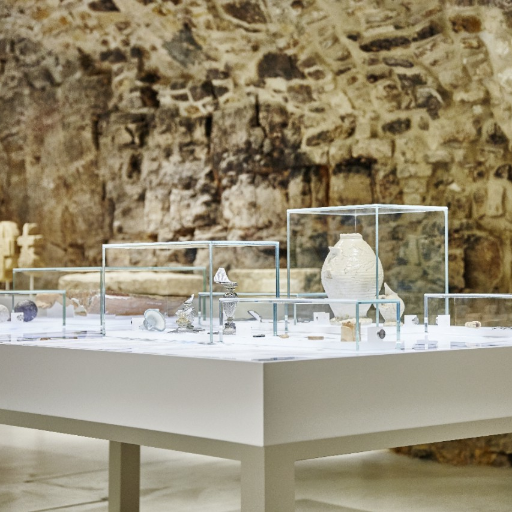
By combining AR-coated glass, etched antiglare glass, and laminated glass, one can manage to reduce glare, scatter brightness, and eliminate reflections while still preserving moral character. The appropriate combination of interlayer glass products thus effectively makes an optical choice for setting clarity against durability, notwithstanding whether the product comprises low-iron coated substrates, acrylic materials or safety films. Anti-reflective technologies consistently serve to divert light away from the viewer and maintain gloss control in any museum, architectural, or digital signage setting.
Use in Electronics and Displays
Dual-coating and micro-etching both surfaces improve legibility, contrast, and user-friendliness for digital signage and touch interfaces in different lighting conditions. Coating helps to reflect light from surface very little and by reducing light reflection, light interplays thereby increasing legibility for digital signage, kiosks, and touch interfaces. Micro-etch finishes help further dispersing surface glare without losing sharpness, while UV-stable topcoats protect the optical coatings from wear. Since consumer devices and handheld instruments can come with all kinds of light conditions and experiences, legibility with non-reflective glass and other alternatives such as acrylic can exact and control light reflection across wavelengths. This ensures the best possible visual conditions, both indoor and outdoor environments.
Applications in Automotive Industry
Head-up displays (HUD), clusters, center displays of vehicles, and many other devices are guaranteed a reflection-free environment from AR glass, when isolated shorted-wavelength AR absorption stacks vent by making sunlight and ambient lighting rays and by making subdividing light areas across the curved surfaces of some entirely-tempered glass. That must maintain good transparency-related materials without yellowing from UV wear—increasing the reflections that can block crucial data.
Architectural and Interior Design Uses
The use of low-iron substrates with AR coating ensures façade-level softness and museum-quality presentation with minimal reflective artifacts. The foremost factor is that AR-coated low-iron glass achieves improved light emergence and reduced reflection, providing the best possible through-visioning in large facade panels. In matting methods that involve etching, non-glare glass is sculpted for photo frames and custom-graded frames, to help showcase art with the least amount of glare while maintaining image minute detail. Laminated glass assemblies bring out safety and UV control, and upon addition of AR layers, they reflect light away from the viewer, control gloss and assure optimal optical performance across variations in daylight wavelengths.
Conclusion

The top manufacturers provide coated and acid-etched solutions, which balance transparency, glare reduction, and durability for key markets. Balancing light transmission, transparency, and durability, coated and etched nonreflective glass portfolios provide ease-of-maintenance and safety benefits that make lamination for the safety purpose a must. All suppliers deliver the proper glass solution that minimally reflects light, stabilizes gloss, and presents the highest possible visibility with the design of an AR design to specific wavelengths and brightness levels for façade, picture framing, and high-performance display glazing.
Summary of Key Manufacturers
Leaders employ dual-sided AR, low-iron substrates, and UV-filtered laminates to produce museum-grade, facade-ready performance. The range of products they offer includes non-glare, museum-quality glass for artwork, architectural AR glass for façades, and digital signage glazing with the absence of reflection below high luminance. Of this, the common feature for flagships is the dual-sided AR over low-iron substrates and laminated with UV filtering while optical operators configure the right optimization for each image, display, or facade. Together they guarantee that this consistent performance at the surface of the glass for projects worldwide is attained.
The Future of Anti-Glare Glass
Nanotextures as well as hardcoats and smart glazing could be agitated to reduce reflectance for a broader wavelength and angle of approach. Integration of smart glazing regarding dynamic light transmission control is moving toward a combination of electrochromic control with AR layers to prevent glare output and reflections in response to the level of lighting. The unique construction of lighter acrylic laminates and high-quality sheet materials opens up the doors to multiple applications, where levity and scratch and impact resistance are major considerations. Increasingly, glass selection will take off as standards for specifiers and transparency with light transmission control leading to reflections clearing light off viewers and the gloss to remain stable over a service life.
Final Thoughts on Industry Innovations
Bringing together AR coatings, acid-etched diffusers, and laminated safety glass will revolutionize glare control on the display and architectural fronts. Coating of AR stacks with etched diffusers and safety glass coupled with a much more successful non-reflective glass systems ensure reduced glare, reflection-free, and excellent for protection of works of art and daylighting of small space. With digital signs becoming prevalent and standards improving in museums, the very best anti-glare glass will keep on fine-tuning for maximum visibility, harmonizing well with the design intent, and performance of every existing environment.