Get in Touch with Saiweiglass


Anti-Reflective Coating for Optical Glass: Understanding Lens Coatings


The essential requirements for optical glass require both perfect clarity and exact precision, but glare and reflections create obstacles that hinder proper viewing. The solution to this problem exists in anti-reflective AR coatings. AR coatings improve both performance and user experience because they effectively eliminate unwanted reflections from three different types of optics which include camera lenses and prescription glasses and high-performance optics. This blog post explores the field of lens coatings which includes an explanation of anti-reflective coatings and their operational principles and their importance for multiple optical uses. The ending of the content will provide you with better understanding of the scientific principles and technological advancements which create these vital but unseen improvements.
Introduction to Optical Coatings

Optical coatings exist as thin material layers which technicians apply to lenses and optical components to enhance their operational capabilities. The coatings control light interaction with the surface materials to improve light transmission and reflection and create anti-glare and scratch-resistant properties. The standard types of coatings include anti-reflective coatings, which decrease glare and enhance visual clarity, and protective coatings, which boost material strength. The advancements enable better vision through eyeglasses and camera lenses while helping users to utilize light more effectively.
What are Optical Coatings?
Optical coatings exist as thin material layers which optical components like lenses and mirrors and filters use to change their light interaction with surfaces. The coatings exist to achieve certain optical effects which include reduced reflection and increased transmission and specific wavelength filtering. Modern optical coatings are manufactured using advanced techniques like vacuum deposition or sputtering which allow for precise control of thickness and material composition.
Key Application Areas
- Anti-reflective coatings — protect eyewear and camera lenses from glare and surface reflections
- Mirror coatings — enhance telescope performance and reflective systems
- Specialized coatings — enable laser systems to function effectively
- Industry verticals — healthcare, photography, astronomy, and telecommunications
Importance of Lens Coatings
Lens coatings establish themselves as vital components which enhance both the operational capabilities and the lifespan protection of optical lenses. Coatings enhance light transmission through the lenses while they decrease both glare and reflections which obstruct clear vision. This requirement proves crucial for prescription glasses and camera systems and binoculars because these devices require exact visual details. Lens coatings create a better viewing experience because they decrease bright light disturbances which otherwise would create visual discomfort.
Lens coatings create another important advantage because they deliver protective functions. Scratch-resistant coatings deliver protection to lenses by stopping damage which occurs from regular usage throughout their entire lifespan. The ultraviolet (UV) protective coatings create a dual function because they stop harmful UV rays from reaching the eyes while they also decrease the chances of developing eye illnesses like cataracts. Coated lenses with these protective features become more suitable for daily use because they offer greater safety and practical benefits.
The process of creating lens coatings allows for customized solutions which match particular requirements. Anti-fog coatings function in spaces where temperature changes occur, while hydrophobic and oleophobic coatings enable water and oil resistance which simplifies lens upkeep. People from different industries and daily life require lens coatings because these coatings successfully enhance both the operational performance and the user experience of multiple optical devices.
Overview of Anti-Reflective Coatings for Optical Glass
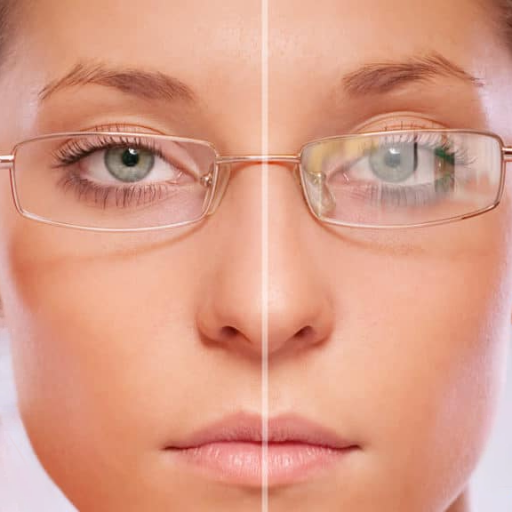
Anti-reflective (AR) coatings function as thin coatings on optical glass to decrease surface reflections which leads to improved light transmission and better visual clarity. The coatings operate through destructive interference, which causes reflected light waves to cancel each other and reduce beaching effects. The application of AR coatings to eyeglasses and camera lenses and microscopes and various optical instruments leads to better image quality and decreased visual disturbances. These products provide their highest value to people who work in environments that experience difficult lighting situations which occur during nighttime driving and when screens operate under intense brightness.
Modern AR coatings now contain extra features that protect against scratches and ultraviolet light and smudges, which leads to better product durability and usability. The maintenance process requires users to perform regular cleaning using the correct cleaning solutions to maintain their equipment in proper operating condition. Anti-reflective coatings use modern technology to create usable products that enhance optical performance and improve user experience.
Types of Lens Coatings
Type 01
Anti-Reflective Coatings
Thin anti-reflective (AR) coatings function as special coating materials which designers apply to lens surfaces for the purpose of decreasing both reflections and glare. The coatings function to decrease unwanted light reflections, which results in better visual clarity, while making the lenses appear almost transparent. Users experience better visual comfort because this feature improves visibility during both bright light conditions and extended screen time activities.
Type 02
Scratch-Resistant Coatings
Scratch-resistant coatings protect lenses from scratches which occur during normal use and through unintentional contact with rough materials. The coating establishes a hard protective shield which covers both sides of the lens to decrease damage risks.
Type 03
UV Coatings
The modern eyewear industry uses UV coatings as an essential component which enables protection against harmful ultraviolet radiation emitted by the sun. The human body faces serious eye damage from ultraviolet radiation which results in cataracts and macular degeneration and photokeratitis.
Anti-Reflective Coatings — Extended Details
The AR coatings use advanced optical technologies to increase light transmission through lenses while minimizing the amount of light which reflects from their surfaces. The system provides visual enhancement through better sight ability and complete glare elimination, which makes it suitable for night driving and long computer usage activities.
Modern AR coatings now include additional functions which provide UV protection and scratch resistance and smudge resistance. The improvements serve to protect lens usability by maintaining lens transparency and dependable performance throughout daily use. The advantages of anti-reflective coatings make them a popular option for people who want their eyewear to deliver both practical benefits and easy-to-use features.
Scratch-Resistant Coatings — Extended Details
Scratch-resistant coatings help increase the durability of lenses because they protect against scratches yet no lens can achieve complete scratch protection. The solution particularly helps users who engage in sports activities and children and people who need to wear glasses throughout the day. Most lenses used today which include plastic and polycarbonate and high-index materials can be treated with scratch-resistant coatings.
To enhance usability the coating comes with the option to merge with various lens treatments which include anti-reflective and UV protection coatings thus improving both eyewear durability and functionality.
UV Coatings — Extended Details
A UV coating blocks 100% of UV-A and UV-B rays, providing a safeguard for long-term eye health. Most lenses in the present day include built-in UV protection or receive this coating during their production process to deliver continuous defense against UV radiation.
UV coatings are suitable for both prescription and non-prescription eyewear and they can be used together with other lens treatments which include anti-reflective and polarization treatments. People who work outside for long periods need UV-protective coatings because these coatings help them preserve their vision while protecting them from the harmful effects of sunlight which occurs during their daily activities.
Benefits of Anti-Reflective Coating for Optical Glass
Benefits of Anti-Reflective Coating for Optical Glass
Manufacturing Techniques for Optical Coatings

Deposition Processes
The primary function of deposition processes in optical coating manufacturing resides in their ability to create exact thin material layers which they apply to optical surfaces. The process begins with material transfer from a source to the substrate base, which produces coatings that achieve both smoothness and uniformity to improve optical capabilities. The two methods which people frequently use for coating application are physical vapor deposition (PVD) and chemical vapor deposition (CVD), which they select according to their required coating characteristics and usage needs.
Deposition Method Comparison
| Attribute | Physical Vapor Deposition (PVD) | Chemical Vapor Deposition (CVD) |
|---|---|---|
| Process Method | Evaporating or sputtering material in a vacuum environment | Chemical reactions to deposit material onto the substrate |
| Environment | High vacuum conditions — reduces contamination | Reactive gas or gaseous mixture introduced into a chamber |
| Key Strength | High-purity coatings with precise thickness control | Strong, consistent coatings for intricate shapes and surfaces |
| Best For | Anti-reflective and mirror coatings requiring stable optical performance | Specialized coatings requiring enhanced durability or specific optical characteristics |
| Versatility | Preferred for controlled environments and precision-critical applications | Ideal for varied shapes; high versatility in coating application |
Quality Control Standards
Manufacturers maintain optical coating performance through their quality control standards which they implement during every step of manufacturing. The standards require complete raw material inspection together with exact film thickness measurement and complete testing of coating adherence and coating durability. Spectrophotometry serves as the modern technique which researchers use to confirm that coated surfaces meet their design optical requirements. Researchers apply advanced metrology tools which include profilometers and ellipsometers to assess both surface uniformity and layer consistency.
The quality control process tests coatings through environmental and stress testing which exposes them to extreme temperatures and humidity and abrasion to determine their long-term stability. Cleanroom manufacturing environments minimize contaminants which leads to better coating quality. Manufacturers achieve high-performance optical component standards for telecommunications and aerospace industries by following ISO 9211 standards which serve as international optical coating standards.
Quality Control Process Steps
- Complete raw material inspection
- Exact film thickness measurement via spectrophotometry
- Testing of coating adherence and durability
- Surface uniformity assessment using profilometers and ellipsometers
- Environmental and stress testing (temperature, humidity, abrasion)
- Cleanroom environment manufacturing
- ISO 9211 international standards compliance verification
Emerging Technologies in Coating Production for Optical Glass
The continuous development of new technologies enables the creation of modernized methods which change how optical glass coatings are manufactured.
Technology 01
Atomic Layer Deposition (ALD)
ALD produces extremely thin and uniform coatings with exceptional durability. Its market value is projected to surpass $5 billion by 2030 driven by consumer electronics and high-end optical systems.
Technology 02
AI & Machine Learning
AI-driven analytics enable real-time monitoring and optimization of coating processes, predict coating defects, suggest corrective actions, and reduce waste while improving production timeframes.
Technology 03
Nanotechnology
Nanocoatings enhance scratch resistance, water repellency, and self-cleaning capabilities. The optical glass nanocoating market will expand at a 15% CAGR over the next decade.
The development of these technologies brings about a production transformation which uses advanced technologies to create optical glass coatings that fulfill the higher quality requirements of current product designs. The solutions enhance performance while decreasing material requirements and energy needs during manufacturing processes.
Applications of Anti-Reflective Coatings for Optical Glass
Applications at a Glance
| Application | Primary Benefit | Key User Group |
|---|---|---|
| Eyeglass Lenses | Reduced glare, halo effects, and eye fatigue | Screen users, night drivers, prescription wearers |
| Consumer Electronics | Better screen brightness, color accuracy, energy efficiency | Smartphone, tablet, laptop, and TV users |
| Medical Devices | Improved diagnostic accuracy, reduced practitioner eye fatigue | Surgeons, diagnosticians, medical technicians |
Eyeglass Lenses
Anti-reflective (AR) coatings produce essential benefits which improve both the performance and user experience of eyeglass lenses. The coatings decrease both glare and surface reflections which enables better light transmission through the lenses. This solution enables better visual results while decreasing eye fatigue which benefits people who work with digital screens and drive during nighttime hours. The demand for AR-coated lenses has grown significantly because more people use screens and understand the importance of protecting their eyes. Users now receive complete benefits from AR coatings because manufacturers combine them with protective elements which include blue light blocking and UV protection. AR-coated eyeglass lenses effectively decrease the “halo” effect which appears around lights while they create minimal interruptions, making them essential components of contemporary eyewear which delivers both functional benefits and comfortable wearability.
Consumer Electronics
The performance of optical glass used in consumer electronics improves through the application of anti-reflective (AR) coatings. The coatings are used on screens and displays of smartphones tablets laptops and televisions to decrease glare and enhance visibility in different lighting conditions. AR coatings create a viewing experience that enables users to see images more clearly because the coatings reduce reflections which result in improved visual output. The technology enables better brightness and color accuracy because it improves light transmission which results in enhanced energy efficiency and reduced power usage. AR coatings serve as essential components that enable modern consumer electronics to provide users with exceptional visual experiences which are both easy to use and of high quality.
Medical Devices
Anti-reflective (AR) coatings serve an essential function by improving the effectiveness of optical glass utilized in medical equipment. The AR coatings create better visibility through diagnostic instruments which include microscopes and endoscopes and optical sensors because they decrease glare and enhance light transmission. The ability to see clearly establishes a vital requirement which medical professionals need to conduct accurate medical assessments and perform exact surgical operations. The AR coatings reduce eye fatigue which medical practitioners experience when using these devices for long periods. The system integration enables modern medical devices to achieve both precise results and operational efficiency which results in improved results for patients.
Reference Sources
-
Anti-reflective coatings: A critical, in-depth review
This review explores the evolution and effectiveness of anti-reflective coatings in reducing reflectance and glare for various optical applications. -
Anti-reflective coating materials: A holistic review from PV perspective
This article examines the optical properties and mechanical stability of anti-reflective thin-film coatings, comparing their performance on glass substrates. -
A highly abrasive-resistant, long-lasting anti-reflective coating for PV module glass
This study highlights advancements in anti-reflective coatings with enhanced mechanical strength and durability for optical glass. - Optical Glass Solutions
Frequently Asked Questions (FAQs)
Q1
What are the common coating types for optical glass coatings and types of coating available?
The common optical glass coatings establish multiple coating types which exist for their application. The optical glass coating options include anti-reflective (anti-glare) coatings and hard coat protective layers and mirror coating (reflective dielectric coating) and blue light filtering and ultraviolet (UV) blocking layers and various tint and light filtering coatings. The coatings use thin film stacks which technicians apply inside vacuum chambers to achieve predetermined refraction indexes and layer quantities. The coatings serve three purposes by reducing light reflection and controlling transmitted light wavelengths and creating protective coatings for lens surfaces. The market currently offers various coating options which range from basic single-layer films to advanced coatings that use complex multilayer dielectric stacks to provide premium optical performance.
Q2
How does an anti-glare coating (anti-glare) work on glass lenses?
An anti-glare coating which people also know as anti-reflective or AR uses multiple thin film layers to reduce reflections that occur from both the front and back surfaces of glass lenses. The selection of a coating layer with the correct index of refraction and thickness enables the coating to achieve light destruction through interference which results in reduced visible light reflections and better contrast. Coatings are typically applied in a vacuum chamber and the total number of layers determines bandwidth and effectiveness. Anti-glare coatings help reduce screen glare while they enhance optical performance and they serve as standard coatings for high-quality lenses and progressive lenses.
Q3
What is a hard coat and why is a hard coat applied to optical glass?
A hard coat serves as a protective coating which engineers design to enhance the scratch defense and durability properties of glass lenses. The hard coat protects the lens surface because glass lenses and progressive lenses which exist below it need a layer which prevents damage from cleaning and daily activities. The hard coat exists as both a single coating and a component which works with multiple layers to create a system that receives further functional coatings including anti-glare and UV-blocking layers which provide protective and optical benefits.
Q4
How does tint and light filtering coatings affect vision and lens design?
Tint and light filtering coatings change the way visible light passes through them because they reduce glare and improve contrast and alter color perception. The lens material can contain tints as embedded elements, while light filtering coatings use multilayer stacks to block particular light wavelengths. A properly selected tint or coating can help lenses for night driving, outdoor sports or digital use by tailoring the wavelength of the light that reaches the eye. The combination of tints with other coatings requires designers to consider how coating materials affect internal reflection and spectral distribution together with the refractive index and lens design specifications.
Q5
How are optical coatings applied and what does the coating process involve in terms of ion or vacuum techniques?
Coatings are typically applied in a vacuum chamber using physical vapor deposition (PVD) or chemical vapor deposition. The application of high-performance coatings uses ion-assisted deposition as a method to achieve better adhesion and greater density in thin film layers. The process deposits sequential dielectric or metallic films with controlled thickness corresponding to fractions of the wavelength of the light, achieving the intended interference effects. The reduction of front surface reflections protective layer creation and optical quality achievement for the specified coating and lens application depend on three film optical coating parameters which include index of refraction and layer thickness and number of layers.