Get in Touch with Saiweiglass


The Complete Guide to AF Glass: Understanding AF Coating and Key Differences

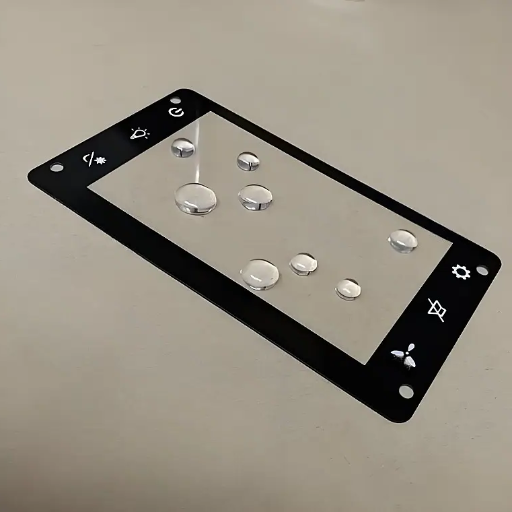
As far as modern technology and design are concerned, AF glass has come to be known as a very important asset in enhancing performance as well as user experience. From reducing glare to improving durability, the uses of AF (anti-fingerprint) coating are varied, but they are generally misconstrued. This article sheds more light on some of the understandings concerning the science and functioning of AF glass. The aim is to bring an understanding to what peculiar design has and sets AF aside in comparison with some other coatings. This article is complementary, i.e., you are equipped with thinking in terms of limitations, culture, and its users. Ready to unpack some critical differences, industry applications, and the science behind the ubiquitous use of AF coating in our daily lives.
Introduction to AF Glass
AF Glass smudge-resistant layer has been specially developed not only to prevent the appearance of oil and fingerprints but also fingerprints which can be left on surfaces such as lenses and screens. This is because the surface has a thin and robust coating which does not allow for oils and moisture to adhere, hence, maintaining and cleaning such surfaces is easy. This AF glass is what is typically found in mobile phones, tablets and even smart watches. It serves a practical as well as an aesthetic purpose; the device remains clean and sleek. Such a trait is invaluable in present-day gadgets because it eliminates the blemish, it is also durable and dependable.
What is AF Glass?
This special kind of glasses, commonly known as AF Glass (Anti-Fingerprint), is a highly specialized glass that limits the annoying features like smudges, fingerprints and dirt that usually mess up surfaces of the devices. AF Glass utilizes an oleophobic (a stain repellent) coating which tends to cease fingerprints quite considerably and provides a softer optical scope. Such kind of glass has become quite popular in the making of smartphones, tablets, laptops, watches, and even cameras because of its usefulness and strength. Also, studies about this particular AF glass show that there now exists an interest among users especially the ones who own sophisticated electronics towards the usage of this kind of glass as it simplifies the functionality of a device and aids in its durability. The easy cleanup along with the protection against dirt makes it a very important part of the modern society.
Key Insight
AF Glass uses an oleophobic coating — a stain-repellent layer — that significantly reduces fingerprint adhesion while preserving optical clarity.
Importance of AF Coating
Rated as essential for enhancing the user experience with modern electric devices, Anti-Fingerprint (AF) coating is the key identifier that screen touch and optics are all about; that are designed to be made clean and sludge free by the molecular structure of the coating. It avoids the oil smudges and fingerprints; thus, neither the screen nor lenses get soiled so often and need frequent cleanings — the hydrophobic and oleophobic properties also help to preserve the screen’s clarity for a longer time, restoring touch sense’s responsiveness, demonstrating a big leap in the overall usability. In addition to all this, the AF coating protects the surface from light scratches or wears against the backdrop of increasing touch-screens, thus high precision lenses and anti-fingerprint coatings are very important for keeping the whole beauty and functionality of devices that are used on a day-to-day basis.
Overview of AF Glass Technologies
Anti-fingerprint (AF) glass technology is geared at enhancing user experience by reducing fingerprint visibility on glass surfaces. The technology does this by applying a very fine, transparent film of some hydrophobic and oleophobic material, which repels oils and moisture, thereby ensuring the glass surface remains clean and visibly clearer during use.
Benefit 01
Screen Clarity
Effectively preserves screen clarity and cleanliness — less prone to smudging of any kind, reducing cleaning time.
Benefit 02
Touch Experience
Plays an important role in providing and improving touch experience, now critical in modern interactive devices.
Benefit 03
Durability
Improves glass surface durability by providing scratch resistance to protect the device over time.
Comparative Analysis: AF Glass vs. Other Glass Types
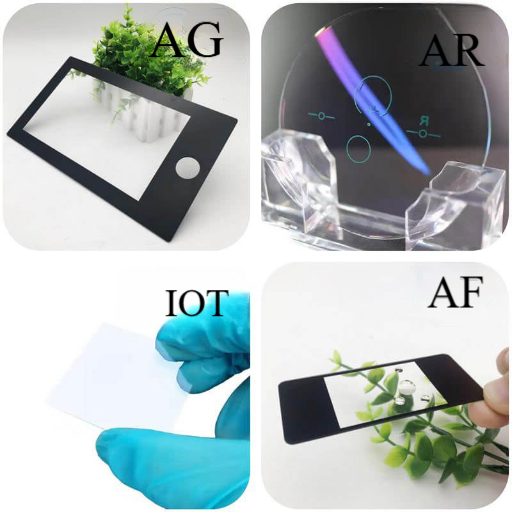
Comparing AF Glass and Anti-Glare (AG) Glass
AF glass reduces smudges and enhances durability, while AG glass minimizes reflections and glare for better visibility under bright light.
| Key Point | AF Glass | AG Glass |
|---|---|---|
| Primary Feature | Smudge Resistance | Glare Reduction |
| Clarity | High Clarity | Reduced Glare |
| Durability | Scratch Resistant | Less Durable |
| Application | Touchscreens | Displays |
| Visibility | Standard Light | Bright Light |
Key Differences Between AF and AR Glass
Both Anti-Fingerprint (AF) and Anti-Reflective (AR) glass serve separate purposes with applications. Recent understandings tell us that the main focus of AF glass remains to structure resistance to smudges by fingerprints and enhance scratch resistance. With these features, it is ideal for freestanding touch screens or devices subject to plenty of human contact. Anti-reflective glass is engineered to dramatically reduce reflection, thereby giving full visibility outside or in conditions of high light. In curtailing a wave of glare, improving screen quality, and presenting clear visuals, anti-reflective glass proves beneficial in all applications requiring elevated visual comfort and erudite exactitude, for example, displays or monitors.
The comparison holds that glass type dictated the use-case. Gorilla glass works best against touch-centric devices like smartphones or tablets, being more practically utilized. On the other hand, AR glass becomes home when considering monitor glass, camera lenses, or automotive displays in terms of clarity under bright ambient-light situations. With technological advances and the increasing needs of users, the combinations of these coatings as anti-smudges and proactive visibility are being deliberated. This leads to a broader range of developments, particularly for commercial solutions that excel across numerous applications in an ideal world.
Advantages of AF Glass Over Traditional Glass
- 01
Superlatively Higher Anti-Smudge Tactics
AF glass tends to keep the surface it coats free from smudges, rolling jellies and the surrounding dirt, so that these surfaces become cleaner for a much longer period of time.
- 02
Enhanced User Experience
The less sticky AF glass gives the user drag-free interaction on touch commands.
- 03
Durability
The oleophobic coating on AF glass gives it that extra scratch-resistant coat and makes it last longer.
- 04
Maintenance
AF-finished glass surfaces offer significantly cleaner results with less cleanup when compared to traditional unaltered glass.
- 05
Aesthetics
With less visibility on smudges and a luster that endures on AF glass surfaces, they look a lot cooler.
Applications of AF Glass Across Industries

AF Glass in Consumer Electronics
Anti-fingerprint (AF) glass is vitally significant in improving the operability and user experience of a diverse group of consumer electronics. It is more commonly applied to touch-enabled devices such as smartphones, tablets, and laptops, deterring smudges and fingerprints, thereby giving clear displays and good use. AF glass is getting widely used in smartwatches, where scratch resistance and a robust nature are critically important for a device faced with the effects of heavy wear and tear. Gaming consoles and smart home gadgets are some other examples that count on AF glass to offer an intact surface, adding flair to the visual charm of their products. This material is loved in the development of inventive electronic gadgets for its calamity tolerance, simple maintenance, and clean effervescent space.
AF Glass in the Automotive Industry
Nano glass technology, particularly AF (anti-fingerprint) glass, is becoming another game-changer in the automotive world, since cutting-edge vehicles are increasingly using touchscreens and digital displays. Speaking on the specialization of this type of glass, it enhances the interface’s durability and clarity, and at the same time, repels smudges and fingerprints to give a cleaner and sophisticated user experience. Recent data regarding consumer demand have indicated that there is a growing want of more clean and resistant material in car interiors, while touchscreen control systems are becoming essential even in the most simplistic electric car or ordinary vehicle. In this regard, AF glass caters to nearly every demand relevant to the exterior, as attested by excellent scratch resistance and the ease of maintenance while being immensely critical for the vehicle’s navigation, infotainments, and other control systems. Moreover, attributes such as resilience in extreme temperatures make it a perfect fit for heavy-duty situations that confronts every aspect of vehicular design buildism, thereby establishing AF as an indispensible material for the future of automobile design.
AF Glass in Architectural Design
AF (Anti-FingerPrint) glass introduces itself as the turning of modern architectural design’s fret-film surface into a visually attractive and highly functional gem vase equally captivating. It does not allow smudging or fingerprints and hence, helps to keep the surfaces looking clean and immaculate in even the highest of public traffic. This feature makes it a preferential choice for floor-to-ceiling windows, doors, and internal partitions within both practical use for malls, offices, houses, as well as luxury rental units. Its scratch resistance and durability provide added value. Particularly the buildings that are prone to easy wear and tear.
The rise of glass architectural decorations without borders has changed the architectural landscape. AF glass is responsible for this change since it allows the integration into building components of touch-sensitive control features and smart displays without losing the elegance or performance of the architecture. This innovative number featuring AF glass has changed the way people interact with their environments, thus maintaining the touch of modern elegance and functionality in the architectural space.
Manufacturing Process of AF Glass
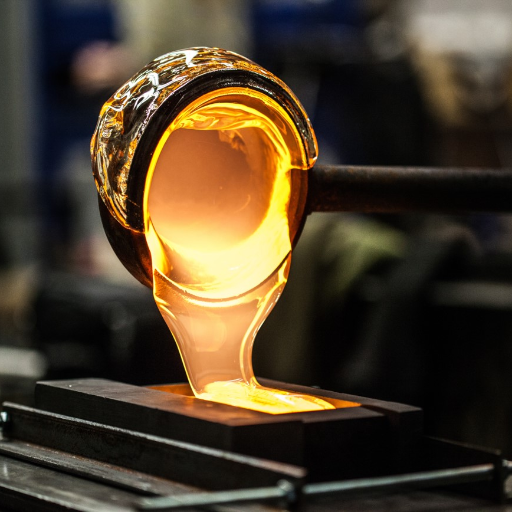
Materials Used in AF Glass Production
An anti-fingerprint glass is AR Or Anti-Reflection Glass (touch glass) that is manufactured by using a blend of advanced materials and coatings to boost the functionality and durability of the touchglass. The basic material used in this product is high-quality glass, for example, tempered or chemically strengthened for greater strength. Oleophobic coatings are applied in specialized facilities only in order to produce the magic of a fingerprint-resistant glass. With the help of oil, the unique oleophobic coatings allow nearly no smearing of the glass. Besides, their own nanotechnology allows for a very thin coating on the glass, thus guaranteeing consistency along with the clarity and touch response of the glass. Further, in certain applications, these things can be combined with indium tin oxide (ITO) conductive layers to allow touch functionality on the interactive displays. This specific mix of materials and coatings seems to be a trend for numerous modern applications, serving both aesthetic and performance functions.
Steps in the Manufacturing Process
-
01
Choice of Raw Material
The initial selection process ideally chooses high-grade raw material, namely, silica sand, soda ash, and limestone, to make sure that both durability and color clarity are of utmost importance.
-
02
Glass Melting
Here the raw materials chosen are put through a furnace which is made to reach high temperatures in order to form a homogeneous glass of mixed liquor.
-
03
Glass Forming
Pour the molten glass into a sheet or form for correctness, depends on the desired application.
-
04
Annealing Treatment
The shaped glass is slowly cooled, and the interior stress is removed from a little gradually and ensures the structural reliability of the glass.
-
05
Pre-Treatment
After cleaning properly, the glass surface is prepared to properly permit the topcoat by any compatible method.
-
06
Coating Techniques
The coating could be the application of single layers, for instance, a composite layer with anti-grease ability hydrophobic & oleophobic materials development (i.e. silicone oil), spray coating, dipping, or vapor deposition.
-
07
Hardening and Curing
For promoting or enhancing properties, the said coatings are heat-treated, dried off, and chemically bonded to the surface of the glass.
-
08
Quality Control
Finished glass units are checked according to strictly established quality standards and are subject to complete tests to ensure quality output concerning parameters like optically, durability, and shield against smudging.
-
09
Cutting and Tailoring
The glass is cut to specified dimensions and custom sized as per such product designs or applications.
-
10
Packing and Dispatching
The final products are given careful packing so as to avoid any damage in transit and shipped to various manufacturers or selling points.
Quality Control Measures
Quality control of AF (anti-fingerprint) glass mainly involves a systematic and thorough process designed to keep performance and reliability standards high. Surface tests are regarded as the first important measure used to determine the quality of the glass. Smudging, scratching, and abrasion tests investigate a coating’s durability and how it keeps the glass landscape clean within the typical conditions of use.
Light-related quality, besides these, is also a defining parameter. For this purpose, AF glass must produce clear images while minimizing distortion, especially under different conditions of light. Light observations are conducted on light-transmissivity parameters, reflection, and glare control; the latter of these confirms the coherence of the glass while making efforts to maintain the visual integrity of the device or application for which it is destined.
One of the final sets of tests to which environmental resilience testing would subject the glass is the testing for the resilience of the glass in varying temperatures, humidity, and conditions associated with everyday use. The tests would ensure that the AF coating is not degraded or otherwise affected over time by real-life conditions. Obeying these, glass makers ensure that AF glass fulfills high expectations on two fronts of efficiency and life expectancy.
Maintenance Tips for AF Glass
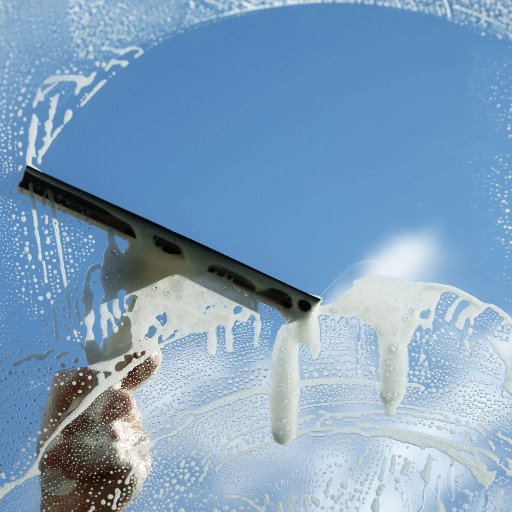
Cleaning Techniques for AF Coated Surfaces
Cleaning in the system of AF should not damage the coated green; as a parallel transition into the surface allowing for a polished outcome is less than likely. If one first gently treats the surface with a microfibre cloth to remove the smudges and dirt, there will be smooth polished green surface; alternatively, a simple blend of distilled water and isopropanol in a 70-30 mix might be gently wiped onto the dirty green. One must take recognition that abrasive materials are not applied following ammonia dirt or this product in contact with the substrate; in such cases, the abrasive materials will cause destruction of the coated surface. To clean, you are gently advised to work in circular path motions across the surface with all clutter removed away and buffing left with just a slight better aerating over the facial glaze. In all, taking into consideration how the process of cleaning has been undertaken, the coating will indeed remain in prime operation for so many years, reaching 100% AF.
Avoiding Damage to AF Coating
To avoid damaging the AF glass coating, handle it gently, and clean it following the cleaning guidelines. Only use a soft, yet lint-free surface, such as microfiber cloth, to help eliminate scratches. Furthermore, when cleaning, the pressure shouldn’t be high, and do not press against the surface. Over time, it might wear off the coating.
Let’s emphasize that we should avoid harsh chemicals and abrasive materials. Chemicals like ammonia, bleach, or alcohol can all wear away the anti-fingerprint coating, hence should never be used. Soft detergents having neutral pH will be fine, as will some plain water, and a mildly wet cloth in the process of cleaning the glass. We should avoid attempting to spray liquid directly into the glass since it may lead to unwanted liquid seeping.
The last instructor for reducing potential damage is the precautionary steps. Do not keep the glass in conditions of high heat, or humidity, or in an environment characterized by abrasion. Using protective covers or cases increases the chance that the glass will not be exposed by wear and accidental scratches. Such control mechanisms ensure that over prolonged time, intensity, and functionality of AF coating is maintained.
✓ Recommended
- Microfiber cloth for cleaning
- Distilled water + isopropanol (70/30)
- Gentle circular motions
- Neutral pH detergents
- Protective cases when not in use
✗ Avoid
- Ammonia or bleach-based cleaners
- Abrasive scrubbing materials
- Spraying liquid directly on glass
- Excessive pressure when wiping
- Extreme heat or humidity exposure
Long-term Care for AF Glass Products
Normal care and concern for Anti-Fingerprint glass are essential for the longevity and functioning of glass products. Beginning with a casual wipe down, dust and smudges are easily cleaned without scratching the coating by using a soft, lint-free microfiber cloth. For deeper bonding, always go easy on a mild but non-abrasive cleaning solution, e.g. diluted isopropyl alcohol mixed with water, steering clear from heavy chemicals which tend to degrade the AF layer with time. Finally, steer clear from sharp objects, excessive friction, and oils and materials which may diminish the durability of the coating.
To protect the clarity and smooth texture of the AR coating on the lens, store the AF glass products in a dry and stable environment free from extreme humidity or temperature changes. For the times that the glass objects are not in use, protect the glass element by using something like a case or a lens-cap, in order that its surface remains scratch free and protected from possible damages due to impacting objects. By observing these essentially simple implements faithfully, the wearer or user not only maintains the optical clarity and smooth feel of the anti-reflective coating but also certifies that their glasses will remain functional and aesthetically pleasing for years to come.
Frequently Asked Questions (FAQs)
Reference Sources
-
Cleaning and Anti-Reflective (AR) Hydrophobic Coating of Glass Surface: A Review from Materials Science Perspective
This article reviews the principles, mechanisms, and strategies for hydrophobic and anti-reflective coatings on glass surfaces. -
Microfabrication and Characterization of Liquid Core Waveguide Glass Channels Coated with Teflon AF
This research focuses on the application and characterization of Teflon AF coatings on glass channels, providing insights into its properties and uses. -
Ultra Thin Flexible Glass Substrates
This study discusses the use of AF 45 glass in ultra-thin flexible glass substrates, highlighting its coating applications and structural benefits. - AF Glass