Get in Touch with Saiweiglass


AF Coating Process: Step-by-Step Manufacturing Guide


Indeed, the AF coatings process is of such paramount importance relative to the modern manufacturing processes for its intrinsic nature devoted to crafting top-performing, durable, and truly protective coatings. In this guide, an insight on the methods, materials, and key concerns that arise within the process has been demonstrated for your perusal. It doesn’t matter if you are a part of the AF coatings industry circle or entirely new to this advancement in coating operations and how it affects technical products within a variety of sectors—this piece promises a rewarding experience for learning. And before concluding by understanding how the AF coating process can guarantee product durability, performance, and functional excellence, let’s dive into the mysterious hows of the advanced technology in manufacturing!
Introduction to Anti-Fingerprint Coating
Anti-fingerprint (AF) coatings are special surface treatments designed to reduce the number of fingerprints on a product surface and enhance the product’s durability. Such coatings provide easy-to-clean, glossy surfaces by minimizing the adhesion of oil and residues of touch. Applied frequently to items such as mobile devices, tablets, and high-touch surfaces, these AF coatings improve the user experience by keeping products looking polished and new despite coming into contact repeatedly. These coatings integrate aesthetic and functional improvements, which are rather necessary for product design in today’s world.
What is Anti-Fingerprint Coating?
Coating coatings, also recognized as Anti-Fingerprint (AF) coatings, are a type of specialized surface treatment, aiming to reduce the appearance of fingerprints, smudges, and other forms of irritation resulting from contact with surfaces. They are most commonly produced with oleophobic materials to provide resistance to oil and water, which enhances a surface with low streaking and easy cleaning. In general, the AF coat has proven to be very beneficial on screen-like touch and other high-touch products such as smartphones, tablets, and laptops. This is a reflection of consumer demand for moisture on wearable and auto displays, where cleanliness means clarity. Nevertheless, an added advantage that coating provides is in the improvement of surface durability, which helps in the defense of the surface against scuffs and wear; hence, coating has come to be one of those inescapable attributes in many existing electronic devices.
Importance of Anti-Fingerprint Glass in Modern Applications
Anti-fingerprint (AF) glass is considered essential for improving user experience. In areas such as consumer electronics, automotive, and wearable technology, the usage of anti-fingerprint coatings could be seen in providing a quite clean surface which mainly serves for reducing the appearance of fingerprints or smudges. This makes the products aesthetically superior and also improves the durability of the surfaces when exposed to screens under different lighting conditions, say bright daylight or twilight. Besides using anti-fingerprint glass, shield layering provides resistance against scratches, liquids, oils — a serious requirement of those expected to last in outdoor use and rough handling circumstances.
The widespread application areas are the primary force driving demand for the AF technology, namely touchscreens, smartphones, tablets, and in-vehicle displays, taking the aspect of visual and hygienic clearness. Furthermore, these coatings add gliding ease just by a slender thin layer, reduce some maintenance trouble, and provide an incredibly smooth feeling to the touch, obviously contributing to general satisfaction. An element of any techno-product designing, AF glass comes into compulsory usage now as the techie innovations in technology and the higher consumer expectations support premium features.
Overview of AF Coating Technologies
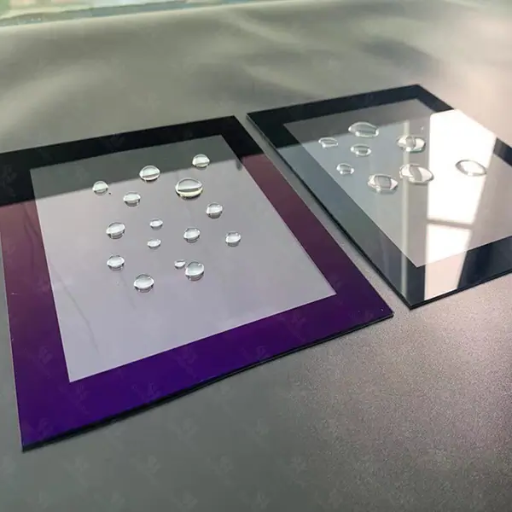
Anti-fingerprint (AF) coatings aim to minimize fingerprint smudges, boost screen visibility, and prevent dirt from adhering to glass surfaces. The coatings generally comprise oleophobic materials that create a thin, imperceptible coat on glass and help repel the adhesion of oils and greases. Hence, cleaning is a cakewalk as there is diminished smudging on the glass, providing a clear image for users to enjoy.
AF coatings are conventionally deposited on a glass substrate using chemical vapor deposition (CVD) or plasma-enhanced chemical vapor deposition (PECVD) techniques, providing a strong bond to the substrate to form a durable layer. Some manufacturers may choose to apply the coatings through wet-coating methods using solutions that are liquid, with curing or drying to solidify the layer. Both techniques are applied to ensure a uniform coating for best performance on any device.
The effectiveness of AF coatings can be measured by their longevity, resistance to oils, and wear resistance. In addition, the cost-efficiency of such good performance for mass production ought to be focused on the development of these functionalities. As AF coatings grow in significance, device manufacturers are seeking more user-friendly, time and energy-saving design processes; this is in keeping with sleek aesthetics for consumer long-term convenience.
Core Processes
Manufacturing Techniques for Anti-Fingerprint Coating

01
PVD Coating Process
Physical Vapor Deposition, or PVD, is one of the most appreciated methodologies for placing anti-fingerprint (AF) coatings. In other words, a PVD process describes the path traveled by a material from a solid state to vapor state and then back as a thin film onto the surface of a substrate. Coatings for AF require commonly-used materials include the titanium nitride, silicon dioxide, or fluoro-polymer ones with the qualities of high durability and a high oleophobicity.
Progress arched over the evolvement of preeminent PVD norms to develop uniformity and adhesion conditions of coatings while inflicting minimum wastages on the internal environment. In the same spirit, it gets so essential an equilibrium for deposition rates, temperature, and vacuum level to be perfected like fine hairs for total thickness control upon the curvature of the item surface. Reports in their breadth suggest that industry trends are looking onto more imposing vacuum technologies and magnetron sputtering applications. Also, the exhaustive efforts put into smudging resistance and maintain long-term brilliance of PVD-coated anti-reflective surfaces are central and indispensable requirements in emerging high-tech electronics markets.
02
Sol-Gel Coating Method
Sol-gel coating emerges as a favorably preferred technique for implementation of anti-fingerprint (AF) coatings due to its much acclaimed flexibility in modification, cost-effectiveness, and efficiency rate. The basic steps allow for the preparation of a solution that most often encompasses metal alkoxides or precursors that are subjected to hydrolysis and condensation reactions to form a gel. Application of the so-formed sol or gel to the substrate surface then proceeds by processes such as dipping, spraying, or spin-coating, ensuring a uniform coating.
The curing step is needed post-coating application for solidifying the gel layer firmly to improve adhesive properties to the substrate. The solidly held interface during curing also provides a thin, highly durable, highly coordinated film layer to desired specifications. Through sol-gel processes, the hydrophobic and oleophobic agents play a crucial role as repellents against oils, fingerprint impressions, and wily contaminants. The appearance would be free from smudges for viewing and would remain smooth in texture and retain the optical clarity.
The sol-gel process provides many advantages in terms of its potential adaptability in coating thickness and surface properties to meet the intended needs. It has various substrates that can easily be coated with sol-gel varying from glass to plastics adding to its overall versatility. In all practical aspects, it is the production of very thin, transparent, and yet durable films that make the sol-gel process an attractive choice in the industries of consumer electronics, cars, and glass architecture, where the maintenance of appearance and functionality is key.
03
Acid Etching Techniques
Acid etching has been generally considered as an effective method for creating anti-fingerprint coatings. The process offers some opportunities in tailoring surface properties at the macro and nano levels. Typically, a controlled acidic solution is applied to the surface of the substrate, which forms the micro-roughness on the surface and alters surface energy. The micro-roughness considerably reduces the visibility of fingerprint residues and makes the surfaces considerably easier to clean, rendering them more appropriate for anti-fingerprinting. Hydrophobic and Oleophobic surface treatments are often combined with acid etching for repulsion of oils and moisture with the best possible results.
This technique is very much applicable to almost all kinds of substrates including glass and metal, hence making it very much relevant to consumer electronics and automotive industries. It is a low-cost method that permits great flexibility in surface property generation. Thus, the surface will be functional for the designated use, providing desired clarity and texture. By incorporating etching into advanced coating technologies, marketers will wrestle with many slender, high-frequency anti-theft issues which shall be justified for their own varied applications.
Materials and Chemical Compositions Used
Oleophobic and Hydrophobic Coatings Explained
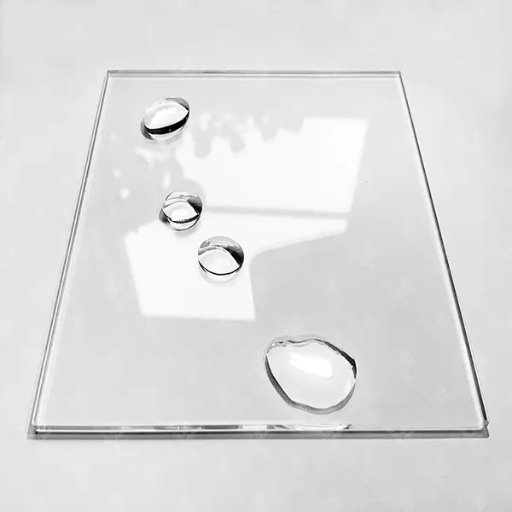
In layman’s terms, Oleophobic and hydrophobic coatings are similar to specialized finishing of additional layers, which enable these repelling systems for smoke or water since they keep a clearer sheet free from smudges for a longer period. The oleophobic coatings minimize certain skin oils, preventing smudges and disfigurements. Meanwhile, hydrophobic coatings shed water, and essentially any aqueous substance, to protect surfaces from water damage and staining.
When combined with antifingerprint technology, this coating serves as a protective layer against both water- and oil-based residues, thus rendering it ideal for surfaces likely to come into contact with many touch points, including those of smartphone screens, touchscreen devices, and machine panels. Many advancements reported on several fronts show the integration of nanotechnology in the coating-ranges in efforts to enhance their performance and durability. The innovative development implies higher resistance to abrasion and overall longer performance during the existing hard environmental conditions. The shorthand coatings suggest an added feather to enhance the end-user experience and a lengthened product life; they further offer an apt and technology-heavy solution for contemporary application.
Common Materials Used in AF Coating
AF coatings are the typical utilization of specific constituents to optimize their anti-fouling prospects. Common consumptions mainly combine these lists of materials:
-
01Silicon-based Polymers
These are flexible, water-repellent materials that prevent substances from adhering to a surface. -
02Fluoropolymers
If there is an extra spring, these materials are non-stick and exhibit maximum resistance to chemical and environmental action. -
03Copper Compounds
Widely used due to their antimicrobial and anti-fouling attributes, particularly in marine applications. -
04Zinc Additives
Added for resisting corrosion and fouling in severe conditions.
Each of these materials creates its own special benefits to keep the antifouling coatings versatile and victorious in a variety of industries.
Comparative Analysis of Coating Materials
Glass coating materials include types like fluoropolymers, silicon-based coatings, titanium dioxide, anti-reflective compounds, and UV-protective films.
| Material | Key Use | Durability | Transparency | UV-Resist | Eco-Friendly |
|---|---|---|---|---|---|
| Fluoropolymers | Non-stick | High | High | Medium | No |
| Silicon-based | Scratch-resist | High | High | Medium | Yes |
| Titanium Dioxide | Self-cleaning | Medium | Medium | High | Yes |
| Anti-reflective | Glare-reduction | High | High | Low | Yes |
| UV-Protective Films | UV blocking | Medium | Medium | High | No |
This concise representation helps compare glass coating materials based on key attributes for varied industrial and environmental applications.
Key Advantages
Benefits of Anti-Fingerprint Coated Glass
01
Enhanced Visibility and Readability
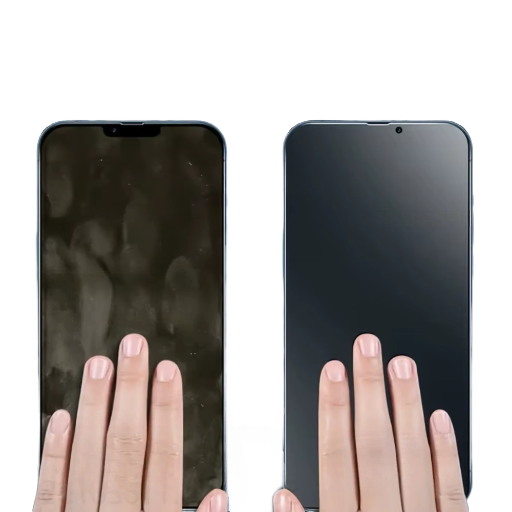
Applying anti-fingerprint coating on the glass would increase clarity and reduce patchy spots from oily fingerprint residues. The continuously decreasing oils and other residues lying over the glass would not shadow the screens and the glass surface. This way, users can have a clearer view of the screen, display, or glass surface. This will reduce potential distractions caused by smudges.
From another perspective, the clarity introduced by anti-reflection coatings is most beneficial to touch-screen devices, as inherently these products are required to make contact with the surface which inevitably attracts fingerprint smudges. Using deep-lying early destroyed fingerprint smudges, text clarity and image sharpness on the display are also retained and hence increase the readability of the content or efficient operation of equipment. This feature is very important in smartphones, tablets, and interactive kiosks.
The purpose of this coating is to aid in the protection of printed material by texturing it with enough resistance properties to make it harder to remove through physical or chemical means to avoid malicious attacks. In this respect, the coating forms a barrier between the inkjet and the printer environment to use the principles that counter against a strong adhesion and, usually, defer the retraction of the inkjet from the medium.
02
Easy to Clean and Maintain
Improved anti-fingerprint glass is designed to give an extraordinary experience to customers as it significantly hampers the visibility of smudges and fingerprints, rendering the cleaning and maintenance efforts extremely convenient. Key to these sales are the oleophobic/hydrophobic properties, which resist the absorption of oil and water. The glass makes it so easy to clean off any spillage with just a simple swipe over it with tissue, cutting one of the best benefits if only for everybody. The decreased need for extensive care would have a resultant increase in device life, which by a similar token means less wear and tear from the scouring of such objects. For customers juggling various intricate devices, e.g., smartphones, tablets, or touchscreen appliances, long-lived and hassle-free maintenance would in turn equate to savings both of time and money.
03
Durability and Longevity of Coated Glass Products
The provision of a particularly high level of protection from smears, dirt, abrasions, such that they remain in their pristine, unchanged state after several uses, is connoted by the coated glass products with anti-fingerprint properties. Coatings are durable due to their application of the latest chemical processing techniques, such as plasma treatment and nano-coatings, which make the film coherent and strong and give it outstanding longevity. Moreover, these coatings also significantly decrease the necessity of regular cleaning since smears and other things come off like something settled off dust without abrasives, ergo capable of prolonging the life of the glass.
Anti-fingerprint coatings are further tested for wear from rough use, temperature variations, and surface stress pushing towards their longevity. Harder coating means less scratch vulnerability and lowered maintenance requirements across devices like smartphones, tablets, and automotive displays. Glass products laid out with durability in terms of performance, offering good abrasion resistance blended with its ability to be truly low maintenance, represent a cost-effective and efficient alternative for long-term performance.
Diverse Applications of Anti-Fingerprint Glass
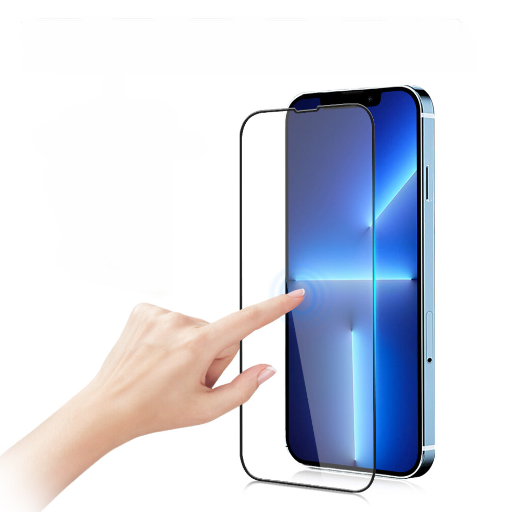
Diverse Applications of Anti-Fingerprint Glass
Reference & Support
Frequently Asked Questions (FAQs)
What is AF coated glass, and how is it different from tempered glass?
AF coated glass, also known as anti-fingerprint or anti-smudge glass, is a glass type that is treated with anti-fingerprint coating or nano-coating to provide a reduction in visible fingerprints and smudges. Tempered glass, on the other hand, refers to glass that is heat-treated for a combination of improved impact resistance and safety, and can subsequently serve as an AF-coated tempered-glass cover. In industrial equipment and electronics, manufacturers often match tempered glass for strength with AF-coated surfaces in order to create a durable glass panel that is also easier to clean and maintain.
How do nano-treatments, like nano-coatings from South Korea, make glass displays smudge-proof?
These surface treatments require the application of an ultra-thin oleophobic layer on the surface of the glass which increases repellency, shields the adhesion of oils, and makes the touch screens or touch panels less likely to discern fingerprint marks and erase marks. These coatings tend to function much like the lotus leaf to reduce the adhesion of grease and oil, thereby providing a clear, smudge-free appearance and simple maintenance. Integration of these processes can be performed in cover glass in deep processing steps in turn for the electronic device, medical equipment, communication system control panel, and consumer touch screen market.
Can the adhesive film or anti-reflective coatings reduce the glares to improve vision?
Yes, and this includes AF glass, joining anti-reflective coatings. With increased reflection and obscured light transmittance, both can work well together. Indeed, anti-glare coatings certainly reduce specular glare as anti-fingerprint nanoparticles are used to suppress any fingerprints or smudges over the surface area of the glass. This combo is often found to watch for fingerprints when the display glass is designed for the outdoor environment or well-lit areas.
How Far Do Nano-Coating and Other Surface Treatments Last On Touch Screens?
The durability of the nano-coating and surface treatments relies upon usage, means of cleaning, and environmental factors. Anti-fingerprint coatings may be relatively durable which, however, wear out quickly due to heavy abrasion and harsh cleaning procedures. Proper regulatory guidelines, protective cleanser implementation, and avoidance of scourings or scratchy pads will prolong the life of the anti-fingerprint layer. With large glass panels or touch screens for frequent use, the glass manufacturer can offer an idea about how long it is expected to last and how many times the treatment can be bridged.
How to manufacture an anti-fingerprint glass at the factory?
The manufacturing of the anti-finger touch glass occurs in various processes: selection of the base glass type (tempered glass is often used for safety enhancements), deep processing consisting of cutting, silk screen printing, and etched decoration, and the manufacturing of the anti-cuticle coating or nano-coating. These coatings, when put on, can be included in-line or post-process; exciting measures for quality inspection ensure consistent light transmittance, minimum reflection, highly efficient anti-fouling, and thus easy-to-clean, long-lasting pane on the final glass cover.
Do you think the touch sensitivity of touch panels and electronic devices gets interfered with by the AF coating?
High-quality AF-coated glass is the thinnest, and it is designed safely to secure the touch sensitivity of touchscreens and touch panels. Thus, when AF coatings are applied appropriately to an electronically matched glass, the antiglare or antifingerprint layer does not impede the capacitive-forced sensing. Typically, suppliers and manufacturers would run tests on the respective coatings with a certain kind of glass and other parts of other brands toiling inside electronic systems to verify outcomes that better aerodynamically fit control panels and cover glass components.