Get in Touch with Saiweiglass


Complete Guide to Optical Glass Types


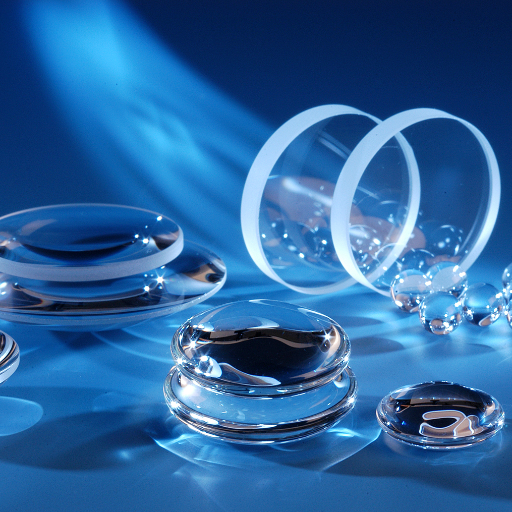
Optical glass is indispensable in various fields, ranging from high-tech scientific investigations to household gadgets. This is because its characteristics permit a controlled handling of the light – a specialized material doing everything, including camera’s lens, telescope or even spectacles. Nonetheless, there are quite a number of such optical glass and their distinctions can be extremely confusing. This general review aims at breaking down these complexities by highlighting some of the main subcategories of optical glass, their features and usages. It does not matter whether one works in the market, learns about it, or just finds it interesting; this text assists understanding optical glasses and making them portable within some industry or improvement. Follow along as we examine the amazing world of optical resources!
Key Takeaway
Optical glass is a precision-engineered material designed to control light via refraction and reflection. Its diversity—from Crown to Flint and specialized Borosilicate—enables everything from high-speed telecommunications to life-saving medical endoscopes.
Introduction to Optical Glass
Optical glass is a particular kind of glass which has been processed in order to control itself through refracting, reflecting, and also transmitting light waves. This kind of glass finds its applications in a wide range of instruments, for example lens, microscopes, cameras, and telescopes, because it is optically dense and lets the light focus in an intended direction. These properties of the optical glass types are the lack of inclusions, low distorsion and lack of striae. It is very important in the scientific and technological progress of the mankind, allowing development of areas such as imaging, astronomy, communication and etc.
Definition of Optical Glass
In easy words, optical glass is nothing but a specially designed glass which allows light to pass through by proper reflection and refraction without any distortions. This glass is in most cases manufactured to some given optical glass types, to ensure that it is sufficiently homogenous and has minimal or no defects to affect the image quality. It is mostly made of silica with some additional components that increase the refractive index of the glass or change its dispersion properties optically as in the case of flint glass for example. Such materials are used for making lenses, prisms and other high-precision optics in these different fields – photography, optical astronomy, medicine and others. New advances in materials science lead to constant suspension, improvement, and simplification of the production of this particular element as well as the way it serves or is useful to the current state of the art and nature of science.
Historical Background of Optical Glass
In the course of time of optical glass, its production was introduced and carried out around 2000 BCE in areas such as Mesopotamia and Egypt. With time, especially with the advent of glass blowing in the Roman Empire, this basically broadened the use of glass. Nevertheless, the elaboration of cases of optical glass types for instance began in the 16th–17th centuries with the correspondence rise of the preparation of lenses for telescopes and microscopes. Such names as Galileo Galilei and Antonie van Leeuwenhoek made application of these primary developments in befitting to their scientific work.
In the 18th century, notable advances were made when people like Joseph von Fraunhofer and Chester Moor Hall came up with better ways of reducing the chromatic aberration of lenses. The need for high-quality optical glass types in professions like astronomy and microscopy was also been bolstered by the industrial revolution. In the 20th century the chemical engineering and modern techniques were merged to create specialized optical materials for use in several technologies which include cameras and fiber optics production. It remains a cornerstone for development in science, communication and health care in form of optical glasses.
Significance of Optical Glass in Modern Industries
In contemporary enterprises, optical glass has been made an imperative, because control over light propagation is a core requirement for many tasks. It is used in all forms of communication systems due to its refractive reflection and transmission properties without losses. A good example is in the communication industry, where it serves as the principal raw material in the construction of optical cables for transmitting data at high speeds over long distances.
A lot of optical glass finds its way into the healthcare industry, particularly for diagnosis and surgery. Very good quality lenses and tube endoscopes use optical glass for the necessary images for carrying out procedures in healthcare, thereby enhancing the effectiveness of the procedures. In the same manner, microscopes in science labs also require the complicated clear optical glass types in order to provide better viewing and analysis of the biological materials.
Furthermore, and other technologies like recent advancements in aerospace and astronomy employ optical glass types for the development of sensors, cameras and telescopes which allow the study of distant bodies. Through these uses it is evident how versatile and dependable is optical glass, ascending this material to a basis of innovations in society.
Properties of Optical Glass

Refractive Index of Optical Glass
The refractive index of optical glass concerns the properties that affect the passage of light through material. The refractive index gives the ratio of the speed of light in a vacuum to the speed of light in the glass. Optical glass typically has a refractive index of 1.5-1.9 depending on its composition.
Various types of optical glass are formulated for various refractive indices for different applications. For example, the ordinary crown glass commonly used in lenses features the refractive index 1.52, whereas dispersion-heavy flint glass ranges from 1.6 to 1.9. High-index glasses are highly valued in the design of compact lenses and optical systems where minimizing size or maximizing focus is important.
💡 Refractive Index Examples
Modern improvements in materials science have led to a variety of specialty lenses, such as N-BK7 (borosilicate glass) with an index of 1.517 at 587.6 nm, and SF11 (dense flint glass) with an index of 1.784.
Therefore, several considerations come into play while accepting a good refractive index, and among them are the wavelengths of light (especially concerning chromatic dispersion), the density of the glass and chemical composition of the glass, which determine the materials’ contrast, so to speak. It is the sum total of high quality control over the above mentioned variables that goes in giving a consistent refractive quality to the glass, thus ensuring precision in the finer art of modern optical instruments like cameras, microscopes and telescopes.
Dispersion Characteristics
Dispersion properties of optical glasses denote the dependence of the refractive index of light upon its wavelength. This dependence is expressed by a parameter called Abbe-number, which is quite often used in optics for description of material dispersion. A high value of Abbe-number means that dispersion is not so much, whereas a low value implies that it is considerable. Different optical glass types are usually incorporated in order to form achromatic systems for the reduction of chromatic for better and the sharp images. Therefore, it is very important to control the dispersion of lenses and prisms and several other optical.
Light Transmission and Thermal Stability
Optical glass is appreciated for its light transmission properties, which justify its usage in such high-precision applications. Glass Transparency of this kind is determined by its formulation and the processes involved in manufacturing, such that it ensures maximum transmission of light in particular bands of wavelengths. Superior optical glass types are manufactured to reduce light scattering and absorption, thus allowing efficient and precise light transmission.
The capacity to withstand heat is another regularly looked for quality of optical glasses. This is the ability of the material to retain the original geometry and refractive index or transparency even at elevated temperatures. Such thermal stable optical glass should not expand or distort due to temperature changes thereby making it convenient for use in harsh conditions such as lenses used outdoors, scientific optics and space optics.
The behavior of optical glass types is determined by how they relate to illumination and heat, i.e., the ability to bear some heat and still transmit light. It is also true that as per the different lenses in which they would be utilized, how strong and accurate the light and/or heat transmitted is has to be. It can be such reasons that explain why most equipment used or manufactured for aiming or opto-electronic imaging, such as telescopes, cameras, medical equipment, and so on, with lenses that need to be clear and resistant to the aforementioned heat changes are designed differently.
Manufacturing Process of Optical Glass

Raw Materials Used in Optical Glass Production
To achieve the specific qualities desired in production processes for optical glssses type it is important to use only very clean raw products. Pure silica is the structural component of glass, while the others are for instance boors cuts, sodium or potassium carbonates which change the physical properties of glass including the index of refraction and strength. Certain ratios like trace elements or alloyed compounds such as lead enriches the optical features. Finally, all these materials are so focused on low impurity levels, that the produced glass can meet very tight requirements in terms of its quality, for specific use purposes.
Steps in the Manufacturing Process
- 1 Selecting and Preparing Materials Raw materials like silica, boron oxide, and other additives are cautiously selected and refined for quality reproducibility.
- 2 Mixing Materials are measured out and mixed accurately to make a well-homogenized blend of the composition.
- 3 Melting The materials are melted in a high-temperature furnace to be converted into molten glass, thus incorporating all constituents of the glass.
- 4 Refining The molten glass is refined to remove bubbles, impurities, and inhomogeneities, thereby producing an optically free material.
- 5 Modeling The glass which is free from refining means is modeled into the desired shape, often by casting or molding according to the specific requirement.
- 6 Annealing The glass is cooled slowly under precisely controlled conditions so as to relieve internal stresses and increase the structure stability.
- 7 Cutting and Shaping Annealed glass is cut and shaped to precise dimensions as required for its end use as lenses or prisms.
- 8 Polishing The surface of the glass is polished to obtain optical clarity and smoothness so that the glass performs well for its optical applications.
- 9 Coating Anti-reflective or protective coatings are applied on the glass to enhance optical properties and durability.
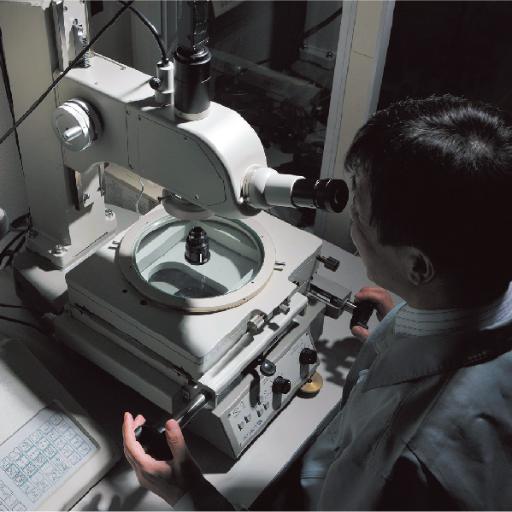
- 10 Checking Materials and Testing After fabrication, the guild gives the final product a thorough quality inspection and testing to ensure meeting all specifications and performance standards.
Innovations in Production Techniques
Recent advancements in optical-glass fabrication technologies have revolutionized the industry offering finer precision, sustainability, and cost-effectiveness. One crucial implementation was the use of computer-controlled production systems, which require reduced tolerances and cohesion in the composition and structure of the glasses for superior performance. System control was achieved through complex algorithms, capable of adjusting the control features immediately and thus ensuring excellent results for each production process.
Another leap in the era has been the coming into glass production of additive manufacturing, i.e., 3D printing. This carries the potential for creating complex geometries and designs, personalizing each and every item in a manner that could not ever be done through standard processes. At the same time, nanotechnology does help to serve out advancing in the light optical properties of glass by reducing light scattering and improving clarity.
In the area of sustainability, great progress is taking place in the field of recycling technology so as to earn from waste materials of glass while at the same time reducing the environmental impact. The innovations in low-energy furnaces and eco-friendly coatings also serve this cause for the sustainably produced optical glass products. In sum, this stands as evidence of how innovation is affecting the future of optical glass manufacturing by delivering the necessary improvements in both performance and environmental responsibility.
Categorization of Optical Glass Types

Optical glass types are primarily categorized into crown glass, flint glass, borosilicate glass, quartz glass, and high-index glass.
| Type | Key Features | Refractive Index | Dispersion | Application |
|---|---|---|---|---|
| Crown Glass | Low dispersion | ~1.50-1.55 | Low | Lenses |
| Flint Glass | High dispersion | ~1.60-2.00 | High | Prisms |
| Borosilicate | Thermal resistant | ~1.47-1.52 | Moderate | Labware |
| Quartz Glass | UV transparency | ~1.46 | Very low | Optics |
| High-Index | Dense refractive | >2.00 | Variable | Specialty |
Crown Glass: Characteristics and Uses
Crown glass constitutes an excellent optical glass that has a mean refractive index ranging around 1.50 to 1.55 and low-dispersion properties, rendering it attractive to a variety of optics applications. The presence of silica, soda, and lime as their glass composition characterizes their exceptional transparency and strength. The low dispersion in the material adds flavor by minimizing chromatic aberrations for the benefit of the survival of image quality in lenses. This material is optically superior for spectacles and camera lenses simply due to offering cost-effective performance. So the burgeoning production of crown glass optics is sought by Frenata to strengthen glass optics for particularly high-end optical instruments and specialized applications.
Flint Glass: Unique Features
Flint glass is one specific subtype of optical glass renowned particularly for its elevated refractive index and high dispersion that enables the separation of light into its respective components. This unique characteristic makes it very valuable in applications in which light requires careful manipulation, for example, in prisms and certain lenses. The high content of lead oxide in flint glass contributes highly to its special optical properties: the power to refract and disperse light.
One of the great advantages of flint glass is its ability to correct chromatic aberration when couple with crown glass. It is the pairing, usually done for achromatic lenses, where the dispersions of the two materials are balanced to produce clear, accurate images. Density and refractive indices give flint glass the flexibility to be used in scientific instruments and optical systems, such as telescopes and microscopes.
⚠️ Important Note
Flint glass is denser and softer than other glasses without doubt. So, it is to be handled with caution to avoid breakage. Nevertheless, its unique optical properties have made flint glass important to optics.
And they support innovative science, optical experiments, and design. Improved technology in the production of flint glass has helped in maintaining the importance of these materials in traditional as well as cutting-tech optics.
Specialized Optical Glass Types
Specialty optical glasses are developed to meet the exacting requirements of modern optical systems. Here are a few examples:
- ✓ Borosilicate Glass: has exceptional thermal endurance and gives out low thermal expansion-ideal for telescopes and lab apparatus.
- ✓ Crown Glass: With low dispersion, this glass material is often chosen for lenses in order to counter the effect of chromatic aberration.
- ✓ High-Index Glass: By creating a better light-bending medium, it goes hand in hand with compact optical instruments such as cameras and microscopes.
- ✓ UV and IR Glass: Just meant to be considered as working well in ultraviolet and infrared spectra, supporting gear in astronomy and remote sensing.
These materials are central to challenges posed to optical technology in various directions and ensuring performance improvement in all other optical uses.
Applications of Optical Glass
Optics: Lenses, Prisms, and Telescopes
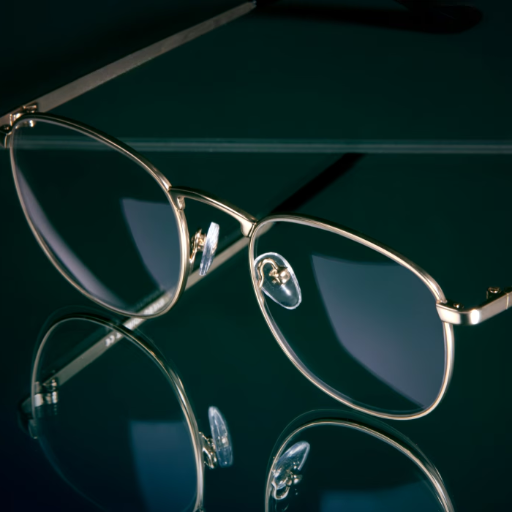
Optical glass has great importance in the field of optics, especially in lens making and optimization, and prism and telescope making. Optical glass lenses are extensively used in corrective eyeglasses, cameras, and microscopes, making perfect and precise focusing possible. Prisms; made with special optical glass materials, are the vital part in light-management equipment like binoculars or periscopes assisting in the efficient dispersion and reflection of celestial occurrences. The telescopes, whether homemade or designed as part of complex astronomic study, really depend upon optical glass for giving them a clear and awesome image of the celestial being. Various features of optical glass vouch for their use: distortion and light loss minimization. So the role of optical glass is merely noteworthy in guaranteeing quality and performance for increasingly advanced optical instruments.
Telecommunications: Fiber Optics and Signal Transmission
Telecommunication, especially fiber optics, requires optical glass, which is much needed for the complex, collaboration-filled network of global data exchange across large distances. Optical glass comprises high-quality purified glass through which the signals of light travel with the lowest possible losses of quality and brightness: whereby data transmission occurs at a very high rate with superior precision because of the optical glass.
The basic qualities of optical glass such as translucency, its ability to manipulate the refraction of light to guide it efficiently, are inclusionary in the infrastructure of fiber optic technology. A fiber optic unit has in its core the same chemistry that guides light through the process of total internal reflection-extensive distances while maintaining signal congruity. It could not have been possible to have high-speed Internet and telecommunication systems without the optical glass.
Moreover optical glass in telecommunications greatly assists in improving the bandwidth capacity and signal efficiency as well. Modern fibre-optic networks, with a higher data rate demand, rely on the use of advanced optical glasses for supporting greater rate demands of faster, more secure data transmission. The extensive application of optical glass shows clearly how it plays a vital part in forming the future of the global telecommunication infrastructure.
Medical Devices: Endoscopes and Surgical Tools
To create a significant improvement in high-quality medical devices in glass, optical glass should be maintained in a new manner, resulting in the best use of endoscopes as well as advanced surgical tools. Endoscopes are employed in minimally invasive procedures, and in the process, they rely on high-class optical glass for the best view of an internal organ or tissue. Imagine having the assurance that the optical glass would not ruin the in-focus lines, sending a clear image through it, which usually makes diagnoses sooner and thereby helps in a quicker response to most cases. This optical glass is tuned to the maximum effect and the best chance for surgical tools such as lasers and high magnification microscopes to satisfy their jobs with precise accuracy. From these solutions, with the manipulation of the optimum optical properties, are developed strikingly stronger patient outcomes and reduced healing durations.
Reference Sources
-
Glasses: Discusses various glass types, their properties, and manufacturing instructions, providing a comprehensive overview.
-
Optical Glass: Standards–Present State and Outlook: Explores the standards, classifications, and properties of optical glass types, including crown and flint glasses.
-
Optical Materials: An Introduction to Selection and Application: Offers insights into the selection and application of optical materials, including different types of optical glass.
-
Springer Handbook of Glass: A comprehensive resource on the science and technology of glass, with a focus on optical glass research and applications.
- Optical Glass Solutions
Frequently Asked Questions (FAQs)
What are the most critical optical properties of optical glass relevant to imaging optics?
The optical properties for imaging optics include refractive index (glasses’ index), Abbe number (partial dispersion and variation of refractive index), spectral transmission (spectral range), and optical quality that includes homogeneity and low bubble content. Another important aspect is the coefficient of thermal expansion (thermal properties) together with stable mechanical properties so as not to affect the stability of optical assemblies during complex executions. The various glass families from manufacturers like Schott provide datasheets and show these parameters to facilitate designing optical elements and optical components.
How do different types of glass affect the lens’s performance?
Some lenses specifically correct chromatic aberration through the combination of certain glasses of differing refractivity, of which crown and flint make the most important combination. The low-index of refraction crown glasses and high-index silica-based flint glasses together attain proper dispersive properties. High-index glasses (like lanthanum glasses) also extend the operational wavelength without bulky designs. High-index glasses let lens designs be shorter yet possess stronger optical power. Moreover, so-general-standard glasses for visible imaging optics from the Lanthanum-containing or Barium oxide glass types are used in optics for different objectives. The choice of glass type goes a long way toward deciding the optical quality, chromatic dispersion (partial dispersion), and appropriateness for use with filters or optical filters.
What is the importance of latticed crown and flint glasses in the old days of lens technology?
For long centuries, quality crown and flint glasses have remained the one and only pair of materials for an achromatic-doublet lens because with a low-dispersion crown glass and high-dispersion flint glass, the chromatic aberration could be checked from the very beginning. Similarly, modern glass families willfully associate to achieve the goal of performance in imaging optics and compound optical elements with the help of shaft elements with partial dispersion and high refractive index materials (such as lanthanum or barium oxide glasses). Even then, the principle is found cropping up so many times when designing optical systems with very high optical requirements.
How does the coefficient of thermal expansion relate to optical components and assemblies?
It is the characteristic of the thermal expansion coefficient (CTE) that shows how the physical dimension of the glass changes with temperature. Any mismatch in the CTE between the glass and mounting materials produces stress in the glass, thereby distorting the optical quality or misaligning the optical elements. CTE values can be found in glass catalogues, so the designer can choose glasses and mechanical materials with harmonious thermal properties, thus ensuring the stability of the optical elements without an appreciable change of figure under thermal cycling from very low low to very high high temperature.
What is the role of spectral and filter characteristics in choosing optical glass?
Spectral transmission relates to the wavelengths that are transmitted through glass; some glass types are optimized for the visible, UV, or IR regions. Optical filters and filter glasses selectively either block or pass a band and are often part of the specification set among various glass catalogs. Some applications demand for very broad spectral range or highly selective filtering; in such cases, the choice would be for materials like fluoride glass (deep UV/IR) or chalcogenide glass (mid-IR). Designers must reconcile the requirements of spectral wavelength needs with those of index, dispersion, and mechanical.