Get in Touch with Saiweiglass


How Long Does AF Coating Last? Durability & Lifespan Guide

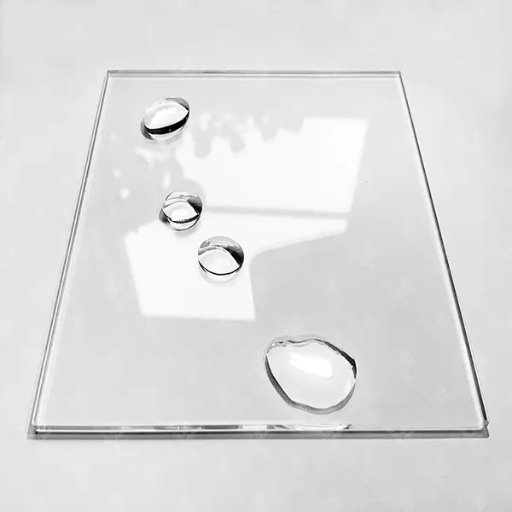
While deciding to purchase lenses, screens or optical instruments, commonly the consideration is the longevity of protective layers for example Anti-Fingerprint (AF) films; especially modern coatings which improve the user experience by preventing smudges or clarifying the optics further, but what about the duration of such formulation benefits? This article is about the scratches on the AF coating’s endurance and consumption, taking a look at the variables which affect the coating’s functionality and suggests ways of maintaining the protection active over time. Whether you are into gadgets or you just like to know how to take care of your possessions, this article is here to let you understand some of these aspects without fail.
Understanding AF Coatings
Anti-fingerprints (AF) coating is used as an intermediate layer applied to surfaces like screens and lenses to minimize the smudges and fingerprints that do the opposite, thus enhancing clarity. They function by imparting a slippery, oleophobic texture by which there is less friction for oils to adhere to the surface. Although AF coatings are for a damper user experience, the durability becomes an issue, depending on usage, cleaning practices, and exposure to environment. Routine, mild cleaning using a microfibre helps maintain their performance; however, further wear of the coating may have to be tackled to regenerate the screen or lens surface.
What are Anti-Fingerprint (AF) Coatings?

Anti-fingerprint coatings (AF) are completely transparent monolayers applied on surfaces like touch screens, lenses, and other electronic devices aimed at removing the appearance of smudges, oil, fingerprints, etc. These coatings are primarily oleophobic; they repel oils and hence act as a hydrophobic barrier. This eventually makes a surface almost free of cleaning and maintenance. Nowadays, AF coatings are applied on everyday items such as cell phones, tablets, eyeglasses, and lots more just to heighten the user experience by making them super-smooth and somewhat inviting. So, AF coatings upon smart care open the prospect to go through minimal cleaning, which in effect makes them last longer in the rendition of daily beliefs. Better AF coatings made with more resources have proficiencies against scratches and have even become antimicrobial and so on inasmuch as they become functional in diversified applications, especially through materials.
How AF Coatings Work on Glass Surfaces
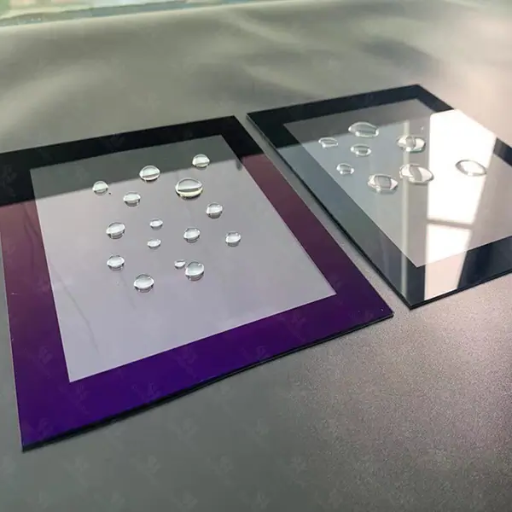
The surface interaction between the glass and AF coatings comes from a reduction in material surface energy, thus making the material resistant to oil and bumps. AF coatings are commonly produced out of hydrophobic and oleophobic materials, which repel both water and oils to present a much softer, cleaner look. Resultantly, fingerprints and other detritus would be repelled from surfaces, conferring vastly improved visibility and touch-responsive experiences upon users.
Applying the coating is done by means of a cutting-edge technique, such as Chemical Vapor Deposition or spraying, over glass materials to guarantee an even and durable, long-lasting layer coating. Once cured, the ultra-thin coating does an excellent job providing invisible protection against dirt and smudges without sacrificing its optical transparency. Easier said than done is striking just the right balance where the benefits of having a coating within the line still do not conflict with clarity or screEn responsiveness on devices such as smartphones or tablets.
Anti-fingerprint coatings enhance the efficacy and maintenance of the glass surfaces. They help reduce cleaning to avoid the build-up of residues and thus diminish the scratches and damages over a course of time. These coatings offer needed protection from daily utilities, thereby enhancing the lifespan and utility of modern technologies built on glass.
Common Applications of AF Coatings
- →
Smartphone and Tablet Screens: AF coatings prevent the illumination of screens from fingerprints, smudges, and dirt that can cloud their visibility while enabling them to glide more easily against the operator. - →
Eyeglasses and sunglasses: With the help of these coatings, the lenses would resist smudging for even longer, with the ultimate benefits of superior visibility and ease of cleaning. - →
Camera Lenses: For the lenses, AF coatings prolong the exposure to smudges and impurities and hence can render lens images even crisper. - →
Automotive Displays: AF coatings can improve the clarity of touch screen and control panel displays and the smudging effect. - →
Architectural Glass: Windows and glass panels benefit from AF coatings, providing a scratch-resistant surface capable of staying clean and scratch resistant in high-traffic exterior settings.
Factors Influencing AF Coating Lifespan
Environmental Influences on Coating Durability
Adverse reactions come from environmental agents like humidity, temperature, and UV light to impact AF coating’s long-term stability majorly. It occurs if the humidity subject is increased, the bonding gap between the coating and the substrate increases, primarily with the passing time forming localized effloresces, or the coating peels off. Quickly increasing and falling temperature regimes may have an adverse effect on the molecular composition of the coating, limiting expected performance or useful life.
A much more critical factor is the outcome of prolonged UV wavelength radiation from sunlight. The continuous exposure of such radiation could lead to partial discoloration or decomposition of the coating material. This goes, in particular, for outdoor and outdoor applications that have incessant exposure to sunlight. By veiling objects to shaded places or mitigating exposure to sunlight, the vitality of the coating can be enhanced to some extent.
Physical damage or abrasion can, moreover, be caused by exposure of AF coatings to abrasive or dust particles or harsh environments where there are some types of chemicals. Also, this is quite a concern in the context of industrial or high-traffic settings where mechanical contact and cleaning require lifting away the coating. Therefore, to combat premature wear on the coating, gentle contrivances should be set up for delicate maintenance using soft materials and non-abrasive cleaners.
Impact of Usage on Coating Longevity
The efficacy and longevity of AF coatings depend upon the conditions under which they function; and indeed, frequent mechanical contact, as seen in cleaning or de-fouling operations, stresses the coating and causes the same to wear out over time. Exposure to extremely harsh environmental conditions in terms of UV light, high humidity and low and high temperatures all contribute to the degradation of this protective property. Exposure to strong detergent solutions or solvents may result in additional uncontrolled breakdown of the coating’s structure, which cannot seem to have any other way but a telltale effect on the effectiveness of the coating.
Responsible upkeep is key to extending the life of AF bonded coatings. Non-scratching tools used and pH-neutral mild detergents in cleansing will limit the mechanical wear and chemical exposure to the AF coating. As such, mechanisms could be, according to need, covered under some shield, or must be made to work in the right environment. In fact, it is through a partnership by which the operation level gains strength from one another, the maintenance and protective sides for AF coatings.
Quality of the Coating Material
The kind of coating materials used hold a prominent place in ascertaining the lifespan and performance of anti-fouling (AF) coatings. High-grade coatings are usually in the form of more advanced polymers, binders, and biocides that were particularly formulated to stand up to environmental challenges, such as UV, saltwater corrosion, and microbial attack. Recent knowledge suggests that these coatings also get major improvement in coating duration and function when significant aspects of both nanotechnology and eco-friendly additives integrate them. In addition to these, the quality of raw materials used in polymerization determines the adhesion, flexibility, and wear-resistant properties of the coating. Using recognizable brands and products that are within the operational standards will bear the highest advantage to the coated surfaces; these products must work to protect them and the best mean of age.
Testing the Durability of AF Coatings

In terms of the long-term performance and durability of anti-fouling coatings are the principal areas that require combining laboratory and field tests. Salt-spray testing has been widely adopted because it involves exposing coated surfaces to a controlled saline mist representative of long-term exposure to harsh environments within marine components. It provides an understanding of the extent of corrosion resistance they could maintain in their aging life. Another method that might also have these aspects to be further discussed would be mechanical testing, such as tests on adhesion, mechanical stress, abrasion resistance, and other relevant topics, whatever damage can be to a coating in an actual situation.
According to modern data analysis, the use of sophisticated methods, such as Electrochemical Impedance Spectroscopy (EIS) to assess the effectiveness of coatings, is growing. EIS allows the electrochemical properties of coatings to be assessed, giving focused information on the inhibitive potential of corrosion. By updating the tools using machine learning models to interpret the degradation patterns, the systems can build a good model for material behavior in the long run. By combining in-depth monitoring with high-tech analytical tools, manufacturers can design AF coatings to provide maximum performance in just about any corrosive environment.
Comparative Analysis of Different Coating Types
Different glass coating types include anti-glare, anti-reflective, self-cleaning, UV-blocking, thermal insulation, and conductive coatings.
| Coating Type | Function | Durability | Cost | Usage |
|---|---|---|---|---|
| Anti-glare | Reduces glare | High | Moderate | Screens, optics |
| Anti-reflective | Lowers reflection | High | Moderate | Glasses, lenses |
| Self-cleaning | Eases cleaning | Moderate | High | Windows, panels |
| UV-blocking | Blocks UV rays | High | Moderate | Windows, eyewear |
| Thermal insulation | Saves energy | High | High | Buildings, cars |
| Conductive | Conducts charge | High | High | Electronics, tech |
Understanding Coating Wear and Peel
Glass coating is prone to damages like wear and peel as a result of various natural elements and environmental factors. A chief source of the decay of a coating would be the longer exposure of the treatment to severe weather conditions, which could include intense sunlight, humidity, or large changes in temperature. The coating might become weaker and less effective in the course of time. Mechanical violations like scratch lines, impacts, or simple cleaning using abrasive substances could also cause ritual for coatings to peel.
Understanding maintenance procedures can extend the life of glass coating substantially. So far as sustenance is concerned, say cleaning with non-abrasive cleaners; thus, the coating does not undergo any damage on the surface. Great damage can be saved if one controls the extent of environmental exposure, like lending a helping hand to protection from chemicals or exposures to other hazards. It is possible to administer public exposure such as in stations using means such as preventive films or other means. On the other hand, careful clients may carry out regular visits or tests, with their observatory options bringing in an early alert into a possible degeneration and thus today’s need for future coating repair or re-application.
Many coating technologies are improving in durability and performance due to the advancement in technology over the years; none of these coatings is invincible. It’s crucial to determine a suitable coating in relation to the working conditions and requirements of the finished application. The key in any effort at maintaining the durability of quality coatings is following the manufacturers’ instructions and occasionally having them renewed.
Practical Ways to Extend AF Coating Lifespan

💡
Cleaning Techniques to Extend Coating Lifespan
Proper maintenance is crucial to extend the life of any antifouling (AF) coatings. According to current observations, a method of regular maintenance with non-abrasive cleaning agents, such as soft sponges or microfiber cloths will protect the surface of the coating. Using pH-neutral solutions for cleaning and maintenance that are specifically designed to removel any contaminants without making the coating to lose its integrity. Pressure washing can serve as efficient, but pressurization may be controlled to not diminish the AF coating. Also, inspections need to be conducted at various times to point out and swiftly address areas of wear and damage. The utilization of environmentally friendly cleaning agents as outlined from the most recent research allows less harm to the environment while retaining effectiveness, slowly becoming more of an accepted regimen. Secondly, they are very much promising due to their potential consideration in practically extending the efficiency of AF coatings in several applications.
Storage and Handling Recommendations
Proper storage of antifouling (AF) coatings is essential for ensuring their integrity and, consequently, maintaining optimum performance. AF coatings need to be stored in a cool, dry place with good ventilation, away from sunlight and any possible heat source, so that no change in the chemical composition in the AF coatings takes place due to fluctuating room temperature. Always seal the container tightly whenever it is stored. Stored coatings may attract dust from the atmosphere, contaminating the product, or some solvents might evaporate.
Never fail in following AF coatings’ technical safety measures set out by the manufacturer. Personal protective equipment (PPE) such as gloves, a face mask, and safety glasses shall be used in order to avoid inhalation or skin contact. You must avoid opening the container in places that are not well-ventilated; running overnight may capture unsolvable solids. Make sure only approved solvents are used to mix or dilute the material within a safe system for sediment protection.
Finally, it will be critical to dispose of all remaining materials as allowed by local regulations, considering all of the environmental risks presented as the least hazardous alternative. With these procedures being practiced, AF coatings would have better longevity and safety, while also allowing access to environmentally sound actions.
When to Replace AF Coated Lenses
When thinking of the visible signs of wear or damage, which undermine their performance, the AF coating lenses are supposed to be changed after being considered first. Scratches, peeling, discoloration, or loss of effectiveness by the coating are some of the signs indicating that the lenses should be replaced. Furthermore, no longer giving the required visual clarity and protection means changing the lenses. Regular inspection and maintenance would detect the replacement necessity early on, and subsequently, they will always stand for good functionality as well as vision quality. Replacement and care requirements using the lens manufacturer’s guidelines are to be followed to maintain maximum lens capacity.
Common Myths and Misconceptions about AF Coatings
Do AF Coatings Actually Last Longer?
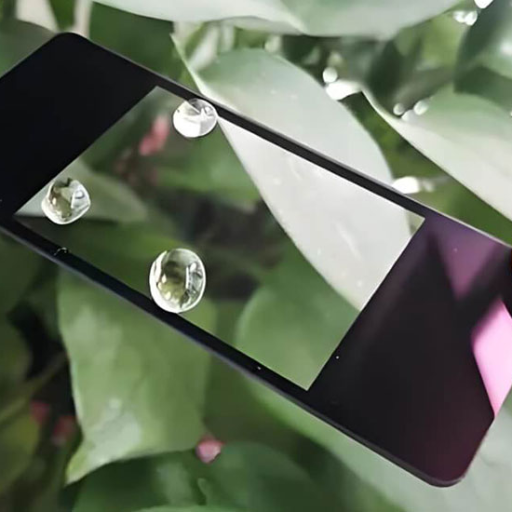
The durability of an AF coating lies on its quality, the condition with which it is used, and the maintenance process. Studies have shown that higher-quality AF coatings made with advanced technology for hydrophilicity or hydrophobicity last far longer than older and lower-grade products. These coatings are still effective in preventing fogging after several months or even years, depending on handling procedures like avoiding harsh or other household cleaning agents for cleaning purposes.
Consequently, in terms of weathering propensity, each AF coating is not created equal. Sites published by users who have reviewed and conducted studies suggest premium quality solutions of coatings offer longer resistance, while those having a more basic or lower-level offering may degenerate faster under increased temperature changes, high humidity level, and general no/no maintenance. Consistent application of a good name brand and cleaning up the tiny particles as well as moisture in accordance with set guidelines will help one to last for years.
Understanding Peel and Damage Factors
Two main reasons lead to the delaminations and degradation of an anti-fog (AF) layer of coatings: prolonged exposure to certain elements of the environment and improper handling. Environmental elements occur in the form of high humidity, drastic and quick temperature changes, or exposure to harsh cleaning agents would naturally deteriorate the integrity of the coating. Environmental stresses break apart the adhesion with time and engender peeling or abrasions.
Improper handling as a substantial factor leads to the coating damage. Rubbing the coating with very abrasive or harsh cleaning materials or not following proper maintenance may quickly deteriorate the coating. Often accidental misuse may lead to microtears along the edge or even major peeling, which will progress fast with subsequent handling.
To prevent such issues, it is important to store items that have been AF coated in a stable environment; they need to be cleaned gently with the use of soft, non-abrasive materials. Following the manufacturer’s care instructions gives an extension to these coatings, bringing down the risk of damage caused from environmental or user-created factors.
Clarifying Misunderstandings About Anti-Fouling Properties
Doing their job right, AF (anti-fog) coatings have a prefixation to minimize moisture accumulation when the activities, e.g. lenses or protective eyeglasses, have been kept on their surfaces, which means a false belief of maintenance without any maintenance at all. Even if the coating fails, all AF coatings require timely revalidation, once the coating wears off for want of treatment. In adherence to this, the most particular need for maintenance of the anti-fog coating should include only gentle cleaning agents used infrequently. Always, avoid harsh chemicals that might otherwise compromise the potency of the AF to perform usefully in its intended arena.
There exist a lot of people who believe that fogging, with AF coatings, occurs all over the lens, irrespective of the situation – although the AF coatings make sure the situation gets improved to a much better extent, there is still a considerable room of variability in most cases where since the environmental humidity and temperature change quite often, these two conditions play an effect on their performance. It is a good thing to choose good anti-fog products and always follow the manufacturers for optimal performance and longevity.
Reference Sources
Frequently Asked Questions (FAQs)
What are the differences in AF coating wear in consumer and industrial applications?
The lifespan of AF coatings between consumer goods and industrial applications has marked difference as this due to the utility pattern and external forces. For instance, we are said give 6-12 months for consumer products such as electronics, smartphones, and glasses, while working hard on the AF and suitable cleaning modes. Industrial AF coatings are intended for a significantly longer lifespan compared to their consumer counterparts to deal with tough environments like heavy cleaning, abrasive particles, and chemical reactivity. This is highly dependent on the method of application, whether it be a spray, chemical vapor deposition, or dipped coating. Simple maintenance and proper care can prolong the life of the AF coatings. Therefore, it appears that these industries will be better off experimenting with the hard coatings of premium quality, which are much needed to withstand such kind of severe operating conditions.
How can you make your AF coating last longer through various maintenance and cleaning approaches?
One way to maintain the life of a coated AF surface structure is to use barely-abrasive materials, among which is microfiber cloth with less acidic pH than a detergent. In some cases, harsh improper chemicals and sponges rough enough for smooth surfaces can dissolve AF hydro and oleophobic properties; be keen in selecting suitable cleaning materials. Cleaning usually should be in line with the demand of the material or the setting, always being careful when it comes to cleaning. In a heavy traffic or working environment, routine assessment of the wear signs early enough to be corrective is recommended. Moreover, the addition of an extra film protection will give additional longevity to an AF coating application. Always refer to the cleaning guidelines provided by the manufacturer.
Are there differences in lifespan between anti-fingerprint and anti-glare/anti-reflective coatings?
Yes, there are considerable differences in the lifespan and performance of anti-fingerprint (AF) coatings versus anti-glare and anti-reflective coatings. AF coatings typically apply to the issue of smudging and ease of cleaning, many times necessitating reapplication after specific wear. However, the case is different with anti-glare and anti-reflective coatings designed for optical clarity as well as creating minimal visual disorder; many times, these are much more lasting compared to the former. As of now few glass manufacturers are proposing multi-layer coatings that combine these needs; these vary in respect of their service life, cost, and maintenance. Whatever the case, the smart selection here will ride on your specific requirement of the fingerprint-resistance and if it comes at the cost of clarity or forgetting it.
How are environmental factors potentially affecting the wear of glass coatings and possibly affecting their efficacy?
UV exposure, high humidity, extremes in temperature, and dust particles play a major role in the wear and efficacy of these anti-fingerprint-glass coatings. Many cases could deteriorate in color because of sunlight or the hydrophobic layer can disintegrate. High humidity also supports bond weakening while abrasive dust or sand hastens the occurence of tiny scratches. Coatings made with UV-blocking or reinforced polymers could indeed be selected for applications that mean these outdoor or demanding surroundings. While the physical barrier obstructs the possibility of these surfaces being damaged by outdoor stresses, regular cleaning of these might be of some assistance.
Can you tell me more about new developments in AF coating technology for more durable coatings?
The most recent improvements in AF coating technology have been associated with nanotechnology, biodegradable additives, and hybrid materials, which have brought about increased bond strength and resistance against outside influences. The plasma-assisted deposition and molecular layering techniques represent new thin-film deposition processes for developing hard coatings offering excellent bonding and high surface compliance. Some coatings pair hydrophobic and antimicrobial functions to improve performance and maintain hygiene. Moreover, the idea of sustainable development is beginning to bear fruit as economic and ecological consequences of all coating material selection are analyzed. This lifestyle-oriented focus is to help lengthen lifespan and reduce the need to re-coat time and time again, allowing them to find extensive use in both consumer and industrial markets.