Get in Touch with Saiweiglass


AF Glass for Medical Device Displays: Requirements & Solutions


The contemporary healthcare industry has at its core medical device displays that serve to monitor patients’ conditions, interact with health professionals, and carry out diagnostic procedures all with precision. However, one prominent problem is how to ensure that those functions remain operative and the view clear despite the heavy utilization of the device, many times under harsh conditions. This is the solution that the anti-fingerprint glass (AF) is prepared to offer. Unlike the usual glasses that are effective after much care, AF glass is useful during normal operation even in high frequency use. The medical device displays that exist have demands that are different from other glass surfaces, and they offer specific and generic importance of AF glass medical through creative ideas and solutions that are invented to fulfill the needs of sanitary environment of healthcare users. Read on as we reveal how this new material enables health care devices to become medical equipment.
01 / Introduction
Introduction to AF Glass in Medical Displays
AF glass is a particular glass characteristic specifically to prevent smudging, forming of streaks, and residue build up from frequent contact. In the case of medical devices, application of AF glass to the display screens enhances visibility and promotes hygiene without increasing fingerprint formation hence making the surfaces more user-friendly. Such features are required in medical situations, where clarity of display is needed together with high hygiene measures. In addition to extending the life of the device, AF glass medical devices with this type of glass ensures that the devices are used well and are safe for use within hospital premises as well.
02 / Definition
Definition and Properties of AF Glass
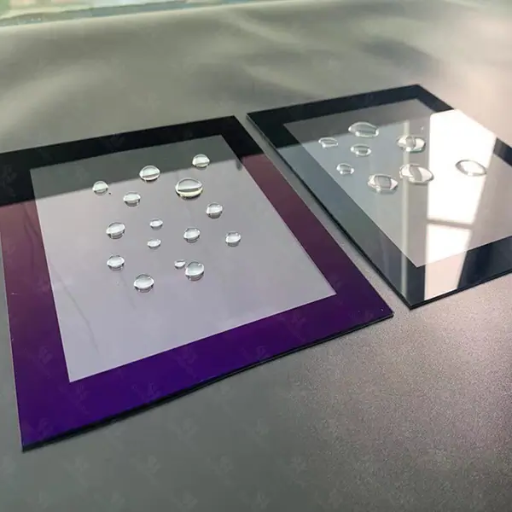
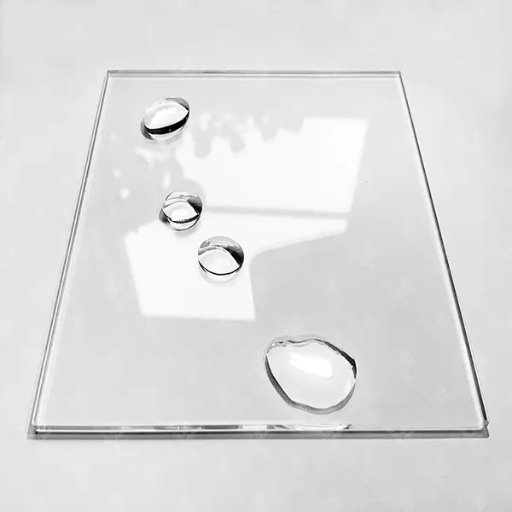
Antifingerprint (AF) glass is a specially designed glass material treated with an oleophobic coating for the sole purpose of minimizing the fingerprint, smudge, and oil spots noticed on the glass surface. This particular coating has its other attributes, such as enhancing the optical clarity, maintaining a cleaner appearance, and increasing the tactile smoothness of glass, which is great for an interactive user. AF glass is extremely robust, scratch-proof, and easy to keep clean—making it a functional and aesthetically pleasing choice for practical applications.
The main features of this anti-fogging glass include hydrophobic and oleophobic. Since water and oil cannot stand in AF glass, leaving residues never occurs throughout its service and restricts overall visibility. Whereas the device is involved, the topnotch scratch resistance guarantees that the unit can last longer and up to harsh treatments. Such favored features make the AF glass a paramount choice; in various sectors such as the medical sector, consumer electronics, and automotive displays, cleanliness, durability, and good function of AF glass have set the industry’s most required standards.
Property
Oleophobic
Repels oils & skin residue
Property
Hydrophobic
Repels water & moisture
Property
Scratch Resistant
Handles harsh treatment
Property
Optical Clarity
Preserves display sharpness
03 / Medical Displays
Medical Display Glass Technologies
Importance of Fingerprint Resistance in Medical Devices
In medical equipment, resistance to fogging is very crucial in terms of performance and cleanliness. Medical facilities must exert stringent cleanliness in order to further increase patient safeguarding and resist contamination. Anti-fingerprint (AF) coatings that maintain a cleaner surface—keeping both particles and fingerprints away—cover monitors, touch screens, or hand refinement tools. Such a feature is most appreciated during massive stress situations when immediate decision-making is critical. They also decrease the frequency of cleaning, and save much time by somewhat reducing the use of damage-creating cleaning agents over the lifetime of a device. Indeed, material resistance and quality via this technology are vital for functioning, accuracy, and endurance when employed in demanding life scenarios.
Overview of Medical Display Glass Technologies
Medical display glass technology provides the first vital step in making an accurate diagnosis and administering appropriate treatment with health care settings. Such technology is designed to guarantee supreme picture quality, of course, depending on scratch-resistance and an environmentally loyal build. The best medical-quality display glass offers advanced visualization for diagnostic images, allowing health care professionals to see the slightest, most minute details ever so clearly.
The sturdiness of this key technology has as its chief feature that it can withstand the oppressive environment in which these products are placed inside the medical institutions. The antiglare treatment minimizes reflections and ensures a completely distinct picture under different lighting conditions. Furthermore, many display glasses have antimicrobial coatings that contain harmful microorganisms with the aim of clean and sterile clinical environments.
Furthermore, touch technologies like the top ones are usually integrated in medical display glass, allowing interaction with digital interfaces in a frictionless way. This ease of use increases efficiency during critical tasks. The upshot: Advanced technologies allow the very people in medicine to provide the design care which can save life, because immaculate outcomes are a fact that can be obtained.
04 / Coating Properties
Properties and Benefits of AF Coating

Understanding the Anti-Fingerprint (AF) Coating
Anti-fingerprint (AF) coat is ideal for surfaces with a high possibility of being messy with smudges, say, as is the case with display glass. The coating depends on nanotechnology for the hydrophobic and oleophobic properties: in other words, it keeps water and oils at bay. Visibility and clarity are immensely upgraded when this coating is applied to medical environments, with a great logistical value that takes maintenance to the highest degree in such situations.
In the case of high-touch applications, the AF coatings allow touchscreens to maintain excellent grip while they resist smudging. This also enables increased scratch resistance and extends the lifespan of various exhibiting technologies. The controller can improve display technologies by their capacity to reduce maintenance, thus leading to the desired effect on interaction with the device.
Enhance Visibility with AF Coated Glass
AF coated glass is a comparatively better vision-opening construct avoiding all kinds of glare that obscures vision and makes the application in products with screens serve their needs. More recently, people are looking for items that offer a combination of amazing looks and practicality. An anti-fingerprint coating guarantees that smudges are no longer experienced on the screen and thus allow for a polished, shiny look form that corresponds to the look of present day product designs. Moreover, these wallow slightly for maintaining optimum performance around the movie screen in high-light conditions, so that it remains legible, vibrant, and responsive in unfavorable places. This idea underlines the growing relevance of AF coatings in consumer electronics and even beyond.
Key Differences: AF vs. AG Coatings
AF (anti-fingerprint) coatings reduce smudges, enhance screen clarity, and offer a polished look, while AG (anti-glare) coatings reduce reflection, improve visibility in bright conditions, and provide a matte finish.
| Parameter | AF Coatings | AG Coatings |
|---|---|---|
| Purpose | Reduce smudges | Reduce reflection |
| Finish | Polished | Matte |
| Visibility | High clarity | Anti-glare |
| Light Handling | Bright readability | Reflection control |
| Durability | Stain-resistant | Scratch-resistant |
| Appearance | Sleek | Non-glossy |
05 / Technologies
Coating Technologies for Enhanced Medical Display Performance
Overview of AF Coating Technologies
Anti-fingerprint (AF) coating technologies refer to refined designs intended to reduce smudges and fingerprints on surfaces, which makes them ideal for great viewing and shiny look. These coatings are formed by an intermediary surface that repels oil and moisture while making it a tough spokesperson for any detectable adhesive residues on the display. It is adequately acceptable for especially wet locations, where the AF Coatings will be kept in touch with on numerous occasions.
One primary benefit of utilizing AF coatings is the advantage it provides for cleanliness and hygiene. The AF coatings work in a manner that oil from the human skin and smudges will run off rather than get engrained into the display, causing a buildup of dirt which eventually makes the surface easier to clean and maintain. This very fact has huge significance for medical displays, as their maintenance ensures a clean and hygienic environment, which goes a long way in terms of patient well-being.
Moreover, AF-coated technologies improve the user experience by preserving their display clarity and brightness. The surface remains visually sharp and nonreflective even after several touches, making it reliable in a variety of lighting conditions. In the world of advanced displays, this durability and functionality place AF coatings at the top of the must-have list.
Comparing AF with Anti-Glare (AG) and Anti-Reflective (AR) Coatings
AF, AG, and AR coatings differ in functionality, with AF repelling fingerprints, AG reducing glare, and AR minimizing reflection.
| Parameter | AF Coating | AG Coating | AR Coating |
|---|---|---|---|
| Function | Fingerprint resistance | Reduce glare | Min. reflection |
| Surface | Smooth | Matte | Smooth |
| Clarity | High | Moderate | Very high |
| Reflection | Reduced | Diffused | Minimal |
| Touch Feel | Smooth | Rough | Smooth |
| Durability | High | Moderate | High |
| Applications | Displays | Screens | Lenses, Glass |
Future Trends in Coating Technologies for Medical Displays
The future of medical screen coatings has been undergoing significant shaping by nanotechnology, enhanced need for durable coatings, and the inclusion of smart functionalities. One major development is a multifunctional coating with antifingerprint (AF), antiglare (AG), and antireflection (AR) properties within a single layer. With a combined possibility of enhancing contrast, scratch resistance, and easy cleaning and therefore maintenance were to be excellent because clarity and cleanliness in medical applications imply accuracy and hygiene.
Another development is the introduction of an antimicrobial aspect into the coating. The medical display must protect its cleanliness in the face of the ascendancy of infection control. The use of silver ions etc., or other desired antimicrobials, is increasingly more encompassed within display coatings to ensure resistance to microbial growth.
The growing push for energy efficiency has consequently given rise to coatings that improve light transmission and lessen energy consumption. Not only do they enhance brightness for display viewing in various lighting settings, but, as well, their attributes are energy-efficient.
On the other hand, the phenomenon of smart coatings for adaptive responses to environmental conditions or user interactions is rising. Therefore, these sensors will support innovative display configuration based on the most optimal performance, thus being extremely adequate for the most contemporary medical applications.
In retrospect, the future of coating technologies in med-tech displays will be about enhancing functionality, durability, and patient safety in order to allow medical professionals to trust their displays for precise and hygienic visual information.
06 / Comparison
Comparing AF and AG Coatings in Medical Displays
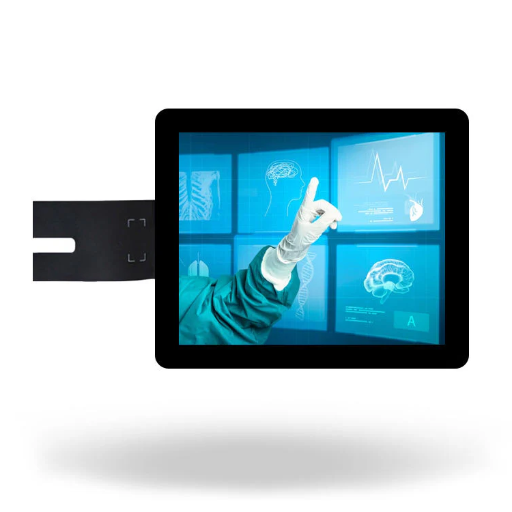
Advantages of AF Coating over AG Coating
-
01Clear Cut
AF’s superior optical clarity, when compared to AG, delivers sharper and more detailed images and is of utmost importance in the medical field for diagnostics. -
02Fingerprint Resistance
AF coatings are oleophobic, hence highly resistant to fingerprints and other types of smudges, preserving a cleaner and equally legible display for longer periods of usage. -
03Easy Maintenance
In comparison to AG’s easy maintenance, fingerprints do not stick as easily, and even liquids and oils are easy to remove, resulting in an effective way to keep away any unwanted contaminants from the viewing surfaces. -
04Smoother Texture
AF’s smooth surface will be a tactile joy and strain-free for a touchscreen navigation experience, possibly due to the refractive index match between the AF and the materials used in the products. -
05Color Fidelity
The loss of color accuracy in AG coatings is the opposite of the state found in AF coatings, in which color accuracy is preserved very much—warranted in perfect precision in medical imaging; even the slightest compromise must be eliminated.
07 / Applications
Applications & Case Studies
Applications of AF Glass in Various Medical Devices
01
Surgical Displays
Manufactured with smudge-free viewing surfaces to display clear and exact images during significant operative procedures.
02
Patient Monitors
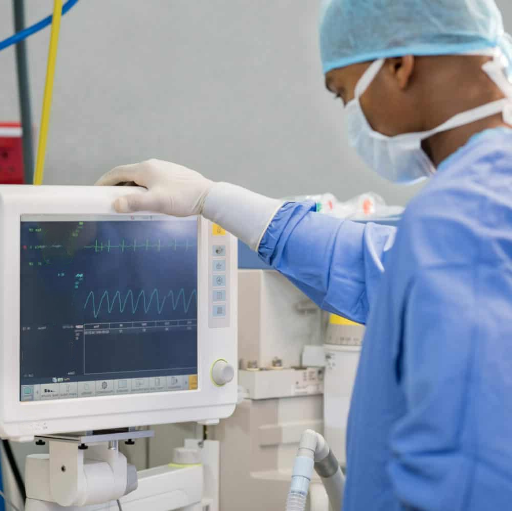
Get enhanced touch sensitivity and interfered fingertip marks that enable straightforward and reliable interactions in monitoring vital signs.
03
Medical Imaging Equipment
Delivers color fidelity and clear image resolution that are important for reading tests from systems like X-ray machines and MRIs.
04
Healthcare Tablets
High durability, clean surface finishes for tablets used in patient-record keeping and real-time access to data.
05
Diagnostic Devices
Clarity and soft touch would ensure perfection when operating laboratory and clinical diagnostic tools.
Case Studies: Successful Implementations
08 / Future Outlook
Future Trends in AF Glass Technologies
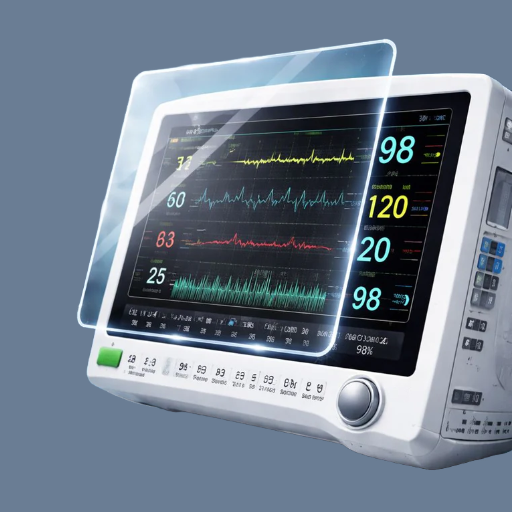
Innovations in Anti-Glare and Anti-Reflective Coatings
Novel anti-fatigue and reflection-free hard coatings give more importance to visual comfort and durability, given the new age user demand. Nanotech coatings, beyond the fault of glare diffusion, possess excellent glare control, keeping the high transparency of the screen intact. Advancements in multilayer-thin-film technology for anti-reflection coatings have significantly minimized the reflection across a broader range of light wavelengths.
These coatings are being put in place in the next generation of displays for smartphones, laptops, and automotive dashboards, promising significant viewing advantages in high ambient light intensities. Manufacturing is also trending towards greener ways that can minimize all hazardous spin-offs from the production processes, as well as decrease energy consumption. Thus, with functionality and sustainability tied together, the future of anti-glare and anti-reflection solutions promises to present the most advanced of solutions to fulfill the needs of consumers and the environment.
Predicted Developments in AF Glass Solutions
It is anticipated that improvements in AF (Anti-Fingerprint) glass solutions will be centered on seamless integration with emerging technologies. With reliance on touch interfaces mounting, manufacturers will lean towards having coatings that would resist and restrict smudges or fingerprinting while enhancing the sensitivity and precision of touch. Innovation will be likely to look for ways to introduce a self-healing capability to counteract minor scratches over time, thereby meaning endurance and longevity.
What is more, AI-borne design data reflects a significant call for customizable glass finishes, based on target industries, for medical devices, consumer electronics, and automotive displays. Furthermore, our investigations indicated a potential for hybrid solutions that fuses anti-fingerprint properties with anti-microbial properties that are invaluable to maintain hygiene in high-contact environments.
These predictions are based on projections of technology trends and the shifts in consumer inclination. Consequently, AF glass solutions are to revolutionize the world, not only in the way they taste performance, beauty, and ease of AEC-industry turn.
09 / Selection Guide
Selecting the Right AF Glass for Medical Device Displays
Durability and Scratch Resistance
For a medical device display subjected to frequent cleaning, disinfecting procedures signify the requirement for durable materials. AF glass having scratch-resistant and chemically hardy properties guarantees long-term efficiency and clarity in extreme user-related conditions.
Anti-Glare and High Visibility
Maintaining readability under varying light conditions is key in medical environments. AF glass with anti-glare surfaces helps in cutting reflections and showcasing display visibility to provide accurate reads and keep eye fatigue away during use.
Antimicrobial Properties
Hygiene tops the list for every medical device. Against any form of microorganism, anti-microbial coatings that are built into AF glass measurably reduce the chances of such contamination on the high-contact display surfaces, hence fostering a safer user environment.
Touch Sensitivity & Performance
With medical devices operating on touch screens, it is important to have a smooth operation and a high level of accuracy. Such exceptional touch sensitivity with an AF coating that is scratch-resistant and fingerprint-resistant goes a long way in terms of user friendliness and performance.
Customization for Maximum Utility
Most often, medical devices have specific requirements for design and functionality. Hence, an AF glass solution that could be customized for dimensions, coatings, optical properties, and so forth would assist greatly in making the AF glass suitable for dedicated applications.
Following these lines, any glass manufacturer schemes on how to choose the AF glass, which meets all the basic functional and aesthetic requirements at the same time standing up to the heavy demands of the medical world.
Reference Sources
-
Trends in Medical Device Design and Manufacturing
This article discusses the evolving requirements for medical devices, including the need for advanced display technologies like AF (anti-fingerprint) glass for portable and durable medical equipment. -
Measuring and Qualifying Optical Performance of AR/VR/MR Device Displays
This research focuses on the optical performance of advanced displays, which can include AF glass for enhanced clarity and usability in medical environments. -
Transparent Anti-Fingerprint Glass Surfaces: Comprehensive Insights into Theory, Design, and Prospects
This article provides a detailed analysis of anti-fingerprint coatings on glass surfaces, including their application in touchscreens and medical displays, using advanced chemical vapor deposition techniques. - AF Glass
10 / FAQ