Get in Touch with Saiweiglass


Cover Glass Manufacturing Process Explained: From Raw Materials to Final Product

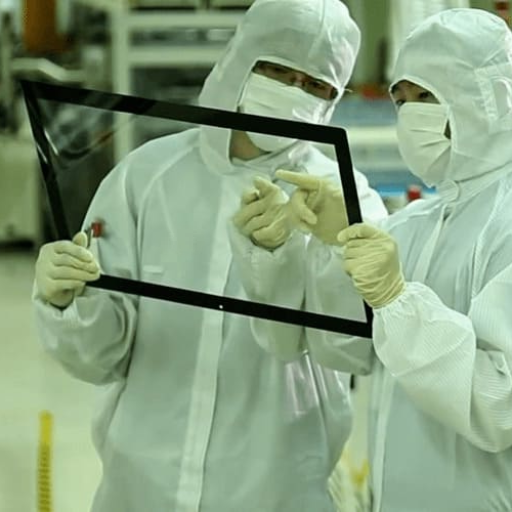
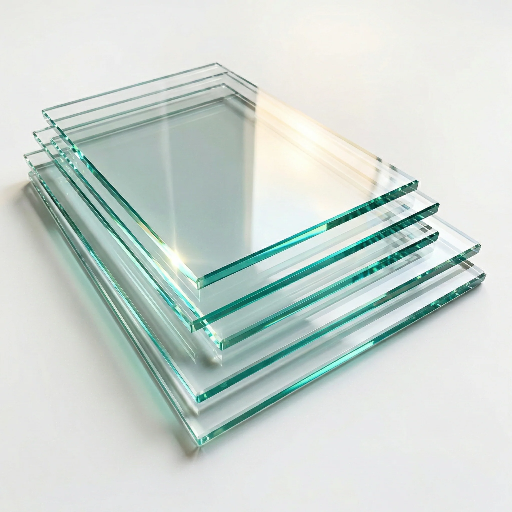
High-quality cover glass production includes some part of art as well as a science zone, which in turn involves a tailored process to transform raw materials into a crucial part supporting various industries like consumer electronics and architecture. This post will take you through the behind-the-scenes work that is cover glass manufacturing, break down each step right from selection of raw materials to the final product imbibed for application. Whether you are interested in how innovation can rejoin precision or want to have a deeper insight into a fundamentals industry, this article should make an amiable and well-articulated guide. Get prepared to explore the wonderful practices and state-of-the-art technologies convenient for making this cover the epitome of sturdiness and performance.
Introduction to Cover Glass Manufacturing

Cover Glass Manufacturing Process refers to making distinctive and toughened glass products intended to cover electronic panels, instruments, and optical devices, amongst others. This includes careful choice of the best raw materials, forming, finishing the glass to the right size, and treating it in order to increase strength, optical transparency, and eliminate scratches or dents. In order to meet the functional and aesthetic requirements of glass, more advanced methods are utilized such as tempering and coating. Because of the quest for both craftsmanship and accuracy, the cover glass is manufactured for a variety of sectors and guaranteed to serve effectively for a very long time.
Overview of Cover Glass and Its Applications
In several industries, cover glass plays a significant role by providing a safety layer as well as functioning for electronic devices, architectural designs, and medical instruments. While most commonly found in smartphones, tablets, and touch screens, with the intention to boost the durability, clarity, and touch sensations of devices. This capacity to withstand scratches, impacts, and daily wear easily attracts cover glass an essential ingredient in technological products.
Now that the cover glass in various consumer electronics, solar panels, and automotive displays has literally transformed the design into essential elements, cover glass gives a redline in terms of consumer electronics, whose protective cover shows an optimal performance even in the harshest conditions. For biocompatibility and its rendering of precision in microscopes, diagnostic tools, and other devices, cover glass is closely related to the medical sector. Modern cover glass is specially produced for space applications, thanks to the addition of coatings that are anti-reflective surfaces, oleophobically-sensitive layers, and tempered glass processes. This renders cover glass as a material that is eternally becoming adaptable and strong, impacting majorly on complex tech systems and daily use articles, while at the same time wielding design flexibility.
Significance of Glass in Display Technology
In this context, glass steps into a dual role, equally as a barrier and visionary ameliorator of display technologies. Display technology such as LED, OLED, and AMOLED largely depends on special glass to enhance so many things like image clarity, brightness, and responsiveness. Devices including smartphones, tablets, and television systems attain more extended utility through innovations such as Gorilla Glass that offers superior durability and scratch resistance with daily use. Additionally, integration of anti-glare coatings along with touch sensitivity advancements allows user experiences free from perceptible user intervention and visibility into different lighting conditions. Untiringly rising demand for ultra-thin, high-resolution displays propels the advancement of special types of glass that are lighter, more flexible, and capable of supporting foldable or transparent screens, thereby ushering a new era of functionality and design in consumer electronics.
Types of Cover Glass Used in Modern Devices
There are several types of cover glass used in modern devices, including Gorilla Glass, Dragontrail Glass, Sapphire Glass, Tempered Glass, and Ceramic Glass.
| Type | Durable | Scratch-Resist | Flexibility | Transparency | Popular Use |
|---|---|---|---|---|---|
| Gorilla Glass | High | High | Moderate | High | Smartphones |
| Dragontrail | High | Moderate | Moderate | High | Tablets |
| Sapphire Glass | Very High | Very High | Low | High | Premium Watches |
| Tempered Glass | Moderate | Low | High | Moderate | Displays |
| Ceramic Glass | High | High | Moderate | High | Laptops |
Raw Materials in Cover Glass Manufacturing

Selection of Raw Materials for Cover Glass
The selection of raw materials plays a critical role in ensuring the desired properties of cover glass, which include durability, transparency, and scratch resistance. The key raw materials that are employed in this regard are:
- MAT
Silica Sand: This raw material will give strength and transparency to the cover glass. It forms the major constituent of the glass matrix.
- MAT
Soda Ash: This raw material decreases the melting point of silica, so it is a valuable ingredient for heat energy saving.
- MAT
Lime: Enhances the chemical durability of the glass, protecting it from the erosive effects of the environment.
- MAT
Alumina: The alumina raises resistance to hardness and scratches, two important properties needed for the glass to withstand rigorous challenges for an extended period.
- OPT
Optional Additives: Boron and rare earth oxides act as optional inclusions for improved thermal, and some noble properties as well, relying on the use of the product.
A combination of these materials are fashioned for balance in performance, cost, and efficiency of production to suit the specific application of glass.
Processing and Preparation of Raw Materials
The cover glass raw materials preparation process is to ensure quality as much as possible, selecting only the finest ingredients on the market while making sure to keep constant characteristics. The primary raw materials, such as silica sand, should by nature contain the highest purity to consequently provide the necessary criterion of optical or mechanical characteristics. By treatment, the above-stated raw materials are cleaned comprehensively to remove impurities such as iron which may otherwise act as a contaminant and act as a deterrent to clarity and strength of the final product.
After cleaning, the materials are weighed accurately and mixed according to accurate proportions with respect to the formulation required for the particular application. Modifiers like alumina are sometimes added to increase durability of the glass and if desired, boron is also used as a doping agent. Mixing is done to perfect these backward in lack of homogeneity so that throughout the glass uniform properties are achieved.
The prepared batch is then followed by rigorous process controls before entering the melting phase to ensure that the raw materials are clean and free from any form of contaminants or adulterants and strictly conform to the exacting requirements set for making premium cover glasses. This synthesis of innovative material science and precision engineering allows for the production of cover glass to match the needs of cutting edge technology, striking the perfect combination of intrinsic strengths, transparency, and functionality.
Types of Glass Materials: Aluminosilicate vs. Soda-Lime
Aluminosilicate and soda-lime glass differ in composition, strength, heat resistance, durability, and manufacturing applications.
| Key Point | Aluminosilicate | Soda-Lime |
|---|---|---|
| Composition | Aluminum, silica | Soda, lime, silica |
| Strength | High | Moderate |
| Heat Resist. | Excellent | Limited |
| Durability | Very strong | Less durable |
| Applications | Tech, aerospace | Windows, bottles |
Glass Manufacturing Process Explained

Melting Process in Cover Glass Production
In the manufacture of cover glass, the melting step has a determining effect on material quality and properties thus starting with the proper choice and preparation of raw materials, namely silica, alumina, and diverse other additives. These materials are measured, then mixed to ensure consistent content. The well-concocted mixture is then heated up to very high temperatures usually more than 1400 degrees centigrade in specially designed furnaces to form homogeneous molten glass.
Once the materials have been melted into the liquid state, the molten glass must be carefully regulated and guarded against fluctuations in uniformity — that is, away from introduction of impurities. Techniques involve handling precision temperatures to ensure that the molten glass complies with performance and clarity requirements. This particular stage is responsible for the strengthening, thermal resistance, and perfection of the article that will emerge.
After melting, the molten glass pours on specialized forming surfaces or floats and forms into sheets or into any other shape. They could adjust the degree of smoothness and thickness according to the specifications of the forms. The right kind of control employed along this process will ensure that the final cover glass produced is of excellent quality with which to cope in sectors that demand high quality such as electronics, windows or manufacturing.
Forming Techniques: Float vs. Fusion Downdraw
Float Method
The float method employs a glass ribbon dropped into a tank of molten tin. In confined conditions, glass heals into a plane, its thickness reducing gradually with cooling down. This method is cost-efficient to a great extent and is most suitable for the production of large quantities of standard glass with consistent thickness and smoothness, often used in windows or basic industrial applications.
Fusion Downdraw
The fusion downdraw process is an advanced manufacturing process employed to generate ultra-thin, highly polished cover glasses ideally suited to high-tech applications, like touch-screen digital devices and optical displays. Molten glass is drawn off from a trough into two merging streams while easing into a unified stream, which freezes to form a pristine glass sheet. Absolute absence of surface contact ensures a pristine, optically attuned glass sheet for electronic and high-precision components.
For choosing floated versus fusion-drawn process, the selection would depend most upon the specific demands of the application. The high-volume and low-cost float method is to be practiced for everyday glass production. Conversely, for precision, durability, and perfection, fusion-drawn glass manufacturing upstages. Both techniques are instances of engineering innovation in making a top-quality cover glass for modern needs.
Cooling and Shaping the Glass
Correct cooling and shaping applications are paramount in securing the desired traits of glass as well as its final form. Especially, the field of glassmaking is concerned with cooling down the glass under a controlled cooling regime after it comes from the melting and forming process to avoid any internal tensions being generated. Annealing, as a further step, involves putting such glass in a furnace known as an annealing lehr and slowly cooling down the product to span temperature gradients and stabilize its structure. Depending on the purpose, the workpiece might either be pressed into shape through various shaping techniques, such as blowing, or be sequentially drawn into forms. Precision control can offer for optimum quality, strength, and consistency in the end product.
Chemical Strengthening and Finishing Stages

Chemical Strengthening and Finishing Stages
Overview of Chemical Strengthening Techniques
Chemical strengthening is a process for enhancing the durability and toughness of cover glass, an action aimed to make the cover more resistant against scratches, high impact loading, and thermal-related physical stresses. Ion exchange mechanism is a simple process for either case, whereby smaller sodium ions in the glass surface are exchanged for larger potassium ions by way of immersion inside an aqueous bath, or melt of potassium nitrate containing a high concentration of potassium salt. The result is a compressive stress layer on the glass surface, greatly enhancing the mechanical properties.
Gorilla Glass, one example of high performance cover glass, acquires superior toughness through advanced chemical treatment, achieving greater clarity in the process while still rendering a thin sheet. Along the proper parameters of strengthening — the effectiveness of the glass’s immersion period, high temperature, and types of glass to be strengthened — are the most important key factors. After the strengthening stage, the glass undergoes a series of quality checks in order to comply with all strict requirements of modern-day applications from mobile to display technologies. In this context, strengthening has driven an innovative dimension to the modern glass-making process that combines excellent strength and functionality across a broad spectrum of useful products.
Cutting and Polishing Processes
The most imperative procedures to produce an exceptional Cover Glass technology used are cutting and polishing. Cutting may encompass extremely precise procedures like diamond saw or lasers to ensure accuracy of dimensions and do away with jagged or rough edges. This becomes essential in guarding against microflaws that may tend to weaken the applied glass at later times. A laser-focus modern machine with computerized design possesses a high degree of intricacy to accommodate different shapes and outlines to be used in various device configurations.
To improve the surface with the benefit of removing any defects that were not present during cutting and attain the desired clarity and smoothness, polishing follows cutting. One common practice is CMP (chemical mechanical-polishing) — involving abrasives, solutions — nearing perfection on glass utilized for optics. This method focuses on lessening surface roughness thereby reducing light distortion and improving touch sensitivity for display application. It thus follows that combining precision cutting with innovative polishing methods can ensure cover glass meets modern technology’s demanding standards of durability and functionality.
Coating Applications for Enhanced Durability
Rule of thumb says that more use of coating capacities greatly improves the cover glass’s endurance and performance.
Anti-Scratch
Anti-scratch coatings have quite high resistance to abrasion because these are designed to keep the glass clean enough to possibly continue normal responses under frequent use.
Anti-Reflective
Anti-reflective coatings will get rid of glare, and will provide maximum visibility under different ambient lighting conditions.
Oleophobic
Oleophobic coatings resist fingerprint smudging and keep the surface shiny and clean in everyday life applications.
All in all, these coatings will certainly somehow increase the productivity of the cover glass, but at the same time, take care of any tethering between shiny surfaces and sustenance properties in everyday life applications.
Quality Control in the Cover Glass Manufacturing Process
Importance of Rigorous Testing Measures
Testing is indeed thorough and critical for ensuring glass cover performs well, is durable, and has high safety during use. These tests are for scratch resistance, impact resistant, flex resistance, and all other assemblage of absorbing standards for industry as well as customers. Of all tests, thermal shock testing is specifically carried out to withstand extreme changes in temperature before breaking, while a jump test is the best example of a test that subjects the sample to in-field conditions of a real breakage test. Many intended to test its brilliance to optical clearness and color reproduction of the panels. Over and above, quality is embodied in quality — with vulnerability to the field being considerably lessened.
Evaluating Durability and Scratch Resistance
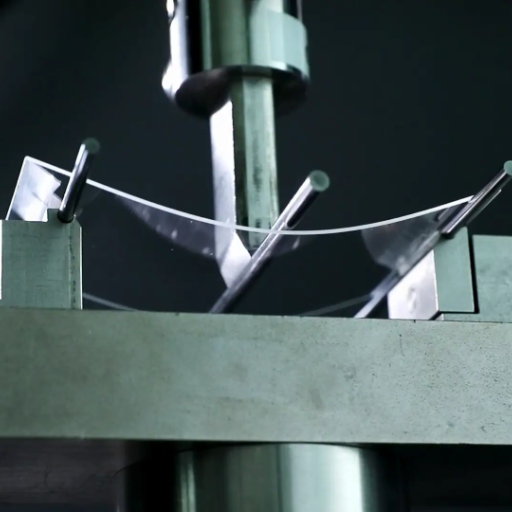
The important features during the forming of the cover glass are its durability and resistance to scratches, enabling it to bear daily use and functionality over time. One of the main methods for judging durability is mechanical tests including pressure tests, drop tests, and bending tests, all of which simulate real-world conditions and allow the manufacturer to see if the glass will withstand some of the given physical stress before breaking or becoming deformed.
The scratching resistance is routinely evaluated using controlled abrasion tests. The scratch resistance can be displayed by abrasion or scratch tests. The glass surface is exposed to abrasion using materials of different hardness in order to determine the resistance to scratching. Variably, hardness tests, such as pencil hardness tests or abrasion steel wool tests, lead to useful and consistent results. In conclusion, this essentially assures that the glass will exhibit a lasting smooth appearance after prolonged use.
These rating systems, when combined with advanced fabrication methods, buttress glass to survive demanding environmental conditions. With durability and scratch resistance forming an axis of coexistence, manufacturers design products that are strong yet usable to suite both industry and consumer expectations. This all-encompassing testing model ensures that the cover glass will be suitable for long use, very high in quality, and ready for manifold applications.
Maintaining Optical Clarity
Cover glass manufacturing makes optical clarity highly crucial since it affects the user experience and the quality of the display directly. To ensure optimal clarity, manufacturers use the most advanced techniques in the industry. That includes polishing to achieve an impeccably smooth glass surface, fortunate in being coated to prevent any surface and surface defects or light scattering from blocking transparency and brightness. Besides using advanced and powerful cleaning techniques together with even more highly focused precision handling, clarity of a total of contaminants like particulates and other impurities must be addressed.
The trend of contemporary hints for the use of anti-reflective coatings, which enhance visibility under various lighting conditions and stop glaring for fine usability. By including some congruent imaging systems, quality-indenting technology ensures the clear standard window pane to be adhered under further standards, which is adapted to an easy flow for some industrial needs, like consumer electronics and automotive industries. The management of the optical clarity within current optics is a more established method, while incorporating newer technicalities in its making.
Reference Sources
-
Production Flow Analysis Through Environmental Value Stream Mapping: A Case Study of Cover Glass Manufacturing Facility: This study provides insights into the diverse activities and raw material handling in a typical cover glass manufacturing facility. Access the study here.
-
The Development of Flat Glass Manufacturing Processes: This paper explores the historical and technical evolution of flat glass manufacturing, including its application in cover glass production. Read the paper here.
-
Mechanization of Glass Manufacture: This article highlights advanced manufacturing techniques, including the Corning down-draw process for cover glass production. Read the article here.
-
Advanced Cover Glass Defect Detection and Classification Based on Multi-DNN Model: This research focuses on automated inspection systems for cover glass, emphasizing quality control in the manufacturing process. Access the study here.
- Custom Cover Glass