Get in Touch with Saiweiglass


Gorilla Glass vs Dragontrail Glass vs Panda Glass: A Comprehensive Comparison of Protective Glass for Smartphones

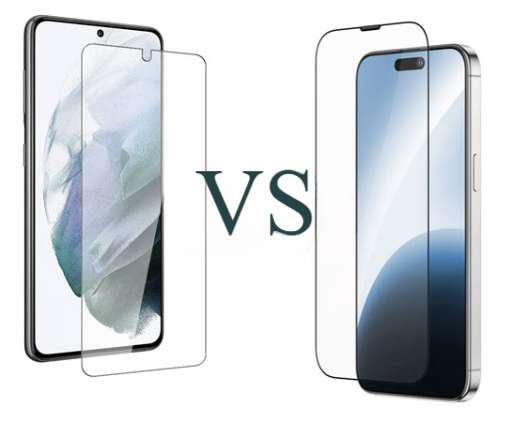
In the case of choosing a particular model of a smartphone, the capacity of the gadget must be enduring as well. One of the main parts of the smartphone that gives it such a characteristic is its glass. Since most phones use glass made of different materials, there is a need to know the difference between Gorilla Glass et al. Dragontrail Glass and also Panda Glass. There are three glass technologies that are leaders in the industry and the market, and they are all specific in their benefits, such as tough materials and cover the whole area. So, in this article, we’ll be looking closely at the different types of glasses and the purpose of each of them, look at each of their relations with each other, and in the end help you, forward looking user, to differentiate between which is the best smartphone for you. Here, there is no reason that allocation will not be outside the price range nor will it go beyond durability limits.
01
Introduction to Protective Glass
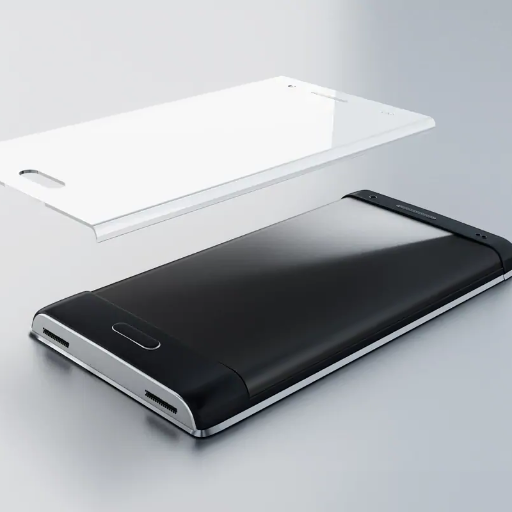
Protective glass is a specialized material used to shield smartphone screens against scratches, cracks, and impacts. The two types commonly employed are tempered glass and chemically strengthened glass are engineered for improved strength while maintaining screen transparency. The materials go through many tests to guarantee they provide protection in the face of general deterioration. By identifying the correct protective glass, the user could prolong the life of the device and decrease the risk of expensive maintenance.
What is Protective Glass?
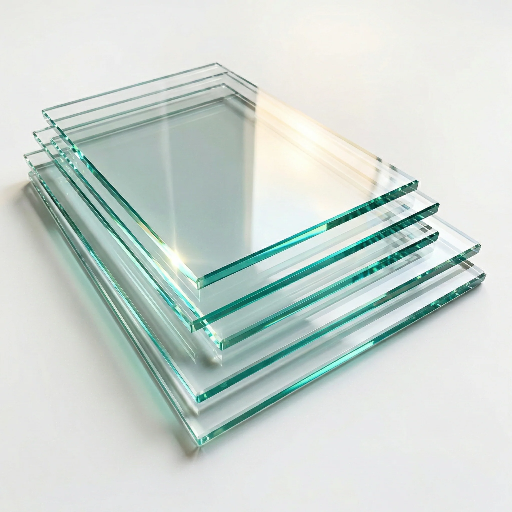
Protective glass is a highly specialized material that serves to protect the screen of pretty much any electronic device, such as smartphones, tablets, or computers, from physical harm caused by abrasions, impacts from drops and bangs, and falls. Tempered glass is the best-known kind for its toughness, which can resist a hard blow without ever shattering. Chemically strengthened glass is another option, whereby the glass undergoes a chemical tempering process that further increases the glass’s hardness and toughness. These glasses have been designed with the idea of balancing the variables: transparency, finger sensitivity, and hardness-making sure the usability is maximal. With the most recent of technological advances in the industry, more improved protective glasses now possess anti-glare coatings, oleophobic layers to make for fingerprints repellent, and even blue-light filters to help against ocular strain, making protective glasses an indisputable asset for device protection and durability.
Importance of Cover Glass in Modern Devices
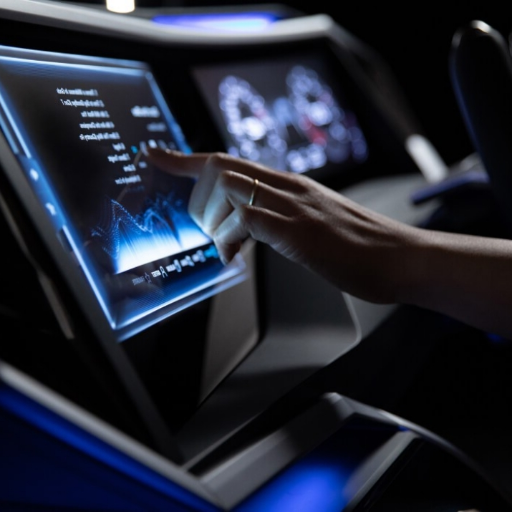
The cover glass is essential for modern devices that cannot afford physical damage such as scratches, cracks, or any other form of impact. It acts as the frontier of the initial robust line-up against the external environment for the sensitive internal components of smartphone, tablet, and every other touch-enabled electronic device. The protection becomes crucial because screens today are practically the whole device and such topsy-turvy weight distribution also stresses the device frame, rendering it very vulnerable.
The cover glass is designed for reasons beyond physical protection, thereby taking great care to ensure seamless interaction and superior visual performance. Advanced manufacturing techniques maintain high transparency and touch sensitivity, thereby optimizing the user experience. In addition to anti-glare and antifingerprint coatings, sunlight enhancements are much needed under bright atmospheres or in conditions with a high incidence of usage. This is, of course, an excellent fusion of utility and aesthetic delight.
On the other hand, the glass cover is a vital factor in the sturdy build and long-term usability of device, which prevents the screen from damage and increases wear resistance. This directly justifies expenditure from wear and tear on repairs or even entire replacements. Otherwise, the cover glass holds the user experience steady and contributes to maintaining the value of the device over a period. This has made it such a key component in almost every kind of current portable or touchscreen device.
02
Overview of Gorilla Glass, Dragontrail Glass, and Panda Glass
Glass Type 01
Gorilla Glass
Gorilla Glass can commonly be seen as a flagship product of Corning Inc., reputed for particularly high mechanical resistance and scratch resistance. It is made through an ion exchange process which makes it the strongest while keeping it lightweight. Gorilla Glass is predominantly used in smartphones, tablets, and wearables-so to say; each successive generation attempts to improve further on its impressive drop/impact performance. A clear casing is added around it to cut glare and smudge resistance, making it popular with all the top tech manufacturers.
Glass Type 02
Dragontrail Glass
Dragontrail Glass is another high-performance cover glass that is known for its ability to withstand mechanical shock and wear. It is comparable in strength to Gorilla Glass. However, Dragontrail prides itself on providing a less expensive alternative to cater to a wider market. Practically strong and hard, this glass is often preferred on not-so-high specimens, at the conservative price proximity, where impact strength makes a world of a difference.
Glass Type 03
Panda Glass
The Chinese firm Tunghsu manufactures Panda Glass as an affordable and yet reliable option in cover glass products. Known for its durability and scratch and crack resistance, Panda Glass predominantly helps in cost-effective electronics and has taken root primarily where higher affordable solutions are pursued without compromise on core quality and protection.
Every range of these glass types, suitably aligned to various market segments, balances performance, price, and application to satiate the diverse needs of the consumer base efficiently.
03
Comparison of Durability

Impact Resistance of Gorilla Glass
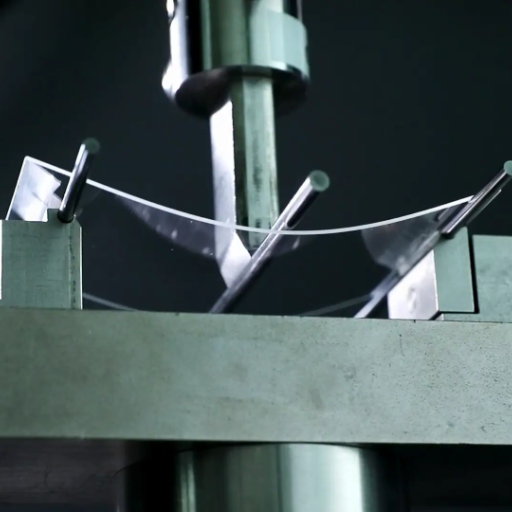
Gorilla Glass is specifically designed to increase the degree of resistivity for scratches as well as impacts, so it becomes extraordinarily suitable for accidental crashes. The glass undergoes a process of chemical strengthening, in which the glass end gains the ability to absorb extra energy introduced from an external shear. The terrific nature of the glass component allows it to channel the energy down path of impact, thereby practically diminishing the chances of cracking and shattering under mostly loadable stresses.
Laboratory experiments and real-world scenarios reveal a high level of performance in routine settings, such as broken glass spreading drops from plausible heights onto rigid surfaces. While Gorilla Glass is not unbreakable, it has definitely evolved in providing improved performance when compared to the straight-up ordinary glass has in many common household situations. Therefore, Gorilla Glass has been the choice material in portable electronic equipment where durability is a key requirement.
Advances in the manufacturing processes have in fact made the glass tougher against impact, helping to cement its reputation as a tough material for highly demanding applications. It can combine its strength with lightness and the result is that gadgets with such glass enjoy high portability without sacrificing protection.
Dragontrail Glass Durability Features
All these characteristics render Dragontrail glass the go-to choice when augmenting the life and longevity of modernized gadgets.
Panda Glass: Strength and Limitations
Panda Glass is known for its exceptional strength and scratch resistance, making that a complex alternative to all sorts of smart devices. It is fabricated to provide ultimate resistance against pressure as well as impacts, which makes it durable for tough circumstances. On top of that, Panda Glass promises scintillating clarity and touch, ensuring a better user experience overall. Despite this advantage, it may score behind Gorilla Glass or Dragontrail Glass in scratch resistance and thermal stability under extreme conditions. A strong example where, with regard to strength and performance, the choice is principally dictated by the device itself and the operator’s particular desires. Panda Glass, then, becomes a prime candidate, albeit with minor limitations, for this sector.
04
Scratch Resistance Analysis

Scratch Resistance of Gorilla Glass: Mohs Scale Insights
Gorilla Glass offers very good resistance to any scratches since it rates high on the Mohs scale of hardness. As a rule, the glass is rated between 6 and 7 on the scale which, in turn, means it can withstand scratches from most things that are used daily, like keys or coins, but it doesn’t stop something as arduous as quartz or knife blades.
Mohs Rating
6–7
The mixture of chemicals alone does not provide great resistance, but the underlying process plays an important role in maintaining the increased scratch resistance compared to most of the other glasses. Ion exchange treatments stiffen the glass surface, making it more difficult to wear down by knocks from erratic incidents.
However, all of that said, it is important to remember that no glass is completely scratchproof, and therefore always taking good care of it is good advice given over the long run.
The upside to Gorilla Glass is its strength coupled with good thinness against its susceptibility to scratching. Such being its desirability for modern electronic gadgets, everyday situations continue over the long term. It is everywhere preferable to not make such contact to avoid scratches.
Evaluating Dragontrail Glass Scratch Resistance
Dragontrail Glass is another toughened material developed for providing electronics with hard scratch resistance and high durability. AGC Inc. manufactures it. With the aim of handling daily usage, Dragontrail Glass may be said to be nearly at par with Gorilla Glass in some ways. Having undergone rigorous scientific tests and real-life experiences, Dragontrail Glass has exhibited excellent resistance to minor abrasions through the likes of keys, coins, and other items typically present in purses and pockets.
Mohs Rating
6–7
Recent findings put Dragontrail Glass in close competition with Gorilla Glass in terms of hardness. Nonetheless, in the same way as the other, it is not exhaustively scratch resistant to even harder objects, such as ceramics, sand, and diamond.
Despite all these, users may still want to add a little more protection to their devices by using accessories like screen protectors or cases.
Of all recent electronics, one would not go wrong with Dragontrail Glass in terms of that mixture of endurance and resistance useful for everyday work. Just about right up there with the Gorilla Glass, this can be a practical option for the manufacturers and users of units.
Panda Glass and Its Competitiveness in Scratch Resistance
Panda Glass is becoming the top choice for mobile device screens because it offers an impressive resistance to scratches and a tough structural performance. The manufacture of Panda Glass pursued an identity against well-tested high-strength glasses like Gorilla Glass or Dragontrail Glass. Through its innovative chemical strengthening processes, Panda Glass doubles its receiving of technically desirable results in hardness compared to regular soda glass, and such strength is meant to withstand inconceivable scratching from various everyday objects such as keys, coins, and rough surfaces.
Another major strength of Panda Glass is the fact that it is designed in such a way that without losing robustness, it becomes lightweight, which is perfect for slim and streamlined designs for the gadgets. This optical clarity of the glass is also ideal for ensuring screens remain sharp and vibrant; this essentially comes to be the very necessity of modern smartphones and tablets. Given that it has yet to catch up on worldwide deployment when compared to Gorilla Glass, the cost-effectiveness of Panda Glass makes it an attractive alternative for manufacturers that wish to balance quality with cost.
And ultimately, when you think of scratch and durability, Panda Glass has a performance that can be delivered reliably, thus making it one of top competitors in the market. Its characteristics will make it a good candidate for all developers and for all consumers who need robust solutions at a decent cost for their various electronics.
05
Cost-Effectiveness and Value Proposition
Pricing Tier
Gorilla Glass
PREMIUM
The pricing of Gorilla Glass is usually in tandem with the premium quality of Gorilla Glass in the market. The variation in pricing depends on the type and generation of Gorilla Glass, with newer versions of Gorilla Glass, such as Gorilla Glass Victus, commanding premium prices for their durability and advanced features. Nonetheless, some smoothing can be realized through bulk purchase or long-term supply agreement for the purpose of a competitive pricing negotiation from vendors’ end. The implication is that the cost is highly commensurate with the value given; that is, Gorilla Glass balances out the enduring nature, performance, the premium position, and the category of consumer’ appetite for product security.
Pricing Tier
Dragontrail Glass
MID-RANGE
In many contexts, Dragontrail Glass is low-cost Gorilla Glass alternative but still retains some of the same resilience and resistance against fighting. Dragontrail Glass typically belongs to the middle range in the sense of pricing, depending on the version and specific features. According to the latest reports, manufacturers can purchase Dragontrail Glass at costs lower than the prime-stage Gorilla Glass, making Dragontrail an appealing choice for all mid-range and budget devices. Further flexibility in price and a promise of good protection together go well with price-conscious markets that would prefer to ensure affordability without punching in their quality. It is a possibility that they are able to secure Dragontrail Glass even cheaper by making bulk purchases or by partnering with the manufacturer AGC. This gives them profit margins to bring balance to the economic side of the project effectively.
Pricing Tier
Panda Glass
BUDGET
Panda Glass has come up as a stiff competition to renowned materials like Gorilla Glass precisely by being durable, affordable, and performance-efficient. Also, since it is considerably scratch-resistant and durable its solicitation remains with the mid-range and budget device manufacturers who are in constant search of a reliable material to protect the screen. Its cost-effectiveness generated because of AGC has other pros, like financial savings for manufacturers, without compromising on the quality materials that could smolder a burning hole in other manufacturers’ wallets. Also, Panda Glass really provides protection for minimal Gawain from premium materials and is further affordable to turn into a widely searched-for commodity. This, essentially, is the most appropriate way for the companies seeking to launch decidedly sturdy and economical devices in the highly competitive sections.
06
Selecting the Right Glass for Your Device

Factors to Consider When Choosing Protective Glass
Comparative Summary of Gorilla Glass, Dragontrail Glass, and Panda Glass
Gorilla Glass excels in durability and scratch resistance, Dragontrail Glass offers robust impact resistance, and Panda Glass is known for its balance of protection and affordability.
| Parameter | Gorilla Glass | Dragontrail Glass | Panda Glass |
|---|---|---|---|
| Durability | High | Medium-High | Medium |
| Scratch Resist | Excellent | Good | Moderate |
| Impact Resist | Good | Excellent | Moderate |
| Thickness | Thin | Thin-Moderate | Moderate |
| Clarity | Excellent | Good | Good |
| Cost | Higher | Moderate | Affordable |
07
Future Trends in Protective Glass Technologies
The protective glass technologies are rapidly evolving, driven by developments in materials science, thereby being more prone to bettering such important facets as durability and inferiority in society. A substance present includes thin yet ultra-hard glass. This, in turn, allows companies to produce devices with extremely minimal weight yet with the strength contained in them. Also worthy of mention is the attempt by companies to implement flexible glass, notably in the case of in-the-making foldable phones and other types of wearable devices that have flexible attributes, yet retain resistance against any scratches and impact reactions.
Trend 01
Nanotechnology & Smart Coatings
Another promising aspect is the use of technology to enhance performance. Putting nanotechnology into application, coatings such as nanocoatings provide increased oleophobic properties, antimicrobial abilities, and are self-healing to certain hulls, indicating further growth. These inventions, as it turns out, require an aesthetic element too, enhancing cleanliness and usability.
Trend 02
Sustainable & Eco-Friendly Glass
In addition, manufacturers are experimenting with sustainable and eco-friendly glass editions that can less likely harm the environment. These solutions stress recycling processes and renewable sources of constituent raw materials, setting their goals regarding global sustainability earnestly.
Trend 03
Smart Functional Glass
Finally, smart features incorporated in protective glass—like sensors embedded inside, electric energy-generating transparent glass, or the capability to go from nontransparent to transparent—give us glimpses of a scenario where glass is no longer just a passive component, but an active element in the functional aspects of a device. These trends open up the scenario posing infinite challenges where protective glass keeps evolving as a smart solution, superior to providing protection from household incidents.
Reference Sources
-
Corning Gorilla Glass: This case study explores the development and competitive positioning of Corning Gorilla Glass, including comparisons with challengers like Dragontrail. Access the study here.
-
Preliminary Exploration of the Minimum Structural Unit of Aluminosilicate Glass by Cluster-Plus-Glue-Atom Model: This paper delves into the structural properties of Corning Gorilla Glass, providing insights into its material composition. Read the paper here.
-
Research Status and Development Trends of Alkali Metal and Alkaline Earth Metal Aluminosilicate Microcrystalline Cover Glass: This study discusses various protective glass types, including Dragontrail and Panda Glass, and their development trends. Access the study here.
- Custom Cover Glass
08