Get in Touch with Saiweiglass


What is Ag Glass Material? Exploring Its Unique Properties and Uses

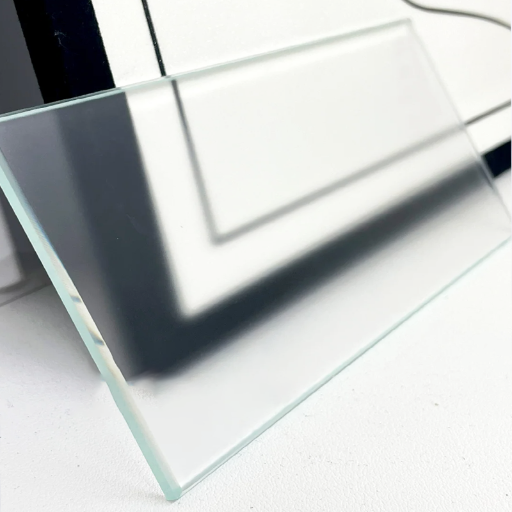
Among the materials influencing contemporary technology, those that utilize Ag glass must be put in the obvious category. Ag glass is widely acclaimed for its quality and diversity , which has catapulted it into crucial use across a number of fields from electronics to clean energy. What is Ag glass material? Why has it attracted so much interest? This article will explain all the aspects of Ag glass materials, differentiating them from other types of glass, its advanced design, driving innovation in a number of fields, and revolutionizing their function. If you are interested in the theory or the know-how of the Application of this material, you will find answers in this article. This will help you see the dominant position of Ag glass in the material science tomorrow.
Understanding Ag Glass Material
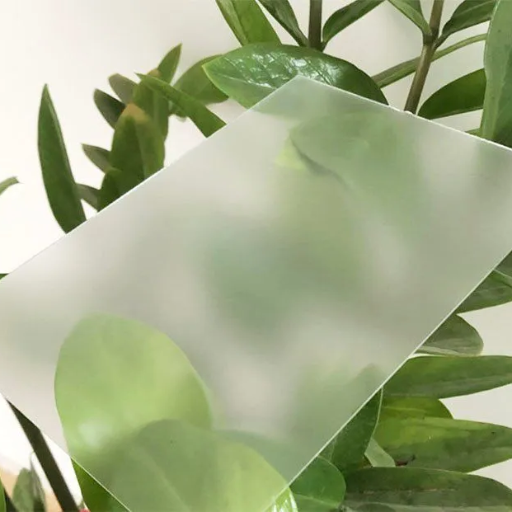
AG Glass, also known as anti-glare glass, is a special material generally used for glare reduction and improved visibility in various applications. Such glass has a surface treatment to diffuse light and reduce reflections helping to make the glass visible and readable. This attribute correlates with its use through all devices like smartphones, screens and solar panels where clear visibility is a must under different lighting situations. With elevated clarity and reduced eye strain, AG-glass plays a prominent role in boosting the technology and user experience.
Definition and Core Purpose of AG Glass
Anti-Glare (AG) glass is a specialized kind of glass that has been modified for enhancing visibility from diffusion of ambient light and reducing glare. The key purpose is to manage reflections that affect the clarity so well. Thus, it is an extremely adept product for high-lighting or sunlight areas. AG glass is used with a high-surface treatment or coatings that keep displays, screens, and panels free of glare and strain, making them readable.
The multi-industry utility of AG is in itself quite obvious; yet an AG-system finds revolutionary use in consumer electronics. These include smartphones, tablets, laptops, and the like, for the typical benefit of improving the viewing ambiance. Then a similar approach is taken in solar energy, where glare reduction boosts the efficiency of solar panels and thus maximizes light absorption. The aluminum and kinetic AG screens in use in the automotive industry are sure examples of other public-use devices that favor the display and comfort of gadgets.
The Science Behind AG Glass
Anti-glare (AG) glass is designed to prevent reflections of any kind and promote visibility outdoors in high-intensity light. This is achieved through a special treatment on the surface, preventing the glare by diffusion of light. The scattering of light hitting the pane can make images vague so that one can make out the content even on a sunny day.
The AG glass has been conjectured about its etchings on a micro-coated layer that alter the fiber optic nature of the glass thereby decreasing the light bounced back directly into the user’s eye. In contradistinction to classical glass, which reflects light, a substantial portion, the AG glass sends the light in different directions and thus, glare is eliminated, allowing the audience to view the image, all in its pristine glory.
Even the AG glass design balances the antireflection coatings with other essential qualities like durability and image fidelity. The state-of-the-art manufacturing techniques have been implemented to make sure that no compromise is experienced in the hardness of the glass or viewing experience with sharp images. These appealing attributes make the AG glass supremely suitable for applications obliging enhanced visibility, user comfort, and high quality of performance.
Key Properties of AG Glass
01
Effective in Glare Reduction
It keeps the glare and reflections away and thus makes the screen more visible for reading or exploring in bright environments.
02
Durability
It defends against scratches and all knocks to maintain its durability and final consistency.
03
Image Clarity
The protector maintains the display in accordance with sharp content and clear colors, making it suitable for those who appreciate the highest quality visual experience.
04
Easy Maintenance
Treated surfaces reduce smudges on the screen, making wiping the protector much easier.
05
Wide Compatible
It loyally serves different devices, whether handheld gadgets or large panel displays.
Unique Properties of AG Glass
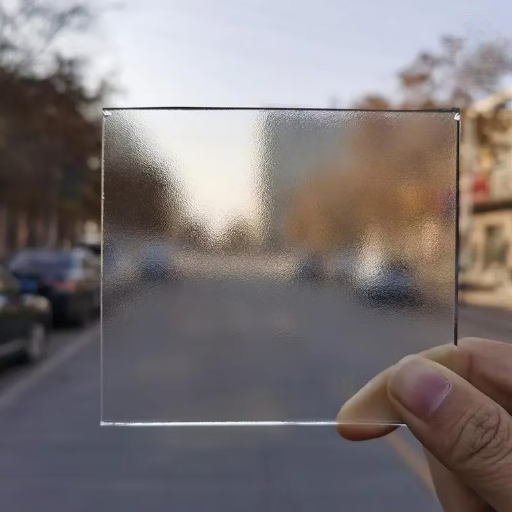
Anti-Glare and Anti-Reflective Capabilities
AG glass, known as anti-glare glass, is an executive type of glass which specifically designed and produced to reduce glare and diminish reflections on glass surfaces. This is attained through physical surface treatments or coatings that greatly scatter light instead of reflecting it right back. Therefore, AG glass is particularly efficient in light-drenched surroundings like open-air areas and places abounding in artificial lighting.
The anti-reflective property of AG glass makes for a better view and gives relief to the eyes as it eliminates excess brightness or mirror-like reflections that could have interposed with the viewing experience. This becomes especially necessary for electronic displays such as smartphones, tablets, and monitors, where ease of use plays a pivotal part in its employment for long hours in any one go. Besides that, anti-reflective features allow viewers willingly to gaze at the screen poring over the content without reflective distraction from the background light and other contravening light sources, thereby increasing utility value under tree-layered different light applications.
Based on these properties, AG glass has a broader use horizon and it continues to be a choice for personal devices or big display panels. With the combination of functionality and strength, AG glass genuinely improves our visual quality because it is an extraordinary user-comfort champ against direct sunlight.
Durability and Tactile Characteristics
Anti-glare (AG) glass is designed to give it exceptional strength and protect itself against scratching, abrasion or impact. This outcome is achieved by employing sophisticated treatments involving any or all of chemical tempering or the use of reinforced materials, with a pronounced cohesive effect on its mechanical strength performance. This durability allows the AG glass to make it through a single life of a device and subsequently reduce the cost of maintenance.
AG glass also offers a characteristic tactile feel unlike any other. Frequently, its surface is treated so as to yield a smooth yet not slippery finish that ensures users can firmly hold devices. The tactile property is essential for pan-touch purposes. It ensures accurate and responsive touch control while reducing fingerprinting and smudging. AG glass is a combination of toughness and consideration for the design with an eye to ensuring performance regardless of the environment or device type.
Anti-Fingerprint Features
The ease of guarding AG anti-fingerprint glass from absorbing oil smudges lies in a special hydrophobic and oleophobic coating layer. By therefore shielding the screen and rendering it free from water blotches and prints, it also retains the high processor quality. This goes a long way toward guaranteeing a mode of viewing that maintains the architecturally touch-sensitive screens free from constant shine and streak through any ups and downs. Indeed, in supporting its attractiveness, AG glass is influenced by the need to be constantly cleaned — thus educated for every-day use in conditions commonly found for devices and products like touch screens, smartphones, and tablet products. The aforementioned points ensure longevity of performance as they end up preventing wear to the coating and ensure their durability and efficiency even after extended use.
Manufacturing Process of AG Glass
Raw Materials Used in AG Glass Production
Several key raw materials are involved in the manufacture of AG (anti-glare) glass, each selected for its specific properties that improve the performance of glass products. High-purity silica sand is the main component of the base material for the glass. Mixtures of sodium carbonate (soda ash) and calcium carbonate (limestone) are added to lower the melting temperature and enhance the resistance of the glass. One of the ways to induce hardness and scratch resistance usually entails the introduction of aluminum oxide.
Anti-glare properties are imparted by specialized coating materials such as magnesium fluoride or other nano-coating chemicals, often applied on the glass surface in order to reduce reflection of light. These raw materials are so selected and processed as to make absolutely sure that the end product meets stringent optical and durability requirements.
Step-by-Step Manufacturing Techniques
-
01Raw Material Preparation:
The process begins with sourcing and preparing raw materials such as silica sand, soda ash, and limestone to ensure that they meet the required purity and composition specifications. -
02Batch Mixing:
The raw materials are accurately measured and mixed in specific proportions to create the glass batch. -
03Melting:
The mixed batch is then loaded into a high-temperature furnace, a structure able to heat the glass from ordinary temperatures to extremely high temperatures (around 1700°C) resulting in the liquid. -
04Forming and Shaping:
The molten glass is formed into sheets using techniques like floating the glass on molten tin (float glass method) to create a flat, uniform surface. -
05Annealing:
The glass sheets pass through an annealing lehr, a controlled cooling chamber, to reduce internal stresses and ensure durability. -
06Cutting and Sizing:
The glass, after it has cooled, is cut to the required dimensions. This is achieved using precision tools with special cuts that satisfy the application requirements. -
07Surface Treatment:
After either chemical or physical treatment, an anti-reflection film or etching treatment would be performed on the glass surface to suppress reflection and optimize visual comfort. -
08Inspection and Quality Control:
All glass sheets are extensively examined for any imperfections like bubbles, cracks, cavity cracks, or unevenness to maintain a superior standard of quality. -
09Packaging and Distribution:
The final anti-reflective glass products must be packed snugly to avoid any harm during transport and then be carried to consumers and manufacturers for use in a wide variety of applications.
Finishing Techniques: Acid Etching and Spray Coating
Technique 01
Acid Etching
Similarly, for its accuracy and the uniformity of results, direct acid etching is one of the critical steps for anti-reflection finishing as applied to glass. In this process, a glass surface is treated with an acid solution to form a fine matte textured finish. The fine texture scatters light, reducing reflection while improving the optical clarity of glass and thus the antireflexive effect. The etching also increases the toughness of glass by resisting scratching and fingerprints, while ensuring the continuity of optical clarity.
Technique 02
Spray Coating
Another method used for obtaining a matte finish on glass is the process of spray coating. The process requires the coating to be sprayed on the glass surface. This thin and uniformly coated layer helps minimize the glare effect by diffusing incoming light. The method of spray coating allows flexibility to regulate the level of anti-glare properties according to specific needs. The process also could add protective features to the glass, including smudge resistance, moisture resistance, and resistance to any scratches.
Both chemical and spray methods are best suited for making high-quality AG glass. They have to be chosen based on specific application requirements because of the desired optical performance, durability, and production efficiency. The use of these methods can be made to tailor AG glass for making screens, picture frames, solar panels, and many other instances requiring minimum reflection and an unobstructed view.
Applications of AG Glass Across Industries
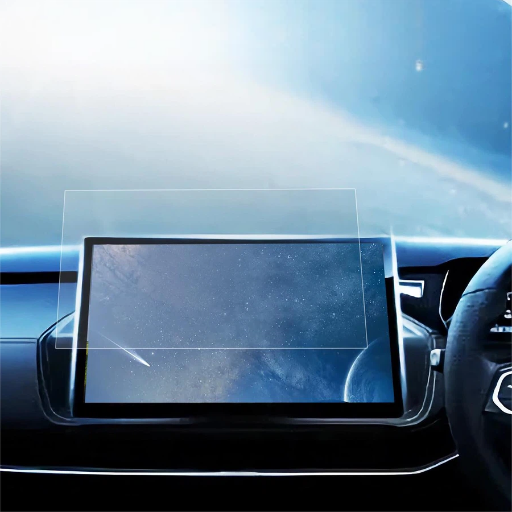
Comparative Analysis of AG Glass
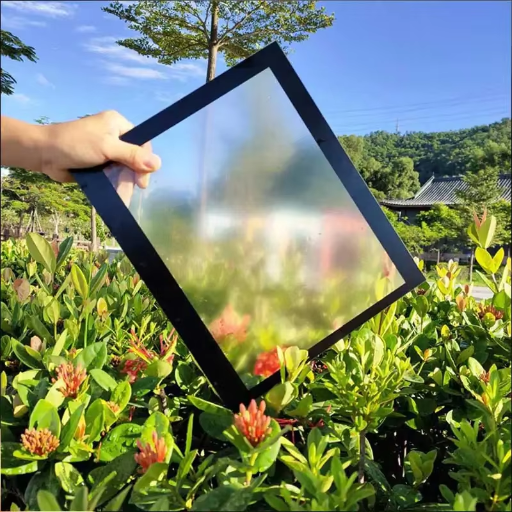
AG Glass vs. Gorilla Glass
AG Glass is optimized for reducing glare and improving readability in harsh environments, whereas Gorilla Glass focuses on high durability, scratch resistance, and impact strength.
| Parameter | AG Glass | Gorilla Glass |
|---|---|---|
| Glare Control | Excellent | Moderate |
| Scratch Resist | Good | Excellent |
| Impact Strength | Moderate | Excellent |
| Touch Clarity | High | Very High |
| Durability | Adequate | Superior |
| Use Case | Industrial | Consumer |
AG Glass vs. Standard Float Glass
In nature, AG (Anti-Glare) Glass really stands out as compared to Standard Float Glass. For sure, it has gone through some surface treatment or another to suppress reflective glare, bring down reflection or make the glasses visible under a bright light or direct sunlight. Therefore, AG Glass remains the preferred choice for screens and tablets as well as industrial displays in outdoor or high-lighting situations.
On the other hand, Standard Float Glass is a basic form of glass that is created by floating molten glass on a bath of molten tin and produces a smooth and uniform surface. While relatively clear and cheap, it comprises other specialized antireflective and/or light-dispersive properties found in AG Glass. It is usually employed as plain glazing in buildings; as car windows; and for basic applications where reflectivity control isn’t a concern.
In any environment where readability is very important because of efficient reduction of glare, Antiglare (AG) Glass has the best ultimate performance indicator; however, positive reasons for choosing Standard Float Glass include affordability and general utility. Defining any distinction between the two lives upon particulars of use and surrounding conditions.
AG Glass vs. Anti-Reflective Glass
When determining between AG (Anti-Glare) Glass and Anti-Reflective Glass, it is important to understand the distinct properties and applications of both. AG Glass works by diffusing the light through a matte finish to reduce screen glare, whereas AR Glass is designed to enhance light transmission and minimize light reflections. AG Glass is best suited for screens in highly lit conditions (or outdoors), where the main criteria are visibility and readability. The major advantage of AG Glass is it allows a significant reduction in mirror reflections without compromising durability.
In contrast, Anti-Reflective (AR) Glass is offered as a transparent multi-layered coating which serves to enhance light transmission and reduce reflections. By doing so, it secures optical clarity within an environment subject to a high incidence of light and is frequently used in applications like camera lenses, optical instruments, display technology that requires maximum visibility in various light conditions.
Considering recent trends and insights from consumers, the AR Glass technology is becoming more popular in industries like virtual reality and high-definition displays, delivering ultra-fine-quality imagery. However, AG Glass is the choice when it comes to practical devices like smartphones, monitors, and outdoor signage for reasons such as being cost-effective and especially effective in glare reduction. How to choose between AG and AR Glass depends on specific requirements — AG Glass would be a necessity while working under diffuse lighting, while AR Glass offers the best solution for transparency and reflection reduction.
Reference Sources
-
High Glass-Forming Ability and Good Mechanical Properties of New Bulk Glassy Alloys in Cu–Zr–Ag Ternary System – Discusses the impact of Ag addition on glass-forming ability and thermal stability.
-
Structure and Properties of Nanoparticle Glass Composites – Examines the structure and properties of glass composites containing silver nanoparticles.
-
Effect of Ag Addition on the Improvement of Glass-Forming Ability and Plasticity of Mg–Cu–Gd Bulk Metallic Glass – Investigates how Ag addition enhances glass-forming ability and mechanical properties.
-
Structure and Properties of Silver Borate Glasses – Focuses on the role of silver in borate glasses and its impact on their properties.
- AG Glass
Frequently Asked Questions (FAQs)
How can you explain what AF glass is? What is the difference between AF glass and regular glass?
AF stands for anti-fingerprint, which in many cases can be interchangeable with anti-reflective. This AF glass is an advanced type to provide improved surface qualities and reduced reflectivity in comparison to regular glass. The matte, diffusively reflective surface is achieved due to the surface modification of the original glass through special technologies such as chemically etching or appropriate coatings. Such diffused light minimises glare, which in turn augments video display evaluation comfort for touch-screen covers, displays, dashboard guidance, and photo frames.
How come AR glass reduces reflection tendencies off the screens quite effectively?
The AR glass offers AR coatings that effectively modulate the transmittance and reflectivity of applying thin-film multilayer coatings. These coatings leverage electromagnetic grating to control the various focal points of the constituent layers to allow transmission through the layers into the display and blocking off all other light to remain reflected back toward the viewer. Arranging in a designated chain, the filtering blocks off the strength of light out of which one might finally appreciate good-looking appearances on displays and make things almost clear in case of bright light or display in broad daylight. Installations of AR-coated glass is often combined with other treatments to offer an equilibrium between glossy and matte effects on the surface.
Why prefer AG glass (anti-glare glass) for touch screens and outdoor displays?
AG glass, aka AG glass or AG coating when applied, provides a matte texture that hinders reflective glare and spreads specular hot spots over a large area of the display screen. This helps keep the focused content on the screen clear and prevents these reflections from acting as distractions. It is commonly employed to enhance readability in bright surroundings and support touch screens. Additionally, it is meant to bring visual comfort to medical imaging, automotive instrument clusters and display systems, or outdoor display systems as well.
Is it possible to temper cover glass? Or is tempered glass different from AG coated glass?
Indeed, the cover glass can be tempered and then coated with AG or AR. Tempered glass implies mechanical strengthening through heat treatment to increase the durability and safety of the device. When tempered cover glass is combined together with AG treatment, it gives the best of both – resistant to the cracking up of an effect and less glares and matte diffusive surface. Manufacturers can design solutions in which tempered glass combines with AR coated glass and AG coating to meet specific needs, like for UV protection or scratch resistance.
What is the common way of obtaining a matte effect for etched AG?
Etching of AG usually provides a method of obtaining anti-glare matte upon physical or chemical modification on the surface roughness of the glass. Chemical etch and microroughening work to scatter reflected light in all directions, reducing gloss and reflection. Hence, this particular manufacturing technology can be tailored with respect to surface roughness on a glass surface to permit optimum balance between image clarity and blur-inducing reflections.
How should I choose among AR, AF, and AR coated glasses for my project?
The choice determines the priority: in case it is required to achieve maximum transmission and minimum reflectivity, modifier AR or AR coated glasses; if glare reduction and reflections blurring are required to enhance readability and aesthetic beauty, AG or AF glasses with a frosted effect may be more beneficial. Contemplate if tempering would be needed for durability, touch screen compatibility, UV protection, or even materials undergoing specialized coatings; seek advice from manufacturers who specialize in glass processing, glass-coating options, and special solutions for matching your cover glass and optical requirements.