Get in Touch with Saiweiglass


AG Glass Quality Control: Testing Methods & Standards

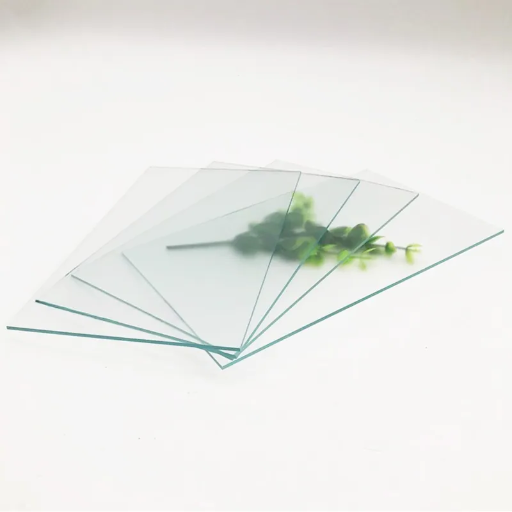
Quality control plays a major role in ensuring AG glass maintains its market value for reliability, robustness, and top-notch performance across a range of applications. With an increasing demand for precision-engineered glass materials across industries, including construction, automotive, and technology, stringent standards and norms alongside applying effective testing methods are a must. This post tries to unlock the complexities of AG glass quality controls, cataloging various testing methods and standards that maintain the superior quality of their manufacture. This article outlines the steps to ensure that each piece of AG glass meets the stringent requirements of today’s market, from durability consultations to optical clarity evaluations. If you are involved in the glass market or are interested in the technologies driving modern manufacturing, then you will find some enlightening information about how to ensure the proper and quality concentration needed to achieve excellent AG glass production.
Introduction to AG Glass Quality Control
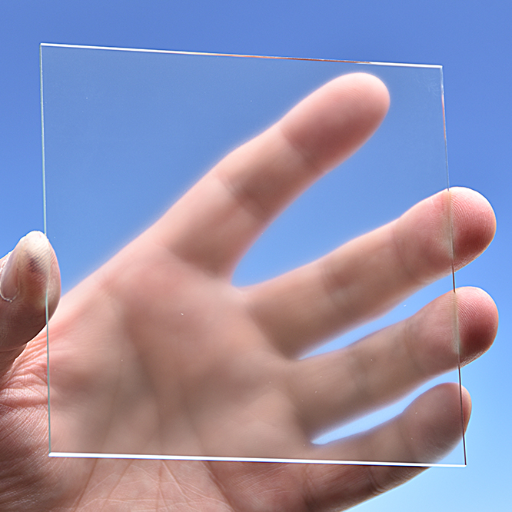
Glass quality control at AG is an extremely important process that ensures the glass complies with the performance and reliability standards as are demanded of it. Such tests and inspections are carried out for the verification of surface durability, the determination of optical clarity and evaluation of the efficacy of anti-glare properties, among others. Such procedures are designed to identify any and all possible variations from set standards so that the glass would be fit for various application modalities. Scrupulous quality control protects the manufacturer’s commitment to producing goods that meet customers’ expectations and industry demands.
01
Surface Durability Verification
02
Optical Clarity Determination
03
Anti-Glare Efficacy Evaluation
Importance of Quality Control in AG Glass Manufacturing
Controls over quality in anti-glare (AG) glass manufacturing are vital, not only to meet industry standards but also to provide for an enhanced user experience, product safety, and, in the long term, product longevity. Recent data points to this global surge in demand for AG glass, especially from the electronics industry and the automotive sector, with issues of precision and reliability emerging as key areas. Any form of defect such as inconsistent coatings, surface imperfections, impaired optical clarity, with respect to sort of displays, can translate into real inaccuracies if placed into operation in the aforementioned applications. Ensuring strict quality control check-ups during manufacturing helps minimize the risk of product failures and recalls at higher costs and thus builds consumer trust. Manufacturers can effectively tackle increasing market demands while delivering high-quality AG glass by combining the best inspection technologies and analytical tools along with industrial robustness.
Key Impact
“Strict quality control check-ups during manufacturing helps minimize the risk of product failures and recalls at higher costs and thus builds consumer trust.”
Overview of Anti-Glare Technologies
Anti-glare technologies are set up to hinder any reflection and glare to be a factor on glass surfaces, which boost visibility and reduce eye strain. These technologies usually include sophisticated coatings or any surface treatments applied on materials, e.g., AG glass, making them absolutely indispensable in the ever-growing businesses of consumer electronics, automotive, as well as healthcare. A common method of achieving the above purposes is through using matte or etched glass surfaces, which have good effects consisting of scattering incoming light to prevent any possible direct reflection. Multi-layer anti-reflective (AR) coatings, accomplished by thin-film technology interfering with light waves, actually achieve a canceling effect on reflection.
The new anti-glare solutions boast cutting-edge nano-texturing techniques to modify surface properties precisely to reduce glare and ensure a high clarity with strength. Such technologies are vital for device segments such as smartphones, monitors, and automotive displays by ensuring their superior operation under varying lighting conditions. Besides, the ultra-clear coatings serve beyond improving some sorts of comfort to ensure safety and punctuality in the context of various applications.
Technology A
Matte & Etched Surfaces
Scatters incoming light to prevent direct reflection
Technology B
Multi-layer AR Coatings
Thin-film technology interfering with light waves for canceling reflection
Technology C
Nano-texturing Techniques
Precisely modifies surface properties to reduce glare while maintaining clarity
Objectives of Quality Control in AG Glass Production
Quality control in the production of anti-glare glass is assurance that the final product will perform well, last long, and will display premium quality through the absence of undesirable surface effects. Proper emphasis should be laid on surface uniformity to avoid any adverse visual effects from an unintended reflection or glare, whilst maintaining a healthy compromise between transparency and antireflection. This therefore entails the use of a highly technical setup for coating thinness, adhesion, and the most optimal optical clarity. In particular, quality control therefore deters attempts to establish and differentiate if the said type of glass can withstand the environmental stress caused by fluctuating temperatures, humidity, and light.
Yet another important goal is identification and remediation of contamination risks during production, including the possible inhibitive effects on antiglare glass coatings due to even the most minimal particles. End products from the glass manufacturer are scrutinized and graded in relation to such characteristics as abrasion resistance and adhesion to ensure the proper functioning and safety of glass when used for particular applications in household electronics and automotive display areas. These below-described stages are aligned for achieving industry standards and guaranteeing the customers’ expectations, while at the same time maintaining and further refining glass products close to market requirements for high-quality glass solutions with inherent innovation.
Core Objectives
- 01
Ensure surface uniformity to avoid adverse visual effects from unintended reflection or glare - 02
Maintain a healthy compromise between transparency and antireflection with precise coating thinness and adhesion - 03
Evaluate glass resistance against environmental stress from fluctuating temperatures, humidity, and light - 04
Identify and remediate contamination risks during production - 05
Grade end products for abrasion resistance and adhesion for proper functioning in consumer electronics and automotive displays
Types of AG Glass and Their Applications
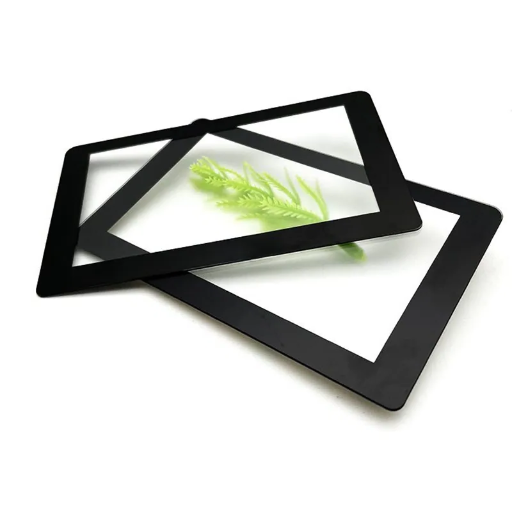
Different Types of AG Glass
The different types of AG (Anti-Glare) glass include chemically etched, micro-etched, sandblasted, and coated glass.
| Type | Process | Surface | Purpose | Uses |
|---|---|---|---|---|
| Chemically Etched | Acid treatment | Matte | Reduces glare | Displays, optics |
| Micro-Etched | Precision etch | Textured | Anti-reflect | Touchscreens, phones |
| Sandblasted | Abrasive blast | Frosted | Diffuse light | Decorative, signage |
| Coated Glass | Layer added | Smooth | Enhances view | TVs, automotive panels |
Applications of Anti-Glare Glass in Various Industries
- CE
Consumer Electronics
Anti-glare glass is a nearly ubiquitous feature in smartphones, tablets and laptops that helps to improve the visibility of the screen under different light conditions, reduces eye strain. - AU
Automotive Industry
Anti-glare glass clears up for dashboards, navigation systems, and rearview mirrors help drivers have a good clearview and thereby aids in safe driving. - HC
Healthcare and Medical Devices
Medical monitors and diagnostic equipment with anti-glare coatings enable healthcare professionals to see critical data without being bothered by reflections. - RT
Retail Displays and Signage
Anti-glare glass does not just enhance digital displays—it also enhances physical signage and the visual content that gives a much more catchy and readable look to clients under practical and bright conditions. - PO
Photography and Optics
Color lenses, binoculars, and glasses are utilizing anti-glare coatings to remove glare and, hence, help clear and improve the lensing.
Comparing AG Glass with AF Glass
AG Glass (anti-glare) and AF Glass (anti-fingerprint) primarily differ in their functions, with AG Glass focusing on reducing glare for visibility in bright environments and AF Glass emphasizing smudge prevention and easy cleaning.
| Parameter | AG Glass | AF Glass |
|---|---|---|
| Function | Reduces glare | Resists smudges |
| Key Feature | Anti-reflection | Easy to clean |
| Surface | Matte or etched | Smooth coating |
| Application | Displays, optics | Touchscreens |
| Durability | High | Moderate |
| Visibility | Enhanced | Maintained |
Quality Control Standards for AG Glass
Industry Standards and Certifications
One of the requirements that AG (Antiglare) glass has to meet is closely related to the standards prevailing for quality, function, and safety across the world. These standards are pertinent also in expressing the effectiveness of the AG properties. Different testing criteria are required to establish the light transmission properties, durability, and homogeneity of the glass. All criteria are put forth so that clarity effectiveness and reduced glare of the respective material can meet the industry-set parameters.
Durability testing plays a significant role in the process of AG glass certification. These tests, such as scratch resistance basics of ASTM D 3363 and abrasive resistance in ASTM D1044, are typically applied to ascertain the longevity in spite of harsh mechanical action. Other types of environmental tests, like resistance tests for humidity and temperature, are considered to gauge the real-life performance of the water glass maintaining several scenarios, testing the sturdiness in the face of varied conditions.
The compliance with electromagnetic compatibility (EMC) regulations for AG glass used in sections like touchscreens, displays, and optical devices ensures that the device does not interfere with other electronic devices. Apart from that, certifications such as the UL (Underwriters Laboratories) safety standards are needed during product testing to determine proper use in different applications. These rigorous standards will unequivocally assure the hassle-free performance from AG glass for experts and consumers, alike.
ASTM D 3363
Scratch Resistance Testing Standard
ASTM D1044
Abrasive Resistance Standard
EMC Regulations
Electromagnetic Compatibility Compliance
UL Standards
Underwriters Laboratories Safety Certification
Testing Methods for Quality Assurance
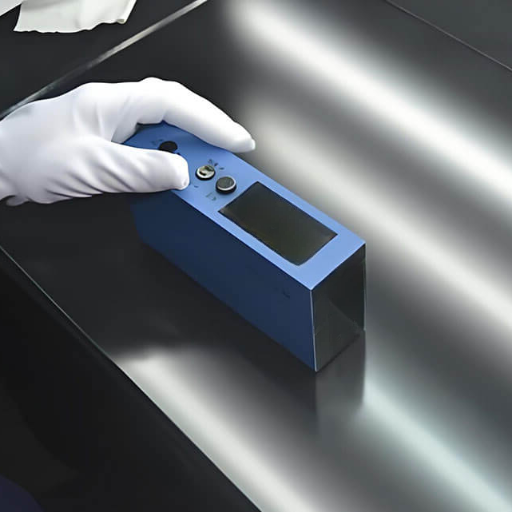
In ensuring the robustness and reliability of AG (Anti-Glare) glass, a number of testing techniques are utilized. One of the critical tests is the surface gloss measurement, evaluating the level of gloss to ensure maximum scattering of light and minimal glare. Further, the haze test is crucial in assessing the glass’s ability to scatter light effectively because light scattering is aimed at the reduction reflections.
Abrasion resistance testing is a routine process that validates the coating on the AG glass under mechanical stress so that it may serve a long time without degradation due to mechanical stress. The process of scratch testing, usually done by the nano-indentation equipment, elucidates the hardness and resilience of the surface of coated films.
To ensure that the glass and its coating could withstand the onslaught of time, the environmental aging test plans on imparting conditions like high humidity, UV exposure, and temperature fluctuations. A suite of optical performance tests on light transmittance and color rendering ensures that the glass retains its clarity in bringing forward an optimal color display for all applications, be it displays or devices.
All these unmatched and advanced testing methods are keys to ensuring that the AG glass is seriously satisfying in its quality, compatibility, and endurance in both consumer and professional environments.
Testing Methods at a Glance
- Surface Gloss Measurement — Evaluates gloss level to ensure maximum light scattering and minimal glare
- Haze Test — Assesses the glass’s ability to scatter light effectively to reduce reflections
- Abrasion Resistance Testing — Validates coating durability under mechanical stress
- Scratch Testing (Nano-indentation) — Elucidates hardness and resilience of coated film surfaces
- Environmental Aging Test — Simulates high humidity, UV exposure, and temperature fluctuations
- Optical Performance Tests — Assesses light transmittance and color rendering for optimal clarity
Role of Automated Quality Control Systems
In AG glass manufacturing, automatic control systems are very important to maintain a good standard of quality and throughput. These systems are equipped with high-technology like machine vision, artificial intelligence, and high-precision sensors that sensitize them to defects with superior accuracy. They inspect AG glass in real-time for surface quality, thickness, light transmittance, and uniform deposition of antireflection coating reducing the errors attributable to man, while ramping up the overall yield. Furthermore, analyses can be performed on AI platforms. They predict equipment maintenance and optimize processes for improved efficiency throughout manufacturing. The manufacturer therefore integrates automation, thus ensuring the best levels of reliability and that the AG glass products are able to fulfill the rigorous needs for a variety of end-use applications.
Inspection Methods for AG Glass
Visual Inspection Techniques
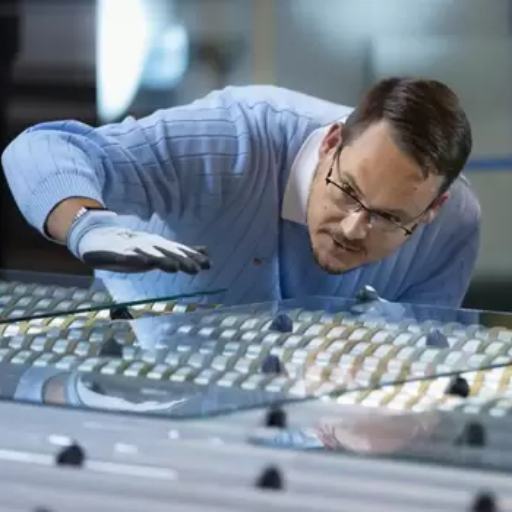
Visual inspection on Anti-glare (AG) glass is a tedious task ensuring the quality and performance through a combination of manual and automated processes. The process chiefly requires the detection of surface defects and coating anomalies. These defects such as scratches/smits, and uneven coatings might hamper functioning. High-intensity lighting and magnifiers are usually employed in manual inspections to reveal imperfections in the surface. Mandatory camera and AI controllers are systematizing the inspection world for more accuracy and consistency. The automated systems are on the verge of erasing the scope for more human error by detecting flaws at a microscopic level and providing real-time feedback to the evaluators. Some of the basic criteria on the visual inspection are also earmarked for the uniformity of the AG coating and compliance with optical requirements. The glass ensures the required aesthetics and functionality are achieved. Through this, manufacturers ensure greater stringency in quality control as AG glass products have been shown to perform optimally in various applications across the manufacturing gamut.
Advanced Inspection Methods and Technologies
The application of advanced technologies and inspection techniques for anti-reflective (AG) glass is essential to ensure a fair level of quality and performance. An optical inspection system is among the most commonly applicable systems for testing AG glasses; the system detects defects such as scratches, coating irregularities, and transparency irregularities by inspecting the glass’s surface under stable-controlled light sources. But more importantly, the visual aspect is quickly and accurately maintained, so much that the inspection results may directly impact the visual clarity of the final product.
Another major development in the assembly line is automated robotic machines equipped with high-resolution cameras and sensors, providing accurate evaluation of the glass characteristics. This allows performance analysis of the glass material or measurement of the glass thickness, roughness of the surface, and uniformity of the coating-deposition. Inspection machines are also the right way to finish such inspections, which offer more samples of inspection, fiber optic glasses per job, for the inspection procedure. As one might expect, this single technique would speed up the inspection process and drastically reduce human-based mistakes while ensuring extremely reliable and effective assessment of the activity of production.
Moreover, the advanced technologies employed include spectroscopic and interferometric means for the purpose of monitoring the optical and physical properties of anti-glare glass. Spectroscopic techniques assess transmission/reflection through appropriate materials, and the interferometric methodology quantifies surface variations at microscopic levels. The synergistic application selects, available independently or coupled, for a complete and correct evaluation, thereby meeting standards set by various industries and posing diverse application requirements on anti-glare glass.
Common Defects in AG Glass and Their Identification
Anti-glare (AG) glass, while supremely regarded for its anti-reflection properties and promotion of visibility, may exhibit a list of defects due to inevitable reasons during its manufacture and handling procedures. The most frequently observed fault is surface scratches that could have been brought about by careless handling. They may have detrimental effects on the optical uniformity of the glass and place constraints as to the desired characteristics of AG glass. Coating inconsistency is another popular issue in the industry as this anti-reflection coating is more or less contoured on the glass, which can cause varying light transmittance or reflections. This property is vital to the reader as it governs the anti-reflective property of AG glass. Lastly, contamination such as dust or debris during production may well spoil the overall quality and might show visible blemishes or reduced effect for the improvement of the anti-glare material.
In identifying these faults, highly detailed inspections through the eyes of a person become essential, along with the support of advanced technology for testing, for example, optical profilometry can be used to spot surface irregularities and spectrophotometric analysis can be used to make sure that there is uniformity in light transmission and reflection. But the industry is now beginning to use artificial intelligence and machine learning for defect detection, which are used to instantly process the identification process with high precision and automation, which reduces human error. Early remediation of these defects enhances quality parameters which lead to the successful delivery of an AG glass that confirms to be the value of industry and customer expectations.
Common Defects & Detection Methods
Surface Scratches
Caused by careless handling; affects optical uniformity
Detection: Optical profilometry
Coating Inconsistency
Causes varying light transmittance and reflections
Detection: Spectrophotometric analysis
Contamination
Dust or debris causing visible blemishes during production
Detection: AI/ML automated inspection
Coating Technologies in AG Glass Manufacturing
Types of Coatings Used in Anti-Glare Glass
Anti-Reflective Coatings
They minimize the degree of glare that would otherwise impinge on sight and transform your view with a more enhanced, more easily comprehended image by admitting to more light penetrating the glass.
Hydrophobic Coatings
These liquid-resistant coatings keep off water, thus, leaving mirror smooth surfaces that require minimum care with zealous removal of water spots.
Scratch-Resistant Coatings
These coatings provide more durability and protect the surface from scratches and abraded wear.
UV-Resistant Coatings
UV-resistant coatings obstruct harmful UV rays to prevent damage on the glass and cut down the glare from sunlight.
Each of these coatings works by itself or together for a total enhancement of the performance and functionality of the anti-reflective glass under different applications.
Impact of Coating on Glass Quality
Coatings add a lot to the glass for enhancement of quality, giving utility and longevity to the glass. Anti-reflective coatings specifically create a most serendipitous situation where they in effect reduce eye strain and refractions to enhance visibility, making it perfect for use on monitors or spectacles and handheld devices. Scratch-resistant coatings bring strength to the astonishment of the glass by defying the damage caused into the surface from normal wear, making sure the pane stays clear and presentably unblemished throughout its lifetime. Furthermore, ultraviolet resistance coatings shield and protect the glass and the interior, blocking out the harmful radiation of UV rays that affects deterioration or decline of the health of the glass or its surrounding material. In this way, coatings not only enhance the performance of the glass and improve its life but also enhance versatility in its end-use, presenting an extensive choice of applications in various fields.
Latest Innovations in Coating Technologies
In developing recent advancements on coating technologies, one major focus for furthering researchers comprises function enhancement, durability, and green technology. The greatest innovation is nanocoating solutions that promise a protective layer, which is very even, thin, and has nanoparticles, posing a fact of self-cleaning, hydrophobic, and even antimicrobial to a more extended perspective in that all the facilities linked to the healthcare, automobile industry, and consumer electronics today use them.
The emergence of intelligent coatings that adapt to environmental circumstances becomes the second achievement. Temperature-sensitive coatings, e.g. smart thermal adaptive materials, are already being fielded to modify their thermal profiles with respect to outside ambient, thereby also leading to energy efficiency. The anti-fog and anti-glare coatings, however, are being brought to suitable productivity levels compared with the industrial sectors of spectacle lenses, aviation, and construction materials, fostering visibility and safety.
Many manufacturers among the many that have adopted an environment-friendly inclination have also initiated advanced eco-friendly coatings comprising water-based and solvent-free formulations. These formalities assure VOC minimization and an overall reduction in manufacturing and application of VOCs to lower the load exerted on the environment. In addition to ameliorating performance, they prove a pivotal turning point towards addressing industrial and consumer concerns with the application of state-of-the-art technology.
Reference Sources
-
Comprehensive Analysis of Automotive Glass Production: Challenges, Defects, and Quality Management Strategies
This paper discusses quality control processes in automotive glass production, including defect identification and management strategies.
Link to source -
The Production Quality Control Process Enhanced with Augmented Reality Glasses
This study introduces the concept of using augmented reality (AR) glasses in the quality control process and describes a proprietary support system.
Link to source -
Glass-to-Glass Fusion Bonding Evaluation & Statistical Approach to Micro Preconcentrator Quality Assurance and Quality Control (QA/QC) Assessment
This paper evaluates glass-to-glass fusion bonding and applies statistical methods for quality assurance and control.
Link to source -
Calibration of an Inspection System for Online Quality Control of Satin Glass
This research presents the calibration of an automatic inspection system for online quality control of satin glass, highlighting its advantages over manual inspection.
Link to source - AG Glass