Get in Touch with Saiweiglass


Top 15 Antibacterial Glass Manufacturers You Need to Know in 2026(Updated List)

Contents
show
Top 15 Antibacterial Glass Manufacturers You Need to Know in 2026(Updated List)
The ever-increasing demand for clean and safe spaces has been fueling groundbreaking research into antibacterial glass in the making. The antimicrobial glass is capable of killing or hindering the reproduction of bacteria, viruses, molds, amoebae, and infusoria as soon as they come into contact. Its constituents include copper oxide, a nonleachable anti-microbial agent, and some hypothesized nonleachable additives. Glass has to be designed in ways fulfilling sustainability criteria so that it becomes an environmentally friendly, class-long-lasting and highly protective. Fiber-optic manufacturers are working on the idea of new technologies for its application.
01
Introduction to Antibacterial Glass
What is Antibacterial Glass?
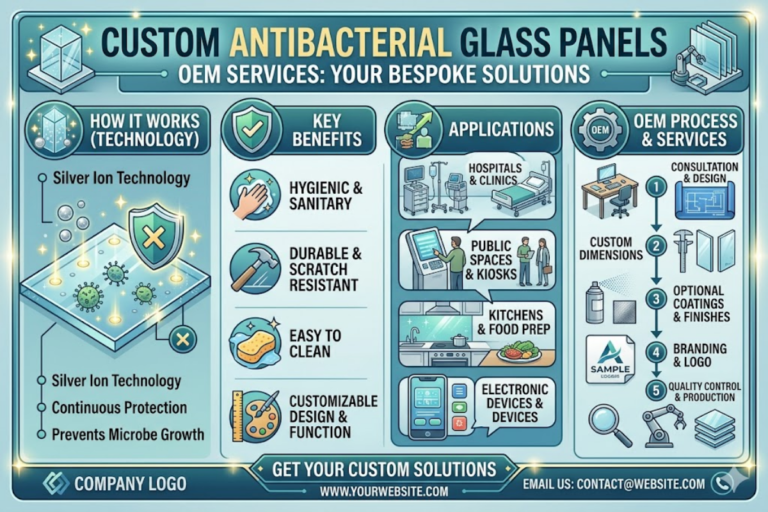
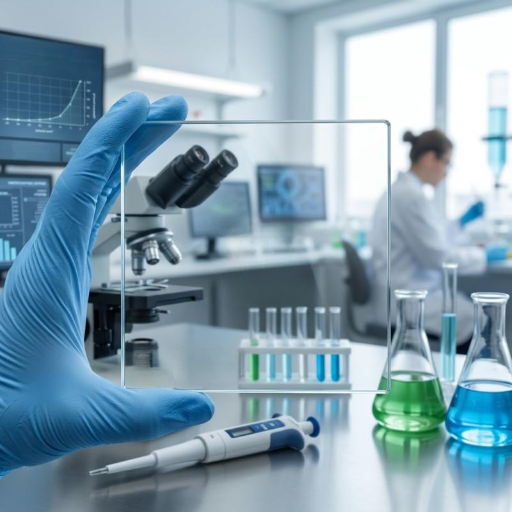
An antibacterial glass is a rather innovative stuff designed to ease bacteria’s growth on the surface it is on. During the glassmaking process or post-coating, antibacterial agents that are most often silver ions are added into glass. Linking with the silver ions through metabolism, bacteria are smashed into severe disruption hampering their growth and reproduction. This particular technology creates less contamination and a healthier bioenvironment than any normal glass. In situations where germ control is very much essential, the result is just magnificent.
Importance of Antimicrobial Properties
Antimicrobial properties mean uninterrupted protection for the glasses against bacterial growth. In healthcare, implementation of glass with antimicrobial capability contributes to decreasing risks related to infection through antibacterial action and this is due to reduced potential for cross-contamination. An innovative glass solution including microbial protection goes a further step to ensure overall safety, an effort to raise hygiene standards, and acts as an impenetrable barrier between hazardous microbial foes and their immediate surroundings. Long-lasting antimicrobial mechanisms will surely act as a formidable ally in making sure that the highest levels of protection are maintained over long periods.
Applications in Modern Devices
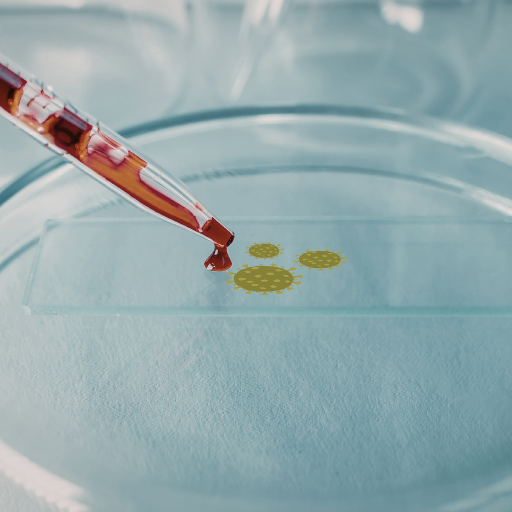
The applications of the antibacterial glass is vast and bridging across a variety of industries. This list includes but is not limited to the:
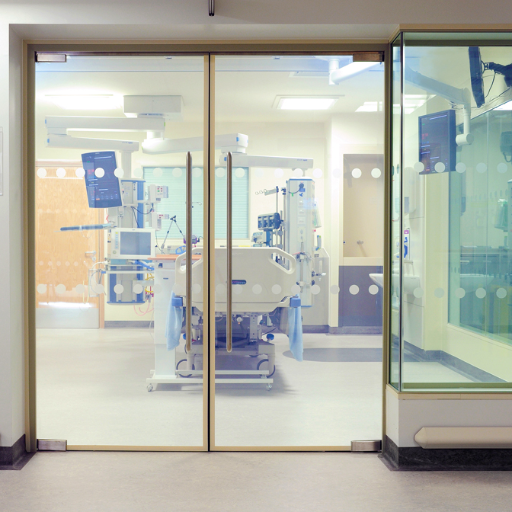
- In the healthcare sector, antibacterial glass is primarily used in a hospital setting for windows, display screens, and equipment surfaces to enhance hygiene and control the spread of infection.
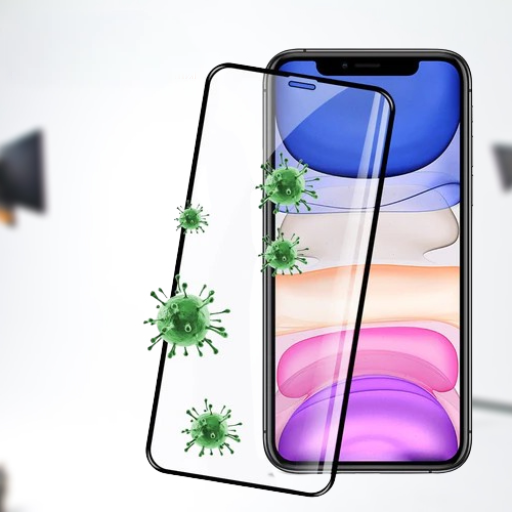
- Cover Glass with antimicrobial properties can be used in consumer devices like smartphones and tablets for a cleaner and safer user experience.
- Antimicrobial glass, in addition, has been used in architectural applications to reduce the risk of infection in public spaces.
It is the combination of antibacterial and glass qualities that allow manufacturers to create smarter cleaner devices.
02
Overview of the Top 15 Antibacterial Glass Manufacturers
| # | MANUFACTURER | FOUNDED | HQ | KEY MARKET |
|---|---|---|---|---|
| 01 | SW Glass | 2014 | China | Healthcare, Residential, Commercial |
| 02 | AGC Inc. | 1907 | Tokyo, Japan | Architectural, Automotive, Specialty |
| 03 | Saint-Gobain | 1665 | France | Construction, Healthcare |
| 04 | Corning Incorporated | 1851 | New York, USA | Electronics, Healthcare |
| 05 | Guardian Industries | 1932 | USA | Multi-market |
| 06 | Ishizuka Glass Co., Ltd. | 1819 | Japan | Healthcare, Food, Pharma |
| 07 | Kastus Technologies | 2014 | — | Electronics, Public Spaces |
| 08 | Nippon Sheet Glass Co., Ltd. | 1918 | Japan | Construction, Automotive, Healthcare |
| 09 | Schott AG | 1884 | Germany | Healthcare, Laboratories |
| 10 | Smartglass International | 2004 | — | Commercial, Residential |
| 11 | Sumita Optical Glass, Inc. | 1953 | Japan | Healthcare, Electronics |
| 12 | Morley Glass & Glazing Ltd. | 1998 | UK | Residential, Commercial |
| 13 | Joh. Sprinz GmbH & Co. KG | 1886 | Germany | Healthcare, Public Spaces |
| 14 | BÜFA Glas GmbH & Co. KG | 1883 | Germany | Food & Beverage |
| 15 | Innovative Glass Corporation | 2003 | USA | Residential, Commercial |
03
Understanding Antimicrobial Coatings
Types of Antimicrobial Coatings
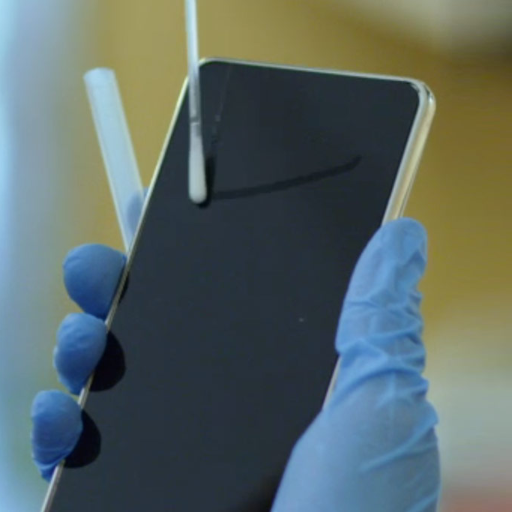
The antimicrobial coating can be used in many different ways to prevent the growth of microbes on surfaces. The different mechanisms through which the substrate will perform its function include:
- Introduction of silver ions, which are known for their antimicrobial nature.
- Incorporation of organic molecules that will affect the integrity of the bacterial cell membrane.
The specific choice of coating is determined by the kind of application, the needed toughness, and the kind of antimicrobial defense to be applied.
Properties of Coated Glass
The coating of glass with the antimicrobial properties is beneficial in terms of providing an innovative material for different industries. This barrier is very durable which subsequently reduces the growth of bacteria, thus contributing to less risk of infection, and certainly higher hygiene as well. It happens to be a surface that can naturally be cleaned easily while keeping its antimicrobial properties undiminished over the life of its utilization. It keeps the visibility and safety functions of glass out of contract. This is why such a glass is wise and safe when used in healthcare, consumer appliances, and architectural spaces for their long-lasting cleanliness and safety properties.
Benefits of Using Coated Glass in Devices
The use of such objects as glass cutting boards with antimicrobial properties is the new advancement used to enhance hygiene and the comfort of the users. This coating keeps a continuous check on the growth and tingling of the bacteria, hence minimizing the risk of contamination by the disease-causing microorganisms. This becomes very crucial in smartphones and tablets which are used over and over again and can be infested with bacteria. In case germs are spread onto the surface of the device, they can certainly take bacteria into their own bodies; thus, the hard carryout knows how to keep the germs hermetically sealed.
04
Applications of Antibacterial Glass
05
Future Trends in Antibacterial Glass Technology
Innovations on the Horizon
Future advancements in antibacterial glass are set to gain significantly from open innovation and enhancing hygienic conditions, all evolving in an antiseptic environment in many sectors. New technology in the glass manufacturing for an anti-humanomic glass will create more advanced solutions against bacterial transfer on the glass surface. Future use will point toward more consumer products and architectural design concepts for providing a cleaner space with more durable, better antibacterial properties. High-tech coatings are a part of such developments so that the antibacterial effect remains effective, thereby making the life of the glass product longer.
Smarter Antimicrobial Solutions
Smarter antimicrobial solutions are on the way, building on nanotechnology and advanced material science to bring more functionality. To this end, the innovations endeavor to design glass that attacks a complete range of harmful microorganisms, including bacteria, viruses, and fungi, completely securing an antimicrobial shield. The incorporation of sensors and smart coatings could include real-time surface cleanliness monitoring followed by automated cleaning or antimicrobial administration. These advances shall further create more flexible and changeable environments driven by antimicrobial properties for highly assured hygienic safety in healthcare establishments of all types, homes, and public spaces.
Potential Market Growth
Though it will be to some extent, it’s worth mentioning again that the potential in the antibacterial-glass market growth is huge as the general public is becoming more and more aware of hygiene and antimicrobial resistance. To create cleaner environments that meet impeccable standards of hygiene, the need for antimicrobial glass is becoming pervasive in healthcare, food-service delivery, and electronic parts industries. Thus, coupled with advances in technology that would decrease manufacturing costs, antibacterial glass will become more affordable and stand a fair chance of competition. The technology will get into more and more devices and have applications on surfaces including touchscreens, medical equipment, and glass building components, ensuring the maintenance of hygiene across sectors from glass manufacturing.