Get in Touch with Saiweiglass




Laminated Glass vs Tempered Glass: A Side-by-Side Comparison for Building Professionals
Both laminated glass and tempered glass carry the label “safety glass,” yet they protect buildings and people in markedly different ways. One crumbles on impact; the other cracks but stays in the frame. If you are an architect, a contractor, or a building engineer trying to decide between these two glass types, a poor choice could lead to an inspection failure, security gaps, or thousands of dollars in needless replacements.
Below you will find the real engineering data behind laminated glass vs tempered glass — including mechanical strength, building code requirements, sound and UV performance, and actual cost figures from 2025-2026 pricing. Laminated glass and tempered glass are two of the most widely installed safety glass products in commercial and residential construction, and understanding the differences between laminated and tempered glass is not optional — it is demanded.
What Is Laminated Glass and What Is Tempered Glass?

Laminated glass is a type of safety glass formed by binding two or more glass layers together with an interlayer of polyvinyl butyral (PVB) under heat and pressure. It keeps the glass fragments from falling out, which stops sharp shards of glass from flying or scattering in the event of breaking. Dating back to 1903, today laminated glass is used in automotive windshields, skylights, and security glazing across the globe.
Tempered glass—also known as toughened—is made by heating ordinary annealed glass to around 620 C ( 1, 148 F) and then suddenly cooling it with jets of hot air. The heating and rapid cooling develop compressive stress in the outermost layers and tensile stress within the core of the glass, and makes tempered glass about 4 to 5 times stronger than common annealed glass of the same thickness. When tempered glass does shatter, it does so into small granular chunks.
At a fundamental level, the difference comes down to manufacturing techniques: laminated glass is a composite (i.e. multiple glass layers laminated together), whereas tempered glass is a one-piece lite of heat-treated glass. Every glass type has it’s own uses and most projects use both types.
| Property | Laminated Glass | Tempered Glass |
|---|---|---|
| Structure | Two or more glass layers + PVB interlayer | Single heat-treated lite |
| Break Pattern | Spider-web cracks; stays in frame | Small granular fragments (dice pattern) |
| Common Names | Lami glass, PVB glass, safety laminate | Toughened glass, heat-treated glass |
| Manufacturing | Autoclave bonding at ~140°C / 12–14 bar | Furnace heating to ~620°C + rapid quench |
| Thickness Range | 6.38 mm – 40+ mm | 3 mm – 19 mm |
In our glass fab we check the PVB bonds of every bonded lite before it leaves the shop—edge delaminations are the most typical quality defect we detect in QC.
Similarly, our 3D curved glass process applies the same lamination principles to non-planar surfaces for projects requiring complex geometries.
How Laminated and Tempered Glass Are Manufactured
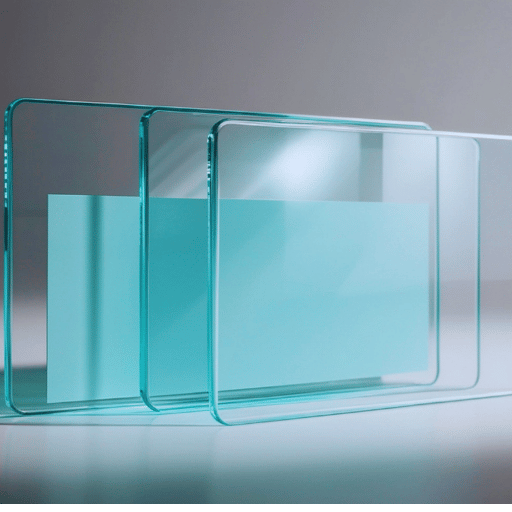
From the production process the only aspect these two glass types had in common was to start with flat glass sheets.
Laminated Glass Production
Production of laminated glass is a multi-step laminating process. Glass sheets are sized and cleaned. the glass is aligned in a multiple lith sandwich with a PVB interlayer film between the two. Next, the sandwich is placed between nip rolls, and pushed through them in order to squeeze out trapped air (pre-pressing).
The autoclave then applies roughly 140°C at 12-14 bar pressure for a cycle that permanently bonds the glass layers to the interlayer. Starting from 6.38 mm thick (two 3 mm lites + 0.38 mm PVB), and multi-ply assemblies can exceed 40 mm for ballistic or blast-rated builds.
Tempered Glass Production
By comparison, tempered glass is designed and manufactured through thermal processing. Standard annealed glass is cut to size, drilled, and edge finished to its final dimensions; this is the most delicate portion of the process since tempered glass may not be cut or have holes drilled after a heat temper without shattering. The unloaded lite is fed into a tempering oven, heated to approximately 620 C (1,148 F) and exits onto a quenching area where jets of high pressure air are directed onto both sides of the pane, providing rapid cooling.
This procedure introduces a surface compression of no less than 10,000 PSI (69 MPa) as stated in ASTM C1048. A tempered panel must be cut and fabricated prior to tempering; if any cuts or holes are added after, the stress balance of the sheet, and will shatter immediately.
As we start the temper cycle, the glass is heated to about 620C in the furnace and leaves in less than four minutes – each use of that quench rate determines whether a result is consistent or unpredictable.
Strength and Impact Resistance: Which Glass Holds Up Better?

On raw strength, tempered glass wins — no question. With surface compression reaching 10,000 PSI (69 MPa), tempered glass is approximately 4 to 5 times stronger than annealed glass of the same thickness. It can withstand thermal shock differentials of roughly 250°F (139°C) and bending forces that would crack standard annealed glass outright.
laminated glass, however, designates use of all annealed or heat strengthened lites for most of its configurations. Each lite has the same flexural strength as the various flavors of annealed glass – approximately 6,000 PSI. The PVB does not give the panel any more strength; it just causes it to dissipate the impact energy over a greater local area, and, more critically, stay in place after fracturing.
| Property | Tempered Glass | Laminated Glass | Standard Annealed |
|---|---|---|---|
| Flexural Strength | ~24,000 PSI | ~6,000 PSI (per lite) | ~6,000 PSI |
| Thermal Shock Tolerance | ~250°F differential | ~100°F | ~100°F |
| Impact Resistance | High (single hit) | Moderate (but maintains barrier) | Low |
This is the key difference that many specifiers overlook: tempered glass is stronger than laminated glass, but when tempered glass breaks it completely loses its profile; laminated glass, may be fractured at the same impact, but the fractured panel retains its profile, thus creating a physical barricade. In the case of overhead glazing and glass guards, that post-fracture behavior is more important than strength.
Common specification mistake: Choosing tempered glass for the overhead glazing on a strength basis only is an over-simplification of a very real and highly dangerous situation—shattered tempered panel showering granular fragments onto passersby below. Building regulations are set specifically to combat this.
Safety and Breakage Behavior
While both of laminated and tempered glass are the safety glass in the doors of the building code, their breakage behavior has little in common, and that is what establishes in which glass type each may be used.
Tempered glass shatters into small roughly cube-shaped granular bits (the “dice” pattern). These bits are significantly less hazardous than the jagged shrapnel made from standard annealed glass which is why tempered glass is commonly used in hazardous areas such as shower enclosures, sliding doors, and glass near walking surfaces. However, tempered glass does not provide any barrier after breakage, one blow from a person, stone, or break-in will collapse the entire lite
By contrast, laminated glass performs differently. Its glass layers crack in a spider web pattern, but the PVB interlayer holds the glass in place. laminated glass stays put even when everything around it is in 100 pieces, continuing to block out wind, rain, debris, and unlawful entry. For security and safety, laminated glass provides better protection and safety applications — even when the glass is severely cracked, it stays functional as a barrier.
IBC Section 2406 for “hazardous locations”—doors, shower enclosures, location with presence of those near the floor, sidelites, railings and the like—laminated glass meets or exceeds the safety limitations of both tempered and laminated glass assemblies. But IBC Section 2407 takes the additional step of requiring laminated glass for glass in guards and handrails since it requires a post-breakage barrier to reduce fall hazards.
ASTM F1233 safety glazing rating system divides the five possible strength classes for security use: Standard laminated glass, with a 0.060-inch PVB interlayer, passes for the entry-level Class 1 (Table 1). Variants on the theme for ballistic-resistant security hurdles call for thicker laminated assemblies, and the use of SGP (SentryGlas Plus) interlayers instead of the standard PVB.
Building Code = For overhead glazing and glass railings, laminated glass is code-mandated in most jurisdictions per IBC 2407. Tempered-only glazing does not qualify.
The most common myth about jobsites: tempered glass is security glass, right? Wrong. tempered glass shatters in an opening, giving an intruder quick entry. If glass for security matters, laminated glass is the only real solution.
Sound Insulation, UV Protection, and Other Performance Factors
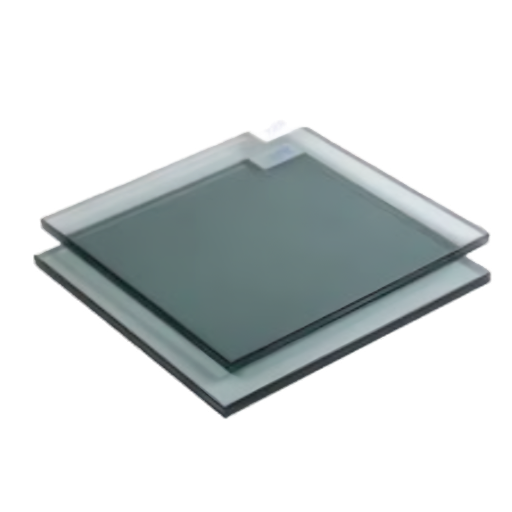
Beyond strength and safety, laminated glass is also known for measurable benefits in acoustical protection and ultraviolet shielding — factors that are often decisive in choosing commercial building glazing. It can block UV and dampen sound in ways that tempered glass simply cannot match.
Sound Reduction
The PVB interlayer in laminated glass acts as a sound dampening membrane, arresting vibrations as they transfer from one side of the glass assembly to the other. With an overall thickness of 6mm, laminated glass delivers STC (Sound Transmission Class) ratings of 36-40 against 31-33 (STC) for monolithic tempered glass of the same overall thickness. That 5-7 STC differential equates to approximately 30-50% worse perceived noise reduction—a huge difference in offices adjacent to highways, airports, truck routes, hospitals, residential towers, or other noisy environments.
UV Protection
Standard PVB laminated glass filters up to 99% of UV radiation below 380 nm according to Eastman/Saflex technical data. Enhanced UV blocking interlayers push that coverage to 400 nm, filtering over 99.9% of UV-A potential damage to furniture, artwork, fixtures, skin, and decor. tempered glass by itself blocks about the same quantity of UV as ordinary window glass: 25%. If UV protection matters, then laminated glass rules.
| Factor | Laminated Glass | Tempered Glass |
|---|---|---|
| STC Rating (6 mm) | 36–40 | 31–33 |
| UV Blocking | Up to 99% | ~25% (same as annealed) |
| Weight | Heavier (dual lite + interlayer) | Same as annealed (single lite) |
| Post-Break Barrier | Yes — interlayer holds fragments | No — fully disintegrates |
| Heat Resistance | Moderate (~100°F diff) | High (~250°F diff) |
In similar curtain wall building projects supplied by us, our laminated assemblies measured Sound Transmission Class ratings of 36-38, while the unlaminated comparable amounted to only 31-33: confirming published results in “real world” facilities.
When both acoustics and curved geometry are relevant to architectural elevation, curved laminated glass panels for architectural facades deliver both noise reduction and design flexibility. Our laminated panels work well in modern museums, galleries and retail spaces, where merchandise and artwork face UV damage. ASTM E1300 covers load resistance calculations for architectural glazing of both types.
Cost Comparison: Laminated Glass vs Tempered Glass Price
Price is a critical element for many projects constrained by tight budgets and the tempered glass generally wins on initial price. Below are the ranges available from current flat glass markets, based on 2025-2026 pricing for flat glass markets:
| Glass Type | Price Range (per sq ft) | Key Cost Driver |
|---|---|---|
| Standard Annealed (regular glass) | $5–12 | Base material cost |
| Tempered | $10–35 | Heat treatment + breakage risk |
| Laminated (PVB) | $15–30 | Interlayer + autoclave process |
| Laminated (SGP) | $25–45 | Premium interlayer material |
| Tempered Laminated | $25–50 | Both processes combined |
Premium toughened or annealed Glass typically are valued at $5-20 per sq ft. Upgrade to laminated glass at adds another $5-10 above toughened prices. Whether laminated glass is worth the extra cost is completely application dependent: in a shower enclosure the 15/sq ft spent on tempered glass accomplishes for six square feet what is needed (i.e. exposure on every surface of the enclosure).
In a franchise store front where security is a concern, the 25/sq ft spent on laminated glass avoids the $2,000+ costs of emergency board-up and replacement after a single attempted break-in.
Architects versus glass prices: consider not only price/sq ft but also installation and labor cost and while commuting because replacement on house might be viewed as ‘painting’ plus insurance considerations of safety-rated assemblies.
Pro tip: For low budget projects, manage tempered glass is less costly during initial implementation however for designs requiring higher throughput or critical security (aka; ATM’s, Citibanking infrastructure, Cold Storage facilities etc.) laminated glass will cost less over the building lifecycle factoring in your replacement rate and liability exposure.
How to Choose the Right Glass for Your Project
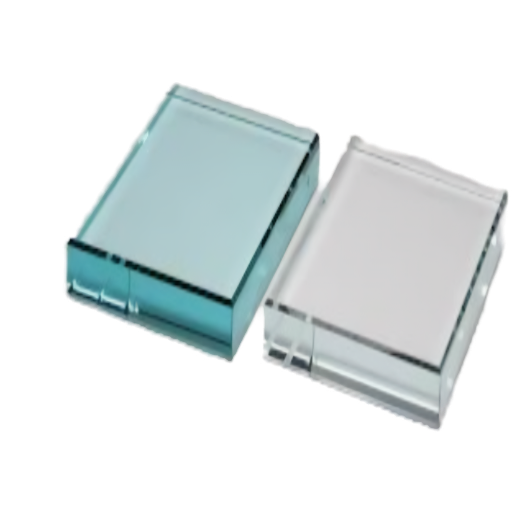
Making the choice between laminated and tempered glass depends on the application, local code requirements and the characteristics one is after. This decision matrix covers the most common applications.
| Application | Recommended Glass | Why |
|---|---|---|
| Shower enclosures | Tempered | Code-required, heat resistant, safe breakage |
| Storefronts / commercial entry | Laminated | Security, UV protection, sound reduction |
| Overhead / skylights | Laminated | Code-required (IBC 2407), fragments stay in frame |
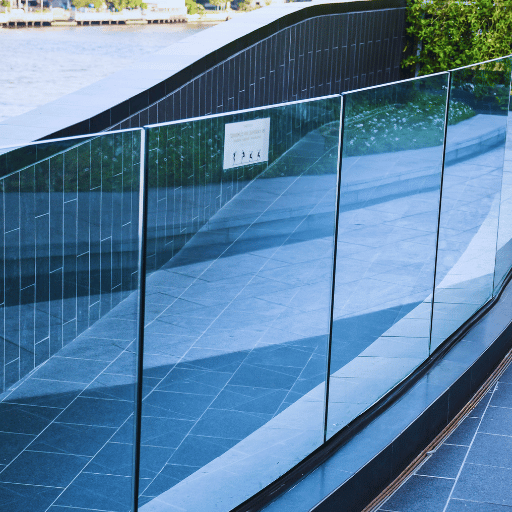
| Glass railings / frameless glass railings | Laminated | Code-required for guards, post-break barrier |
| Interior partitions | Either | Tempered for budget; laminated for acoustics |
| Hurricane zones | Laminated | Impact resistance + maintains barrier |
| Automotive windshields | Laminated | Occupant protection, maintains visibility on impact |
Picking the right glass is essential for any glazing project — use these five questions to pick the right type of glass:
- Is there any overhead or railing glass? Laminated (code necessary)
- Is security or forced entry a concern? Laminated
- Is thermal shock or heat exposure likely? Tempered
- ✔ Is noise reduction needed? → Laminated
- Budget constraint, is this the primary? Tempered (lower initial cost)
Both safety glass types are widely used in conjunction with each other on a large number of projects. Many assemblies—including in the most popular types of assemblies—are internally tempered, which can be thought of as using a Tempered laminated glass—where the individual lites are tempered before being glued together. This is the design used in: frameless and hurricane-rated assemblies of glass railings and—in every automobile windshield built in the word laminated glass is used, and—growing to be the common choice for commercial shopfronts in cities.
Explore our 3D curved glass products for projects where both safety glazing and architectural geometry matter.
Frequently Asked Questions
Is laminated glass stronger than tempered glass?
View Answer
No. Tempered glass is roughly 4–5 times stronger than annealed glass in raw impact resistance. Laminated glass is weaker per lite, but it holds together after breaking — the PVB interlayer keeps fragments bonded to the frame. So tempered wins on single-hit strength, while laminated wins on post-breakage barrier performance. For overhead and security applications, that barrier matters far more than initial impact resistance.
Can laminated and tempered glass be combined?
View Answer
Yes. Tempered laminated glass bonds tempered lites with a PVB or SGP interlayer — giving you both impact strength and post-breakage retention. IBC Section 2407 requires this combination for glass guards and handrails.
What are the disadvantages of laminated glass?
View Answer
Laminated glass weighs more than single-lite tempered glass, costs more per square foot ($15-40 vs $10-35), and handles less thermal shock. It cannot be re-cut or drilled on site without specialized equipment — every hole and edge must be finished before lamination. Weight is an issue too: a 10 mm laminated panel weighs about 25 kg/m², versus roughly 12.5 kg/m² for 5 mm tempered glass. For oven doors, fireplace screens, and other heat-exposed glazing, tempered glass is the better pick.
Does laminated glass block UV rays?
View Answer
Yes. Standard PVB laminated glass can stop 99% of UV radiation below 380nm. Premium UV blocking interlayers can increase protection to 400 nm, providing over 99.9% filtering of UV-A radiations. tempered glass by itself blocks nearly exactly the same amount of UV as standard window glass-roughly 25%.
Is laminated glass more expensive than tempered glass?
View Answer
Yes. A typical tempered glass runs $10-35 a square foot while a laminated glass is roughly $15-40 a square foot, depending on type of interlayer. Difference is between $5-10 a square foot. In the case of security or overhead work that up-front dollar amount might be compensated for by lack of having to replace the glass after a much lower life span.
Which glass type is better for soundproofing?
View Answer
Laminated glass, by a wide margin. STC ratings run 36-40 for laminated versus 31-33 for tempered at equal thickness.
Need Help Choosing the Right Glass?
Our engineering department will help you select the right glass type for your needs, budget, and building code requirements.
About This Comparison
This article comes from firsthand experience as an architectural glass fabricator, specialized in laminated safety glass, 3D formed glass, and tempered panels. All technical data examples come from published standards (ASTM, IBC) or manufacturer data. We carry both laminated and tempered glass products and have no interest in one or the other-one is never better than the other, just different according to each job.
References & Sources
- ASTM C1048-18 — Standard Specification for Heat-Strengthened and Fully Tempered Flat Glass — ASTM International
- IBC 2021 Section 2406: Safety Glazing — International Code Council
- Tempered Glass — Wikipedia / Wikimedia Foundation
- Heat-Treated Glass Processes — Vitro Architectural Glass Education Center
- ASTM E1300-16 — Standard Practice for Determining Load Resistance of Glass in Buildings — ASTM International