Get in Touch with Saiweiglass


Cover Glass Testing: An In-Depth Exploration of Glass Panel Durability and Resistance

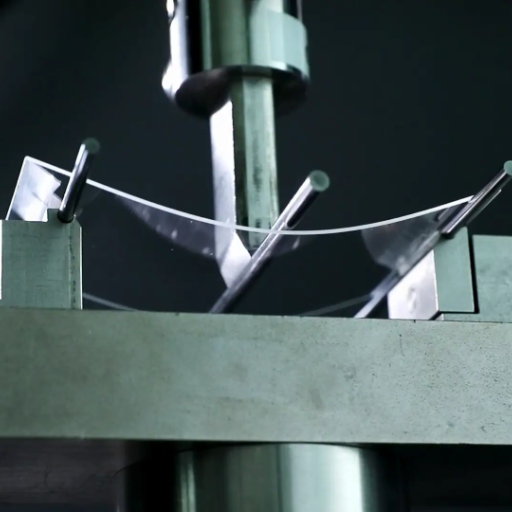
The cover glass, a prevalent part of modern technology, is a must-have inclusion in everything from smartphones and tablets to automotive displays; have you ever stopped to think of the several tests conducted to ensure they can adapt to everyday usage? From falls to exposure to extreme environments, these glasses need to be sturdy and tough. This article delves into the absorbing world of testing of cover glass, presenting a rigorous look at what manufacturers do to find out the strength of cover glass while boosting its scratch resistance and overall abilities. Whether you are really a tech enthusiast, a product designer, or simply someone curious about the science behind all the screens we use every day, read on to get valuable insight that explains just how important cover glass testing really is and drives innovation within technology that helps us sustain.
Introduction to Cover Glass
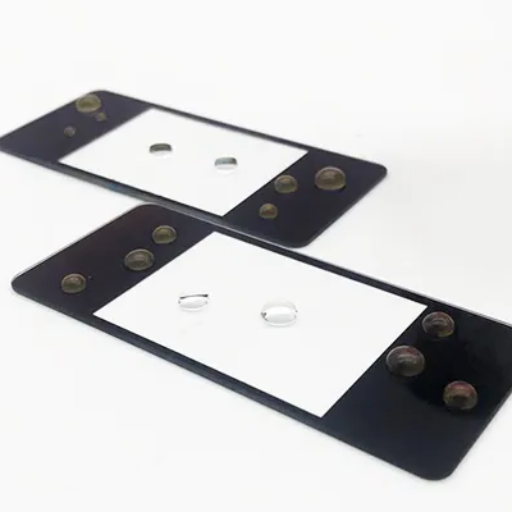
The cover glass, a prevalent part of modern technology, is a must-have inclusion in everything from smartphones and tablets to automotive displays; have you ever stopped to think of the several tests conducted to ensure they can adapt to everyday usage? From falls to exposure to extreme environments, these glasses need to be sturdy and tough. This article delves into the absorbing world of testing of cover glass, presenting a rigorous look at what manufacturers do to find out the strength of cover glass while boosting its scratch resistance and overall abilities.
Whether you are really a tech enthusiast, a product designer, or simply someone curious about the science behind all the screens we use every day, read on to get valuable insight that explains just how important cover glass testing really is and drives innovation within technology that helps us sustain.
Introduction to Cover Glass
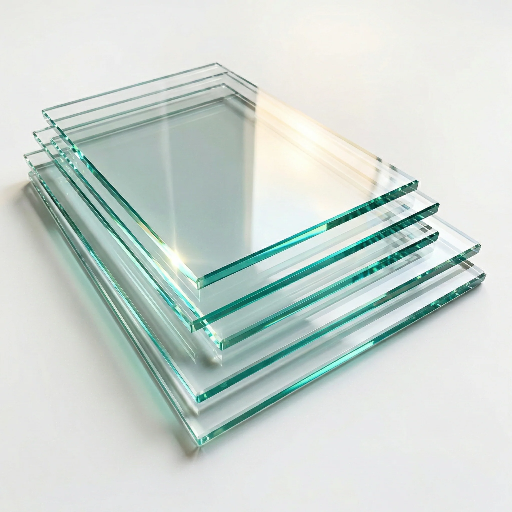
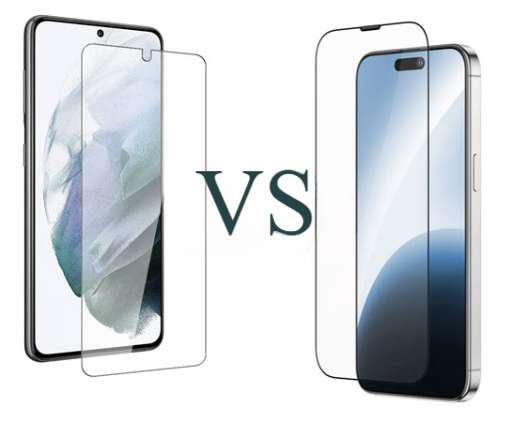
Cover glass refers to a protective layer shielding screens in electronic gadgets like mobile phones, tablets, and wearables from any possible damage. The commonest few things of which cover glass is built to last are scratches, impacts, and other external forces without losing in any form of display clarity, touch sensitivity, or knobs of use.
Hence, in a more technical tone, we may say that modern cover glass due to such advanced material as the strengthened glass obtains a greater sense of life in terms of durability, thereby enhancing the user experience. In general observations, one can state that cover glass plays an essential part in the longevity and high-performance of devices meant for everyday shreds.
Understanding Cover Glass Materials
Cover glass materials are designed to strike the balance between durability, optical clarity and UX. The most commonly used type is chemically strengthened glass by creating aluminosilicates, which undergo a process of ion exchange to increase hardness and ensure scratch resistance. It is also noteworthy that it bears the important properties of being very lightweight and very transparent and can take considerable dislodgement pressure; therefore widely in use to cover modern devices.
Another alternate material is the discussed sapphire glass famous for its excellent scratch resistance and hardness, and is often the most expensive as well as least common member in the arena of companion devices. They are employed alongside that of tempered glass for affordability and their high impact absorption, resulting in a very valuable property—one of no cracking or shattering.
These advanced materials ensure that the cover glass keeps up with rigorous and hard day-to-day use, providing a smooth touch experience, as well as performing all tasks smoothly. Manufacturers are always innovative and working up on new, more robust, and eco-friendly solutions that would clearly improve performance characteristics and sustainability of the products.
Types of Cover Glass
Cover glass types include soda-lime glass, aluminosilicate glass, sapphire glass, and ceramic glass.
| Type | Key Feature | Durability | Cost | Usage | Special Trait |
|---|---|---|---|---|---|
| Soda-lime glass | Basic | Moderate | Low | Standard | Affordable |
| Aluminosilicate glass | Impact-resistant | High | Moderate | Smartphones | Scratch-proof |
| Sapphire glass | Durable | Very High | Very High | Premium Devices | Ultra Scratch-Resistant |
| Ceramic glass | Heat-tolerant | High | High | Specialty Devices | Long-lasting |
↔ Scroll horizontally on mobile to view full table
The Role of Aluminosilicate in Cover Glass
Modern cover glass design and function for, say, smart devices such as smartphones and tablets is all made possible by the aluminosilicate glass. Being lightweight, it offers durability by composition due to being scratch- and impact-resistant, thanks to the coexistence of aluminum, silicon, and oxygen. This material is truly the best option for protection for the delicate touchscreens of devices and, above all, offer the long-term high degree of transparency.
One of the latest data shows the increased usage of aluminosilicate glass in consumer electronics due to its ability of withstanding everyday abrasion and accidental drops. Being scratch-resistant ensures that the screen remains visually perfect, while drop resistance minimizes cracking chances due to shock. The manufacturers typically chemically harden aluminosilicate glass through ion exchange treatment to further strengthen the structure. These properties have led aluminosilicate to become a critical material in the technology industries as it supports devices remaining well in place and looking good.
Property
Scratch Resistance
Maintains visual perfection under daily wear
Property
Drop Resistance
Minimizes cracking from accidental impacts
Property
Optical Clarity
High degree of transparency for display quality
Production Process of Cover Glass
Raw Material Selection for Quality Glass
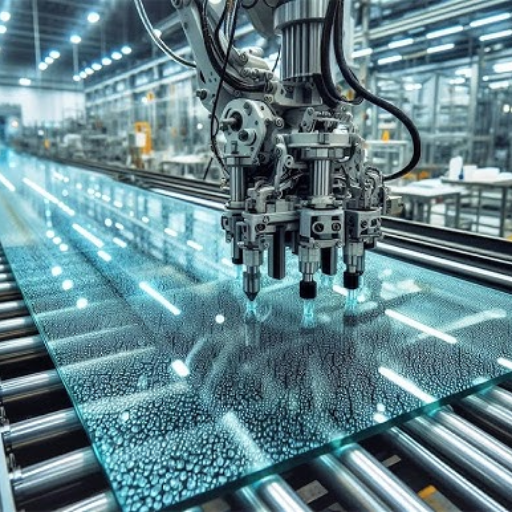
A key ingredient in the production of cover glass is selecting raw materials of high quality for the purpose of producing a durable and reliable product. Silica sand is the major high purity content that serves as glass bedrock. Other components like alumina and potassium oxide are then added to improve glass strength and raise its thermal stability. All these components must pass strict quality control to confirm that no impurities may pose a potential threat to the strength of the end product. By making these select compounds work together, a major build-up of factors comes into operation in producing a glass fit for the modern era of technological demands.
Chemical Strengthening Techniques
The chemical process to make glass tougher is called ion exchange. This process includes soaking glass in a bath of molten salts under high temperature conditions. In the process, smaller sodium ions from the surface of the glass are replaced by larger potassium ions from the salt bath. This chemical replacement creates a layer of compressive stress on the glass surface, contributing to its higher strength and greater resistance to breakage.
Ion Exchange Process
- 1 Glass is soaked in a bath of molten salts at high temperatures
- 2 Smaller sodium ions on the glass surface are replaced by larger potassium ions
- 3 A compressive stress layer forms on the glass surface
- 4 Glass achieves higher strength and greater resistance to breakage and chipping
The advantage afforded by this method is apparent. When applied to tempered glass, it gives better abrasion resistance and provides strength that further ensures resisting any type of fracture. The increased compressive stress inhibits developing any kind of crack or chip, which causes damage to tempered glass during their applications to high-demanding operations. For all instances, this technique is ideal for such glasses required for clarity, strength, and thinness.
In addition, chemically strengthened glasses hold very high optical qualities valuable to today’s technology applications, including touchscreens and optical lenses. For example, the development of flexible yet ultrastrong glasses yields innovative design opportunities for electronics and automotive engineering. Joining strength and beauty enables this process to represent a significant component in the cover glass manufacturing process.
Inspection and Quality Control Measures
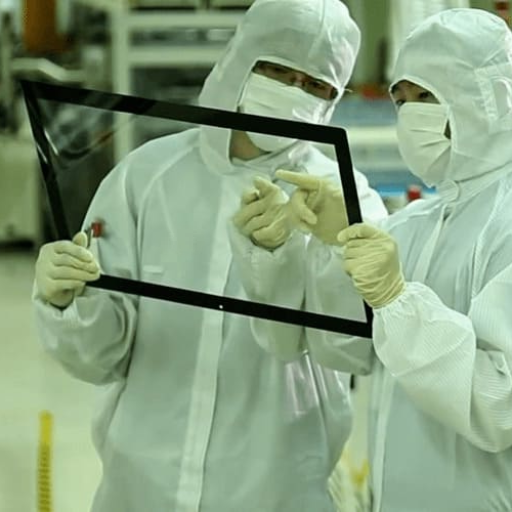
In a procedure combining cutting-edge technology with stringent inspection measures, the quality and reliability of a cover sheet are put through careful examination. Quality inspection and appraisement are generally achieved in tandem through manual verification or automatic scrutiny of defects such as scratches, chips, and unevenness. Advanced imaging systems are used to detect microscopic defects invisible to the naked eye but that simultaneously compromise the mechanical performance and transparency (or optical readability).
One of the most critical processes is the glass’ stress testing. Several methods such as quench tests, drop tests, and fights against durability are performed to ensure compliance with industry standards. Moreover, dimensional accuracy ensures that this glass perfectly winds its way into diverse applications, notably the electronic and automotive industries and wafer fabs. On one hand, stringent quality control measures could further enhance the performance of the cover glass, while assuring the finished product hides its best behind a consumer smile so that the product will always be seen as dependable. To supply robust and high-performance materials in response to changing requirements brought about by modern technology, these practices epitomize the vision the industry has.
Testing Methodologies for Cover Glass
Testing Methodologies for Cover Glass
Resistance Tests: Overview and Importance
Resistance tests provide an assessment of cover glass reliability and performance under different circumstances. These tests ensure that the glass under consideration can withstand all types of external stresses, fluctuations in temperature, as well as environmental stress points, without any significant erosion of its structural integrity or functionality. By ensuring that such material has enough resilience, manufacturers can design materials that would not only meet the demands of casual application but also terrible conditions as in specialized applications.
An important point in resistance testing is to test the material’s ability against impact. This methodology involves the application of a predefined load meant to simulate forces previously observed under real situations, such as during accidental breakage or some type of impact scenarios. In a nut cell, the results from an impact test determine the extent of material strength and the ability to withstand the onset of fracture of penetration, thereby increasing the level of safety and reliability.
Resistivity testing is of utmost significance, indeed. Of all surfaces, the cover glass stands most critically vulnerable to the elements—especially moisture, temperature extremes, and UV light. Glass that is tomorrow’s leading acoustic material is tested into certain good conditions, and gradations of how it will survive in due course are calculated away. These tests guarantee functionality and appearance of the glass throughout the service and performance desired during its lifespan, thus making it possible to adopt the same for a wide spectrum of challenging applications.
Real-World Applications of Scratch Testing
Industry
Consumer Electronics
Ensures screens in smartphones and tablets remain resistant to damage from daily wear and tear, enhancing shelf-life and ensuring their clear display.
Industry
Automotive
Scratch-resistant cover glass is a must for clear dashboard and infotainment system displays, even facing harsh environmental factors.
Industry
Medical Devices
Scratch-tested glass provides a hygienic surface that can be used for sensitive operations with ease and reliability.
By simulating actual conditions, the scratch test ensures glass can withstand wear and tear, environmental stress alike.
Impact Testing: Simulating Everyday Use
Impact test is regarded as an essential test for evaluating cover glass upon frequency of use. This test is especially meant to suit electronic gadgets, which are involved in various activities such as those that may get knocked while at work, and, at times, where visibility is an issue. The test method includes the application of controlled forces, such as dropping, striking, or sudden pressurizing, which are similar to real-life situations.
Cover glass that can withstand impact is essential in consumer electronics to preserve the life of smartphones, tablets, and smartwatches that are generally dropped due to accidents. In automobiles, impact testing assures that screens in dashboards or on control panels remain intact during the jolts in their everyday performance, as seen during a driving experience when heavy vibrations might come as an effect.
Impact testing, therefore, compels manufacturers to enrich themselves in building stronger and safer and yet reliable products by replicating routine usage. As the methodology of testing and materials sciences grow, the current impact-resistant glasses are steadily turning more robust without sacrificing transparency or functionality.
Industry Standards and Certifications
Overview of ASTM and ISO Standards for Cover Glass
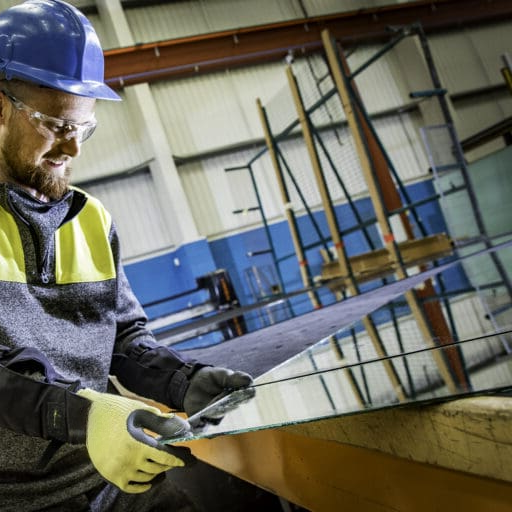
Indeed, global ASTM International, reputed for the comprehensive understanding of a wide array of industry standards, provides a number of beneficial guidelines such as ASTM C162 for glass and glass product terminology and definitions, thus providing thought-provoking insights into key properties and classifications. Meanwhile, additional standards like ASTM C1349 define the specifications for chemically fortified glass, in the resistance it provides to exposure to outside agents and to impact.
Furthermore, the ISO complements these initiatives by providing performance benchmarks, among which ISO 5725 establishes accuracy and precision of testing methods for attesting to the objectivity associated with performance measure evaluation. ISO 16936, specifically for building and vehicle glasses, is an instructing standard with regard to safety and resistance requirements.
In following these standards, manufacturers are able to meet product criterion in the light of industry-specific safety and functionality. Together, the standards set by ASTM and ISO provide for a well-knit system whereby the top sheet (cover glass) should not only meet the tough durability and strength standards, but also comply with the global norms as status and safety.
ASTM C162
Glass & glass product terminology and definitions
ASTM C1349
Specifications for chemically fortified glass
ISO 5725
Accuracy & precision of testing methods
ISO 16936
Safety & resistance for building & vehicle glasses
Understanding IK Ratings and Their Importance
IK Ratings evaluate the mechanical impact resistance of a material, enabling the identification of the material’s ability to withstand mechanical impacts. The IK ratings are important for the cover glass because they demonstrate the strength of the cover glass when applied under various conditions. IK ratings are determined according to the following scale: from IK00 (no protection) to IK10+, wherein larger values mean the material has higher impact resistance. The standard was developed by the International Electrotechnical Commission (IEC) so as to establish the uniformity in the evaluation of material robustness.
IK Rating Scale
IK00
IK01
IK02
IK04
IK06
IK08
IK10
IK10+
Higher = Greater
Impact Resistance
Impact Resistance
For cover glass employed in construction, consumer electronics, or automotive applications, a high IK rating comes in as a must-have. This essentially guards against inadvertent droppings, vandals, or forces finding their way to physically damage the product altogether, thus ensuring that the product is safe and long-lasting. To guarantee adherence to these standards, manufacturers typically undergo comprehensive testing on materials that provide the end customer with dependable, high-quality solutions corresponding to standards of global impact resistance.
Quality Control Measures in Glass Manufacturing
Quality control in glass manufacturing involves a series of systematic tests to confirm the finished end products abide by the industry’s standard and customer expectation. The key testing activities consist of:
- 01
Raw Material Testing Looking into the compositional impurities of sand, silica, limestone, and soda ash used of uniform purity.
- 02
Dimensional Testing Ensuring thickness, dimensions, and deviations of the glass sheet comply with tolerance.
- 03
Optical and Surface Testing The quality of the aforementioned glass is checked for clarity, any kind of defect like scratching, bubbles, or distortions, as well as finish.
- 04
Rest Strength of Glass To test the strength and performance, the tempering is tested; also the glass is to be tested with impact and thermal shock, thereby proving its structural integrity; every test elongates the threshold limits breaking it to demonstrate strength.
- 05
Coating and Finishing Coating evenly distributes, and perfect adhesion against the intended anticorrosive and protective functionality, such as anti-reflective and UV blocking.
These series of activities ensure that glass functions in a safer, sustainable, and productive way as they are meant to provide a particular function.
Evaluating Cover Glass Performance
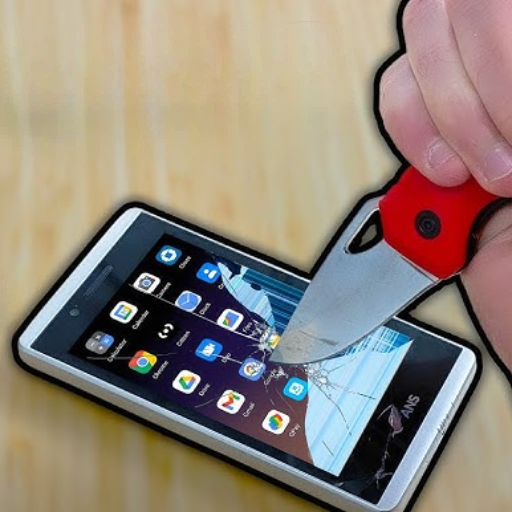
Durability Testing in Smartphones and Touch Screens
Durability tests of smartphones and touch screens concentrate on guidelines just common to usability and stress-related factors. In the ordinary course, stress tests include scratch resistance, fall impact testing, and the pressure that the glass could bear against it and operational support over different demanding conditions. Temperature cycling and humidity tests moreover are conducted to check the operational and performance reliability when meeting different environmental factors. Such deliberation ensures that cover glass is protective yet renders appropriate visual experience and touch input.
Clarity and Visual Performance Evaluation
To assess the clarity and visual performance, cover glass goes through tests on maintaining high transparency and minimal distortion under varied lighting environments. The out-of-the-ordinary optical tests involve the following features — light transmittance, reflectance, and color accuracy — to ensure that glass does not take away from the display brightness, resolution, or true colors. The coatings like anti-glare or anti-reflective are also studied for reflection attenuation and not hindering clear visibility in sunlight or harsh light conditions.
Test
Light Transmittance
Test
Reflectance
Test
Color Accuracy
Test
Anti-Glare Rating
The manufacturing prioritized the face glass to enhance the viewing experience because of the prevalence of consumer demand for a long-lasting small device with exceptional looks. Reading problems in tablets and phones under the early morning or late-afternoon sun and vibrations from screen contrast throughout time are two of their most challenging issues. Surface treatments — utilizing new technology — drive this lucrative future. Contact angles between contacting nanoparticles and surfaces dictate the performances of such special products, including improved durability.
Reliability Assessments for Automotive Applications
In evaluating the reliability for automotive applications, cover glass durability, safety, and performance under extreme conditions are all addressed. Driven by the necessity to guarantee the utmost protection evidence, the most common testing methods used involve thermal resistance, impact strength, and scratch resistance to enhance tolerance against the severe environs of automobiles. Thus, it is evident that the advanced cover glass must resist temperature changes, UV exposure, and occurrences of mechanical stress without showing any sort of degradation. Additionally, we know that chemical durability testing is very important to check for good resistance with strong chemicals such as cleaning agents and environmental contaminants.
Top industry sources list several cutting-edge breakthroughs. The focus is mainly on building glass layers and reinforcing them chemically to make them more shock resistant. Shock tests are used to simulate most realistic scenarios as soon as mechanical shock evaluation of various levels is applied so that glass panel-treated product can be sure of maintaining optical clarity and the shape and form of these glass products.
Any cover glass product must face such strict checks if the industry is to meet the sharply escalating demands placed under harsh working conditions such as those of connectivity and autonomy. Bright and sharp display performance ensures the driver’s safety and a good user experience.
Frequently Asked Questions (FAQs)
Reference Sources
-
The Performance and Durability of Single-Layer Sol-Gel Anti-Reflection Coatings Applied to Solar Module Cover Glass
This study investigates the damage resistance and durability of sol-gel coatings on cover glass, providing insights into performance under various conditions.
Source -
The Performance and Durability of Anti-Reflection Coatings for Solar Module Cover Glass – A Review
This review explores anti-reflection coatings for cover glass, focusing on materials, durability, and resistance to environmental factors.
Source -
Testing the Durability of Anti-Soiling Coatings for Solar Cover Glass by Outdoor Exposure in Denmark
This paper evaluates the abrasion resistance and durability of anti-soiling coatings on cover glass through outdoor and laboratory tests.
Source -
Test Methods for Hydrophobic Coatings on Solar Cover Glass
This study outlines test methods for assessing the durability and abrasion resistance of hydrophobic coatings on cover glass.
Source - Custom Cover Glass