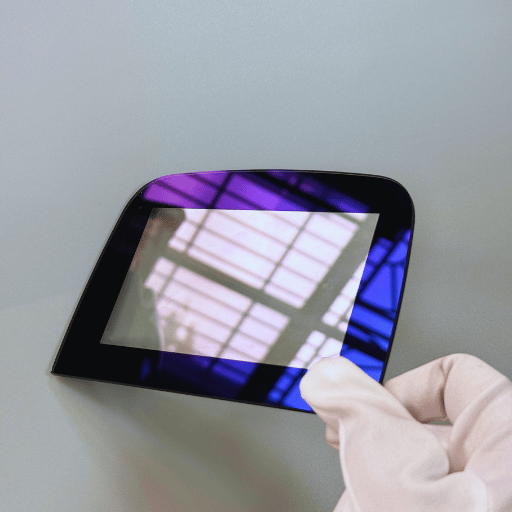
Get in Touch with Saiweiglass


Top 15 Anti-reflective Glass Manufacturers You Need to Know in 2026(Updated List)

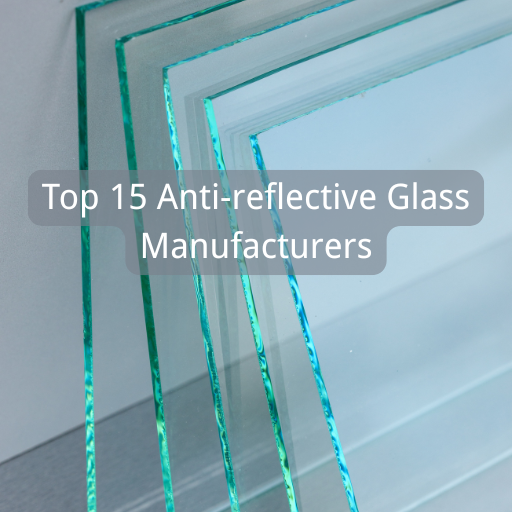
The types of anti-reflective glass cut glare, enhance clarity and also boost light penetration in high-profile / high-value types of projects. This paper examines the use of anti-reflective glass in structures that aim to reduce glare without improving light transmission otherwise known as towards inside displays, includes protecting structures as well as structures and shop fronts. This will consider how modern anti-reflective glass can cut light reflection and still allow visibility — providing a central theme for company-applicable examples and elaboration on the market construction questions adequate to consider when redesigning or introducing glass design, metal glazing and also other optical systems.
Section 01
Understanding Anti-reflective Glass
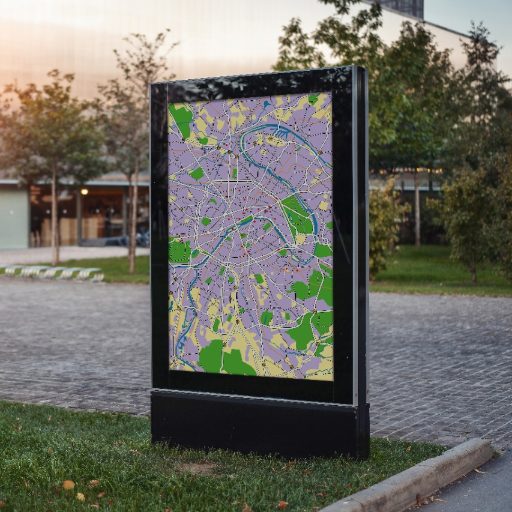
The application of AR coatings and selective etchings help in ensuring that reflection is reduced while ensuring maximum transmission of light as well as neutral color. Anti-reflective glass is engineered for reducing the reflection and glare of the glass surface by using either anti-reflective coating or etching procedures. It is also recommended in the architectural field, where it is designed to offer maximum light transmission with minimum colour distortion, while also being long-lasting. Non-reflective glass, also called anti-reflective glass allows for a nearly clear configuration of the glass while also being as strong as clear glass or tempered coated glass. New anti-reflective glass materials for facades, interiors and construction-grade display glazing solutions include standard performance, UV performance and fabrication aspects.
What is Anti-reflective Glass?
Reducing reflections and enhancing transparency at specific wavelengths can be achieved by managing optical interference through multilayer AR stacks. Anti-reflective glass is a type of glass that has a coating or is etched so as to diminish the reflective nature of the surface due to the effects of optical interference. An anti-reflective coating also known as multilayer AR stack assists in increasing transparency and improves clarity by reducing the reflection of light over specific wavelengths. There is a difference in behavior between reflective and AR glass: the former is designed for maximum light transmission without any glare or mirror effect. Non-glare glass categories employ techniques of reflecting out light by partial micro-etching of the surface; however, more sophisticated antireflective glasses present properly deposited and high quality thin films on plain glass as well as on laminated structures.
Benefits of Using Anti-reflective Glass in Architecture
Adding visibility and comfort thanks to the reduction of Reflected Light is another facet which AR glass aids with, especially in the areas of merchandising, conservation, and daylighting. There is less glare even in bright lighting, thanks to using anti-reflective glass which allows uninterrupted viewing into interior spaces and displays without losing daylight or visual comfort. AR architectural glass is used for the enhancement of transparency for shops, lobbies, and building facades to enhance brand awareness and sales. The glass can also enhance the optical quality by decreasing the amount of light reflected outwards, so that there will be less light pollution and eyesight stressing. AR glass for museums, incorporates not only anti reflection capabilities but UV protection, mothering as well as safety and acoustic concerns in case of being multi layered. In the end, the use of anti-reflective glass provides improved design, increases energy savings, and improves the experience of the users.
Applications of Non-glare Glass
Anti-glare or “invisible” glass allows transparent viewing in retail cabinets, museums aids, transport facilities, and solid facades. Utilization of non-glare glass in various architectural and optical applications where the reflection must be removed is not new. Such glazing is used in retail store fronts to reduce glare and improve view of the merchandise. Museums and galleries use invisible glass. This is to ensure that art pieces are presented, as being seen, without any annoying reflection. Way finding, displays in shops, and advertisement legibility is enhanced in transport terminals and office reception areas using anti-reflective glass designs. Whereas, in architectural elevations, AR glass is used to maintain clean lines whereas etched glass or non reflecting glass film is used for interior separation walls, balustrade inserts and display units to preserve the transparent areas. While, protective glazing may consist of a multilayer laminated glass having a layer that blocks UV radiation with a desired optical clarity.
Key Features of High-Performance Anti-reflective Glass
Coats or glasses that have been designed to achieve optimal efficiency are often characterized by a few attributes such as thin coats and etchings, high optical wavelengths transmission, neutral colours in appearance, and the evenness that can be achieved on large surfaces without distortion, among others. Moreover, the term ‘high-performance anti-reflective glass’ can be described as a surface of the glass characterized by the precise enhancement of the glass surface by using thin film coatings, sub-micron etchings, and top quality materials to prevent reflection. Primary emphasis of these glass products is on high level of light transmission; color neutrality and resistance to abrasions, even for very large spans of architectural glass. When laminated glass or tempered coated glass is produced, it significantly increases the safety and ultraviolet cut effect of the glazing technology in the museum cases through the top shop windows and all the way to high-rise curtain walls.
Coating Techniques for Enhanced Performance
Technologies of multilayers deposited by magnetron sputtering and two-sided AR coatings result in a low reflective layer which perfect for eco-friendlier windows. Older and previously suffered from reflectivity AR coatings now propose or more convincing multilayer containment based on destructive interference, which means less reflected waves in a visible spectrum and transparency improvement. On glass sometimes known as soda lime glass, the technique of vacuum and more specifically magnetron succeeds in coating production and sol gel or some dip coating techniques can also be applied to etched diffusing glasses. Also modern architecture screens addressed use of the corrective anti-reflective glass on both surfaces to reduces reflectivity as well. When it concerns construction glass, the AR film in combination with controlled levels of ultraviolet rays and low iron composition provides an optimum glass capacity that is useful in observing objects such strong as inside a museum.
Reflection Reduction and Its Importance
Reducing surface reflectivity helps achieve clearer images, better color fidelity, and improved comfort, all essential in displays, architecture, and preservation. When the reflection is effectively suppressed, the clarity of an object is enhanced as less light is returned to the user and more passes through the glass. In buildings, anti-reflective glass has an obvious advantage because it reduces the noise for customers, increases the visibility of installations in shop windows, and makes the signs more readable. Museums, on the other hand, with the help of anti-glare glass, are able to integrate the UV protection of the artworks and expose the exhibits’ full view. Consistent color and quality viewing at low heat gain in varied types of glass other than clear glass of high reflectivity is achieved by using non-reflective glass instead of glare glass, where the latter has beamed display surfaces.
Section 02
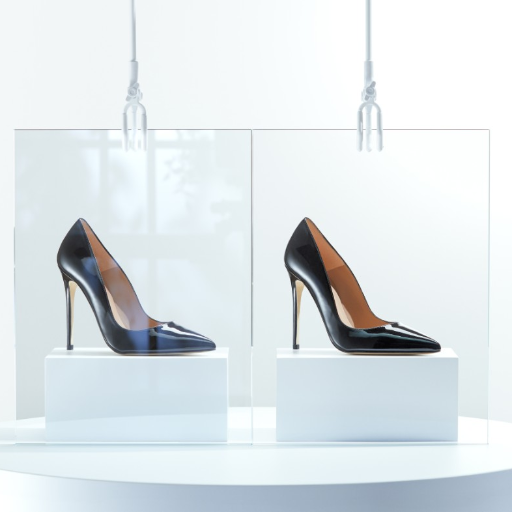
Top 15 Manufacturers of Anti-reflective Glass
Section 03
Comparative Analysis of Anti-reflective Glass Manufacturers
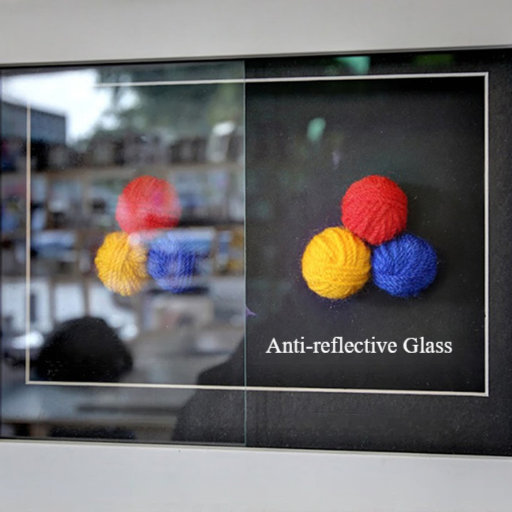
There’s more to confirmed reflection targets than reflectance numbers. True performance, realistic testing, and continuity of supply should be at the core of comparative assessment of proven anti-reflective glass makes. Purchasers should question the effectiveness of such designs of coating structures as they pertain to glass and anti-reflective elements towards reduction of glare and light reflection within the range of the visible spectrum, interrogate the coating’s durability on the exposed surface of the glass, and ensure there are no changes in color, especially for float glass substrates. Additionally, store fronts, museum spaces and glass facades rely on specification assistance for architectural glass, decent regional glazing partners, as well as the dependability of delivery lead time which should be compared among the available options. Different coatings, laminated glasses, and non-glare glass antireflections are offered in order to achieve the required thickness for this optical precision construction.
Performance Metrics and Industry Standards
Key metrics: single/double-sided reflectance, transmission, haze, color; validate with adhesion, abrasion, UV, and humidity tests.
| Category | Details |
|---|---|
| Performance Metrics | Single and double attaining reflectance values, hemispheric light transmission, haze, and color coordinates. |
| Validation & Durability | Adhesion, abrasion, UV exposure stability, salt-fog or humidity resistance for external architectural applications. |
Industry standards and in-house methods verify the adhesions of the AR coatings, abrasion and UV exposure durability, and salt-fog and humidity resistance for external architectural applications. Laboratory testing will look at how AR glass reduces glare from various angles of incidence, whereas lamination tests will check whether or not AR glass is impact resistant and whether the interlayer is compatible with UV filtration. With the emergence of leading manufacturers imparting spectral transmission data for AR and non-reflecting glass, there was potential for intending precise simulation in a museum and retail lighting environment.
Cost Considerations for Procurement Managers
Acquisition costs can be the yield attainable through processing, endurance, logistics, and value gain on performance grounds. Total cost of ownership is lifted out of mere prices for the coated glass to be inclusive of those elements such as fabrication yield, breakage rate, and installation complexity. Procurement personnel can get to establish by how much the use of reflective, anti-reflective, low iron glass dissolves these whiting, improve transparency, reduce glare, and increase merchandise and customer experience. Drivers of cost possess two-sided anti-reflective coating, low-iron substrates, and specialty etch finishes. Associating a UV control lamination to fine-tune their adhesive characters offers adequate sun control capabilities. For the architectural glazing projects, logistic efficiency on delivery time and availability for small-order quantities are important to some extent because they do their part on predictability of budgets.
| Category | Details |
|---|---|
| Value and Performance | Anti-reflective glass can eliminate reflections, enhance transparency, and reduce glare, improving merchandising and visitor experience. |
| Cost Drivers | Double-sided anti-reflective coating, low-iron substrates, specialty etch finishes, and bundling laminated glass with UV control. |
| Operational Factors | Fabrication yields, breakage rates, installation complexity, logistics, minimum order quantities, and regional tempering capacity. |
Choosing the Right Manufacturer for Your Needs
Pair the specific requirement (either museum display or front elevation) with AR type systems (etch vs thin-film) and quality parameters, then validate against the prototype. Making a correct choice of glass partner means matching system requirements against well-known examples of anti-reflective glass. Museum display and artwork protection require emphasis on ultralow reflectivity, integrated UV protection, and color neutrality. On the contrary, longevity, transmission uniformity across large panels, and reliable regional glazing capabilities are what store fronts and large wall-façades would tip the scale to the side of anti-reflective glass. Now specify whether etch-based antireflection (non-glare) or thin-film AR would best be set up with viewing angles and ambient lighting. Scrutinize the quality programs, metrology, and references, and dictate what kind of mock-ups should be carried out to substantiate the glass leaders’ optical performance on-site.
| Application | Key Priorities |
|---|---|
| Museum displays and artwork protection | Ultra-low reflection, UV integration, color neutrality |
| Storefronts and large façades | Durable anti-glare, consistent light transmission across large panels, dependable regional glazing services |
| AR Type | Selection Considerations |
|---|---|
| Etch-based non-glare glass | Viewing angles and ambient lighting suitability |
| Thin-film AR | Viewing angles and ambient lighting suitability |
Also evaluate quality systems, metrology, and references, and request mockups to confirm optical performance in situ.
Section 04
Conclusion
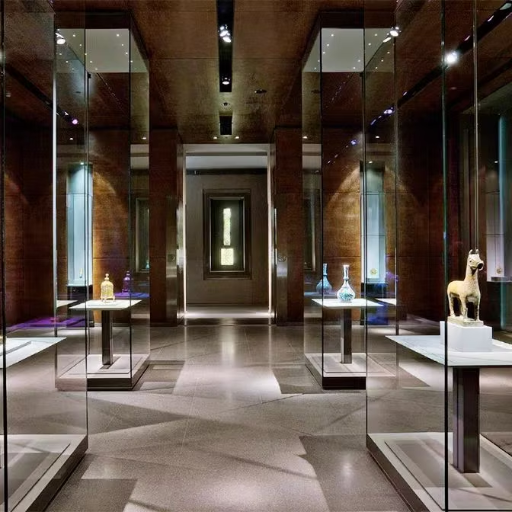
The selection of successful AR glasses takes into account a balanced measure of optical performance, durability, and integration support in meeting project scope. The market for anti-reflective glass types tends to offer a variety of glass products, marrying visual distinction with a strong, durable architectural performance. Across glass makers, antireflective coating science; attention to surface smoothness of the glass; and laminated options combine to reduce glare and reflection, yet still maintain transparency. The comparison of data-backed specifications, manufacturing scale, and integration support is absolutely essential. Catering effortlessly to premium gallery systems or basic fenestration with invisible or non-reflective glass, matching performance measures to cautious project needs can offer certainly visible results every time.
Recap of Key Insights
Using verified spectral data and durability testing, AR specifications with high transmission, low reflectance, and a neutral color should be used. Advanced anti-reflective glass reduces reflection and glare through multilayer coatings and etch treatments that yield high light transmission and creates a neutral color on a light. A distinction is made between the coated glasses for architectural exteriors and museum-grade displays by performance accreditation based on industry standards, spectral data, and durability testing. The procurement becomes effective if double-sided AR options, UV treatment options in laminated glasses, and logistics scrutinize all the processes. Lastly, Anti-reflective glass provides selectivity to be designed according to application requirements that will consequently offer the right glass, simultaneously balancing optical, safety, and constructability requirements.
Final Thoughts on Selecting a Manufacturer
Transparent optical data, mockups, certified laminators, and supply chains need to be escalated to take care of delivery risks. When selecting manufacturers, questions soft data on reflectance, light transmission, haze, and durability should be available, and the project-specific requirement with respect to performance should be confirmed using mockups. They should specifically be specified according to the viewing geometry, lighting, and conservation requirements hanging examples of any of the coated glasses or antireflective glasses, mainly art glass in museum environments. Ensure the use of a strong supply chain with qualified laminators who can stand up to the technical needs provided in the trade. Put more chips on antiplex protection glass in order for the project teams to get the congestion break in transparent glass that reduces reflections, and increases safety while showcasing the view thereby underpinning the strength of the architectural disposition.