Get in Touch with Saiweiglass


Optical Glass Industry Trends 2026


The optical glass industry reaches its most advanced point because it combines modern technological elements with contemporary fashion designs. People use eyewear as a functional instrument because it now serves as a fashionable item that offers both practical benefits and customizable options for personal expression. The current design trends which affect the industry will create a new way for consumers to view eyewear products. The article presents essential developments and design trends which currently reshape the optical glass industry to both fashion lovers and technology experts. The upcoming section will provide a detailed study of the future developments which will emerge from this active combination of practical use and fashionable design.
Section 01
Introduction to the Optical Glass Industry
Optical glass plays a crucial role in various industries because it provides precise and clear vision for applications that include eyewear cameras scientific instruments and optical fiber technology. The product achieves its high-performance standards through its production which uses materials of superior quality to create products that transmit light exceptionally while producing minimal visual distortion. The industry advances through new developments which improve lens coatings and create lightweight materials and establish methods of production that protect the environment. Optical glass develops more advanced features because of rising digital technology usage which makes the material suitable for both practical and visual requirements.
Section 02
Overview of the Optical Glass Market
The optical glass market is experiencing strong expansion because technological improvements create new uses for optical glass in multiple different business sectors. According to recent data, the market is expected to experience continuous growth which will achieve a compound annual growth rate (CAGR) between 6 to 7 percent from 2023 until 2030. The rising demand for optical glass across healthcare telecommunications consumer electronics and automotive sectors drives this market expansion.
6–7%
CAGR 2023–2030
Projected compound annual growth rate driven by expanding demand across healthcare, telecommunications, consumer electronics, and automotive sectors.
The growing use of augmented reality (AR) and virtual reality (VR) devices has increased the need for superior optical glass because these technologies rely on precise control of light. The increasing use of next-generation telecommunications networks which include 5G technology needs advanced optical glass solutions for fiber optic systems and their components. The industry has identified sustainability as a main priority which leads manufacturers to focus on environmentally friendly production processes that use recyclable materials to comply with international environmental regulations.
The optical glass market advances because technological progress and digital network expansion drive its development.
Section 03
Importance of Eyewear in Modern Fashion
Key Insight
+30%
Search volume increase for “stylish glasses” and “designer eyewear” over the last twelve months.
Eyewear has transformed from a basic functional item into a vital component of contemporary fashion which people use to express their personal style. The search volume for the terms “stylish glasses” and “designer eyewear” has increased by more than 30% during the last twelve months which shows that people now want to know about fashionable frames. People use modern eyewear to correct their vision while they use it to enhance their clothing and show their personal style and create eye-catching fashion looks. The top fashion designers together with major brands now present eyewear as part of their seasonal collections because they want to show how functional products can achieve fashionable looks. The current fashion trend shows that eyewear has become a vital part of contemporary fashion.
Section 04
Objectives for 2026 Trends Analysis
- OBJ 01
Identify Emerging Styles
The study evaluates how new frame designs and materials will become popular with consumers who seek durable products that provide comfortable wear and modern stylish looks.
- OBJ 02
Study Technological Advancements
The research investigates lens technology progress which includes blue light filtering and lightweight materials and adaptive tinting as key innovations that create market demand.
- OBJ 03
Understand Consumer Behavior
The research analyzes how consumer tendencies have changed toward eco-friendly eyewear products which use sustainable materials.
- OBJ 04
Evaluate Market Dynamics
The research examines how major brands and regional market trends and pricing methods impact the worldwide optical glass industry.
- OBJ 05
Forecast Future Opportunities
The research identifies growth opportunities through specialized markets and business partnerships which will help the industry meet future demands.
Section 05
Key Market Drivers Shaping the Industry
Demand from Consumer Electronics
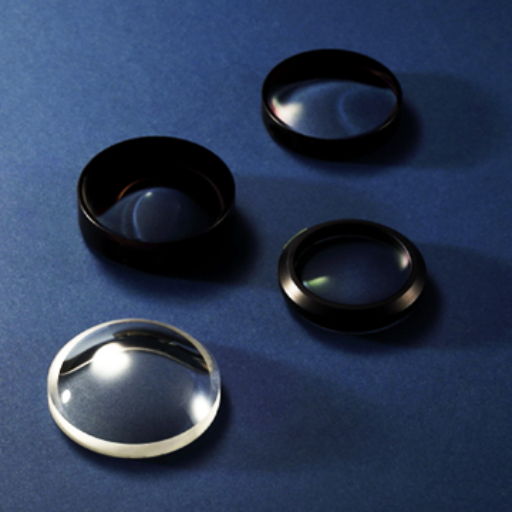
The optical glass industry has achieved its current status because the consumer electronics sector now uses advanced optical components in all modern devices. Smartphones, tablets, digital cameras, and wearables now commonly use optical glass to produce high-quality lenses and sensors. The optical glass market experiences growing demand because high-resolution imaging and video capabilities require specialized optical glass products.
The rising demand for augmented reality (AR) and virtual reality (VR) technologies has created new markets which drive current consumer spending trends. The optical glass industry experiences growth because these applications need specialized glass which display units and optical components require. The trend of device miniaturization has created a greater demand for small-sized glass solutions which makes optical glass essential for production needs of manufacturers.
The global expansion of markets creates ongoing demand for optical glass because consumer electronics reach new markets in developing regions. The growing adoption of budget-friendly technological solutions in developing markets has increased demand for devices which use optical components thus making consumer electronics a major force that shapes the optical glass industry.
Healthcare Sector Influence
Medical imaging technologies together with diagnostic tools create a major growth factor that drives the optical glass market according to their current development in the healthcare sector. Optical glass serves as an essential material which manufacturers use to produce endoscopes and microscopes and advanced imaging systems that include computed tomography and magnetic resonance imaging scanners. Recent data shows that countries worldwide are increasing their expenditure on healthcare infrastructure while they particularly invest in precision medicine and minimally invasive treatment methods. The trend of high-quality optical systems usage exists because medical facilities need better diagnostic methods which will lead to improved patient results.
Digital health technology adoption creates a marketplace for companies to develop new optical products. Precision optical components enable the development of wearable medical devices and smart biosensors which monitor patient health conditions in real-time. The optical glass sector experiences continuous development because these technological innovations establish healthcare as one of its primary growth drivers.
Impact of E-Commerce on Optical Glass Trends
While in the optical glass world, e-commerce has undeniably presented itself as a turning point; it facilitates more in-depth availability to the products while giving companies the option to target newer markets. Online forums made available provide manufacturers and suppliers with the maximum potential to develop linkages directly with the global customer base, in turn contributing positively toward supply-chain efficiency and overhead reduction. Today, consumers have the capability to make side-by-side product comparisons, review specifications with complete details straight from manufacturers, and place orders within a few clicks to swell the demand for high-end optical glasses. Even small-scale innovators are now able to compete with large corporations, thereby giving birth to new ideas and products on the market front. An e-commerce platform acts to capture the right consumer-practices data through which customers seek to arrive to customer-conscious customized products. Thus, the optical glass market has evolved as all with the possibilities open for all to pick from an array of resources online.
AR / VR
Specialized glass for display units and optical components in immersive devices.
5G Networks
Advanced optical glass solutions for fiber optic systems and next-gen telecom infrastructure.
Medical Imaging
Endoscopes, CT and MRI scanners requiring high-precision optical glass components.
E-Commerce
Digital platforms expanding global market access and enabling customized consumer products.
Section 06
Technological Innovations in Optical Glass
New Materials and Manufacturing Processes
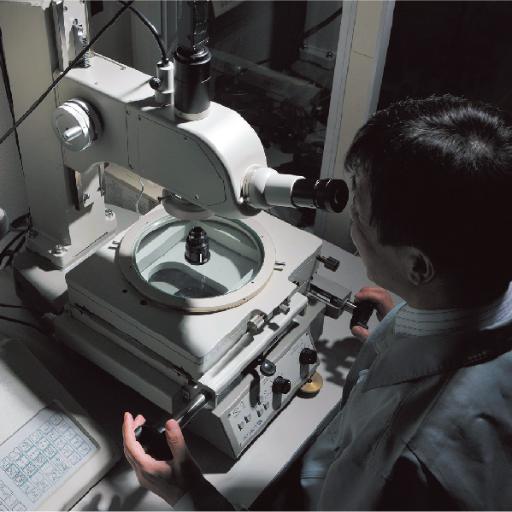
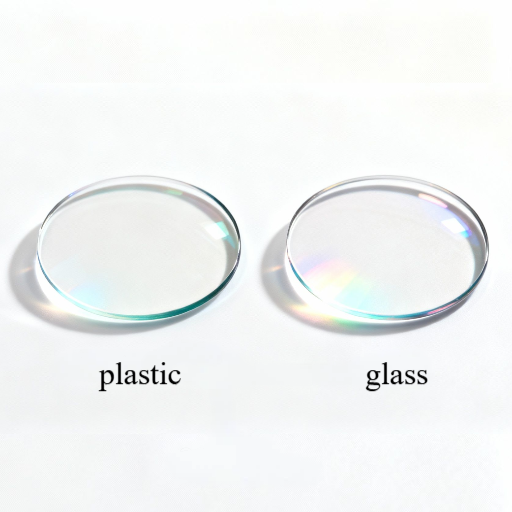
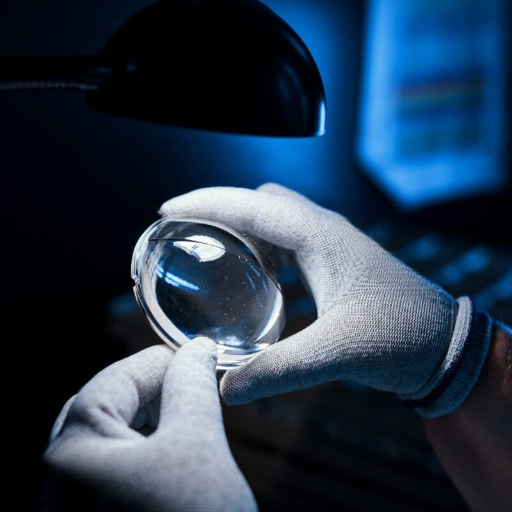
Optical glass has received an immense boost in its performance by reason of the most recent materials in the world. Incorporation of specialized glass formulations, such as low-dispersion or high-refractive-index glasses, happened to be the crucial event. They enhance image quality by at least getting rid of some form of chromatic aberration and markedly increasing light passing. The move to sustainability is, once again, through eco-friendly glass compositions, getting rid of harmful substances like lead and arsenic.
Innovations in the realms of manufacturing processes have also played a very defined role in perfecting the production of optical glasses. Now lauded for its recognition, the precision molding technology is capable of manufacturers producing complex-shaped lenses with high accuracies through means of a cost-effective. This has the advantage of what the producers call “less post-processing,” as the instrument maintains its optical performance as intended. The simultaneous progress in advanced coating techniques introduced the technology to apply the thin, durable coatings adding to scratch resistance and decreased glare.
One can say that an automatic and digital technology mix had brought a highly innovative scheme with a push for further efficiency and quality control. These processes in current manufacturing plants bear AI and machine learning support on what will work best in achieving high-quality output, with the best possible reductions in defects. With such attractions, it encourages producers to meet ever-dynamic market needs by producing, at efficient rates, high-quality optical glasses used in photography, telecommunications, and medical imaging.
Impact of Technology on Eyewear Functionality
The development of modern eyewear has made it possible to create glasses that provide matching performance to each person who wears them. The current smart glasses technology combines vision correction with digital connectivity through augmented reality (AR) displays and voice control and health monitoring functions. Blue light filtering and photochromic lenses represent advanced lens technologies that deliver improved comfort because they adapt to changing light conditions and decrease eye discomfort. The accessibility of 3D printing technology enables designers to produce personalized eyewear frames which offer wearers an exact fit. The development of modern eyewear technology has transformed glasses from basic vision correction tools into advanced devices that support both personal productivity and daily life activities.
| Innovation | Technology | Key Benefit |
|---|---|---|
| Smart Glasses | AR displays, voice control, health sensors | Digital connectivity & personal productivity |
| Blue Light Filtering | Advanced lens coatings | Reduced eye discomfort from screens |
| Photochromic Lenses | Adaptive light tinting | Comfort in changing light conditions |
| 3D-Printed Frames | Precision additive manufacturing | Exact custom fit for each wearer |
| Precision Molding | AI-assisted manufacturing | Complex lens shapes with minimal defects |
Emerging Applications in the Optical Glass Market
The optical glass market shows new applications which create changes in healthcare and technology and renewable energy sectors. The most important progress exists in the development of augmented reality (AR) and virtual reality (VR) devices. Advanced headsets use optical glass to provide better picture quality which improves user interaction experience in multiple fields including gaming and education and training simulations. Medical imaging methods depend on high-quality optical glass to achieve better accuracy during diagnosis and surgical procedure development.
The renewable energy industry uses this technology because it applies to solar power systems. Solar concentrators and photovoltaic modules use optical glasses which offer high transmission rates and strong durability to improve their energy efficiency. The telecommunications sector uses optical glass to manufacture fiber optics which enable fast internet and data transmission.
The rising use of optical glass across these different applications demonstrates how essential it is for developing new technologies. The market potential of the product will grow internationally because research and innovation will drive increasing demand across different industries.
Section 07
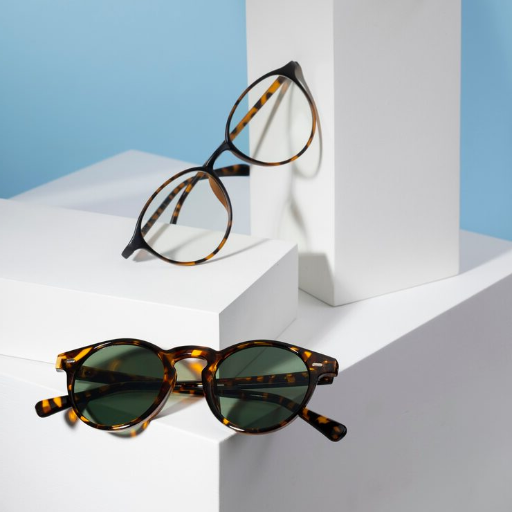
2026 Eyewear Trends: Styles and Designs
Section 08
Regional Analysis of Key Global Markets

| Region | Key Focus | Growth Driver |
|---|---|---|
| North America | Healthcare, telecom, AR/VR | R&D investment in fiber optics & display systems |
| Europe | Fashion design, sustainability | Eco-friendly materials & premium aesthetics |
| Asia-Pacific | Smart eyewear, affordability | Urban growth, middle-class demand & tech innovation |
Section 09
Optical Glass Solutions — Frequently Asked Questions
Section 10
Reference Sources
-
Stronger Glass Products: Expanded Horizons: This paper discusses advancements in glass products, including their applications in various industries and the reduction of subcritical flaw growth. Read the article here.
-
Packaging Glasses from Containers to Encapsulation: This study explores the composition, performance, and sustainability pathways in the container-glass sector, with insights into circular manufacturing. Access the study here.
-
Growth of Inorganic Glass in Smart Materials and Opto-Electronic Devices: This review highlights the role of inorganic glasses in opto-electronic devices and smart materials, providing a historical and industrial perspective. View the review here.
-
Exploring Glass Science and Technology through Enhanced SciGlass Database: This research focuses on the design and screening of glasses for specific properties, along with market-driven trends in the glass manufacturing industry. Explore the research here.
- Optical Glass Solutions