Get in Touch with Saiweiglass


Precision Glass Windows Manufacturing: The Future of Aluminum Doors and Windows

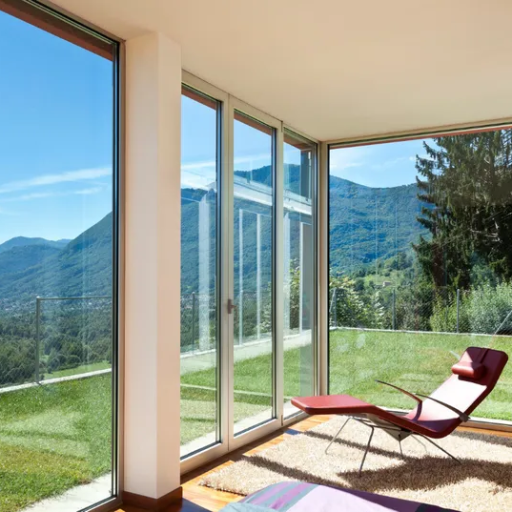
The architectural world is experiencing fast development because architectural designs that need to be sustainable and high-performing and visually appealing face increasing demand. The whole process of designing and producing aluminum doors and windows has changed because of the groundbreaking technology that produces precision glass windows. The blog demonstrates how the technological advancements create new industry standards which combine advanced technology with skilled artistry to fulfill contemporary requirements. Our investigation will show how precision glass technology creates future solutions for aluminum doors and windows which will benefit homeowners and architects and builders. Prepare yourself to learn about the latest trends and groundbreaking innovations which are transforming the construction and design industry through this emerging field. The upcoming section will demonstrate how this industry transformation impacts the sector by examining its effects on windowpane restoration.
Understanding Precision Glass
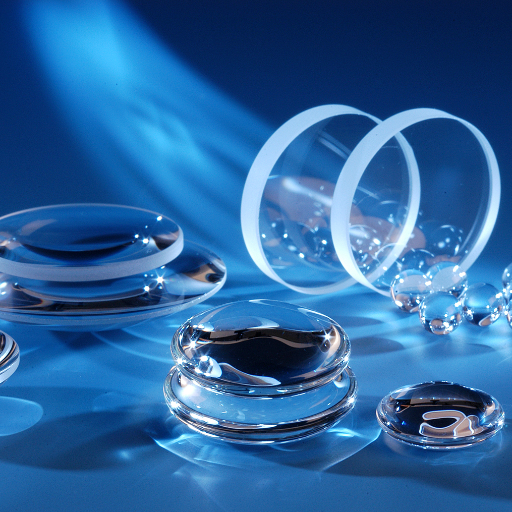
Precision glass refers to specially engineered glass designed to deliver superior performance in terms of strength, clarity, and energy efficiency. The product achieves precise dimensions through advanced manufacturing methods which create minimal defects while delivering increased strength for modern aluminum door and window applications. The glass product contains features such as low-emissivity coatings and insulating properties which help maintain indoor temperatures while decreasing energy usage. Precision glass stands out as a reliable and versatile choice for construction and design, offering both functionality and aesthetic appeal.
What is Precision Glass?
Precision glass is a type of advanced glass manufactured using cutting-edge technologies to achieve exceptional accuracy, strength, and performance. The product is developed to fulfill both industrial needs and design specifications which result in superior optical performance and extended product lifespan and dedicated protective coatings. Recent data shows that precision glass is extensively used in architectural and automotive and electronic and medical device applications because it maintains precise measurements and operational capabilities in extreme usage situations. The combination of low-emissivity coatings and insulation features in the product enhances energy efficiency which makes it a preferred material for environmentally friendly and modern building projects.
Key Characteristics of Precision Glass
Exceptional Optical Clarity
Precision glass has achieved a well-deserved reputation for its outstanding transparency and minimal distortion, which make it a material for all applications where ample light is much desired, e.g., smartphone and camera displays, and medical imaging equipment.
Temperature and Chemical Resistance
An impressively constituted precision glass can take hot weather and can count as an essential element in most cases where toughness is a must, like the laboratory environment and the machinery sector.
Customized Coatings
Advanced coatings enable precision glass to perform at its optimum level. The anti-reflective and low-emissivity coatings minimize reflections on the glass, enhance energy efficiency, and protect against harmful UV radiations.
Dimensional Accuracy
The tightest tolerances are maintained in the manufacture of precision glass; hence it’s applicable to various industries-wide applications such as semiconductor production and high-precision optical instruments.
How Precision Glass Differs from Standard Glass
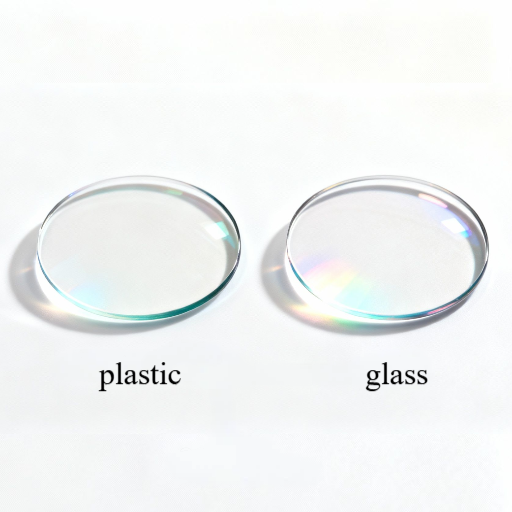
The production processes and properties are significantly different when standard glass is compared to precision glass since the latter is made with special instructions for particular applications. This would imply that precision glasses would be rather expensive for commercial technologies. Special features are also developed in the material, which would make it suitable for the most demanding technical applications, which would require precision and reliability.
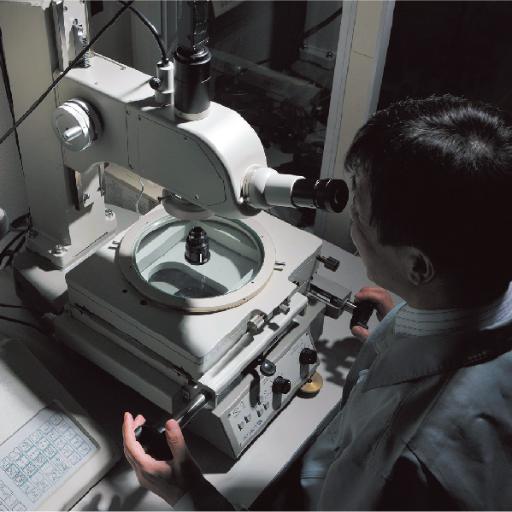
Material composition and, more importantly, quality controls, naturally, are the additional difference. Precision glass is manufactured with an intricate combination of procedures so that everything created meets very stringent requirements in uniformity and perfection. This attention to detail guarantees that the product has absolutely superb optical performance, minimal surface defects or blemishes, and higher resistance to stress, scratching, and so forth. On the other hand, standard glass is usually produced with an emphasis on cost reduction to allow more affordable basic practicality, thus making it less useful for any demanding applications.
Applications really underscore the differences between these two glass types. On average, precision glasses are applied to rigid glasses where particular optical features and functionality are required. Standard grade glass, on the other hand, is established for use in disciplines where requirements are not stringent, and are usually reserved for common products such as windows, bottles, and the like. Herein, as we see the competitive edges of engineering glasses lend themselves toward speciality glass in contrast to the applicable power of standard glass.
| Attribute | Precision Glass | Standard Glass |
|---|---|---|
| Manufacturing Process | Cutting-edge, high-precision methods with stringent quality controls | Cost-reduction focused, basic practicality |
| Optical Performance | Superior clarity, minimal surface defects | Acceptable for general use |
| Stress & Scratch Resistance | High — engineered for demanding environments | Moderate — suited for everyday use |
| Special Coatings | Low-E, anti-reflective, UV-protective options | Minimal or none |
| Typical Applications | Semiconductors, optics, medical devices, architecture | Common windows, bottles, general-purpose products |
Applications of Precision Glass Windows
Benefits of Precision Glass Windows

-
Durability and Versatility
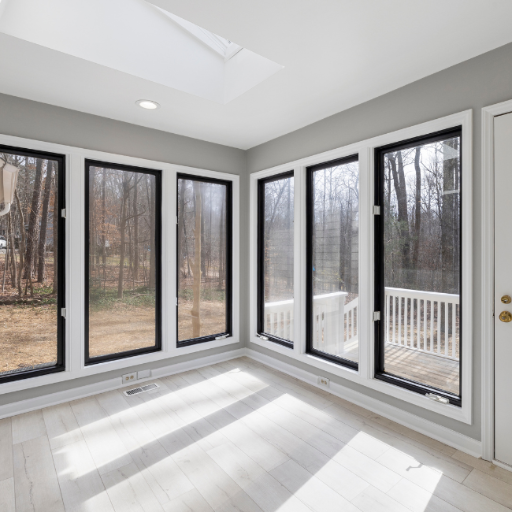
Precision glass windows possess durability and versatility to a high extent and thus, are widely used in demand. This is because these are usually resistant either to scratch and/or impact and are able to endure harsh environments including high/low temperatures. This characteristic assures the user’s precision glass even in tough conditions due to their longevity.
Each precision glass window can be tailored to suit a specific functional need within the range of applications. These solutions, for instance, may vary from simple transparency or projection of certain colors to the modification of the settings including reinforcement or discharging performed by glass. As such, the precision glass is engaged in numerous applications since the construction of buildings or electronics needs custom designs most of the time.
In addition, precision glass windows are ideal because of their high resistance to chemicals and therefore used in numerous science and industry settings. They are able to withstand various chemicals without degradation and/or deterioration and thus, their value is maintained and/or retained over time. This also highlights the reason why precision glass windows are steadily and increasingly required in many areas globally — their effectiveness and transformability.
-
Energy Efficiency and Cost-Effectiveness
There is a significant impact on energy efficiency with precision glass windows that reduce the heat transfer; the need for heating or cooling will be less. Precision glass have applied some coatings on the surface, especially Low-E coating, since this reflects bright light and only allows visible solar radiation into the building to bask on surfaces helping indoor temperature not to rise. On the other hand, within a given depth; for the selected Glass, say including windows in an ordinary house, 25% to 30% of the heating energy can actually remain unspent according to the U.S. Department of Energy are precision windows.
Besides, precision glass windows have been engineered to be very tough thus the repairs and replacements are less costly in the long run. Also, any of these precision glass windows contribute other measures of sustainability. As in optimizing glass windows consumption, heating and cooling of buildings or offices is adjusted efficiently, therefore every percent of energy usage is paid for by the precious global environment. While windows were strictly designed for saving only energy, they do come in handy too in residential, commercial and industrial buildings with good advantage of cost saving too.
-
Customization Options Available
One of the primary benefits of using precision glass windows is their versatility and the possibility of modification according to the existing demand. Both households and commercial installations can opt for numerous coatings, tint and combinations for aesthetics and functional purposes. Low-emissivity (Low-E) coatings have been used for years because they increase the energy efficiency levels, for example; tinted windows are used to improve privacy and block heat from coming into a building. Using more advanced variants of smart glass enable a dynamic change in the setting: from clear to opaque, suitable light controls and privacy at various times throughout the day. Besides, the presence of these available alternatives makes the structures more suitable than ever compelling a building to have unique built-in precision glass windows that fit perfectly in the latest architect designs and eco-friendly buildings.
Installation and Maintenance

Professional Installation Services
It is advisable to call a technician who has had sufficient practice in the installation of precision glass windows for systems approach and durable solutions. Professional specialists will evaluate the area to be fitted with the windows eliminating errors during the measuring and fitting processes. These use and trained people will pack up their equipment and transport to you well prepared to install the new windows without damaging them. This know-how helps in the preservation of the quality of the windows, improvements in the heat loss, and ability to use windows as intended. Most importantly, professional installation also provides the added benefit of including an installation guarantee in most cases.
Maintenance Tips for Longevity
1
Delivering Regular Maintenance
Wiping with soft clothing using glass-cleaning fluid should be part of the monthly schedule of cleaning. Any products that include harsh chemicals that are a threat of damaging the windows or frames should be excluded from use.
2
Monitor Seals Regularly
While the individual or a handyman is engaged in working on the windows, the window’s seal should be included in the job — attention should be provided to detect cracking or bumps on the seal. All the more so damaged window seals should be changed as soon as the damage is noticed within the house thus allowing proper aeration in the house.
3
Movable Parts Should Be Greased
Windows having mechanical moving parts should be lubricated at some point to promote the easy operation of the sliding tracks or hinges, reduce the wear and tear of such parts due to rust and general corrosion.
4
Avoid Hitting the Glass
Do not put anything heavy near the glass or likely to hit the glass. Let children and pets conduct themselves properly around windows so as to avoid any damage.
5
Check if There is Any Mist Between the Panes
Mist inside the double panes of glass could be a sign of leakage more often than not. In such cases, take the poor quality windows with you and precision glass windows repair will find a solution.
Common Installation Challenges and Solutions
Thus, little preparation coupled with due attention to detail would overcome any specific constraints posed toward the installation of truly precision glass windows.
| Challenge | Problem | Solution |
|---|---|---|
| Bowed Frames | Bowing in the frame will mean that the windows simply do not seat correctly in their frames, resulting in gaps or drafts. | Level the frame properly during installation. Alter the shims and screws until the frame is evenly fixed. |
| Incorrect Measurements | An inaccurate measurement of the windows can simply mean that the windows will not fit the opening. | Measure the window openings, and then double-check them against the manufacturer’s window specs before installation. |
| Imperfect Sealant | A not-so-neatly applied groove sealant can give way to air and water seepage. | Go round the exterior of the window using sealant for a perfect fit of the same. |
| Frame Compatibility | Fitting new windows on old or damaged frames can cause instability. | Check the condition of the existing frames to repair or replace, as applicable, before starting an installation operation. |
Technological Advancements in Precision Glass

Technological Advancements in Precision Glass
Innovations Driving the Industry Forward
Precision glass has witnessed quite a transformation in the field, particularly due to improvements realized in service, durability, and a multiplicity of uses. With cutting-edge implementation of smart glass, capable of changing its level of transparency according to light or temperature, completely new ways of addressing energy efficiency and privacy control have been introduced. Naturally, the application into electronics and displays has been enlarged by the thin and flexible flexible-glass counterpart, offering more design opportunities. State-of-the-art high-strength glasses, such as chemically tempered options, provide new safety and higher resilience for architecture and industrial use. They allow precision glass to march toward the future as it adapts to the needs of various industries.
Smart Glass Technologies
The concept of smart glass technology defines constructive attributes to change the inherent properties of glass such as transparency with respect to any external stimulus, such as light, electrical charge, or heat. It allows the glass to improve to a more capable and user-controlled state, an array of generally ambient parameters such as temperature, illumination, or smart control. Applications for smart glass include building windows, automotive glass, and electronic displays.
Electrochromic Glass
Changes its transparency when electrically excited, allowing users to modulate the sun’s light and heat energy to create energy-saving and comfortable internal environments.
Photochromic Glass
Self-tints by switching opacity according to the sun’s rays, providing a convenient, passive means of managing light stamina and confidentiality.
Smart glass appears to be one of the disruptive technologies among dynamic displays and advanced user interfaces. The smart glass can switch between an opaque state and a state of translucence enabling futuristic applications like privacy partitions, interactive displays, or augmented reality. The market’s move to sustainable and responsive solutions is underlined by the importance of the research that is being conducted with regard to smart glass technology. Smart glass technologies are becoming with symbolic-laden talk of changing architecture, public transit on the go, and possibly beyond.
Future Trends in Glass Manufacturing
◆
Smart & Energy-Efficient Glazing
Smart glass and energy-efficient glazing delivering better thermal insulation along with light control are incorporated into the initiative of promoting green buildings.
◆
Nanotechnology Integration
Nanomaterials are contributing to glass that exceeds human limitations in flexibility, strength, and function to power applications in electronics, solar panels, and medical devices.
◆
Eco-Friendly Production
Consumer demand for recycling and eco-friendly production processes is driving a noticeable movement to reduce environmental impact while paving the way for circular economies.
◆
AI-Driven Automation
Installation of automated systems and artificial intelligence seamlessly synchronizes operations, upscales precision, and saves costs — driving the glass industry toward innovative, sustainable solutions.
Reference Sources
-
Precision Glass Molding: Toward an Optimal Fabrication of Optical Lenses
This paper discusses precision glass molding processes and their applications in producing precise and complex micro-optics. -
Technologies for Precision Manufacture of Current and Future Windows and Domes
Explores advanced technologies for manufacturing precision windows, focusing on metrology and production challenges. -
Precision Glass Molding: Cost-Efficient Production of Glass Optics
Highlights the replicative manufacturing technology of precision glass molding for cost-efficient production of glass optics.