Get in Touch with Saiweiglass


Industrial HMI Display Glass: Exploring Touch Screen Technology for Modern Applications

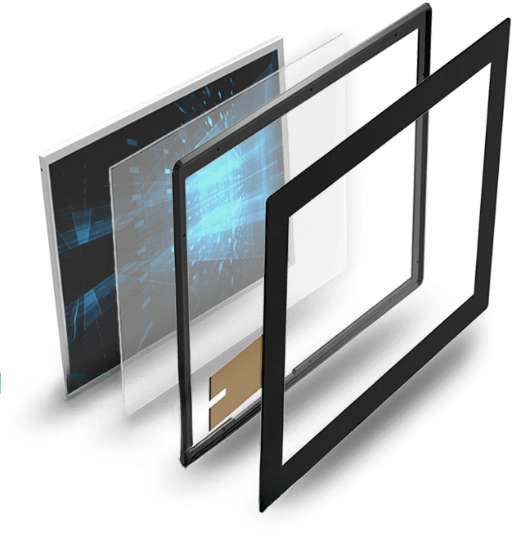
Human-Machine Interface (HMI) technology has become a vital element of current industrial operations because it enables operators to manage intricate machinery systems. The main driver of this transformation is industrial HMI display glass which provides durable and dependable performance through its advanced touch screen technology. Tough displays offer users straightforward interactive systems which help them work more efficiently in demanding situations. This article investigates the groundbreaking touch screen system which drives industrial HMI displays and explains their unique attributes that establish their identity in the field and demonstrates their ability to transform multiple industrial applications. The guide provides information about upcoming HMI systems while explaining their present HMI systems to users who need to update their existing systems.
Understanding HMI and Industrial Touch Technology
Understanding HMI and Industrial Touch Technology
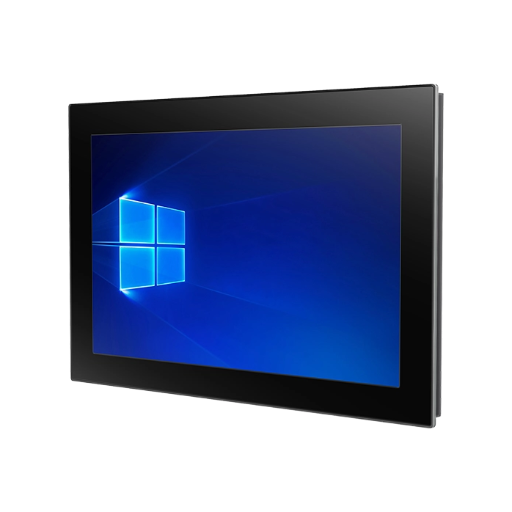
The Human-Machine Interface (HMI) system enables operators to control machines through its interactive user-friendly interface. Industrial touch technology serves as a fundamental element of contemporary HMIs which operate in demanding environments while providing users with simple control methods. The touchscreens utilize capacitive or resistive touch technology to deliver both durability and accurate performance. The HMI system combines durable design elements with sophisticated operational capabilities to optimize industrial processes while enhancing accuracy and user satisfaction.
What is HMI and its Importance in Industrial Applications?
The Human-Machine Interface (HMI) functions as a device which enables humans to interact with machines for the purpose of controlling industrial processes while monitoring and managing those processes. The HMI system enables operators to communicate with automated systems through visual displays and touchscreens and control panels which display information to operators while they send commands. The system enables users to understand complicated tasks through data displays which present information in a clear way, which becomes essential when users need to achieve exact results and high performance.
The importance of HMI in industrial applications lies in its ability to enhance operational effectiveness and safety. The system enables operators to track system performance through real-time data and control interfaces, which helps them find faults and conduct corrections without delay. The system provides instant information access which reduces operational interruptions and stops mistakes while boosting work efficiency. The system includes controls which operators can use without facing difficulties based on their knowledge of technology.
The HMI system provides industrial ecosystems with its essential function which enables different systems to connect and work together. Modern HMI systems include networking functions that enable different systems and devices to communicate with one another. The integration process enables data analysis and predictive maintenance and remote monitoring, which helps industrial operations become more flexible and cost-effective. The HMI system functions as a vital element for numerous industries which seek to implement both automation and innovative technologies.
The Role of Touch Screens in Human-Machine Interfaces
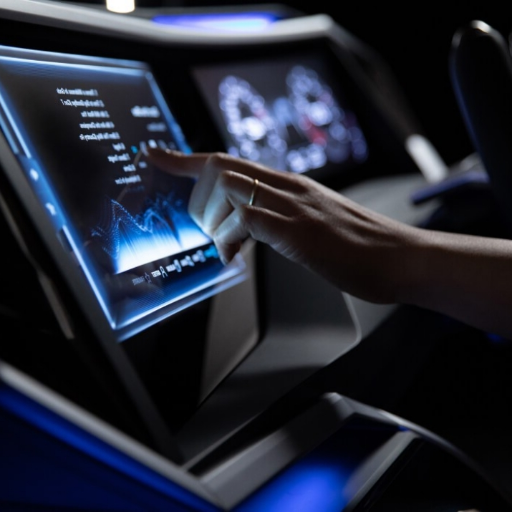
Touch screens serve as essential components for Human Machine Interfaces of contemporary devices because they enable users to interact with technology through a straightforward touch-based system. The systems use touch-sensitive technology to transform complicated tasks into simple operations which users can learn to perform without extensive training. Touch screens have become standard equipment in Human Machine Interfaces across manufacturing, healthcare, and transportation industries because they provide efficient and user-friendly solutions. The system provides operators with essential information through its multi-touch gesture capabilities, high-resolution display technology, and quick-response interface design. The combination of touch screens with advanced software capabilities allows users to create customized solutions that match their particular requirements and work environments. This versatility serves as a central reason why the technology functions as a fundamental instrument which enhances both automated processes and efficient operations in industrial environments.
Types of Touch Displays: Capacitive vs. Resistive
Capacitive and resistive touch displays are the two primary types, differing in design, operation, and usability.
| Parameter | Capacitive | Resistive |
|---|---|---|
| Sensing Method | Electrical | Pressure |
| Accuracy | High | Moderate |
| Durability | Moderate | High |
| Multi-Touch | Yes | Limited |
| Clarity | Excellent | Good |
| Cost | Higher | Lower |
| Input Method | Finger | Any Object |
| Environment | Indoors | Any |
| Sensitivity | High | Moderate |
| Maintenance | Low | High |
Components of Industrial HMI Display
Overview of Industrial Panel PCs
Industrial Panel PCs serve as vital computing systems which maintain operational function under extreme industrial environment conditions. The ruggedized devices combine a touchscreen display with computing power to provide users with efficient operational control across manufacturing operations and automation work and other industrial functions. The equipment maintains its operational performance because it can withstand extreme temperature fluctuations and strong vibration forces and dust contact.
The product features strong construction materials which users can tailor to their specific needs while achieving energy-saving operational results. The system serves users through two primary functions which involve machine monitoring and control and direct human interaction with machines to boost productivity operations. The system provides multiple operating system and connectivity options which enable seamless integration with existing industrial systems to meet various industrial requirements. Industrial Panel PCs function as flexible data acquisition systems and process visualization tools which deliver accurate results and dependable operation.
🌡
Extreme Temperature
Withstands extreme thermal fluctuations in industrial environments
🔩
Vibration Resistant
Maintains performance under strong vibration forces
🛡
Dust Protected
Full dust contact protection for reliable long-term operation
Functionality of Touch Panels in HMI
The Human-Machine Interfaces (HMI) of modern systems depend on touch panels which create user-friendly interfaces that work well for machine operators. Through direct touch gestures users can operate the system because the interface eliminates the requirement for physical buttons and keyboards. Touch panels use advanced technologies that include capacitive and resistive touch sensors to deliver accurate results while maintaining quick response times under tough industrial conditions. The system supports multi-touch technology which enables users to perform pinch-to-zoom and swipe gestures for better system operation.
According to recent insights, industries increasingly favor touch panels for their ease of integration with IoT systems and real-time data processing capabilities. Operators use these panels to track machine operation and make system changes while solving problems which helps them work faster and reduce equipment downtime. Touch panels combine their user-friendly design with their sturdy construction to deliver durability under extreme environmental conditions which include high temperatures and dust and moisture exposure. The solution functions as an essential element which drives HMI solution development for different industrial applications.
Importance of Cover Glass in HMI Displays
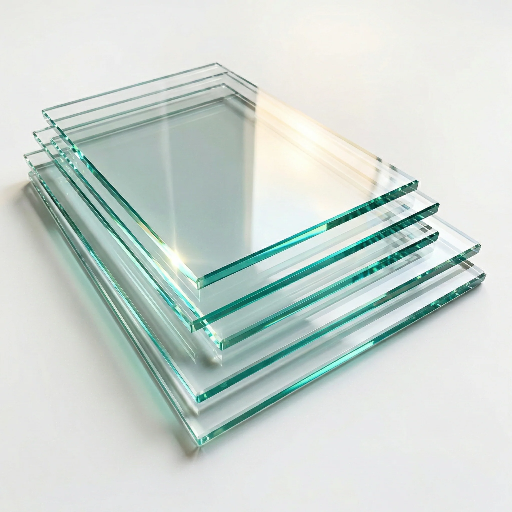
The main function of cover glass is to protect Human-Machine Interface displays while making them more durable. The system functions as a shield which protects touchscreens and displays from physical attacks which include scratches and impacts and natural degradation. Chemically strengthened glass and other current cover glass materials deliver better protection against breaks while keeping their optical properties intact which allows users to interact with the product without interruption.
The use of cover glass leads to better sight and operational efficiency in different working conditions. The Anti-reflective and anti-glare coatings work to reduce light interference which results in better display readability during sunny weather and intense lighting situations. This requirement becomes more critical for industries such as automotive and manufacturing and aviation which depend on accurate data display.
Industrial applications now benefit from improvements in cover glass technology which bring thermal protection and chemical protection and optimized touchscreen sensitivity to their operation. Industries now prefer products which offer sturdy construction and advanced features that help extend display life while improving performance. The development of automation and Human-Machine Interface systems needs high-quality cover glass products because they can handle the technological requirements of contemporary systems.
Key Features of Industrial HMI Display Glass
10-Point Touch Technology Explained
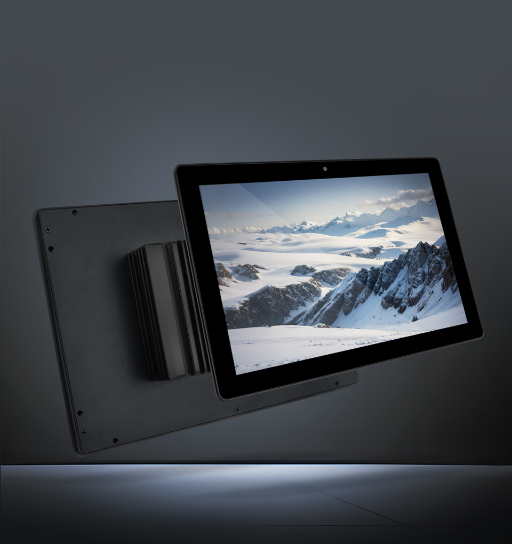
10-point touch technology allows a touchscreen to recognize and respond to the placement of up to ten fingers simultaneously. The advanced multi-touch capability enables users to perform multiple touch actions which include pinch-to-zoom and rotation and complex gestures to achieve accurate and natural user movements. The technology enables professional users to use precise input control throughout the screen because it tracks each touch point as an individual element which works in industrial HMI systems and gaming and design software and collaborative tools. The product maintains its dependable performance throughout different environments because its advanced design delivers both high sensitivity and long-lasting durability which businesses need to achieve their operational goals.
10 Touch Points
Up to 10
Simultaneous touch recognition points
Enables pinch-to-zoom, rotation, and complex multi-touch gestures with precise individual point tracking.
Benefits of Dual 4K HDMI in Industrial Displays
- 1
Enhanced Visual Clarity
The Dual 4K HDMI system delivers ultra-high-definition resolution which produces sharp and detailed images that industrial users need for their monitoring and analysis work.
- 2
Improved Productivity
The ability to connect and show two 4K screens at once allows users to handle multiple tasks more effectively while they manage their work activities.
- 3
Advanced Compatibility
The system supports Dual HDMI inputs which enable users to connect multiple devices through their system including cameras and sensors and computers.
- 4
Real-Time Data Visualization
The system displays live operational data through high-quality graphics which help users make fast decisions and manage their operations more effectively.
- 5
Future-Ready Technology
Dual 4K HDMI technology enables industrial organizations to meet their future requirements while protecting their investments through extended product lifecycle.
The Significance of Aluminum Alloy Cases for Durability
The protective cases constructed from aluminum alloys enhance industrial HMI display glass durability because they provide essential protection for display glass against physical impacts and abrasive materials and environmental stress. The industrial environment requires this structural integrity because equipment needs to operate under extreme vibration conditions while facing dust and moisture hazards and possible accidental impacts.
Aluminum alloy provides exceptional corrosion resistance as one of its main advantages. The aluminum alloys maintain their full strength and protective properties against harsh industrial conditions which would damage other materials. The HMI display glass maintains its secure state because this system provides protective measures which enable extended use without needing replacement or maintenance. The design improves internal component protection through its thermal conductivity which prevents component overheating while maintaining device stability.
The aluminum alloy cases provide HMI systems with enhanced reliability through extended operational periods. The housing solution protects display glass and its sensitive components from damage during demanding operational conditions. The system enhances equipment performance while maintaining industrial safety measures and operational cost reduction. The protective qualities of aluminum alloy cases together with their strength and resilience make them essential for protecting HMI display glass in industrial environments.
🛡
Corrosion Resistance
Maintains strength and protective properties against harsh conditions
🌡
Thermal Conductivity
Prevents component overheating while maintaining device stability
⚡
Impact Protection
Shields display glass from physical impacts and abrasive materials
Customization Options for Industrial HMI Displays

Customization Options for Industrial HMI Displays
Tailoring Touch Panels for Specific Applications
The touch panel glass design process for different industry applications requires customization as the key factor which determines both performance quality and material strength. The glass manufacturing process requires manufacturers to evaluate three main factors which include environmental conditions and usage frequency and application-specific requirements for operational needs. The touch panels that operate in outdoor environments need anti-glare coatings which enhance their performance during direct sunlight contact. The high-moisture and chemical-intensive applications used in certain industries require organizations to implement chemically strengthened glass and hydrophobic coatings which provide essential protection for their equipment.
Recent search trends demonstrate that industries now emphasize three specific features which include scratch resistance and high transmission clarity and anti-fingerprint properties for HMI touch screens. The combination of enhanced surface treatments with advanced technology integration enables users to create solutions which function effectively in medical environments and manufacturing operations and public kiosk systems. Touch panel glass design achieves operational success through the combination of current technological developments and user experience design needs.
Priority 01
Scratch Resistance
Enhanced surface treatments that maintain clarity and structural integrity under demanding industrial contact
Priority 02
High Transmission Clarity
Optical-grade glass solutions that preserve maximum light transmission for precise data visualization
Priority 03
Anti-Fingerprint Properties
AF coating technologies that reduce smudging and simplify cleaning while maintaining touch accuracy
Cover Glass Selection and Its Impact on Performance
The selection of display glass for industrial HMI (Human-Machine Interface) applications through its display glass selection process determines both the operational capacity of the system and its ability to withstand extreme conditions. The industrial environment needs glass components which maintain operational performance under conditions of high temperatures and mechanical vibrations and moisture and chemical exposure. The specific use cases require optical clarity and anti-glare features and surface hardness and touch sensitivity to achieve their best operational results.
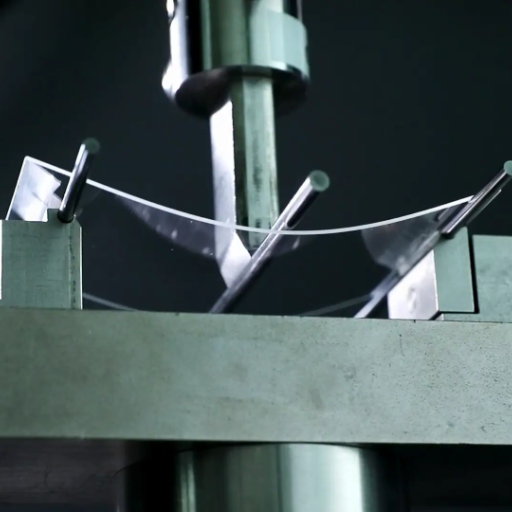
The main decision points involve selecting between different glass strengthening techniques which include chemical and thermal glass tempering methods to boost product protection against physical damage. The use of anti-reflective (AR) and anti-fingerprint (AF) coatings enables better visibility and simpler cleaning processes while maintaining operational reliability in outdoor and industrial environments. The implementation of projected capacitive (PCAP) technology improves touch sensitivity which allows users to interact with the system even when they wear gloves or work in moist conditions.
The process of choosing industrial HMI display glass requires finding the right combination between mechanical strength and optical performance and environmental resistance to fulfill operational needs. The right glass selection improves system durability while decreasing maintenance expenses and providing users with an uninterrupted experience throughout different industrial fields which include manufacturing and energy and medical industries.
Glass Substrates: Material Choices for Enhanced Functionality
The selection process for glass substrates used in industrial Human-Machine Interface displays requires knowledge of material options because this knowledge helps achieve better display performance. The three most widely used glass substrate materials are soda-lime glass and aluminosilicate glass and borosilicate glass which provide different benefits to various application needs.
| Glass Type | Key Advantage | Best For |
|---|---|---|
| Soda-Lime Glass | Economical with clear optical properties and sufficient structural strength | Standard cost-effective applications |
| Aluminosilicate Glass | Better resistance to scratches and impacts — superior durability | High-impact demanding environments |
| Borosilicate Glass | Outstanding thermal and chemical resistance | Extreme temperature and chemical environments |
The advanced treatments which include chemical strengthening and anti-glare coatings provide additional benefits to these substrates because they enable the materials to fulfill requirements of industrial spaces with high wear demands. Businesses that need glass substrates for their HMI designs can make better integration choices by assessing operational requirements and selecting essential characteristics such as durability and toughness and environmental protection.
The industrial applications of this comprehensive method which combines current durability trends with modern functional capabilities will deliver optimal performance results while extending equipment life and increasing user contentment.
Market Trends and Future Innovations in HMI Technology
Market Trends and Future Innovations in HMI Technology
Emerging Trends in Industrial Touch Solutions
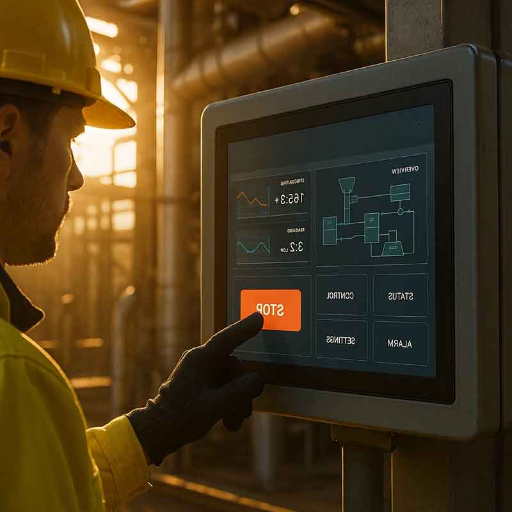
The industrial HMI sector is witnessing major progress through the development of touch display glass technology. The use of chemically strengthened glass has become a major trend because this material provides better protection against impacts while extending product lifespan in highly demanding operational conditions. Additionally, there is increasing demand for anti-glare and anti-smudge coatings, which provide better visibility and usability functions in tough industrial environments. Capacitive touch technology remains the leading solution because it delivers exceptional touch sensitivity and enables users to make multiple touch inputs, while its advanced haptic feedback technology improves user interactions. The industry demonstrates its dedication to producing strong and practical products through user-friendly designs that meet current market requirements.
Future Trends in Industrial HMI Displays
The upcoming industrial HMI display glass technology will experience major progress because both technological changes and industry requirements will drive development. The current market trend uses advanced glass materials which combine high strength properties with chemical resistance to support industrial operations while delivering improved touch performance and visual clarity. The anti-glare and anti-smudge coatings have become essential elements which help users maintain visibility during their work in challenging environments.
The development of IoT-enabled smart glass technology will create interactive content delivery systems which display information in real-time. The glass displays will use augmented reality (AR) overlays to provide operators with relevant information that helps them perform their complex tasks. The production of HMI display glass now requires sustainable practices which promote the use of recyclable materials and energy-saving designs.
Future Development Roadmap
📡
Smart Glass Technology
IoT-enabled interactive content delivery with real-time data display
🥽
Augmented Reality Overlays
AR-powered displays providing contextual operator guidance for complex tasks
♻
Sustainable Practices
Recyclable materials and energy-saving designs driving eco-conscious manufacturing
Future developments indicate that HMI display glass will achieve its enduring value through its combination of robust construction and operational capabilities and intelligent technologies which provide smart functionalities.
Frequently Asked Questions (FAQs)
Q: How does an industrial panel PC touchscreen differ from consumer touchscreens?
The touchscreen technology used in industrial panel PC touchscreen systems differs from standard consumer touchscreens. Industrial panel PC touchscreen solutions are built for diverse industrial applications and rugged environments, so they often use hardened glass panels, optical bonding, and stronger screen protectors compared with consumer devices. The equipment meets industrial standards through its IP65 protection against dust and water and its IK10 rating for impact protection while enabling operation across a wider temperature range and providing extended durability on industrial control panels. The product line features LCD panels that include pcap touch and resistive touchscreen options which support both 10-point multi-touch and glove-friendly operation.
Q: What advantages does optical bonding provide for HMI touch screen glass surfaces?
Optical bonding uses an optically clear adhesive to bond the LCD panel to the glass surface to decrease internal reflections which results in better contrast and improved sunlight readability that industrial sites and outdoor handheld devices require. The bonding process enhances mechanical strength while it also boosts thermal performance under extreme heat conditions. This process is common for touchscreen monitors and industrial panel PCs intended for specific industrial equipment and harsh conditions.
Q: Can touchscreen human machine interface units be used in high-temperature industrial environments?
Yes, many HMI touch screen units and industrial panel PC designs are rated for high-temperature operation because they can function within extensive temperature ranges. Manufacturers choose LCD panels and AG glass (anti-glare) glass types and electronic components which can endure extreme temperature conditions. The IP rating and temperature ranges and industrial standards must be checked to determine if the unit meets your industrial site and equipment requirements.
Q: How do I select the correct LCD panel together with the appropriate glass panel for my industrial control panel needs?
Select an LCD panel based on brightness and viewing angle and temperature tolerance requirements for your industrial sites. The choice of glass panel should be made between anti-glare glass AG glass which helps to reduce reflections and clear hardened glass which provides maximum visual clarity. Optical bonding and optically clear adhesive should be used to enhance both readability and shock resistance. The system needs to verify compatibility with resistive and PCAP touchscreen types and the industrial equipment’s required IP rating.
Q: Can industrial HMI touch screen units be customized for multiple industrial applications?
Manufacturers of industrial equipment provide customization options which include different LCD display sizes and various touchscreen technologies and different treatments for glass surfaces and optical bonding and custom enclosures which meet specific IP and IK rating requirements and dedicated interfaces for industrial control panels. Custom units can be used in handheld devices and rack-mounted touchscreen monitors and industrial panel PC solutions which support various industrial applications and regulatory standards.
Reference Sources
-
HMI, the Window to the Manufacturing and Process Industry: This paper discusses the role of HMI displays in industrial applications, including their customization and control functions. Access the study here.
-
Information Design for Small Screens: Toward Smart Glass Use in Guidance for Industrial Maintenance: This study explores the use of smart glasses and small-screen devices in industrial maintenance, focusing on display functionality. View the paper here.
-
A Methodology for the Systematic Selection of Human-Machine Interface Device Types in Production Machinery Development: This paper provides an overview of HMI device types, including AR glasses, and their applications in industrial settings. Access the study here.
-
Designing Interactive Glazing Through an Engineering Psychology Approach: This research examines augmented reality and active glazing in HMI, highlighting trends in industrial applications. Read the article here.
- Custom Cover Glass