Get in Touch with Saiweiglass


Custom Glass Cost Factors: Understanding Glass Prices and Custom Solutions

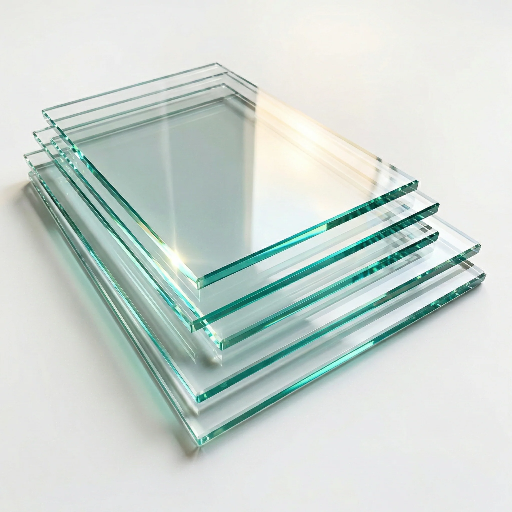
Knowing the custom glass cost factors is crucial for decision making purposes. A mind blowing centerpiece can be designed for the house, commercial setup can be renovated with glass for aesthetic purposes, or even the right kind of glass suitable for a given utility does look expensive unnecessarily. There are quite a lot of standards governing the cost insofar as the materials used, the production process and designs, and other factors as installation are concerned. Such are the basic aspects of custom glass costs that will be considered in this post to enlighten the reader on ways of organizing the desired order within the given budget. Our explanations will range from concise guidelines to the trends and nuances of custom glass systems, enabling you to make very clear choices even for yourself.
01
Introduction to Custom Glass

Custom glass is altered glass meant to be given an individual design, shape, or function. Unlike standard glass, custom glass is fully adjustable, allowing it to manifest original looks, the exact sizes, or various properties like additional strength or energy efficiency. Custom glass finds its application in residential and commercial interiors as well as architecture allowing aesthetic and utility properties. Custom glass solutions are being created to fill the desired taste and fulfill the other requirements, and are likely to be the best adaptation in a particular project concerning tailored glass.
What is Custom Glass?
Custom glass refers to the glass products which are fabricated, designed, and polished to meet the specific demands of one of a kind projects. Unlike standard glass, custom glass can be created in many different sizes, shapes, textures, and finishes, making it beneficial for many uses in museums, commercial establishments, and factories. Used for windowpanes, doors, partitions, furniture among other specialty work, it helps create a specific aesthetic, serve a particular functional aspect, or conform to a given performance need, like an increase in security, energy preservation, or soundproofing. Advances in technology have made custom glass very attractive with features such as smart tinting, UV protection, and impact resistance, making it all the more workable and acceptable.
Benefits of Choosing Custom Glass
01
Personal Customization
Custom glass, for example, facilitates scores of unique design applications and processes that allow individuals to flourish on bespoke aesthetics accompanying their spaces and tastes.
02
Functionality Enhancement
Be it energy-efficient glass, soundproofing glass, or any number of other virtues of custom glass, everything is tailor-made in accord with practical needs.
03
Safety Fortification
Custom safety glass, whether tempered or laminated glass, provides added strength and resilience that assure homeowners and those in the commercial sectors of enhanced safety.
04
Introducing Modern Technology
In-built features, such as smart tinting and UV protection, include a host of advantages such as easy and functional capability in custom glass.
05
Versatility
Custom glass can take on innumerable shapes, sizes, and finishing, suitable for various applications from wall decoration to any structural attributes.
Common Applications of Custom Glass
-
Interior Design: High-end glass holding for such applications as glass partitions in counters and so on, thus in terms of design, feel, and practicality and functionality, it is made to turn out spectacular.
-
Windows and Doors: Custom design glass provides a host of potential applications depending on glaziers to enhance window coverings and door fittings.
-
Shower Enclosures: Custom glass shower enclosures make a trendy design that remains beautiful along with a minimalist look and the toughness of easy upkeep.
-
Architectural Features: Glass can be made into numerous architectural elements such as staircases, balustrades, skylights, etc., essentially enhancing any architectural design or style.
-
Signage and Branding: Commercial spaces commonly utilize custom glass, much in this sense, for signage and logo display, seeking that perfect, stringent, and classic presentation.
02
Factors Affecting Glass Prices

Understanding Glass Types and Their Costs
The price of glass depends upon the type and specifics of the glass itself.
| Glass Type | Description & Cost Profile |
|---|---|
| Float | The simplest type of glass — one that is used across the width and breadth of the construction and automobile industry. All in all, float glass is flat, clear, and available in abundance. |
| Tempered | The cost of glass rests upon its strength and safety features. Hardened glass from or by normal glass precedes the question of its price. It costs more than float glass, yet ordinary tempered glass can be found in almost every store. |
| Laminated | Layers of glass are bonded with a plastic layer inside the dual-clad structure of laminated glass. Laminated glass is more expensive than ordinary double-glazed ones because of its various characters. |
| Low-E | These types of glass are meant to serve the purpose of saving energy by regulating the temperatures of the inner portion, thus energy can be saved in the long run. High-quality Low-E is likely to charge heavily for its better-performance optics. |
| Decorative | Glass adorned with personal designs, colors, or acid-etched elements comes at a price, with the complexity of the design marking its degree. |
The kind of glass chosen for the final needs affects the cost greatly. When deciding on a particular type of glass, the function, durability, and price tag are vital to keep in balance.
Durability and Its Role in Cost
The point where longevity meets durability is when the cost of the glass is determined, and this directly impacts the performance and longevity of the glass. A more durable glass will receive more treatments and will be more complex in terms of its conversion process working strength and scratch protection. For example, tempered glass is heat-treated to make it stronger and less expensive once it has been finally broken because it does not fragment.
The type and thickness of glass determine its durability and price as well. Thicker glass is stronger and less likely to crack or shatter and is better applied where strength is very crucial, like for commercial buildings or safety barriers. Although thicker glass is more expensive because of the higher material and production costs, its lifetime withstood to the external forces and earning back the return ultimately justifies.
Furthermore, environmental inputs and the particular needs of applications are behind the demand for highly durable emitting glasses. For instance, areas with harsh climatic conditions or have strong usage may require laminated or impact-resistant glass that has several layers of materials to enhance strength. These glasses may come at extra cost, but most of the performance advantages of safety and low maintenance costs warrant investment in selected conditions. Navigating within these senses can assist in squeezing out with better decisions about the right balance between cost and durability.
03
Custom Glass Options

Custom Cut Glass vs. Standard Glass
| Custom Cut Glass | Standard Glass |
|---|---|
| Tailored to specific measurements, shapes, and unique needs | Bought in great quantities for projects in multiples |
| Ideal for custom furniture, art installations, irregularly shaped windows | Clear choice where a standard offering suits the project’s needs |
| Higher cost due to added customization and precision | Less expensive, saving a lot of money for bulk projects |
| Unrivaled accuracy and flexibility for architectural and interior design | Common for glass doors or standard window sections |
Custom-cut glass renders unrivaled accuracy and flexibility that cannot be anticipated in standard production. As an excellent option for use in architecturally and interior design, the glass possesses the ability to provide good performance in all sorts of usual spin-offs of the sheltered indoor/outdoor space. A custom cut display truly says, “This is my project.” Standard glass, however, can be bought in great quantity because projects may be in multiples, thus saving a lot of money. Custom cutting versus standard glass includes two major issues when comparing — the cost of the project and how important aesthetics are to the project. Standard glass would be in demand as such, for projects that are not complex or too heavy on cost and where it doesn’t matter anyway in order to cut custom glass panels specific to your requirements.
04
Cost Breakdown of Custom Glass Projects

Components of Custom Glass Pricing
-
1Glass TypeThe manner of glass employed in the project, whether laminated, tempered, or insulated, affects the price significantly. Each has special advantages and costs.
-
2Dimensions and ThicknessLarge panes and thicker glass sheets need more material, hence increase the cost.
-
3Extra FeaturesA number of extra features that provide more value — such as tints, coatings, frosted finishes, or frame finishes — also increase cost.
-
4Labor and InstallationLabor cost and installation services can vary widely, depending upon how complex the job is, where the job is to take place, and the kind of labor that is needed.
-
5Customization LevelAs already hinted in design, pointy or round, big or small sizes, and special edge treatments are supposed to need extra production and cost in order to meet some custom specification beyond standard or stocked types of glasses.
-
6Shipping and HandlingGlass is extraordinarily brittle and hence heavy, causing packing and shipping to have cost implications.
However, having an understanding of these components allows users to effectively budget customized glass projects, ensuring functional mode and aesthetic creativity are covered.
Fabrication Costs: What to Expect
Financially planning for a custom glass implementation is contingent upon various factors that combine into final cost. Let us show you, as of today, what the general expectation is in the glass industry as outlined below.
| Cost Factor | Details | Estimated Range |
|---|---|---|
| Cost of Glass | Tempered, annealed, laminated, or low-iron, each has a significant bearing on cost. Low-iron glass, often sought for clarity, costs more normally. | $10 – $50 / sq ft |
| Fabrication Processes | Etching, laser cutting, or fancy edge polishing; high-tech gadgetry and computerized know-how add to cost. | $5 – $20+ / sq ft |
| Size & Thickness | Prodigious size and thickness along with their weight necessitate specialized handling and machinery. Frames are 3mm to 19mm, graded thicker at a much higher cost. | Varies by spec |
| Customizations | Curved glass raises the cost by almost 4× more than a pane of straight-cut due to basic technical production requirements. | Up to 4× standard |
| Rush Lead Times | Many irregular deadlines will have critical order manufacturing services to push prices up compared to the standard waiting period. | +10% – 25% |
| Total Project Range | Depending on the number, size of glass structures, and customizations needed. | $50 – $500+ each |
Installation Costs and Considerations
Custom glass installation is influenced by several key factors that often determine its complexity and cost. Labor charges vary according to the size and weight of the glass. Large or heavy panels require handling with better care and support. Another necessary factor is the location of the installation — working in hard-to-reach places or a precarious work environment increases the time and effort involved and so increases cost.
At the same time, increased levels of customization that involve intricate designs, curved panels, or unique finishes lead to rather sophisticated installations, which can be more expensive. The best chance for a correct job executed with a commendable amount of safety would be to hand over the task of installing such glass to a reputable company or individual who specializes in the field. With them working on the job, immediate orientation is generally toward the appropriate handling of parts, code adherence, and a glorious finish. Naturally, it is also advisable to have a price quoted with corresponding detail just to have a final check.
05
Buying Custom Glass
Budgeting for Custom Glass Solutions
Many factors influence the pricing of custom cut glass installations. Custom glass pricing varies according to species of glass, size in length and height, design complex, and extra finishing, be it tint, tempering, or etching. For instance, a tongue and groove assembly (laminated or tempered glass) would be costlier than regular annealed glass, for better strength and safety features. Likewise, unusual configurations or complicated design features prove to be more expensive, leading to the need for more specialized manufacturing.
One also needs to take into account the placement costs for installation. Custom-glass installations typically require specialized labor force in order to popularly handle the material, ensuring the proper alignment and the finishing. Setting simple rules for competent harnessing from highly skilled installers would help clients in making price comparisons and therefore prevent unnecessary costs from being incurred.
Ensure that cost containment strategies look up to the opportunity of what features are absolutely essential, and talk to your supplier about your picked-up options. It could happen that a supplier can come up with the best design within a lower budget. With this, carefully pinpoint where the budget goes and control it for the healthiest balance between quality and cost.
Factors to Consider When Buying Custom Glass
Material Quality
Materials must meet your standards for durability, performance, and aesthetics. Good, solid materials should ensure long term value.
Ways of Customization
Review customizing options for meeting your needs in size, color, or finishes or for custom designs.
Supplier Reputation
It is vital to check if the manufacturer or supplier has good standing and round-the-clock services, as safety and trust are concerns.
Delivery and Lead Time
The above time is usable at fabrication to appointment of the product to the final completion. This works whenever the time when required is anyway acceptable according to one’s deadlines.
Guarantee and After-Sales Service
Check warranty and after-sales service for protection in case of eventualities, including post-sale; try to admit their additional costs.
Getting Custom Glass Quotes: Tips and Best Practices
-
1Specify in Clear TermsPoint out in detail the specifications of any glass, including dimensions, type, finishes, etc., so the quote will be realistic.
-
2Ask for Several QuotesApproach several suppliers or manufacturers to examine and compare pricing, products and services before committing to a certain one.
-
3Errors in Cost EstimatesAsk the quote to itemize additional charges such as shipping, application (that is, installation), customization, and all that must be sum addressed in the final cost.
-
4Bulk Discount InquiriesYou might want to inquire into and see if they’d like giving you a discount for ordering in bulk some glass.
-
5Payment TermsEstablish the payment terms: deposit amount due on purchase or upon completion; the remaining amount to be paid off before shipping; and the accepted payment modes to be used, to eliminate misunderstandings.
06
Frequently Asked Questions
Custom Glass Pricing & Solutions
Academic & Industry
Reference Sources
-
An analysis of glass–glass CIGS manufacturing costs
This article examines cost drivers and potential avenues for reducing costs in glass manufacturing, providing a comprehensive cost model.
Source -
Precision glass molding: cost-efficient production of glass-optics
This paper discusses cost-efficient production methods for glass optics, which can provide insights into custom glass cost factors.
Source -
Design of Alternatives to Stained Glass with Open-Source Distributed Additive Manufacturing
This study explores cost-effective alternatives to traditional stained glass, focusing on economic savings and customization.
Source -
Ready-made and custom-made eyeglasses in India: a cost-effectiveness analysis
While focused on eyeglasses, this study provides insights into cost factors and customization in glass-related products.
Source - Custom Cover Glass