Get in Touch with Saiweiglass


Rated 4.9/5 by Global OEM Partners
AF Glass
The Complete Guide to AF Glass | Custom AF Coating Glass Factory in China
Discover how Saiwei Glass engineers advanced anti-fingerprint glass with a precision oleophobic coating that achieves 105° ±5° water contact angle — enhancing optical clarity, touchscreen performance, and durability for cover glass and display glass applications worldwide.
Trusted Certifications & Standards
ISO 9001
SGS Tested
RoHS
CE
REACH
0+
Years OEM Experience
Precision glass manufacturing since 2010
0M+
Annual Capacity
Units produced per year across all lines
105°±5°
Water Contact Angle
Industry-leading oleophobic performance
Introduction
What is AF Glass? Understanding Anti-Fingerprint Coating Glass Technology
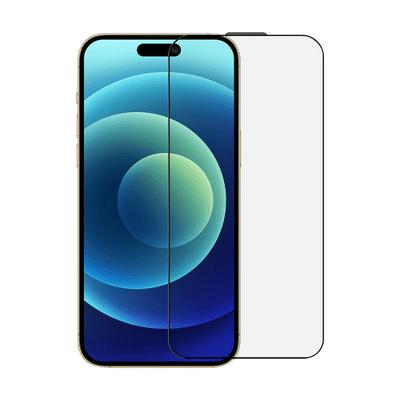
AF Glass, short for anti-fingerprint glass, refers to a type of coated glass that has a glass surface treatment that integrates a specific type of anti-fingerprint (AF) coating that does this to reduce smudging, improve optical transmittance, and protect the optical glass aesthetic. The anti-fingerprint coating creates a thin, uniform, chemically bonded layer on the glass surface, thereby lowering its surface energy, preventing finger oils and water-based smudges from adhering to it.
AF-coated glass repels oil (such as skin and other body oils) and water to some extent, which means it provides a more pleasant user experience due to its added smoothness and optical transmittance. Increased transmittance extends the lifespan of the glass's aesthetic qualities and improves the user experience (people enjoy using it more), making it better suited for touchscreens and glass coverings (for displays) that are used prominently.
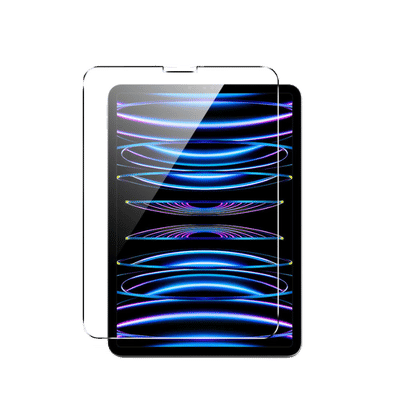
The science behind all of this is drawn from a particular phenomenon called the lotus effect. The AF coating alters the surface at the nanoscale to reduce the glass's surface area in contact with liquid. As a result, water beads and rolls off the surface, and skin oils (such as those from human contact) are repelled, making the glass much easier to touch. This works particularly well in situations where a glass pane is under heavy use (e.g., in kiosks, cars, and other industrial applications), helping it maintain optical clarity and resist glare.
Performance Metrics: Water Contact Angle on AF Glass
105° ± 5°
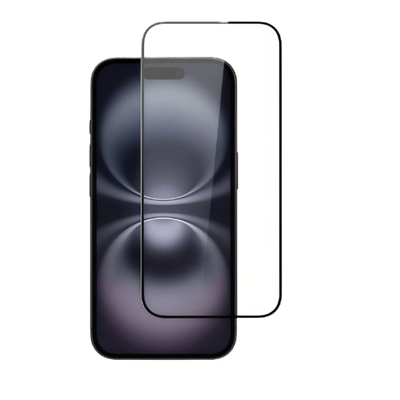
One benchmark for anti-fingerprint performance is the water contact angle, which is 105° ± 5° for Saiwei Glass products. This angle demonstrates strong hydrophobicity, causing water droplets to roll off the glass surface rather than spread. Consistent water contact angles on AF glass demonstrate the quality of the coating, in conjunction with AR coating stacks, to optimize light transmission, reduce glare, and provide cleanable, anti-fingerprint glass for a variety of applications.
Technical Data
AF Glass Performance Specifications from a China Manufacturer
Every batch of anti-fingerprint glass we manufacture is validated against these core specifications. For procurement managers and engineers evaluating AF glass suppliers, these metrics define coating quality.
| Parameter | Specification | Test Method | Application Impact |
|---|---|---|---|
| Water Contact Angle | 105° ±5° | Goniometer (sessile drop) | Hydrophobic performance; droplet roll-off |
| Optical Transmittance | >92% (single AF) | Spectrophotometer | Display clarity and light transmission |
| AR + AF Transmittance | >94% single / >98% double | Spectrophotometer | High-clarity display glass stacks |
| Abrasion Resistance | 3,000+ steel wool cycles | Steel wool (#0000) abrasion test | Long-term coating durability |
| Pencil Hardness (Coated) | ≥3H | Pencil hardness tester | Scratch resistance after coating |
| Chemical Strengthening | CS>450MPa, DOL>8μm | FSM stress measurement | Impact and bend resistance |
| Salt Spray Resistance | 48h+ (no degradation) | Salt spray chamber (ASTM B117) | Coastal and outdoor durability |
| Thermal Shock | -40°C to +85°C cycling | Thermal shock chamber | Automotive and industrial reliability |
Our Factory Process
How AF Coated Glass is Made: Manufacturing Process at Our China Factory
Our AF-coated glass manufacturing integrates disciplined workflows to enhance optical quality, durability, and consistent transmittance. Each glass substrate is conditioned, treated, and finished using specialized glass technologies under ISO 9001 controlled conditions.
01
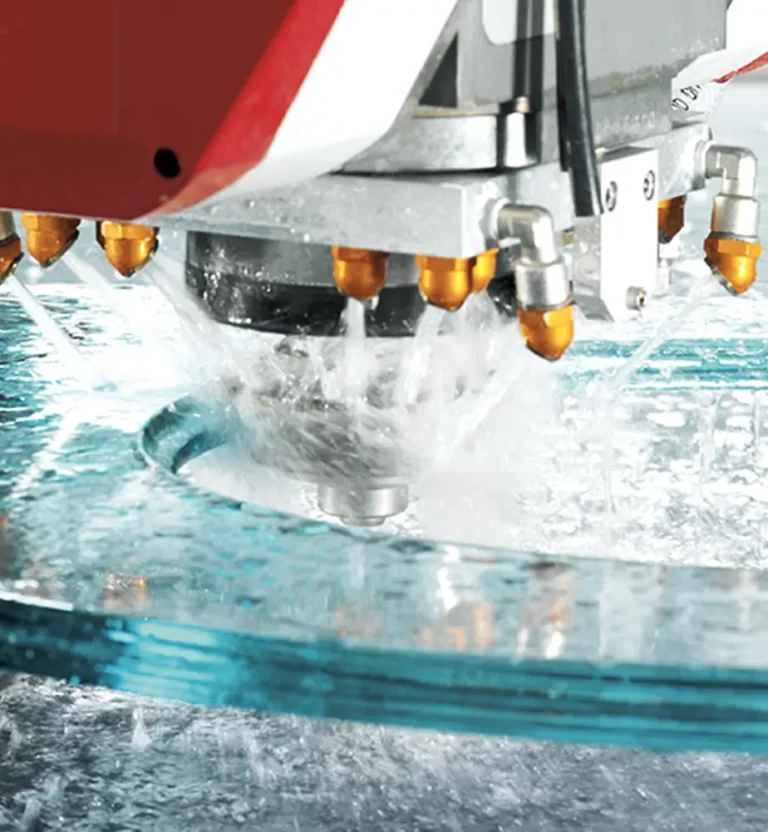
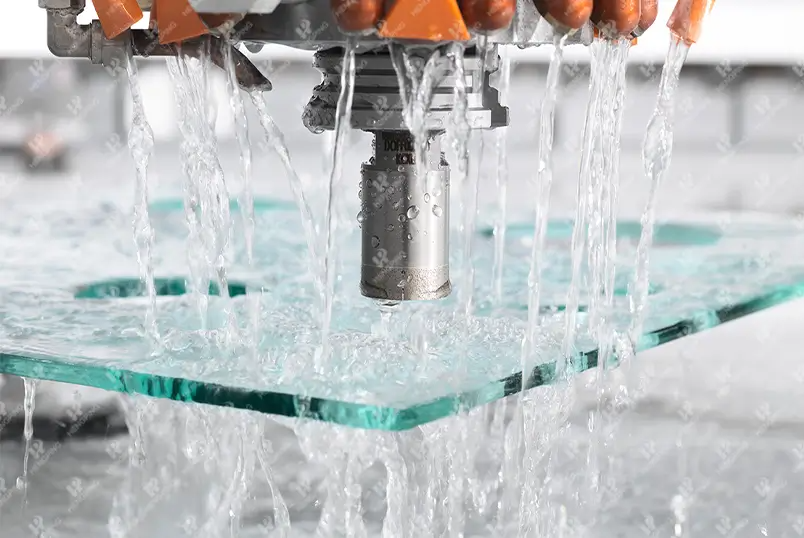
CNC Cutting
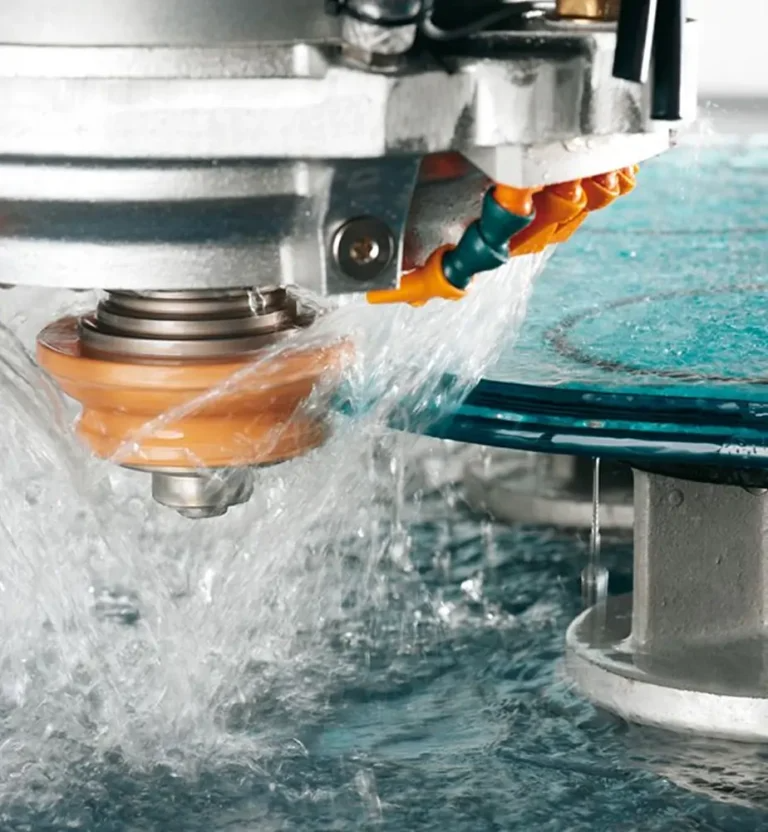
Precision CNC machining center cuts glass substrates to custom geometries, shapes, and edge profiles.
02
Surface Prep
Multi-stage cleaning, deionized rinsing, and plasma treatment activate the glass surface for optimal adhesion.
03
AF Coating
Dedicated AF coating lines apply precision spray, spin, or vacuum deposition with inline curing.
04
Strengthening
Optional chemical strengthening (CS>450MPa, DOL>8μm) or heat tempering for impact resistance.
05
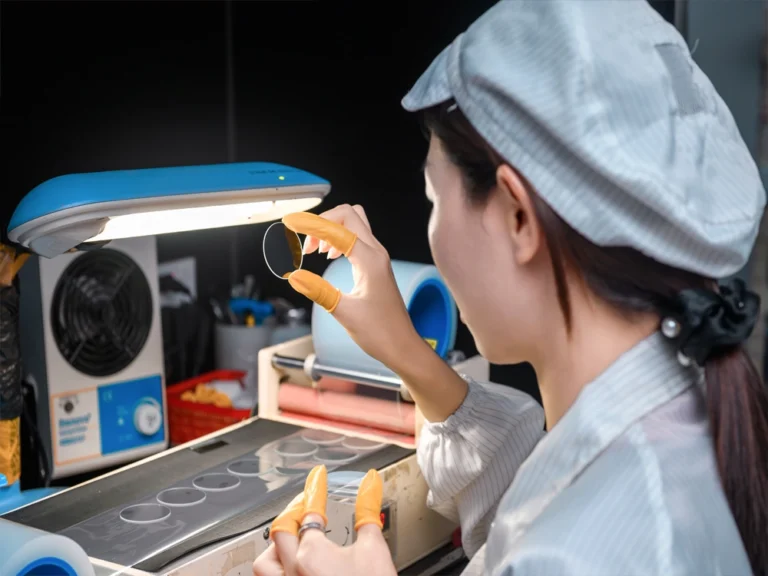
QC Inspection
Cleanroom inspection with contact angle, transmittance, adhesion, and optical testing per AQL standards.
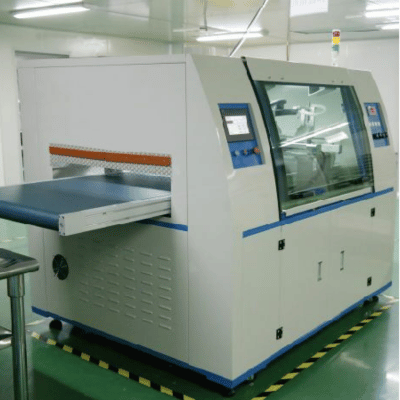
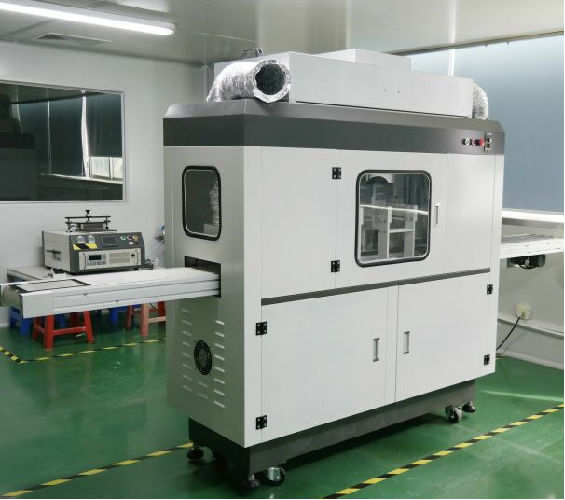
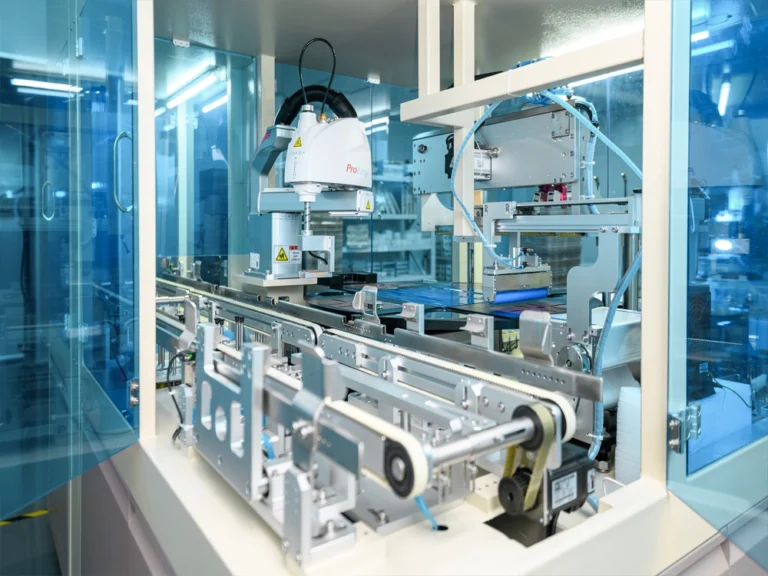
AF Coating Machine
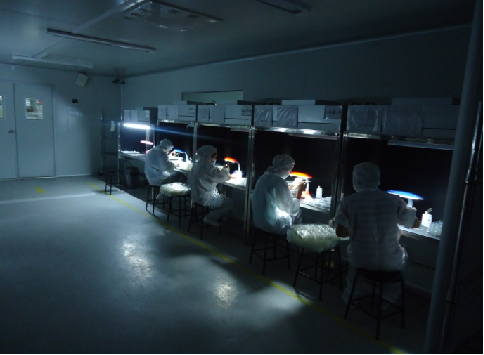
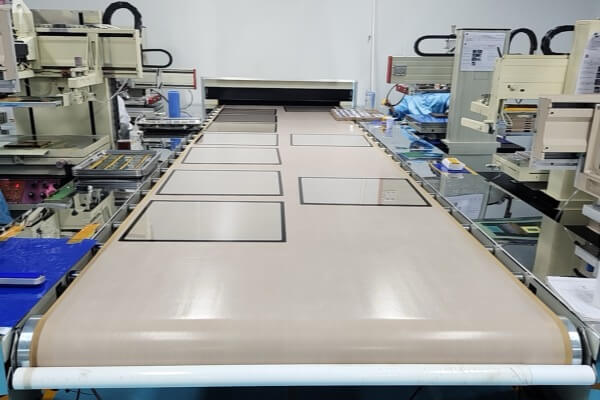
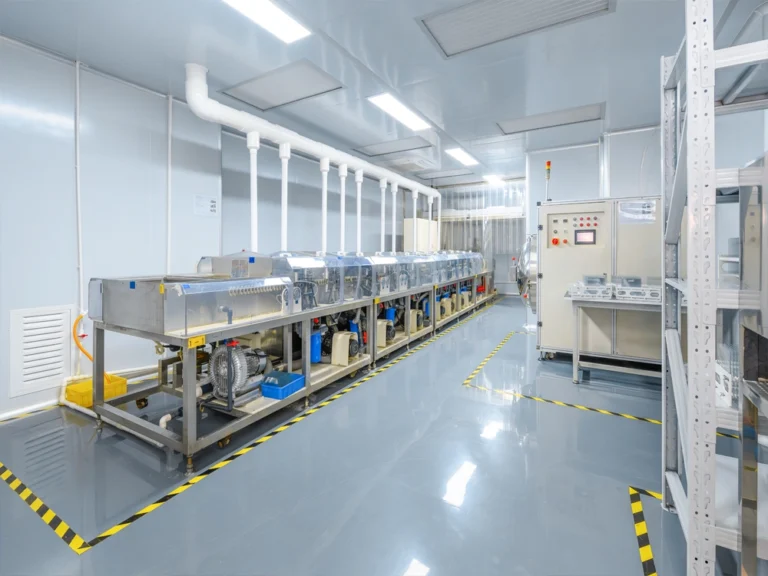
Cleanliness Inspection Workshop
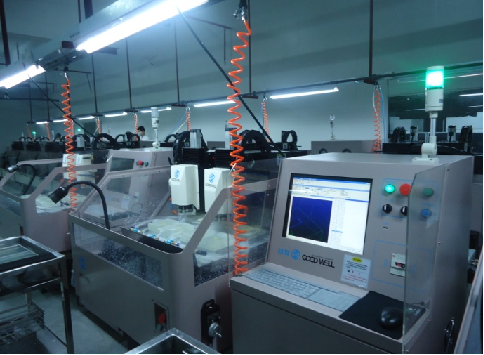
CNC Machining Center
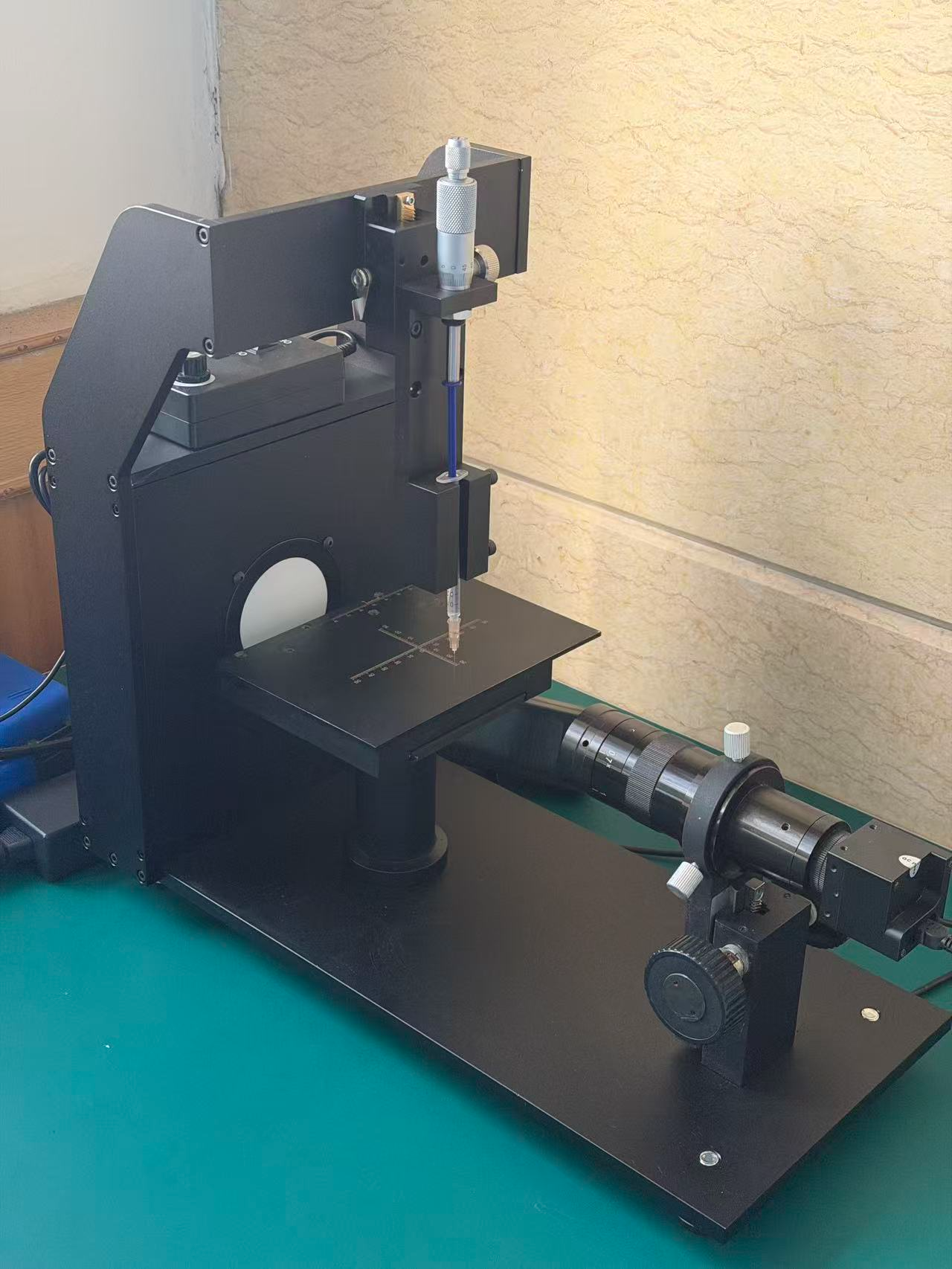
Contact Angle Goniometer
Plasma Treatment Machine
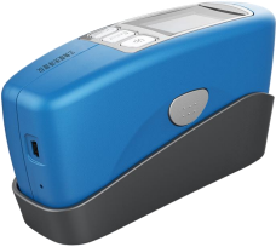
Glossometer
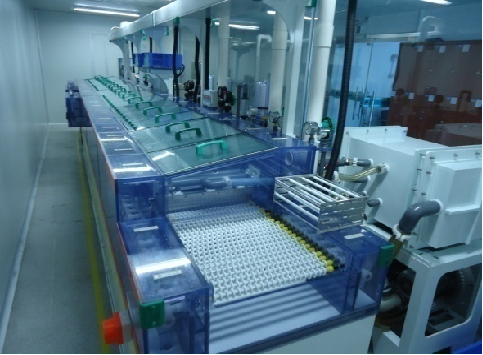
Automatic Horizontal Cleaning
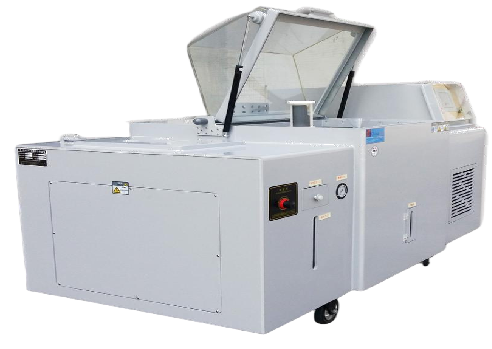
Salt Spray Testing Instrument
Dedicated AF Coating Equipment at Our Manufacturing Facility
Dongguan Saiwei Glass Co., Ltd. operates dedicated AF coating lines featuring precision spray, spin, and vacuum deposition modules paired with inline curing. Environmentally controlled booths protect anti-fingerprint coating films from particulate, securing a uniform layer that preserves optical clarity and light transmission. Our equipment monitors coating thickness and contact angle targets in real time, producing AF glass and anti-fingerprint glass with smooth touch, high transmittance, and reliable anti-glare synergy.
Combining Treatments: AF + AG + AR Coating Glass
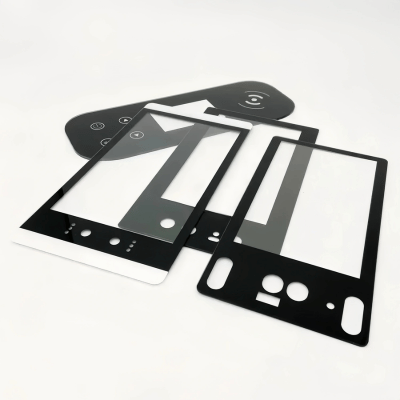
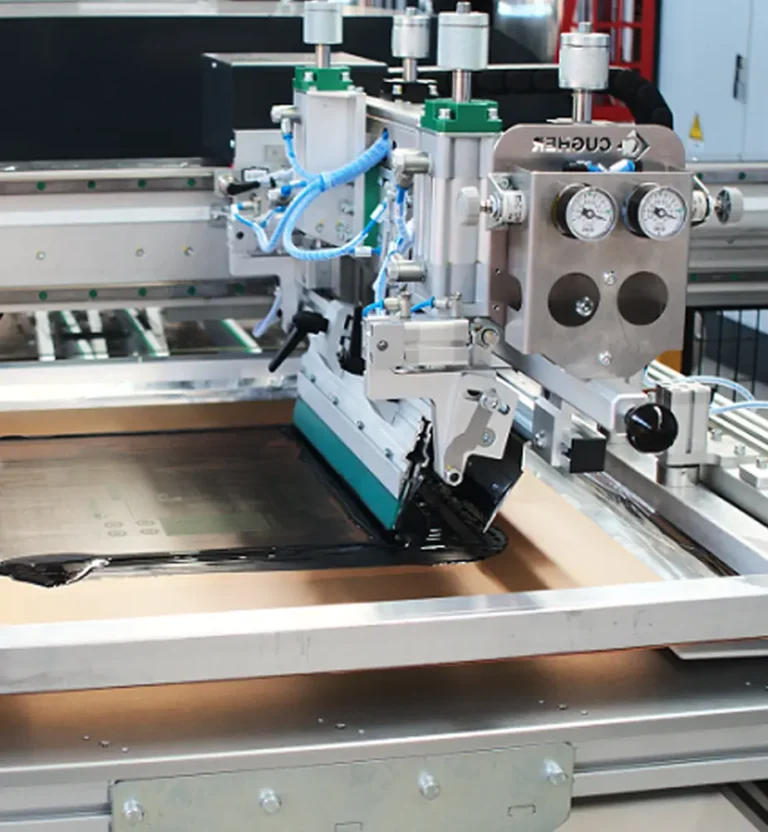
We engineer multilayer stacks where AF coating pairs with anti-glare and anti-reflective layers to enhance readability and reduce glare without sacrificing optical fidelity. Options include AG etching for diffuse control (single or double side), AR coating for minimized reflectance (single side >94%, double side >98% transmittance), chemical strengthening, screen printing for icons and borders, and CNC machining for precise cover glass geometries. The result is coating glass that balances anti-fingerprint defense, light transmission, and touchscreen responsiveness for automotive, kiosk, and industrial applications.
Glass Substrate Options for AF Coating from a China Supplier
Material selection shapes the performance, feel, and longevity of AF coated glass. As a wholesale glass supplier in China, we stock and process all major glass types for custom AF coating projects.
| Glass Type | Key Properties | Best For | AF Coating Compatibility |
|---|---|---|---|
| Corning Gorilla Glass | High scratch resistance, thin, high strength | Consumer electronics, premium automotive | Excellent |
| Aluminosilicate Glass | High chemical durability, ion-exchange ready | Industrial HMI, medical devices | Excellent |
| Soda-Lime Glass | Cost-effective, widely available | Kiosks, appliance panels, large displays | Very Good |
| Low Iron Glass | Superior optical clarity, color-neutral | AR coating stacks, display cover glass | Excellent |
| Borosilicate Glass | High thermal resistance, chemical stability | Lab equipment, industrial touchscreens | Good |
Key Differences Between Glass Types for AF Coating
Corning Gorilla Glass and aluminosilicate substrates offer higher inherent strength and scratch resistance, ideal for handheld devices and automotive interfaces. Low iron glass delivers superior light transmission and color neutrality, benefiting AR coating stacks for high-clarity display glass. Soda-lime glass provides cost efficiency for large format displays where anti-reflective and anti-fingerprint layers manage glare and smudge effectively. Matching substrate hardness and chemistry to the AF coating improves adhesion, maintains stable contact angle, and ensures long-term durability in demanding environments.
Coating Comparison
AF vs AG vs AR Glass: Which Coating Does Your Product Need?
As a full-service glass coating manufacturer in China, Saiwei Glass produces all three coating types — AF, AG, and AR — plus combined 3A glass (AF+AG+AR) under one roof. Here is how each glass coating technology compares.
| Feature | AF Coating Anti-Fingerprint | AG Coating Anti-Glare | AR Coating Anti-Reflective | Recommended 3A (AF+AG+AR) Combined |
| Primary Function | Repels fingerprints & oils | Scatters light to reduce glare | Minimizes surface reflectance | All three combined |
| Technology | Oleophobic nano coating | Chemical etching / matte coating | Multi-layer magnetron sputtering | Layered composite |
| Light Transmittance | >92% | 85–92% | >94% (single) / >98% (double) | >94% |
| Fingerprint Resistance | ||||
| Glare Reduction | ||||
| Reflectance Reduction | ||||
| Touch Experience | Smooth, low-friction | Slightly textured | Standard | Smooth with matte option |
| Best Applications | Touchscreens, cover glass | Outdoor, industrial HMI | High-clarity displays | Premium smart devices |
AF Glass Applications: Industry Solutions from a China Manufacturer
AF glass unlocks performance across sectors where clean optics, touch accuracy, and durability are critical. Our anti-fingerprint-coated glass reduces fingerprint residue, enhances light transmission, and stabilizes transmittance for cover and display glass worldwide.
Automotive Display Cover Glass
AF coating for car center stacks, HUD, EV dashboards, and instrument clusters. Preserves 105°±5° contact angle through thermal cycling. Combined with AR glass and anti-glare strategies for sunlight readability. Chemical strengthening for impact resistance.
Medical Device Display Glass
AF coated glass for medical touchscreens and diagnostic interfaces. Oleophobic coating enables fast disinfection without degrading the glass coating. Saiwei holds medical device biocompatibility certification for cleanroom-grade cover glass.
Industrial HMI Touch Panel Glass
Anti-fingerprint glass for HMI panels, PLC touchscreens, and CNC machine displays. AF + AG coating combo reduces glare under harsh factory lighting. Chemical strengthening and IP-rated cover glass for demanding environments.
Smart Home / IoT Panel Glass
AF glass for smart thermostats, security hubs, and IoT switch panels. Screen printing for icons, CNC apertures for sensors, and anti-fingerprint coating for daily-touch durability. Maintains transmittance and aesthetic elegance.
Kiosk & Self-Service Terminal Glass
Anti-fingerprint coating for ATM screens, self-service kiosks, POS terminals, and public displays. High-traffic durability with easy-clean oleophobic surface. Chemical strengthening for vandal resistance.
Household Appliance Touch Panel Glass
AF coated glass for coffee machine panels, oven displays, and refrigerator touchscreens. Custom round and irregular shapes via CNC machining. Hydrophobic and oleophobic coating resists kitchen oils and food residue.
Common Challenges When Sourcing AF Glass from China — And How We Solve Them
The problem for B2B buyers when procuring custom-made anti-fingerprint-coated glass from Chinese manufacturers is inconsistent AF coating quality across batches. The following are all solved by Saiwei Glass, as stated.
Common Problem
Inconsistent Coating Quality Between Batches
Buyers often worry that AF coating durability can vary significantly across production lots, leading batches to fail water contact angle or abrasion tests post-delivery.
Our Solution
ISO 9001 certified process control with inline goniometer monitoring. Each batch is normalised to a water contact angle of 105°±5° and abrasion resistance before shipment. We publish quality control reports alongside every order.
Common Problem
Opaque Technical Specifications
Many AF glass suppliers in China provide vague or incomplete spec sheets, making it difficult for engineering teams to compare coatings and substrates across vendors.
Our Solution
Transparent, detailed datasheets covering water contact angle, transmittance, abrasion cycles, adhesion grade, pencil hardness, and chemical wipe endurance. Our engineers discuss specifications directly with your R&D team.
Common Problem
Uncertain Customization Capability
Buyers are unsure whether a supplier can handle custom shapes, non-standard sizes, multi-layer coating combinations (AF+AR+AG), and industry-specific compliance requirements.
Our Solution
Full OEM/ODM capability: CNC machining for any geometry, multiple glass substrates (Gorilla, aluminosilicate, soda-lime, low iron), AF+AR+AG multilayer stacks, screen printing, and chemical/physical strengthening — all in-house at our dual China factories.
Common Problem
High MOQ & Slow Sampling
Some wholesale glass manufacturers require large minimum orders before providing samples, which slows the evaluation cycle for new projects and product introductions.
Our Solution
Low MOQ from 100 pieces for prototyping and sampling. Rapid sample turnaround to accelerate your validation process. Scalable production up to 1M+ units annually when you are ready for volume.
Common Problem
Difficulty Choosing the Right Glass Type
Different industries want to buy from different cover glass requirements — medical, automotive, consumer electronics, etc. Buyers have little guidance on selecting the right substrate, coating, and strengthening combination.
Our Solution
Application-specific engineering consulting — an area where our 50+ product technicians find your glass substrate, your AF/AG/AR coating stack, your strengthening method, and compliance requirements (ISO 9001, EN 12150, biocompatibility), and case-specifically address them.
Common Problem
Supply Chain Risk & Delivery Delays
With sources of AF glass originating offshore, buyers' concerns center on single-factory dependencies, interpretation loopholes with procurement teams, long lead times, and shipping risks.
Our Solution
Dual factory redundancy (Dongguan Tangxia + Heyuan), 100+ automated equipment units for consistent throughput, dedicated English-speaking project managers, and optimized logistics for international shipments.
AF Glass Tools
Interactive Tools for AF Glass
Explore our suite of interactive tools designed to help you compare glass coatings, select the ideal solution, and configure custom AF glass specifications with ease.
AF vs AG vs AR Glass
Compare Anti-Fingerprint, Anti-Glare, and Anti-Reflective glass coatings side by side. Understand the key differences in performance, application scenarios, and optical properties to make an informed decision.
View Tool
Glass Coating Selection Wizard
Answer a few guided questions about your application requirements, environmental conditions, and performance priorities. Our wizard will recommend the optimal glass coating solution tailored to your needs.
View Tool
Custom Glass Specification Builder
Build your custom AF glass specification step by step. Define glass type, thickness, coating layers, dimensions, and special requirements to generate a complete specification sheet for your project.
View Tool
Our Capabilities
Quality Assurance | Trusted AF Glass Manufacturer in China
Client Success Stories
How We Solve Real-World Cover Glass Challenges
From anti-fingerprint coating for medical devices to custom tempered glass panels for EV dashboards — explore how AF Glass delivers precision-engineered solutions across industries.
Medical Device Display
Anti-Fingerprint Glass for a Surgical Monitor System
15K+
Units Delivered
0.3%
Defect Rate
Client — A European medical equipment manufacturer specializing in surgical monitoring systems
Challenge
The client needed a medical-grade cover glass for their next-generation surgical display monitors used in operating rooms. The existing glass panels were prone to smudge buildup from gloved hands, reducing screen clarity during critical procedures. They required an anti-fingerprint glass solution that could pass ISO 13485 quality management standards, withstand repeated sterilization with chemical disinfectants, and maintain optical clarity above 92% transmittance at all times.
Our Solution
AF Glass engineered a custom cover glass panel with a multi-layer oleophobic coating (AF coating) specifically formulated for medical environments. The coating was designed to achieve a water contact angle above 115° and withstand over 5,000 cycles of alcohol-based disinfectant wipe testing. We produced the glass in our ISO-certified cleanroom facility to eliminate particulate contamination, and applied an additional AR (anti-reflective) coating layer to reduce glare under harsh surgical lighting — delivering a combined AF+AR glass solution.
Technical Specifications
Chemically Strengthened Glass 1.1mm
AF + AR Coating Combination
Water Contact Angle ≥ 115°
Transmittance ≥ 94%
5,000+ Sterilization Cycles
ISO 13485 Compliant
Results
Passed FDA 510(k) pre-market review with zero material-related findings
Delivered 15,000+ units across 3 production runs with a 0.3% defect rate
Client expanded order to cover their full product line within 8 months
Automotive / EV Dashboard
Custom Cover Glass for an EV Central Console Touch Display
50K+
Panels / Year
-40~85°C
Operating Range
Client — A Tier-1 automotive supplier developing infotainment systems for a leading Chinese EV brand
Challenge
The supplier was sourcing a cover glass for a 15.6-inch EV dashboard touch panel that would serve as the vehicle's primary control interface. The glass needed to meet stringent automotive-grade standards — including thermal shock resistance from -40°C to 85°C, high surface hardness (≥9H), anti-fingerprint performance that endures constant driver interaction, and precise edge processing for seamless integration with a curved dashboard bezel. Previous AF coated glass samples from other manufacturers had failed the 1,000-hour damp heat reliability test.
Our Solution
AF Glass developed a purpose-built automotive display glass panel using 0.7mm chemically strengthened aluminosilicate glass with a nano-scale oleophobic coating optimized for high-temperature durability. Our engineering team ran extensive pre-production tests aligned with the AEC-Q200 standard and performed CNC precision cutting and 2.5D edge polishing to meet the exact curvature specifications. We also applied an AG (anti-glare) + AF coating combination to reduce dashboard reflections while maintaining the anti-smudge surface — solving both visibility and cleanliness in one integrated glass solution.
Technical Specifications
Aluminosilicate Glass 0.7mm
AG + AF Coating
Surface Hardness ≥ 9H
15.6" CNC Precision Cut
2.5D Edge Polishing
AEC-Q200 Tested
Results
Passed 1,000-hour 85°C/85%RH damp heat test on first submission
Ramped to 50,000+ panels per year within the first 12 months of SOP
Now supplying glass for 3 additional EV models under the same platform
Industrial Touchscreen / HMI
Ruggedized Touch Screen Glass for Factory-Floor HMI Panels
8K+
Panels Shipped
14 Days
Lead Time
Client — A US-based industrial automation firm producing HMI (Human-Machine Interface) controllers for manufacturing plants
Challenge
The client's HMI touchscreen panels were being operated by workers wearing oil-contaminated gloves in heavy manufacturing environments. The standard soda-lime cover glass they were using degraded quickly — the oleophobic coating wore off within months, and fingerprints and industrial grease made the interface nearly unreadable. They needed a durable industrial touchscreen glass panel OEM partner capable of delivering ruggedized glass with a long-lasting anti-fingerprint surface, custom silk-screen printing for the bezel area, and the ability to fulfill repeat orders of 500–2,000 pieces per batch with a 14-day turnaround.
Our Solution
AF Glass provided a complete custom cover glass manufacturing solution: 2.0mm chemically tempered glass with a hardened AF coating engineered to exceed 3,000 steel wool abrasion cycles (compared to the industry-standard 1,000 cycles). We used a vacuum evaporation coating process for uniform nano-scale oleophobic film deposition, followed by precision silk-screen printing with a customer-specified black border and logo. Our production team established a dedicated batch scheduling system to guarantee 14-day delivery on every repeat order — backed by real-time QC reporting shared via our customer portal.
Technical Specifications
Chemically Tempered 2.0mm
Enhanced AF Coating (3,000+ Cycles)
Custom Silk-Screen Printing
IK07 Impact Resistance
IP65 Compatible Design
RoHS & REACH Certified
Results
AF coating lifespan improved 3× over the client's previous supplier
Delivered over 8,000 panels across 12 batches — 100% on-time delivery rate
Reduced client's annual glass replacement costs by 40%
Smart Home Appliance
Tempered Glass Panel for a Smart Thermostat Product Line
100K+
Units / Year
4 SKUs
Color Options
Client — A North American smart home brand expanding into wall-mounted smart thermostats and control panels
Challenge
The brand was launching a premium line of smart home glass panel thermostats with a 4.3-inch capacitive touchscreen. They needed a custom tempered glass cover that looked and felt premium — with an ultra-smooth anti-fingerprint surface, precise color matching for four different bezel colors (matte black, pearl white, champagne gold, and space gray), and a minimum order quantity low enough to support their initial launch of 5,000 units per SKU. Their previous supplier in Southeast Asia could not achieve consistent color matching across batches, leading to visible mismatches on retail shelves.
Our Solution
AF Glass offered a turnkey OEM/ODM custom glass panel service, starting with in-house color development and pantone-matched silk-screen ink formulation for all four colorways. We produced 0.55mm ultra-thin chemically strengthened cover glass with AF coating on the front surface for fingerprint resistance and an opaque decorative layer on the rear for the bezel design. Our MOQ flexibility (starting from 500 pieces per SKU for new product launches) allowed the client to test market response before committing to high-volume production. Every batch was validated through a Delta-E color consistency test to ensure uniformity.
Technical Specifications
Ultra-Thin 0.55mm Glass
AF Coating (Front)
Pantone-Matched Silk Screen
4 Colorway SKUs
Capacitive Touch Compatible
MOQ from 500pcs / SKU
Results
All four colorways passed Delta-E ≤ 1.5 consistency across all batches
Scaled from 5,000 to 100,000+ units per year within 18 months
Product awarded "Best Smart Home Design" at CES 2025 Innovation Awards
Self-Service Kiosk / ATM
Vandal-Resistant AF Glass for Bank ATM Touch Panels
6K+
ATM Units
IK10
Impact Rating
Client — A major ATM and self-service terminal manufacturer deploying across Southeast Asian banking networks
Challenge
The manufacturer needed a cover glass for ATM touchscreen panels that would be deployed in high-traffic public locations — from air-conditioned bank lobbies to outdoor semi-exposed kiosks. The glass had to combine three critical properties: anti-fingerprint performance to maintain readability after thousands of daily touches, vandal-proof impact resistance rated at IK10, and anti-glare treatment for sunlight readability. They also needed a reliable cover glass supplier in China capable of handling ongoing production volumes of 500–1,000 panels per month with consistent quality.
Our Solution
AF Glass engineered a triple-function cover glass solution: 3.0mm chemically strengthened soda-lime glass with an integrated AG+AF surface treatment — the AG (anti-glare) etching reduces reflectivity to below 1% for outdoor readability, while the AF (anti-fingerprint) top coat keeps the screen clean under heavy public use. We achieved IK10 impact resistance through a controlled chemical strengthening process that produces a compressive stress layer of over 250 MPa. All production batches undergo our 12-point incoming quality control protocol and are traceable via laser-engraved batch codes on every panel — meeting the client's supply chain traceability requirements.
Technical Specifications
Soda-Lime Glass 3.0mm
AG + AF Surface Treatment
IK10 Impact Resistance
Reflectivity < 1%
Laser Batch Traceability
RoHS / REACH / CE Certified
Results
Zero field failures reported across 6,000+ deployed ATM units in 18 months
Client reduced maintenance cleaning visits by 60% compared to uncoated glass
Contract expanded to include self-checkout kiosk terminals for a retail partner
Frequently Asked Questions (FAQs)
Antiglare and anti-reflective treatments are applied to reduce glare and improve visibility. When comparing AG to AF glass, the differences are primarily due to the AF layer's composition and the techniques used to apply the anti-reflective coating, such as multilayer dielectric stacks versus certain nanostructured surfaces. Both coating types aim to reduce glare; however, AF coating is specifically designed to improve the user experience of consumer electronics and industrial control panels by reducing surface reflections and enhancing contrast, thereby reducing glare.
Fingerprints are more difficult to leave on glass that is coated with an anti-fingerprint coating, which is usually applied on top of the anti-fingerprint glass, as the surface is less conducive to the adhesion of oils and water. Fingerprint-resistant coatings are incorporated into glass display products to keep the glass surface and viewing areas clean, especially in high-touch areas and consumer electronics such as smartwatches. This means that the combination of hydrophobic, oleophobic, and anti-fingerprint coatings provides durability and clarity in public spaces and consumer electronics.
Some properties of AF include fewer surface reflections, improved light transmission, and resistance to fingerprints and smudges. The AF coating reduces stray reflections, improving contrast and color fidelity by altering the refractive interface. Advanced technology enhances screen readability in bright light and improves the experience when using devices and flat-panel screens.
If comparing AG and anti-reflective glass, anti glare glass (AG) typically uses micro-roughened surfaces or matte finishes that scatter the surrounding light. This can cause a slight loss of sharpness. On the other hand, anti-reflective glass uses coatings engineered with thin-film interference to cancel reflections without scattering. In general, anti-reflective glass provides better sharpness and color fidelity, while AG glass is more suitable for high-glare environments. Hybrid glass products combine these methods to provide a balance of non-glare and optical clarity.
Use AR glass when maximum optical clarity and color fidelity are critical; anti-reflective coatings achieve this by applying thin-film layers tuned to specific wavelengths. The Electroplated AF process can produce durable, even anti-fingerprint coatings and can be combined with scratch-resistant coatings. For smart watches and other small consumer electronic devices, glass with both AF and anti-fingerprint technologies is used to enhance the durability and clarity, and to improve the user experience.
The glass surface is infused with a hydrophobic, oleophobic coating that causes water to bead and roll off, reducing streaks and smudging. The coating makes the glass surface easier to wipe and maintain, and the glass will have a cleaner, clearer appearance. When combined with an anti-reflective coating, the glass will have low reflections and be very easy to clean, making it a good choice for touch screens and displays visible to the public.
Industrial control panels typically use glass technologies to reduce reflections and absorb light. By minimizing the reflection of light from the glass due to the sun and overhead lights, critical information becomes more readable. Glass can also be treated as part of engineering glass that has AR coating and an anti-fingerprint coating, so that the glass can perform in functional glass surfaces in rugged environments. These choices of the glass products perform and ensure reliable operation and clarity, even to the control room operators under varying light conditions.
The lack of sharpness in the anti-glare glass is a negative perception. Recent advances in AR coatings and AG glass have improved focus and sharpness. The outer environments for glass products, including coated and uncoated glass, and the designed indoor lighting, are the controlled parameters. The absence of an anti-fingerprint coating and the stamped glass are the parameters that limit the contrast of the coated glass, thereby enhancing the durability and reflectivity of internal obstructions. The glass technology is current, and the selection of coatings is fitted for your intended purpose.